Private Label Beverages - Ultimate Guide to Beverage Manufacturing

Launching your own beverage brand doesn't require building a factory or developing your own recipe from scratch. Thanks to private label beverage manufacturers, it's easier than ever for entrepreneurs and brands to enter the beverage market. This guide covers everything you need to know about private label beverage manufacturing, including how it works, how to find the right manufacturer, packaging formats, common pitfalls, and examples of successful private label beverage brands.
What Are Private Label Beverages?
Private label beverages are drink products manufactured by a third party (private label manufacturers and/or contract manufacturers) and sold under another company's brand. The brand controls the product's label, packaging, and often the formulation, but the manufacturing is outsourced to specialized facilities.
There are two main models:
- White Label Manufacturing: You choose from pre-existing formulas and customize branding.
- Private Label Manufacturing: You provide your own recipe, and the manufacturer produces it according to your specifications.
Private label beverage manufacturing allows brands to focus on marketing and distribution while leveraging the technical capabilities and facilities of established manufacturers.
Private Label Beverages vs White Label Beverages
There is a clear difference between private label and white label. While often used interchangeably, private label and white label beverages differ in customization and exclusivity:
- White Label: A generic product made by a manufacturer and sold to multiple brands. Only the label changes, and the formula is standardized.
- Private Label: A more customized product developed specifically for one brand. This could include exclusive formulations, packaging, and flavor profiles.
White label products ideal for fast market entry with minimal differentiation. Private label products offer more control and uniqueness in branding and product offering.
Why Choose Private Label Beverages Manufacturers?
Working with private label beverage manufacturers provides multiple benefits:
- Lower upfront investment compared to setting up a factory
- Faster time to market with proven manufacturing processes
- Access to professional expertise in formulation, compliance, and quality control
- Scalability for growing demand
This model is especially attractive to startups, direct-to-consumer brands, retailers launching house brands, and influencers seeking to launch signature beverages.
Step-by-Step Guide to Private Label Beverage Manufacturing
- Define your beverage concept
Decide on the type of drink: energy drink, sparkling water, juice, iced tea, functional beverage, or alcohol-based RTD. - Choose OEM or ODM
Determine if you'll create a custom formula or use a pre-existing one. - Request samples
Work with the manufacturer to taste and test formulations. - Ensure regulatory compliance
Labels, ingredients, and claims must meet local food regulations. - Select packaging format
Choose between bottles, cans, cartons, or pouches depending on the product and brand positioning. - Negotiate MOQ and pricing
Manufacturers often have minimum order quantities. Ask about price tiers for different volumes. - Finalize branding and label design
Ensure the packaging complies with both branding guidelines and regulatory standards. - Initiate production
Schedule your first run, often starting with a smaller batch. - Arrange logistics
Plan for warehousing, shipping, and inventory management.
Packaging Options for Private Label Beverages
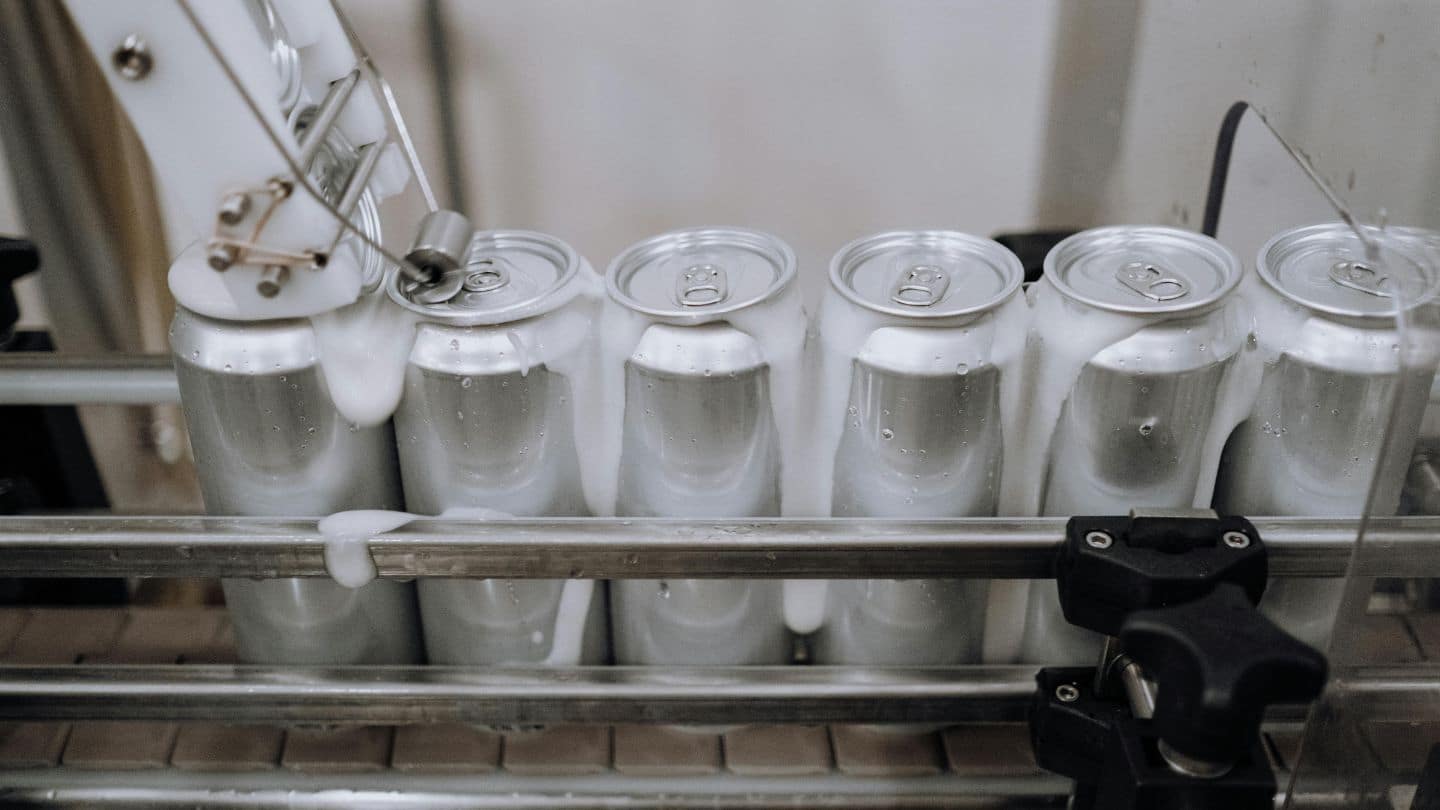
Packaging plays a critical role in product perception and logistics. The MOQs depend on your manufacturing method (white label, private label or fully customized), how the label is attached, etc.
Here are the most common formats:
Bottles
- Glass bottles offer a premium feel and are ideal for upscale juices and kombuchas. They are heavier and more fragile, leading to higher shipping costs but perceived as higher quality.
- PET plastic bottles are lightweight, shatterproof, and widely used for water and soft drinks. They are cost-effective and suitable for small to medium MOQs, starting around 1,000 to 5,000 units.
Cans
- Aluminum cans are popular for energy drinks, sodas, and hard seltzers. They are highly recyclable and chill quickly.
- Cans typically require higher MOQs due to the cost and setup of canning lines. Standard MOQs range from 50,000 units or more, making them better suited for established brands or larger production runs.
Cartons
- Tetra Pak and similar cartons are ideal for juice, plant-based milk, and shelf-stable drinks. They offer good preservation and are increasingly seen as eco-friendly.
Pouches
- A newer format, suitable for functional beverages and kids’ drinks. Flexible and often with lower MOQs depending on manufacturer capability.
Choosing the right format depends on target audience, pricing strategy, shelf life, and sustainability goals.
Understanding MOQs and Production Scale
Minimum order quantities (MOQs) vary depending on the manufacturer, beverage type, and packaging.
Typical MOQ ranges:
- Small runs: 500 to 5,000 units (usually for new brands or test markets, when you choose bottled beverages)
- Standard runs: 5,000 to 50,000 units
- Large production: 100,000+ units
MOQs also affect unit cost. Higher volumes generally lead to better pricing. Clarify lead times, production schedules, and payment terms with the manufacturer early in the process.
Common Pitfalls in Private Label Beverage Manufacturing
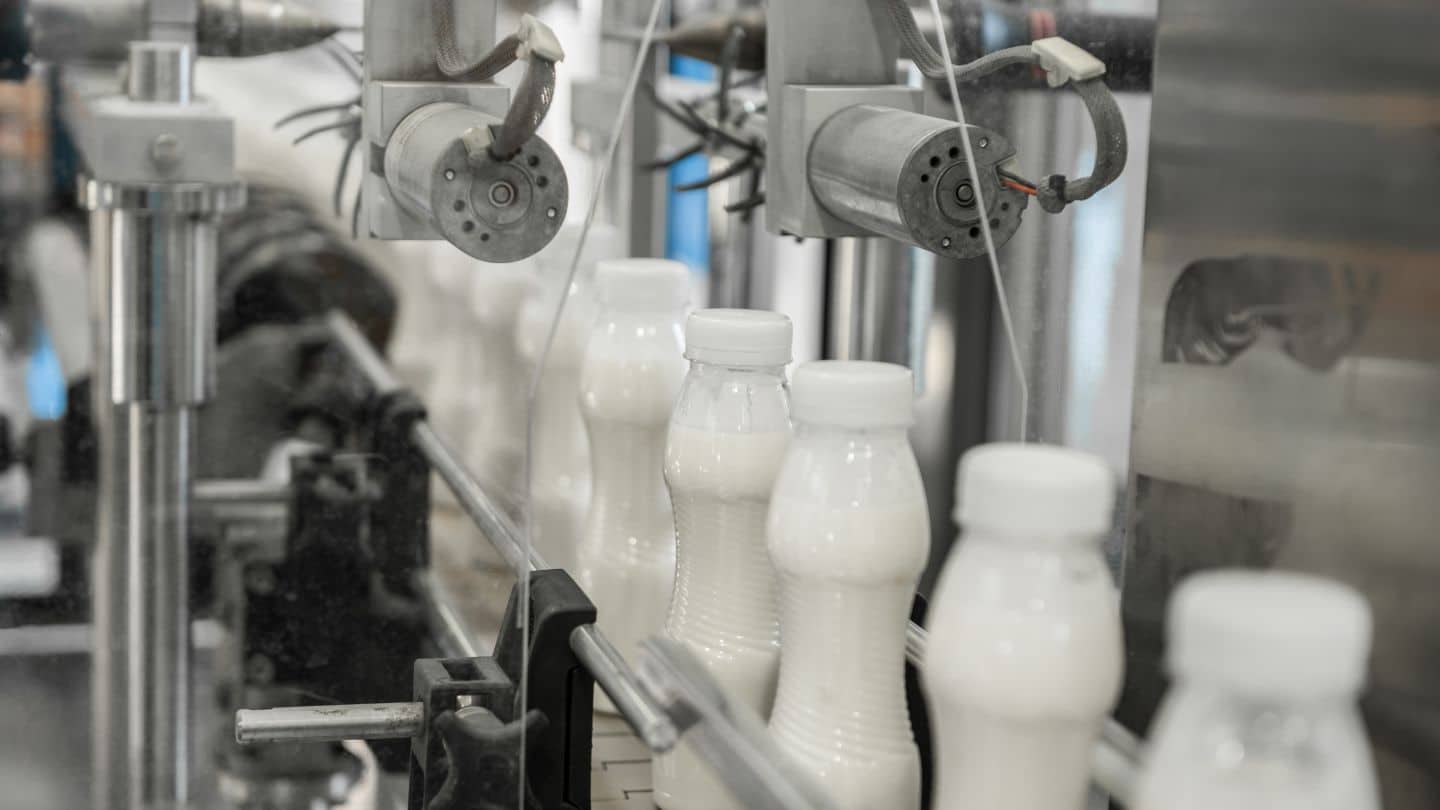
Avoid these common mistakes when launching a private label beverage:
- Neglecting due diligence: Always vet your manufacturer for quality certifications, past client reviews, and capabilities.
- Unclear formulation rights: Make sure you understand who owns the recipe, especially in white label and private label models, where you add customization.
- Poor label compliance: Incorrect nutrition labels or unapproved health claims can delay launches or result in fines.
- Underestimating logistics: Shipping, warehousing, and shelf-life issues can quickly erode profit margins.
- Ignoring scalability: Choose manufacturers who can scale as your demand grows.
Types of Private Label Beverages
Private label beverage manufacturers produce a wide range of drink types:
- Bottled water and flavored water
Private label bottled water is one of the most accessible categories for new brands. It's simple to formulate and allows for brand differentiation through packaging and flavor innovation. Brands can source it through manufacturers with established filling lines for PET or glass bottles. - Sparkling water and soda
Private label sparkling water and soda tap into the growing demand for low-calorie and natural-flavor options. Brands can work with manufacturers that offer carbonation equipment and flavor customization. MOQs can be higher, especially in cans, but offer scalability for supermarket chains and DTC brands. - Fruit juices and blends
Private label fruit juices provide a strong value proposition for organic and health-conscious consumers. Brands can leverage regional or exotic fruit profiles, using Tetra Pak or bottle formats. Many juice manufacturers offer white-label recipes that can be customized with brand-specific tweaks. - RTD teas and coffees
Ready-to-drink tea and coffee are high-margin private label opportunities. These beverages appeal to on-the-go and health-aware consumers. Sourcing can be done from specialized manufacturers who offer cold brew or herbal infusions in bottles or cans. - Energy and sports drinks
Private label energy drinks are popular with younger demographics and niche sports audiences. Formulation is key, requiring experienced manufacturers to handle ingredients like caffeine, taurine, and electrolytes. Cans are most common, but PET is also an option. - Functional wellness beverages
Functional private label beverages like immunity shots or detox tonics are trending in wellness markets. Sourcing involves working with manufacturers familiar with nutraceutical ingredients, shelf-stability testing, and label compliance for health claims. - Kombucha and fermented drinks
Kombucha is a rapidly growing segment in private label beverages. It's a more complex product to manufacture, needing specific fermentation expertise and refrigerated supply chains. Glass bottles are preferred for premium positioning. - Protein shakes and nutritional drinks
These private label drinks are ideal for fitness and meal-replacement markets. Brands can develop proprietary blends or use existing formulations, often in aseptic bottles or pouches. Partnering with a manufacturer that provides R&D support is essential. - Alcoholic RTDs and hard seltzers
Private label alcoholic beverages, especially hard seltzers, require licensing and compliance with alcohol regulations. These products are typically packaged in cans and appeal to a wide demographic. Sourcing from certified manufacturers with alcohol production licenses is key.
7 Best Private Label Beverage Manufacturers in Europe 🇪🇺
1. Rauch Fruchtsäfte (Austria)
Rauch is one of Europe’s beverage giants, operating across more than 100 countries. Known for their wide range of juices, iced teas, and functional drinks, Rauch offers strong private label capabilities, including development, bottling, and logistics. They are a trusted partner for many global retailers, with modern facilities and scalable operations.
Website: www.rauch.cc
2. MyDrink Beverages (Lithuania)
MyDrink is a full-service beverage development agency offering turnkey private label solutions. They assist brands in formulation, branding, legal compliance, and production — making them an ideal partner for startups and established FMCG players alike. Their global network of contract manufacturers supports flexibility and innovation.
Website: www.mydrinkbeverages.com
3. Van Pur (Poland)
Van Pur is one of Poland’s largest independent beverage producers, primarily known for beer and malt-based drinks. However, their private label division also serves retailers and distributors across Europe with energy drinks, soft drinks, and carbonated beverages. Their integrated production ensures cost-effective solutions and consistent quality.
Website: www.vanpur.com.pl
4. Eko-Vit (Poland)
Eko-Vit offers private label manufacturing of carbonated, non-carbonated, functional, and alcoholic beverages. They support full-cycle production — from product ideation to bottling and packaging — and export to over 60 countries. Their flexibility in product types and container formats makes them a strong partner for both niche and mass-market projects.
Website: www.eko-vit.pl
5. AMATA Ltd. (Bulgaria)
AMATA is a beverage and supplement manufacturer specializing in functional drinks, sports nutrition, and ready-to-drink products. With their own production of bottles and caps, they offer attractive MOQs and complete in-house control. Their location in Bulgaria provides a cost advantage while maintaining EU standards.
Website: www.amata.bg
6. Galvanina (Italy)
Galvanina produces premium organic and conventional soft drinks, mineral waters, and mixers. With roots in Italian artisanal bottling, their private label services focus on natural ingredients, high-quality glass and PET packaging, and exceptional taste profiles. They are particularly strong in the organic and upscale beverage categories.
Website: www.galvanina.com
7. Private Beverage (Hungary)
Private Beverage is a fully integrated beverage manufacturer offering custom formulations for energy drinks, carbonated beverages, vitamin waters, and iced teas. Their factory is equipped with one of the most modern bottling lines in Central Europe, and they cater to both small and large batch productions.
Website: www.privatebeverage.com
7 Private Label Beverage Manufacturers in the US 🇺🇸
1. Niagara Bottling (USA)
Niagara is one of the largest private label beverage manufacturers in North America, best known for producing bottled water for top retailers like Walmart, Target, and Costco. Beyond water, they also manufacture teas, flavored waters, and sports drinks. Their vertically integrated supply chain ensures fast turnaround, high efficiency, and cost-effective production.
2. Cliffstar Corporation (USA)
Cliffstar has decades of experience in producing juices, teas, functional beverages, and more for private label customers. With several facilities across the U.S., they offer strong national distribution capabilities. They serve major grocery chains and club stores and are known for their R&D support and large production volume capabilities.
3. BevSource (USA)
BevSource is a strategic operations and sourcing partner for beverage brands. They help entrepreneurs and companies bring beverage ideas to market through a full-service model, including product development, regulatory support, production planning, and manufacturing. Their vast co-packer network offers flexibility across categories.
4. Southeast Bottling & Beverage (USA)
Southeast Bottling specializes in functional and health beverages such as dietary supplement drinks, detox beverages, energy drinks, and RTD teas. They offer hot fill and cold fill capabilities, tunnel pasteurization, and customized packaging formats. Their Florida-based facility is ideal for brands targeting wellness or clean-label categories.
5. The Drink Ink (USA)
The Drink Ink is a flexible partner for private label energy drinks, vitamin waters, sodas, and shots. With fast lead times and low MOQs, they’re a go-to manufacturer for startups, fitness brands, and lifestyle companies looking for custom formulas and standout packaging.
6. Leahy-IFP (USA)
Leahy-IFP focuses on shelf-stable beverages including smoothies, juice concentrates, and drinkable fruit blends. They serve both the retail and foodservice industries, offering tailored private label programs and a commitment to sustainability. Their expertise in natural fruit beverages sets them apart in the industry.
7. MyDrink Beverages North America (USA)
MyDrink Beverages’ U.S. division provides end-to-end support for beverage brands. They assist with formulation, co-packer matchmaking, and supply chain management. Their model is perfect for brands that need flexibility, especially during early-stage product development or scaling up.
Examples of Private Label Beverage Brands
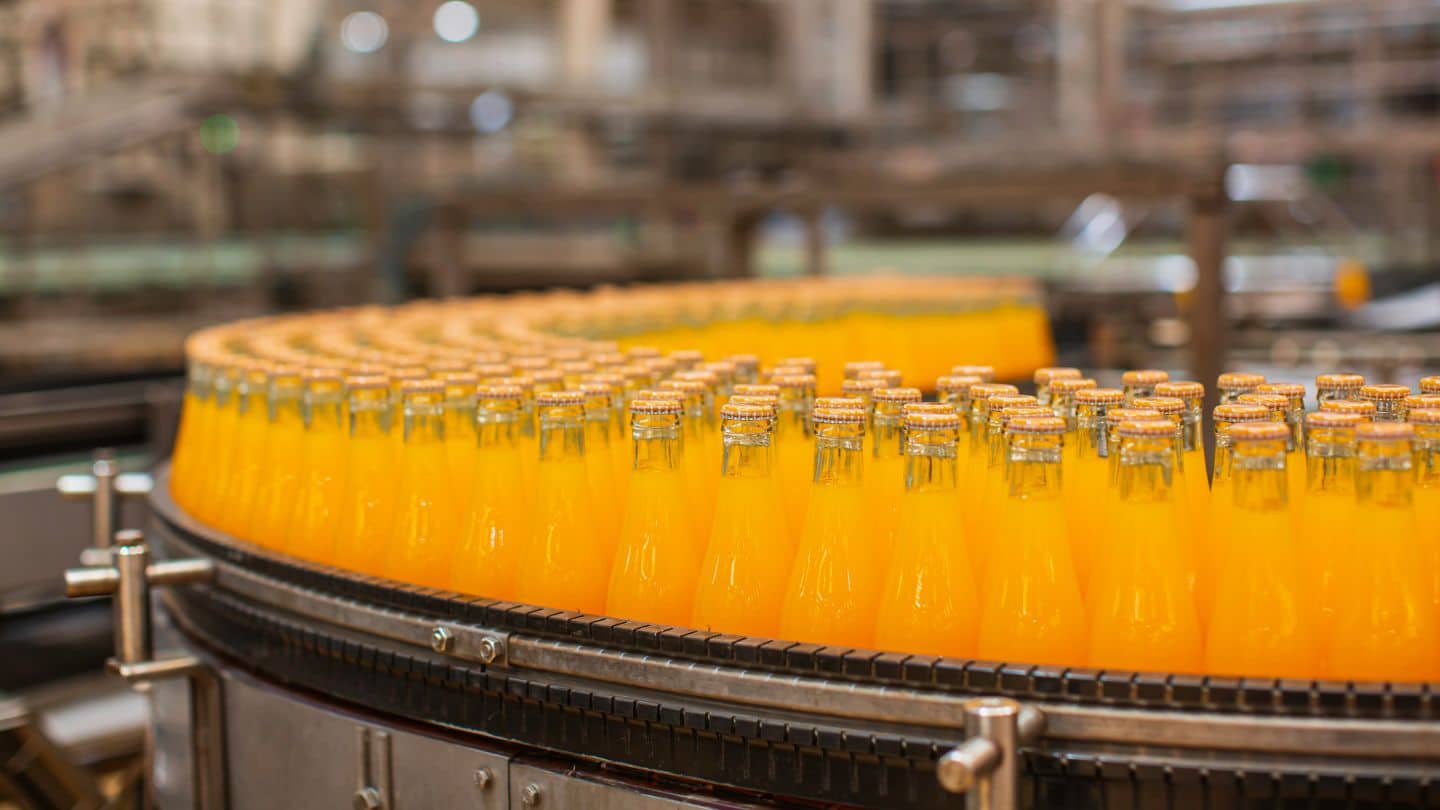
Many successful private label brands started with outsourced manufacturing:
- Kirkland Signature (Costco) offers private label coconut water, soda, and sparkling drinks.
- Trader Joe's features branded juices and specialty drinks made by contract manufacturers.
- Good & Gather (Target) supplies a variety of waters and juices under its private label.
- Influencer brands such as Prime Hydration have leveraged third-party manufacturing to scale quickly.
These examples show how private label beverages can cater to both value and premium markets.
How to Find the Right Private Label Beverage Manufacturer
When evaluating manufacturers, consider these factors:
- Experience with your beverage type
- Packaging capabilities (cans, bottles, Tetra Pak)
- Certifications (ISO, HACCP, Organic, Halal, Vegan)
- Willingness to work with your MOQ
- Location and logistics support
- R&D support for formulation or flavor development
- Client references and past brand partnerships
Platforms like Wonnda simplify this process by offering a curated list of verified private label manufacturers, with tools for sourcing, collaboration, and supplier management.
Private Label Beverage Use Cases
Private label beverages are not only for large supermarket chains. A wide range of businesses can benefit from launching custom beverage lines:
- Retailers
Retailers can develop exclusive private label beverage lines to boost brand loyalty, improve margins, and differentiate themselves from competitors. Popular examples include grocery store chains launching their own water, juice, or soda ranges. - Consumer Brands
Existing lifestyle, wellness, or food brands can add beverages to expand their portfolio. By aligning drinks with their existing positioning, they can create cross-sell opportunities and boost customer engagement. - Cafés and Coffee Shops
Independent cafés or coffee chains can offer their own bottled RTD teas, cold brews, or juices under their brand. This adds revenue streams and brand recall beyond the shop location. - Hotels and Resorts
Hospitality businesses can offer premium, private label water or wellness drinks in minibars, spas, and restaurants. These exclusive beverages can enhance the guest experience and promote brand identity. - Gyms and Fitness Studios
Gyms can develop private label sports drinks, protein shakes, or wellness shots tailored to their members’ needs. These in-house products build brand authority and generate additional income. - Event Planners and Corporate Gifting
Branded beverages make excellent additions to gift bags or event merchandise. Private label drinks with customized labels can be used for promotions or corporate branding. - Airlines and Travel Services
Airlines and train services can serve their own private label water or juices, aligning the product with their premium in-flight or onboard experience.
Private Label Beverage Trends
The beverage industry evolves fast, and private label products are adapting to meet new consumer preferences:
- Functional Ingredients: Beverages with added benefits like collagen, vitamins, adaptogens, or probiotics are in high demand.
- Sustainability: Eco-friendly packaging like aluminum or biodegradable cartons, as well as local sourcing, are influencing consumer choices.
- Low Sugar and Natural Formulas: There's a growing shift away from sugary sodas toward naturally flavored waters and organic juices.
- Non-Alcoholic and Low-ABV Drinks: Mocktails, kombucha, and non-alcoholic beers are emerging as new private label opportunities.
- Premiumization: High-end glass bottles, minimalist design, and gourmet flavors are trending, even in private label segments.
Costs of Launching a Private Label Beverage Product
The cost of launching a private label beverage depends on various factors including MOQs, packaging, formulation, and marketing. Here's a rough breakdown:
- Formulation and Sampling: €500 to €3,000 depending on custom R&D or white label usage
- Packaging Design and Labeling: €1,000 to €5,000 including design, legal review, and printing
- Production Costs: Unit cost ranges from €0.30 to €2.00+ depending on volume and packaging
- MOQ Investment: A 10,000 unit run could cost €5,000 to €20,000 or more
- Logistics and Storage: Depends on region and warehousing setup
- Marketing and Distribution: Variable, but a critical cost for brand success
It's important to plan a clear budget that accounts for initial production, inventory, and promotion to ensure a successful launch.
FAQs About Private Label Beverage Manufacturing
What is the minimum order for private label beverages?
MOQs start around 500-1,000 units for test runs, but standard production often begins at 10,000 units.
Can I use my own recipe with a manufacturer?
Yes, in OEM setups. Make sure it's validated for shelf life and regulatory compliance.
How long does private label production take?
From formulation to delivery, expect 2 to 6 months depending on complexity and capacity.
Do manufacturers help with packaging design?
Many offer packaging templates and design support, though full branding is usually the brand's responsibility.
Are private label beverages profitable?
Yes, especially with optimized supply chains and strong branding. Margins vary by category and scale.
Conclusion: Why Choose Wonnda for Private Label Beverages
Launching a successful beverage brand is easier when you have the right manufacturing partner. With Wonnda, you gain access to top-tier private label beverage manufacturers who meet high standards in quality, certifications, and scalability. From formulation to packaging to logistics, Wonnda offers the digital tools and supplier network you need to bring your beverage brand to market efficiently.
Related articles
Best Clothing Manufacturers in Europe - 2026 Guide by Wonnda
10+ Best Beauty Manufacturers in the US (2026 List)

How to Find a Manufacturer for Your Product (2026 Guide)
European Suppliers: How to find the best EU suppliers in 2026

10 Best European Sourcing Agencies To Find Suppliers & Launch Your Product
How to Start a Premium Private Label Cookware Brand: The Complete Guide
5+ Best Private Label Nonstick Cookware Manufacturers
5+ Best Private Label Cookware Manufacturers in the USA (2026)