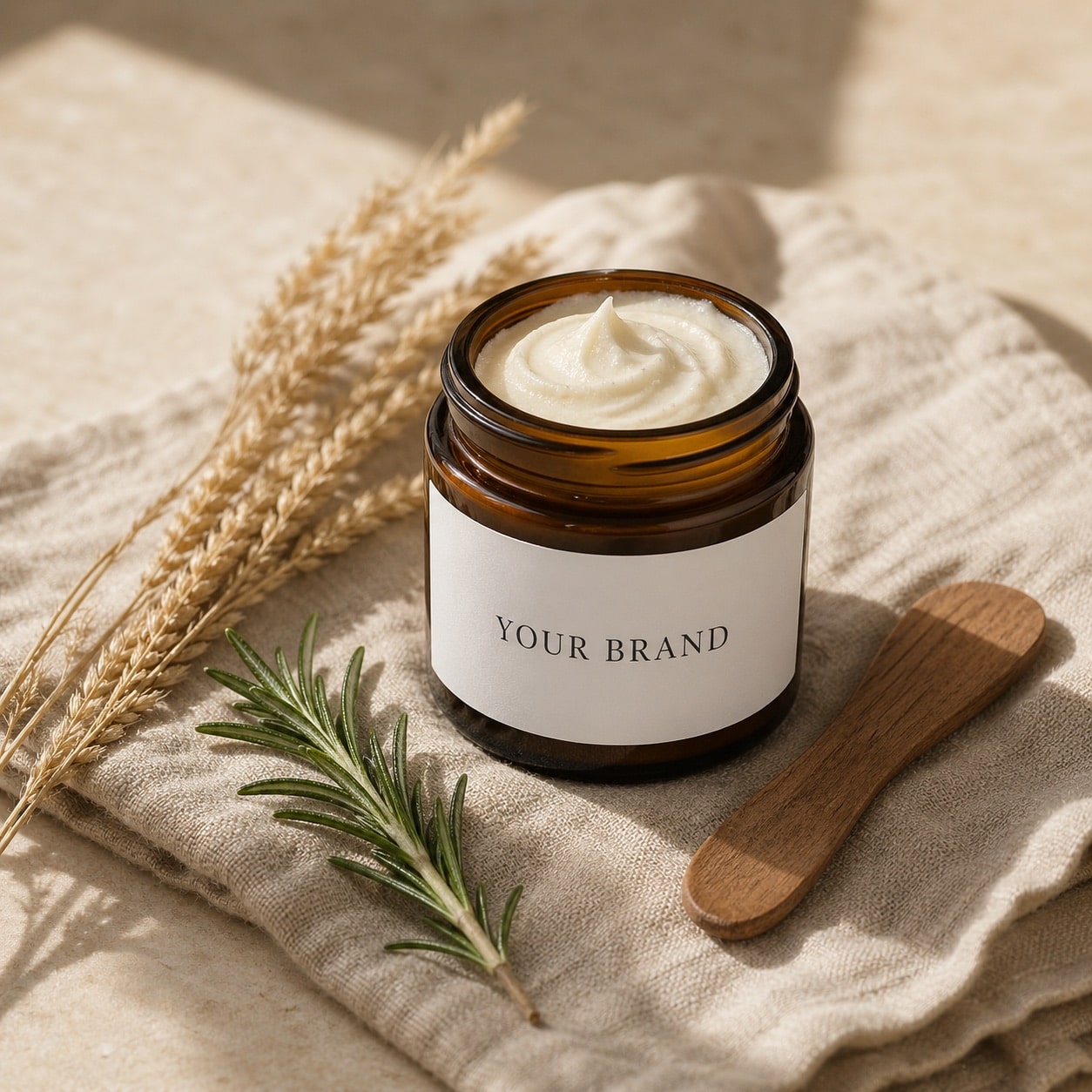
Private Label Beauty Products [2026 Guide]

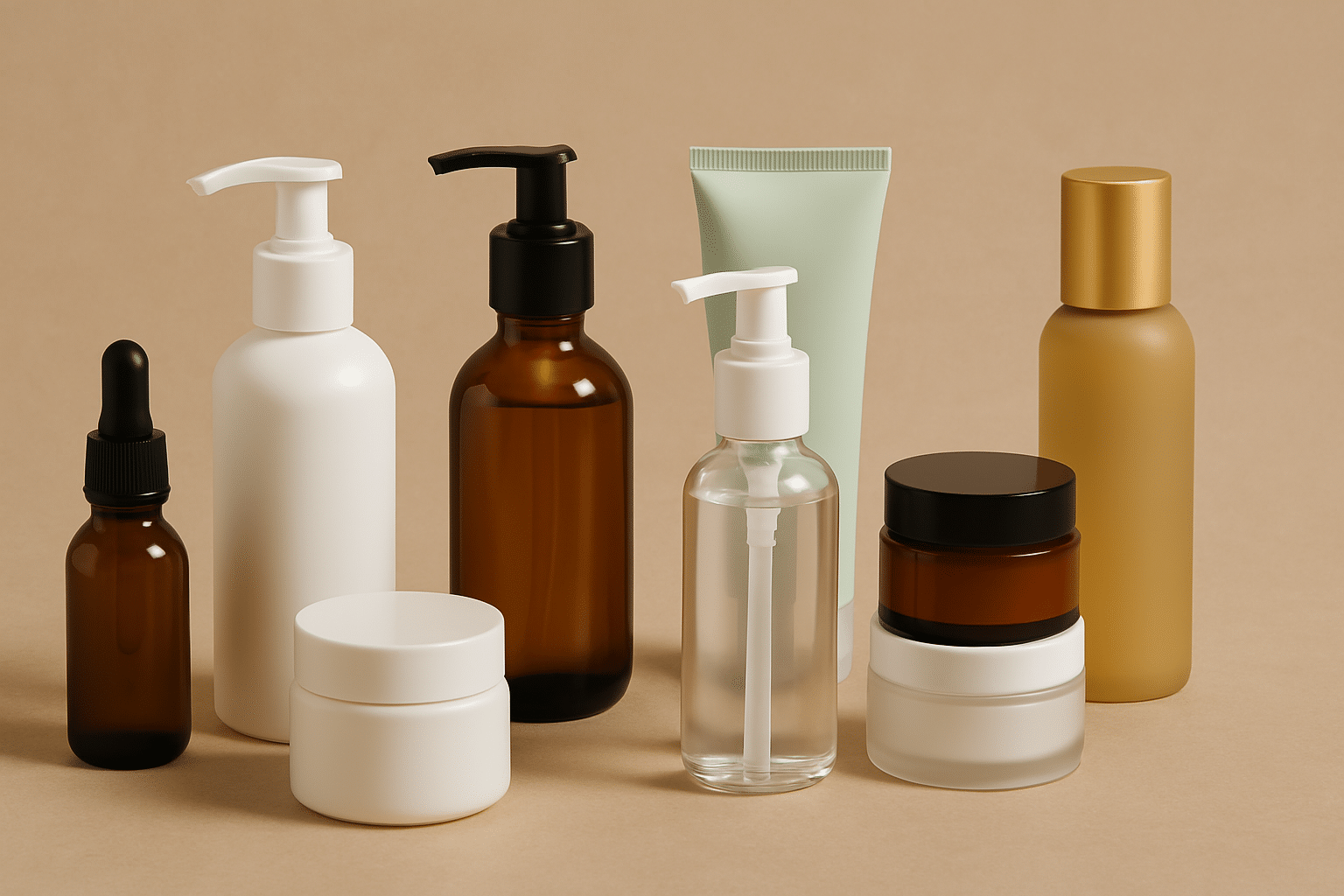
Key Takeaways:
- Private label beauty products now rival and often outperform traditional brands in quality and appeal.
- Consumers are drawn to affordability, clean ingredients, and authentic branding.
- Retailers and startups are capitalizing on the private label model to build stronger customer loyalty.
A Shift in Beauty Consumer Behavior
The beauty industry has changed a lot in recent years. Big-name brands and celebrity-backed products used to lead the market, but things are different now. The space is more open - and more competitive.
One of the biggest changes is the rise of private label beauty products. These used to be seen as cheaper, lower-quality options. But today, private label skincare and cosmetics are catching the eye of modern shoppers. With clean ingredients, attractive packaging, and affordable prices, they’re changing how people choose the beauty brands they trust.
So, what’s behind this growing consumer trust? And why are private label beauty brands outperforming expectations?
What are Private Label Beauty Products?
Private label beauty products are items made by a third-party manufacturer but sold under your own brand name. Instead of creating the formula or product from scratch, you choose from existing formulations offered by a manufacturer - and then customize elements like packaging, branding, scent, or texture to make it your own.
These products can include skincare (like serums and moisturizers), haircare (such as shampoos or masks), body care, cosmetics, and even wellness-related items like bath salts or aromatherapy sprays.
The key benefit is that you don’t need your own lab or factory. You focus on branding, marketing, and building your customer base, while the manufacturer takes care of production and often compliance.
Private label is a popular path for beauty startups, retailers, influencers, and even salons looking to launch or expand a product line - because it offers a faster, more affordable way to enter the market with professional-grade products.
Quality Has Caught Up (and Sometimes Surpassed)
Years ago, private label meant lower quality. But today’s best private label manufacturers use advanced formulations, high-end ingredients, and strict quality control processes - especially in regulated markets like the EU.
In many cases, the same contract manufacturers producing for well-known luxury brands are also producing private label products with identical or nearly identical formulas.
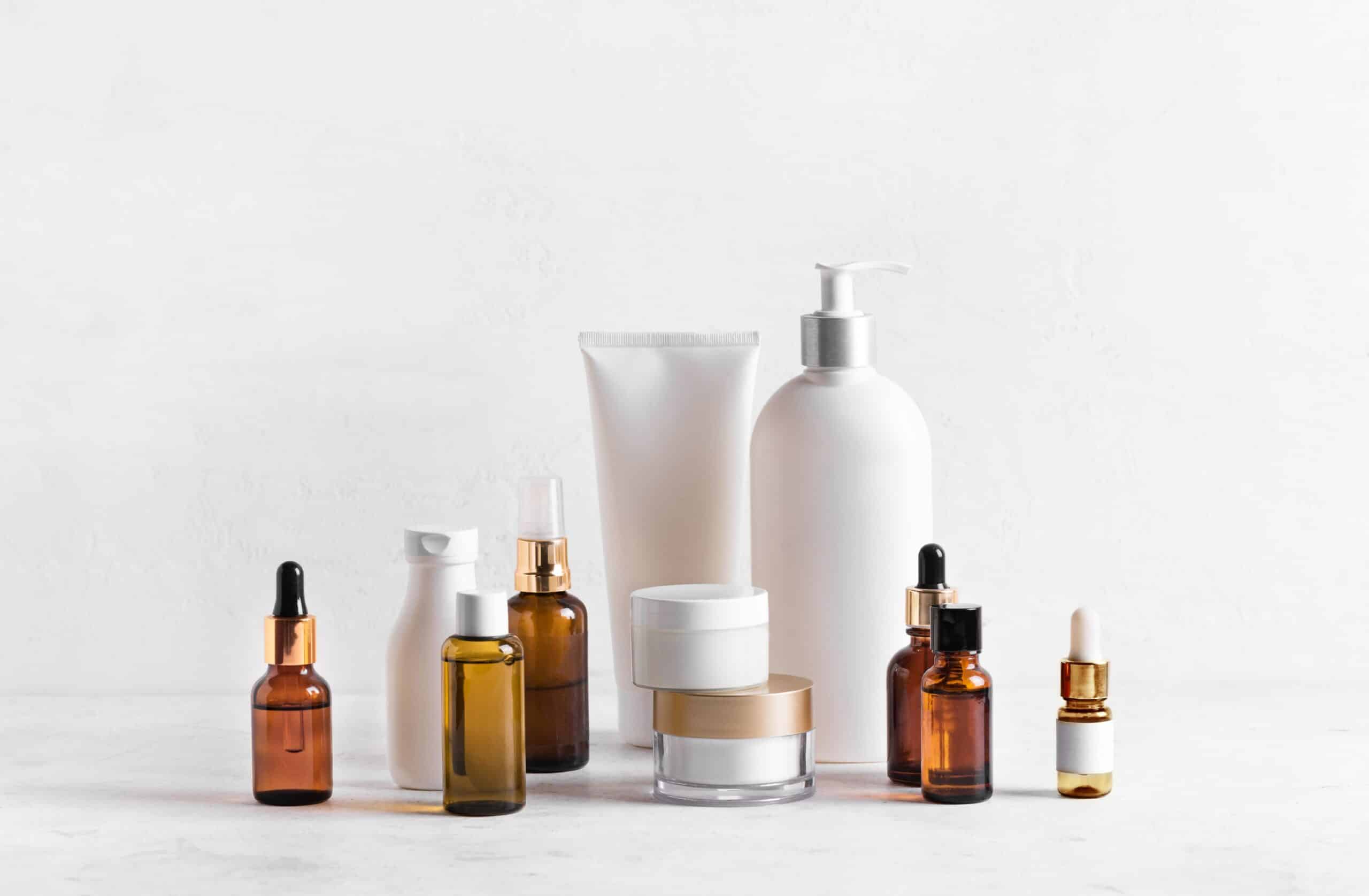
Private label cosmetics.
Customers are no longer settling - they’re discovering products that work just as well, or better, at a more reasonable price.
Customers Crave Transparency and Clean Ingredients
Today’s beauty shopper is more ingredient-conscious than ever. They’re reading labels, researching sourcing practices, and choosing products aligned with their values.
Private label brands, especially new or niche ones, are better positioned to respond to this demand. They often:
- Avoid harsh chemicals or known irritants
- Highlight key active ingredients (like hyaluronic acid or niacinamide)
- Follow vegan, cruelty-free, or organic guidelines
- Emphasize eco-friendly and sustainable packaging
With private label, there’s more flexibility to align with evolving consumer expectations - and build trust through transparency.
Value Without Compromise
Private label beauty products offer premium quality at accessible prices - a combination that’s hard to beat. Because these brands don’t spend heavily on celebrity partnerships, glossy ad campaigns, or retail markups, they can pass the savings on to the customer.
This appeals not just to budget-conscious shoppers, but to anyone who wants good value for their money. Even in the luxury space, consumers are more willing to try new, beautifully branded private label alternatives.
Branding Feels More Authentic and Relatable
One reason private label brands resonate so strongly is their authentic, niche-driven branding. These brands often speak directly to specific communities, concerns, or values - whether that’s skincare for sensitive skin, products tailored to men, or wellness-inspired formulations.
Smaller private label beauty brands tend to communicate with more personality, transparency, and purpose. And customers notice.
Compared to large corporations, these brands often feel more human - which fosters deeper emotional connections.
The Rise of Direct-to-Consumer (DTC) and E-commerce
DTC brands have helped normalize private label across industries - especially in beauty. With platforms like Shopify, TikTok, and Instagram, private label founders can launch quickly and create buzz without relying on traditional retail.
This shift has empowered independent beauty brands to:
- Test new products and iterate based on customer feedback
- Offer personalized experiences and subscriptions
- Share behind-the-scenes content that builds trust
- Launch fast in response to trends (e.g., adaptogens, probiotic skincare, solid shampoos)
For consumers, the experience feels more curated, more convenient - and often more meaningful.
Retailers Are Getting Smarter With Private Label
It’s not just independent brands seeing the value of private label. Major retailers - from drugstores to luxury chains - are building their own private label lines. But these aren’t generic or unbranded products anymore.
Retailers now design private label beauty lines with:
- Unique packaging
- High-quality formulations
- Exclusive shelf space and promotion
- Trend-driven ingredients
As a result, shoppers are increasingly choosing store-brand beauty products not because they’re cheaper, but because they’re better designed, more relevant, and often more innovative.
Benefits of Private Label Beauty Products
Private label beauty products offer a range of advantages for both new and established brands. As customers become more open to trying smaller or niche brands, private label gives you the flexibility and speed to meet their needs - without the heavy investment of building your own lab or product line from scratch.
Faster time to market
You can launch your brand quickly since the formulations already exist. This allows you to focus on branding, packaging, and marketing - rather than spending months in R&D.
Lower upfront costs
Compared to custom product development, private label usually requires a smaller investment. You don’t need to hire chemists, source raw materials, or develop unique formulations unless you want to. This lowers the barrier to entry, especially for startups.
Access to proven, high-quality products
Many private label manufacturers have years of experience and produce products for multiple brands. You benefit from their expertise and quality control systems - without having to build your own.
Room for customization
While the core formula may stay the same, many private label manufacturers offer ways to make the product feel unique — whether it’s through scent, texture, packaging design, or add-on ingredients. That way, your brand still stands out.
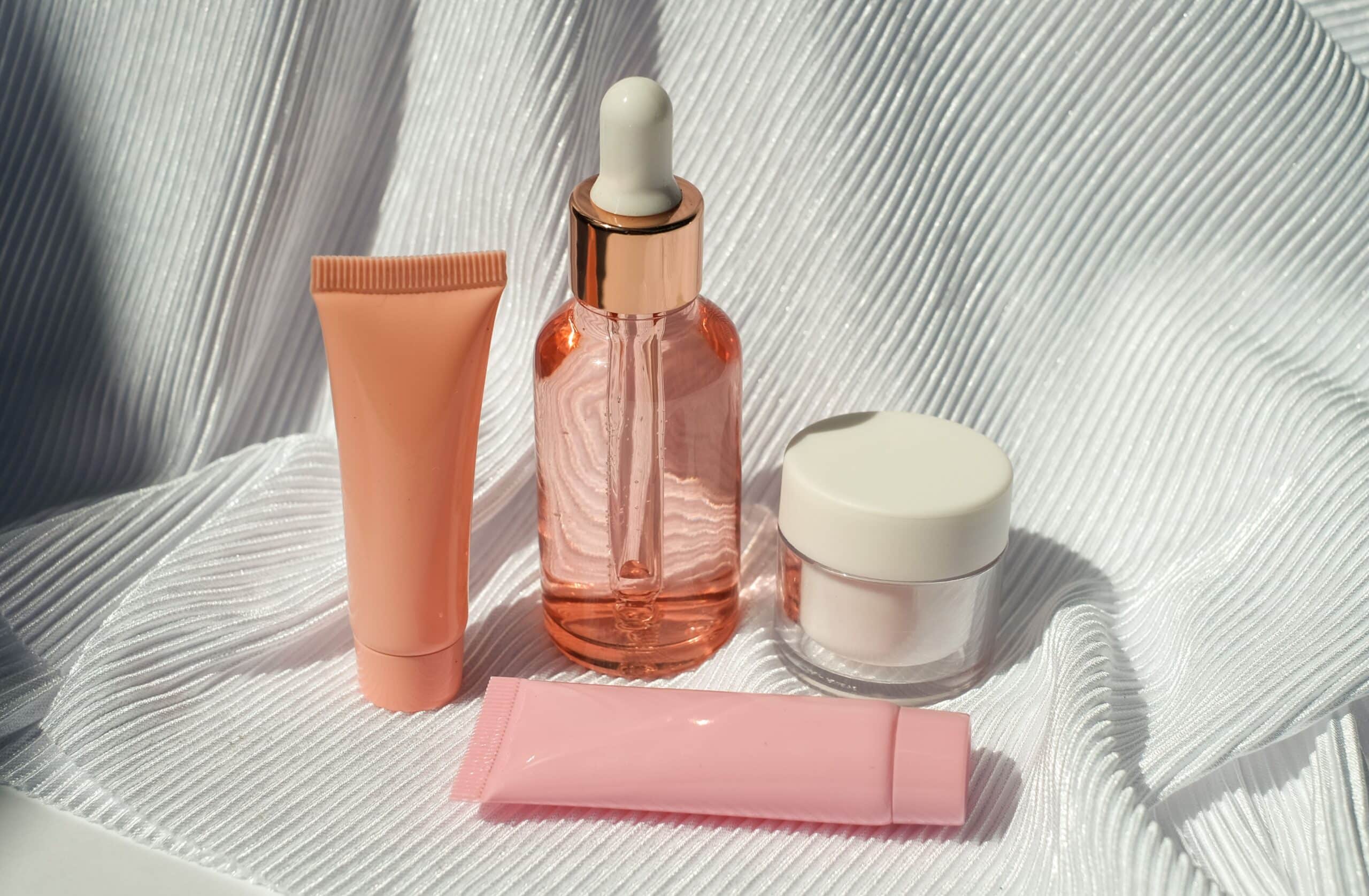
Customized private label beauty products.
Scalability
Once you’ve launched successfully, it’s easy to scale. Many private label partners can increase production volume, introduce new SKUs, or even offer new product categories based on your growth.
Focus on brand building
With manufacturing taken care of, you’re free to focus on what drives customer loyalty - branding, storytelling, marketing, and community-building. That’s where most modern beauty brands win today.
Opportunities in the Private Label Beauty Industry
The beauty market continues to grow rapidly - and private label brands are uniquely positioned to take advantage of new consumer trends, retail shifts, and product innovations. Whether you’re a startup, retailer, or creator, private label opens the door to several exciting opportunities.
Meeting Demand for Niche Products
Consumers are no longer satisfied with one-size-fits-all beauty. There’s growing demand for products that cater to specific skin types, concerns, lifestyles, or values - such as fragrance-free skincare, men’s grooming, or halal-certified cosmetics. Private label makes it easy to enter and test niche categories quickly.
Clean Beauty and Ingredient Transparency
More shoppers are choosing products with natural, vegan, cruelty-free, or “clean” ingredient lists. Private label manufacturers now offer ready-to-go formulas that align with these values, helping new brands stand out without having to develop everything from scratch.
E-commerce and Direct-to-Consumer Growth
With lower startup costs and fewer distribution barriers, private label beauty brands can launch online, build a loyal following, and scale through digital marketing. This model suits platforms like Shopify, Amazon, or TikTok Shop, where packaging and storytelling matter just as much as formulation.
White Space in Retail
Retailers are increasingly launching their own private label beauty lines to compete with national brands - but there’s still room for new entrants. Specialty stores, pharmacies, and wellness boutiques are looking for local, natural, or trend-forward products they can stock under house brands or exclusive labels.
Low-Risk Product Expansion
Established brands in other categories (like wellness or fashion) can expand into beauty with minimal risk by launching private label skincare, body care, or personal care items. This is a popular path for influencers, lifestyle brands, and gyms, who already have an audience and want to grow their offering.
Customization at Scale
As manufacturers become more flexible, private label products are becoming easier to personalize - from scents and actives to packaging and branding. This gives founders more creative freedom while still benefiting from fast, reliable production.
Final Thoughts: Why Private Label Beauty Will Keep Growing
Private label beauty is no longer a secret - it’s a competitive, credible, and often preferred option for consumers who value quality, transparency, and value. As more brands and retailers invest in premium private label strategies, customer loyalty is shifting with them. Whether you’re building a brand from scratch or looking to expand into beauty, private label offers a powerful path forward.
How Wonnda Can Help
At Wonnda, we make it easier for brands and retailers to launch successful private label beauty lines by connecting them with vetted manufacturers. Whether you're developing natural skincare, performance-driven haircare, or clean cosmetics, our platform gives you direct access to trusted suppliers - without middlemen or cold outreach.
You can browse verified manufacturers, request quotes and samples, compare product offerings and certifications, and manage your entire sourcing process in one place. With Wonnda, you save time, reduce risk, and stay in control of your product development - from first idea to final delivery.
Related articles
Best Clothing Manufacturers in Europe - 2026 Guide by Wonnda
10+ Best Beauty Manufacturers in the US (2026 List)

How to Find a Manufacturer for Your Product (2026 Guide)

European Suppliers: How to find the best EU suppliers in 2026

10 Best European Sourcing Agencies To Find Suppliers & Launch Your Product
How to Start a Premium Private Label Cookware Brand: The Complete Guide
5+ Best Private Label Nonstick Cookware Manufacturers
5+ Best Private Label Cookware Manufacturers in the USA (2026)