
Best private label body care manufacturers
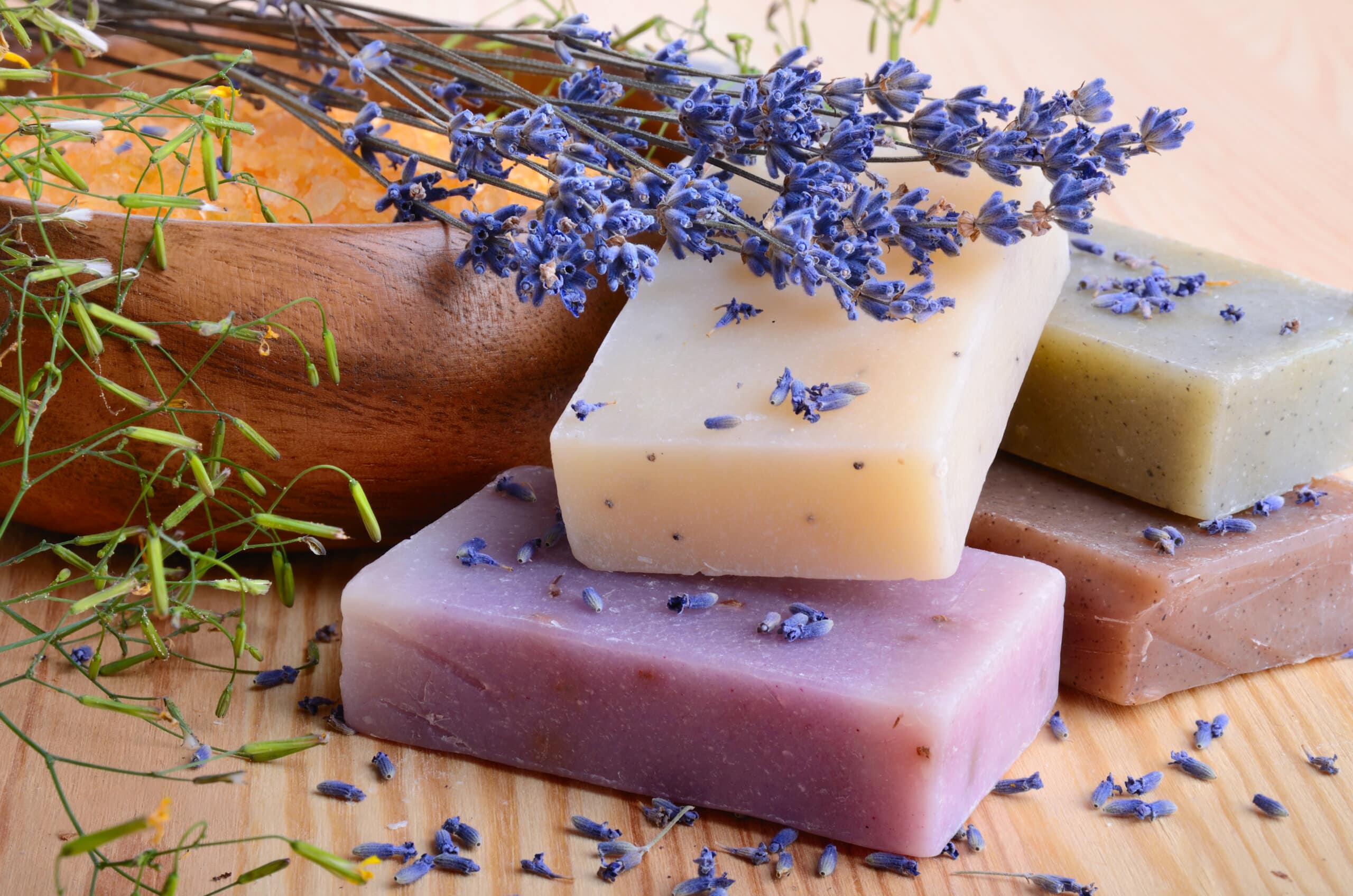
Wonnda connects brands with private label body care manufacturers. This category focuses on formats like body lotions, washes, scrubs, and butters, typically in sizes ranging from 200 to 500 ml. Key sourcing considerations include formulation feel and performance, as these products are used liberally over large body areas. Manufacturers often hold certifications such as ISO 22716, ensuring good manufacturing practices. Lead times can vary based on formulation complexity and order volume.
- Vetted suppliers
- 20,000+
- Brands & buyers
- 25,000+
- EU-made
- 80%
8+ Top private label body care manufacturers
Wonnda works with the best private label body care manufacturers. Here is a list of trusted suppliers from our network.
- Featured
 Contract ManufacturingPrivate Label
ISO 22716 cosmetics contract manufacturer with in-house R&D lab in Poland
- Country
- Poland
- MOQ
- From 1,000 units for most creams, lotions, shampoos and toners; 3,000 units for perfumes; about 10,000 units for lip balms.
- Lead time
- 3-6 months new formula; 4-8 weeks repeat
 Private LabelContract Manufacturing
Germany-based manufacturer producing dietary supplements, natural cosmetics, hybrid cosmetics, available to brands sourcing body care.
- Country
- Germany
- MOQ
- Lead time
 Private LabelContract Manufacturing
Netherlands-based manufacturer producing private-label skincare products, private-label haircare products, private-label personal care products, available to brands sourcing body care.
- Country
- Netherlands
- MOQ
- Lead time
 Private LabelContract Manufacturing
Europe-based manufacturer producing lotions, serums, moisturizers, available to brands sourcing body care.
- Country
- -
- MOQ
- Lead time
 Private LabelContract Manufacturing
Europe-based manufacturer producing eyebrow tints, facial creams, serums, available to brands sourcing body care.
- Country
- -
- MOQ
- Lead time
 Private LabelContract Manufacturing
USA-based manufacturer producing dietary supplements, pet supplements, pet grooming products, available to brands sourcing body care.
- Country
- USA
- MOQ
- Lead time
 Private LabelContract Manufacturing
Slovenia-based manufacturer producing full-spectrum cbd oil, cbd extracts (bulk ingredients), cbd skincare topicals, available to brands sourcing body care.
- Country
- Slovenia
- MOQ
- Lead time
 Private LabelContract Manufacturing
Europe-based manufacturer producing lipsticks, face masks, perfumes, available to brands sourcing body care.
- Country
- -
- MOQ
- Lead time
Compare MOQs and lead times
Quick side-by-side of the shortlist. Missing values shown as a dash.
| Supplier | Location | Types | MOQ | Lead time |
|---|---|---|---|---|
| Cosmetics Laboratories | Poland | CM · PL | From 1,000 units for most creams, lotions, shampoos and toners; 3,000 units for perfumes; about 10,000 units for lip balms. | 3-6 months new formula; 4-8 weeks repeat |
| Azba Cosmetics | Germany | PL · CM | ||
| Vitalforce Cosmetics | Netherlands | PL · CM | ||
| Pravada | - | PL · CM | ||
| Delia Cosmetics | - | PL · CM | ||
| GP Labs | USA | PL · CM | ||
| Essentia Pura d.o.o. | Slovenia | PL · CM | ||
| Global cosmetics | - | PL · CM |
Buyer criteria
- Spreadability and feel at large scale
Body care is applied over a large area, so lotions and butters must spread easily and absorb without heavy grease, and washes must lather and rinse cleanly. Test the feel and spread of production-representative samples, since a product that drags, sits greasy or rinses poorly will be judged immediately. Feel over a large area is the core sensory test for the category.
- Scent development capability
Fragrance is a primary purchase and reorder driver in body care, so evaluate the manufacturer on scent development and consistency across the range and across batches. Test the fragrance in the actual base, since scent can shift in different formulations. A coherent, appealing scent that holds batch to batch is central to body care's appeal and to repeat purchase.
- Economical, stable formulation at volume
Because body care uses large fill sizes and generous application, the formula must perform while staying cost-effective at the 200 to 500 ml scale. Confirm the manufacturer can deliver a stable, good-feeling product at a viable cost, since over-engineering a body lotion with facial-grade actives prices it out, while cutting too far undermines the feel that drives reorder.
- Emulsion or surfactant stability in large packs
Larger packs make any instability more visible and wasteful, so require stability data for the actual format. A lotion that separates in a 400 ml bottle or a wash that thins is obvious to the consumer. Confirm the emulsion or surfactant system holds across temperature and shelf life in the large pack before committing to a production fill.
- ISO 22716 GMP and CPNP support
Require cosmetics GMP (ISO 22716) and confirm the scope covers both rinse-off and leave-on body products. For the EU, the house should support CPNP notification and the product information file with safety assessment. For water-based products require challenge-test data, since body care is used generously and frequently and preservation must hold across the large pack.
Red flags
- Greasy or poorly spreading samples
If a body lotion or butter drags, sits greasy or fails to absorb over a large area, or a wash lathers and rinses poorly, the product will be rejected in use regardless of the ingredient list. Feel over a large surface is the core sensory test for body care, so a manufacturer that cannot deliver an acceptable spread-and-absorb profile has not met the category's basic requirement.
- Weak or inconsistent scent
Since fragrance drives body care purchase and reorder, a manufacturer that cannot develop an appealing scent or hold it consistently across the range and across batches undermines the product's core appeal. A scent that is flat, or that drifts from batch to batch in a large-volume product, is immediately noticeable and erodes the repeat purchase the category depends on.
- Over-engineered, mispriced formula
A body lotion loaded with facial-grade actives at facial concentrations is priced out of a category that competes on cost-per-use over a large area. A manufacturer that cannot right-size the formula to body care economics, delivering good feel at a viable cost in large packs, produces a product that either loses money or prices itself off the shelf.
- Instability visible in large packs
A lotion that separates or a wash that thins in a 300 or 400 ml pack is far more visible and wasteful than in a small facial size. A manufacturer that provides no stability data for the actual large format is exposing you to obvious product failures that consumers see clearly in a big bottle, which is both a quality and a waste problem.
Manufacturing process
- 01
Product family and format selection
The brand chooses between rinse-off products (shower gel, wash, scrub) and leave-on products (lotion, butter, oil), each with its own formulation logic and line. The pack size, typically 200 to 500 ml for body care, is set here, since the large format shapes both the cost and the packaging the product will need.
- 02
Base and texture formulation
Rinse-off products are built as foaming surfactant systems and leave-on products as moisturizing emulsions or anhydrous blends, with the texture tuned for easy spreading over a large area. Scrubs add a physical exfoliant. The base is formulated to feel good and perform while remaining economical at the generous use rates body care involves.
- 03
Fragrance and active integration
A scent is developed or selected, central to body care purchase decisions, and any actives such as shea, oils or soothing ingredients are added at levels suited to the body and the price point. The fragrance is tested in the base for stability and skin compatibility, since scent runs across the range and drives reorder.
- 04
Compounding and processing
Surfactant bases are compounded and pH-adjusted for rinse-off products, emulsions are made with heated phases and controlled shear for lotions and butters, and oils are blended. The bulk is processed to a uniform, stable product of the target viscosity and tested for pH, viscosity and appearance before filling.
- 05
Preservation and stability testing
Water-based products receive a preservative system and are challenge-tested and stability-tested, while anhydrous oils get antioxidants. Stability across temperature is confirmed for the large-format pack, since a separated lotion or a destabilized wash in a big bottle is both visible and wasteful for the consumer.
- 06
Filling, QC and packing
Products are filled into the larger bottles, tubes, pumps or jars body care uses, sealed and lot-coded, with continuous fill-weight checks given the bigger volumes. Final QC confirms fill, viscosity, pH, microbiology, fragrance and appearance, and certificates of analysis document each batch with traceability to the bulk.
Understanding body care private-label manufacturing
Product Overview
Body care encompasses high-volume, large-format personal care items such as lotions, butters, shower gels, body washes, scrubs, exfoliants, and body oils. These products are applied over large surface areas and are typically sold in larger sizes (200 to 500 ml) than facial products.
For private label brands, body care largely competes on cost-per-use and scent. Formulations must provide a good feel and performance while remaining economical to produce.
The category includes two main formulation families:
- Rinse-off products (shower gels, body washes, scrubs) are surfactant systems designed for foam, cleansing, and pleasant rinsing. Scrubs incorporate physical or sugar-and-salt exfoliants.
- Leave-on products (lotions, butters, oils) are emulsions or anhydrous blends that moisturize large areas with easily spreadable textures and absorb without excessive greasiness.
Body care emphasizes generous moisturization, satisfying scents, and good spreadability rather than highly concentrated actives, as body skin is less sensitive than facial skin. Scent is a primary purchasing driver across the category.
Manufacturing Geography and Certifications
European body care contract manufacturing is extensive and primarily clusters in:
- Germany
- Italy
- Poland
- France
- The UK
These large personal-care houses are equipped for volume filling of bottles, tubes, and jars. Production adheres to ISO 22716 cosmetics GMP.
MOQs and Lead Times
Minimum Order Quantities (MOQs) for custom body care formulas generally start at 3,000 to 10,000 units per SKU. Larger pack sizes and bottle or tube artwork influence the minimum order quantity. Relabels of stock bases may have lower MOQs.
Lead times for custom formulas range from 8 to 14 weeks. Relabeling existing formulas can be done more quickly.
Cost Drivers and Target Market
Cost is primarily driven by the base and active system; for example, a rich shea body butter or a scrub with a quality exfoliant will cost more than a basic lotion or gel. Fragrance is a significant and recurring cost due to the volumes involved. Packaging, such as larger bottles, pumps, or jars, also contributes substantially. Filling costs are a final factor. Due to large pack sizes, packaging and fill volume heavily influence unit cost.
Target buyers include body-care and bath D2C brands, retailer private-label ranges (where body care is a staple), spa and gifting lines, and natural and wellness brands. These products are sold through grocery stores, pharmacies, webshops, and beauty retail.
When qualifying a manufacturing partner, factors such as spreadability and feel, scent development, and stable, economical formulation at volume are more critical than the lowest unit price.
Frequently asked questions
How is body care formulated differently from facial skincare?+
Why does scent matter so much in body care?+
What MOQ and pack sizes are typical for private label body care?+
Can one manufacturer make my body wash, lotion and scrub?+
What makes a body scrub different to formulate from a body wash?+
Why does product stability matter more in large body care packs?+
Explore adjacent product types
Get a vetted shortlist of body care suppliers in 48 hours.
Post a brief on Wonnda. Free, no commitment. We match you with vetted manufacturers that fit your MOQ, format and market.