How to Create a Private Label Supplement Line: A Complete Guide

Key takeaways:
- Private label supplements allow you to sell high-quality products under your brand without manufacturing them yourself. Choosing the right manufacturer is crucial for product quality and compliance.
- Branding, packaging, and marketing are just as important as the supplement itself. A strong online presence and effective sales strategy will drive success.
- The supplement industry is competitive, but niches like sports nutrition, beauty, and cognitive health offer great opportunities. Researching trends and understanding your target audience is key to standing out.
The global dietary supplement industry is booming, with increasing consumer demand for health and wellness products. Launching a private label supplement line is an excellent opportunity for entrepreneurs looking to enter this market without the high costs of manufacturing. This guide will walk you through every step of the process, from market research to launching your brand successfully.
What is a Private Label Supplement?
A private label supplement is a product manufactured by private label supplement manufacturers but sold under your own brand name. Unlike white label supplements, which are generic products multiple brands can sell with different labels, private label supplements allow for custom formulations, branding, and exclusive control over the product. This model is ideal for businesses that want to build a unique supplement brand with control over product quality and differentiation.
Steps on Creating Your Private Label Supplement Line
Building a private label supplement brand requires a strategic approach, from selecting the right niche to marketing and distribution. Whether you want to launch sports nutrition, beauty supplements, or wellness products, following a structured process ensures success. Below are the key steps to help you bring your supplement line to market effectively.
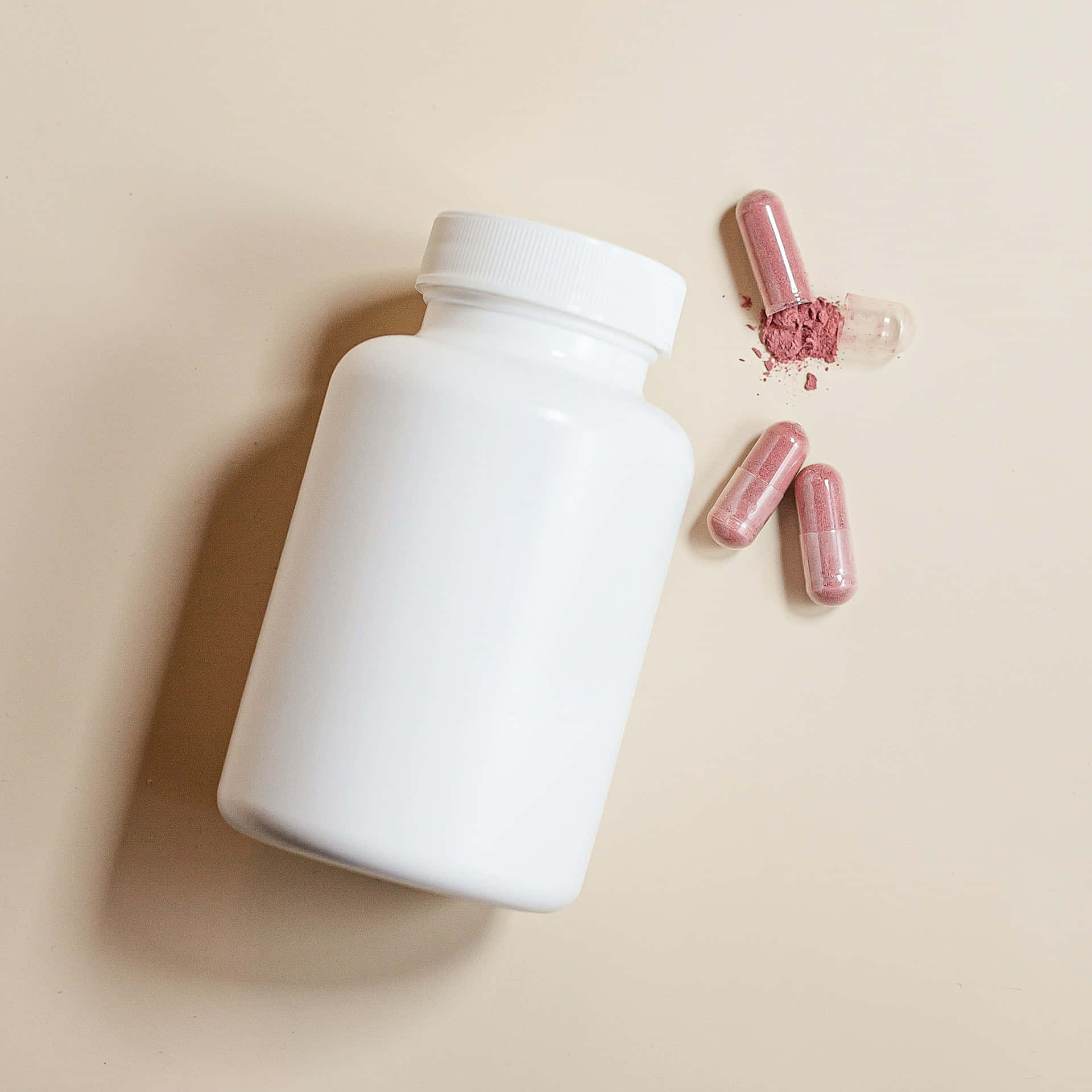
Private label collagen supplement
Step 1: Conduct Market Research and Identify Your Niche
Before creating your supplement line, you need to identify who your target audience is and what kind of supplements they are looking for. Some of the fastest-growing supplement niches include:
- Sports Nutrition (protein powders, BCAAs, pre-workouts)
- Weight Management (fat burners, appetite suppressants)
- Cognitive Health (nootropics, brain-boosting supplements)
- Gut Health & Digestion (probiotics, digestive enzymes)
- Immunity Support (vitamins, herbal immunity boosters)
- Beauty & Anti-Aging (collagen, biotin, skin health supplements)
- Natural & Herbal Supplements (ashwagandha, mushroom blends, adaptogens)
Conduct research on consumer trends, competitors, and market demand to ensure your product will stand out in the crowded supplement industry.
Step 2: Choose a Reputable Private Label Supplement Manufacturer
Selecting the right manufacturing partner is crucial for product quality and compliance. Look for manufacturers that are GMP-certified and FDA-registered, as well as those offering third-party lab testing for quality assurance. Consider factors such as ingredient sourcing, customization options, minimum order quantities, and packaging services. Some manufacturers provide stock formulas, while others allow you to develop unique formulations tailored to your brand.
Step 3: Develop Your Supplement Formula & Product Line
Once you’ve selected a manufacturer, it's time to create your product formulation. You can choose from stock formulas (pre-made formulations) or work with the manufacturer to create a custom formula tailored to your brand.
- Decide on Key Ingredients – Choose scientifically backed ingredients that provide the benefits your target market seeks.
- Select the Supplement Type – Capsules, softgels, powders, tablets, or gummies? Each has different consumer appeal.
- Ensure Compliance – Follow FDA guidelines for supplement facts, ingredient transparency, and health claims.
- Test for Quality & Efficacy – Work with manufacturers that conduct third-party lab testing for purity and potency.
Step 4: Design Your Branding, Packaging & Labeling
Your brand identity plays a major role in attracting customers. Create a strong visual presence with a memorable logo, eye-catching packaging, and clear messaging. Your packaging should highlight key benefits, ingredients, and certifications while complying with FDA labeling regulations. Many brands are also adopting sustainable packaging to appeal to environmentally conscious consumers.
Step 5: Set Up Logistics, Fulfillment & Distribution
Decide how you will store and ship your products. You can self-fulfill orders, use third-party logistics (3PL) providers, or opt for a dropshipping model where the manufacturer ships directly to customers. Each option has its pros and cons depending on your budget and business model. Pricing your supplements correctly is also essential - consider production costs, shipping fees, and profit margins when determining retail prices.
Step 6: Build Your Website & Sales Channels
A well-designed e-commerce website is crucial for selling your private label supplements online. Use platforms like Shopify, WooCommerce, or BigCommerce to set up an online store.
Additional sales channels include:
- Amazon FBA – Selling on Amazon can help reach a wider audience, but competition is high.
- Retail & Wholesale – Distribute your supplements to local health stores, gyms, and wellness centers.
- Subscription Model – Offer monthly supplement subscriptions to increase customer retention.
Step 7: Market Your Private Label Supplement Brand
To generate sales, you need a strong marketing strategy. Here are the most effective marketing tactics:
- SEO & Content Marketing – Write blog posts, guides, and product descriptions optimized for search engines.
- Social Media & Influencers – Use Instagram, TikTok, and YouTube to promote your supplements with influencers.
- Paid Ads – Run Facebook, Google, and Instagram ads to target health-conscious consumers.
- Email Marketing – Build an email list for promotions, product launches, and customer retention.
- Affiliate Marketing – Work with bloggers and fitness experts to promote your brand for commissions.
Step 8: Launch & Scale Your Supplement Business
When launching your private label supplement line, focus on brand awareness and customer engagement. Offer limited-time promotions, giveaways, and influencer collaborations to attract buyers. Monitor customer feedback and sales data to improve your products and expand your supplement range. Scaling your business may involve adding new product variations, expanding into retail, or partnering with global distributors.

Happy consumer of private label magnesium
Conclusion
Creating a private label supplement line is an exciting business opportunity, but success requires careful planning, high-quality manufacturing, and strategic marketing. By following these steps - from choosing the right manufacturer to branding, fulfillment, and marketing - you can build a profitable supplement brand that stands out in the competitive health and wellness market.
Related articles

Best Clothing Manufacturers in Europe - 2026 Guide by Wonnda
10+ Best Beauty Manufacturers in the US (2026 List)

How to Find a Manufacturer for Your Product (2026 Guide)

European Suppliers: How to find the best EU suppliers in 2026

10 Best European Sourcing Agencies To Find Suppliers & Launch Your Product
How to Start a Premium Private Label Cookware Brand: The Complete Guide
5+ Best Private Label Nonstick Cookware Manufacturers
5+ Best Private Label Cookware Manufacturers in the USA (2026)