The Power of Ingredient Transparency in Beauty Marketing

Key Takeaways:
- Ingredient transparency builds trust and loyalty - Clear, honest communication about what’s inside your beauty products helps customers feel informed and confident in their purchase decisions.
- Simple ingredient storytelling improves customer engagement - Explaining key ingredients and their benefits in plain language makes your brand relatable and sets you apart from competitors.
- Transparency is a strategic marketing tool, not just compliance - Highlighting your formulation choices across packaging, websites, and social media can strengthen your brand identity and create lasting customer relationships.
As the beauty industry becomes more competitive and consumers more informed ingredient transparency is no longer optional. Today’s shoppers want to know exactly what they’re putting on their skin, where those ingredients come from, and why they matter. For emerging brands and private label founders alike, embracing ingredient transparency isn’t just a way to build trust, it’s a marketing advantage that can drive sales, loyalty, and long-term growth.
Why Ingredient Transparency Matters
Modern beauty consumers read labels. Whether they’re scanning for allergens, avoiding synthetics, or searching for clean, natural actives, they want information and they expect it to be easy to find and understand. Transparency creates trust.
When brands clearly list their ingredients, explain their purpose, and avoid misleading claims, they create a sense of honesty that customers remember. For Gen Z and Millennial shoppers especially, transparency signals authenticity and accountability.
Beyond building trust, transparency can also improve conversions. Clear ingredient storytelling helps educate customers on product benefits, sets accurate expectations, and reduces purchase hesitation. In a world of overhyped claims and greenwashing, straightforward communication sets you apart.
What Ingredient Transparency Really Means
Ingredient transparency goes beyond listing your INCI (International Nomenclature of Cosmetic Ingredients) names. It means:
- Explaining what each key ingredient does in plain language
- Disclosing concentrations or ingredient sourcing when possible
- Avoiding vague or misleading claims like “chemical-free” or “100% natural”
- Sharing how ingredients are tested, processed, or preserved
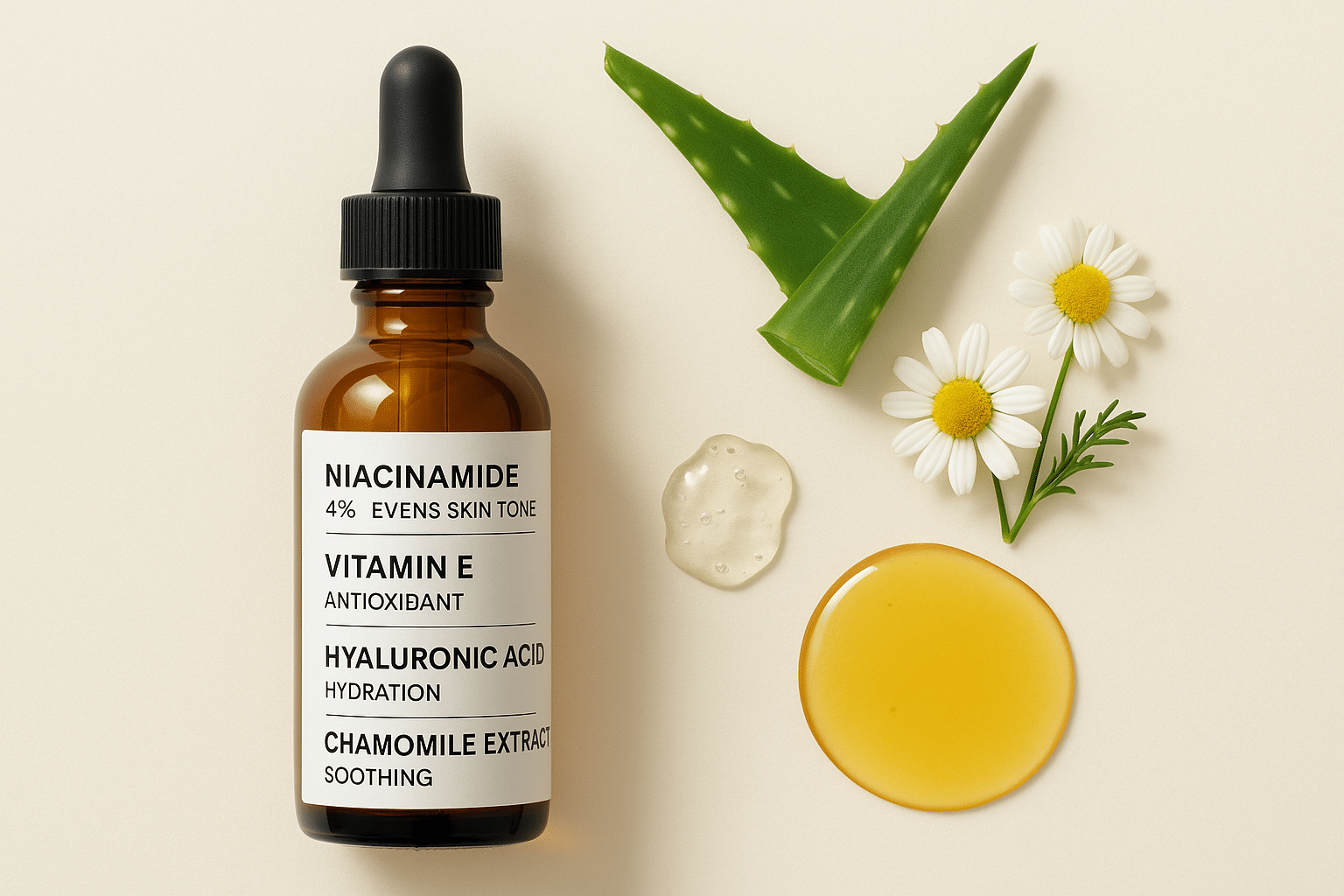
For example, instead of simply listing niacinamide, a transparent brand might write:
“Niacinamide (Vitamin B3): Helps reduce redness, refine pores, and improve skin texture.”
It’s not about overwhelming your customer with science, it’s about making the science easy to understand.
What Consumers Are Looking For
Ingredient-savvy consumers are especially drawn to:
- Clean label formulations: Free from parabens, sulfates, synthetic fragrance, and other flagged ingredients
- Functional actives: Like hyaluronic acid, retinol, peptides, or AHAs
- Botanical or natural ingredients: Aloe vera, green tea, calendula, rosehip oil
- Ethically sourced components: Fair trade shea butter, sustainably harvested algae, cruelty-free claims
- Simple, readable labels: No jargon, clear benefits, and visible proof of efficacy
They also want reassurance that your product is safe, effective, and backed by some form of testing or research, even if it’s small-scale or supported by existing ingredient studies.
How to Communicate Ingredient Transparency
Ingredient transparency isn’t just about listing what's in your product, it’s about helping your audience truly understand the “why” behind each ingredient. When done well, this approach strengthens trust, enhances your marketing efforts, and builds a loyal, informed customer base. Here’s how to communicate ingredient transparency effectively across your brand touchpoints:
On Your Packaging
Your packaging is often the first place a customer will look for information, so make it count. Beyond the required INCI list, highlight the key ingredients and their specific benefits in plain, easy-to-read language. Instead of relying on broad claims like “hydrating” or “soothing,” explain how your hero ingredients deliver those results.
For example: “With hyaluronic acid to deeply hydrate and plump the skin.”
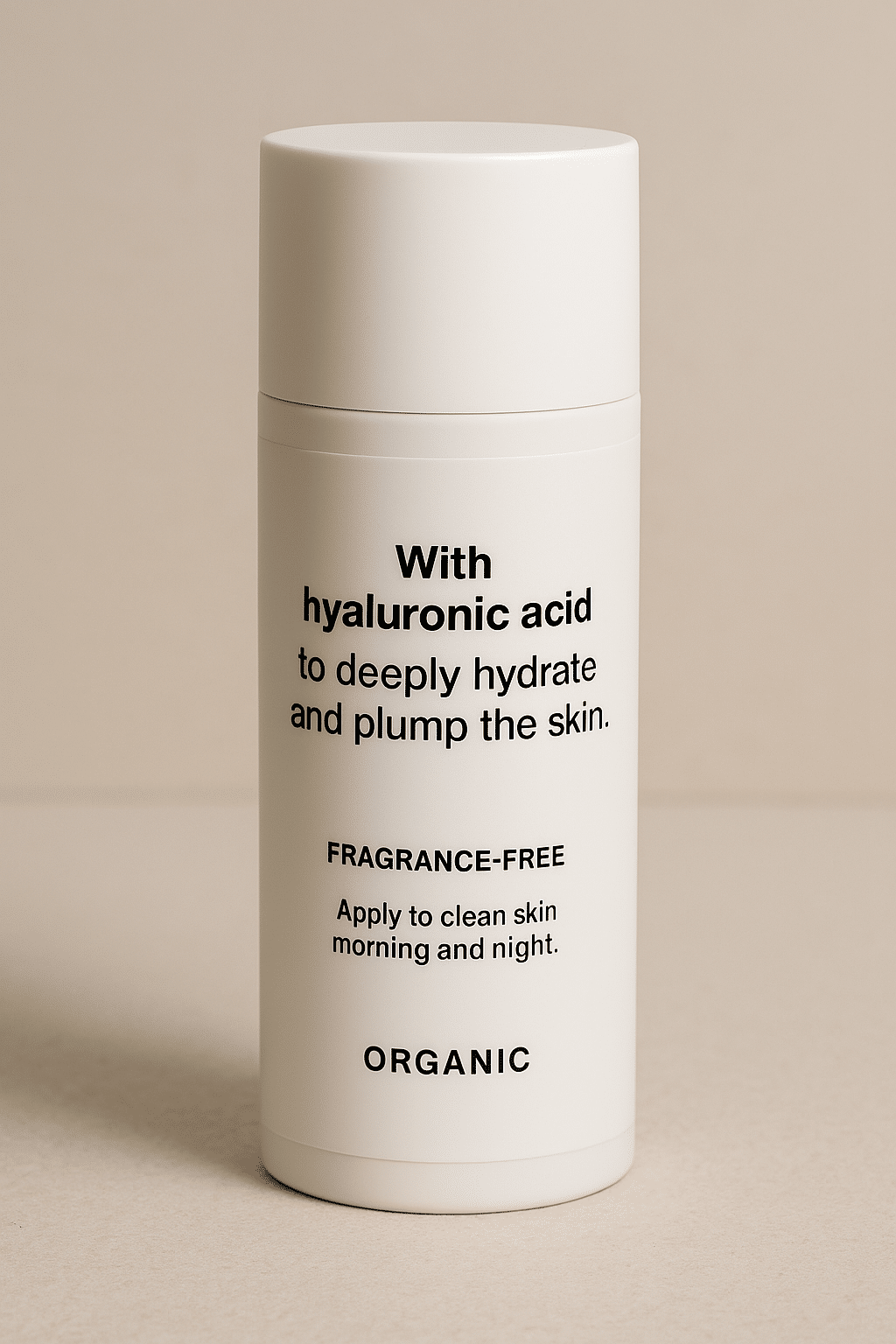
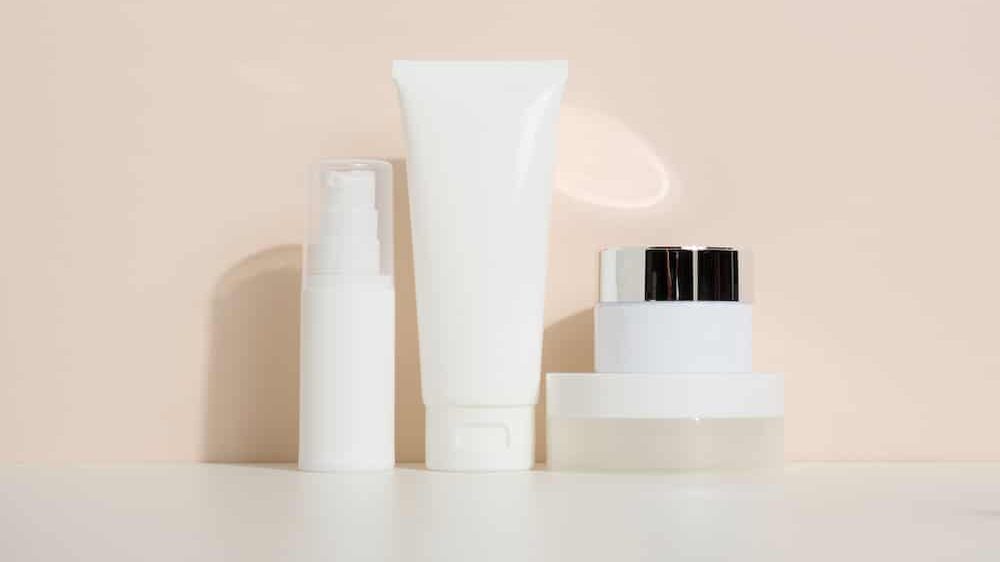
Transparent packaging.
Make sure to include any necessary allergen warnings, clear usage instructions, and storage tips. If your product includes certifications like organic, vegan, or cruelty-free, display these badges clearly, but only if they’re verified.
On Your Product Pages
Online shopping removes the in-person experience, so your product descriptions need to work harder. Add an “ingredient spotlight” section where you list key actives along with a short explanation of what they do.
You can also group ingredients by function:
- For hydration
- For calming redness
- For exfoliation and brightening
This not only educates your customer but also makes your product benefits more tangible and easy to understand.
On Social Media
Social platforms are the perfect space for bite-sized ingredient education. Share posts, reels, or stories that break down one ingredient at a time: what it is, where it comes from, and why it’s effective.
For example: "Why we love Niacinamide: It helps reduce redness, balance oil, and smooth skin tone."
Use infographics, simple animations, or ingredient-focused series to keep your audience engaged. Behind-the-scenes content about your formulation process or sourcing story can also boost credibility and show your commitment to transparency.
In Your Email Campaigns
Turn your email list into an educational space by offering valuable content like ingredient deep dives, FAQs about actives, or “myth vs. fact” segments.
Subject line examples: “What’s really inside our hydrating serum?”, “3 reasons we chose squalane (and why your skin will thank you)”
These types of emails not only nurture your relationship with customers but also position your brand as a reliable source of honest skincare advice.
On Your Blog or Website
Use longer-form content to educate your audience about ingredient science, sourcing ethics, or formulation choices. Blog articles like:
“Why we use cold-pressed rosehip oil (and what it does for your skin)”
“Understanding retinol: benefits, side effects, and how to use it safely”
This kind of content is not only helpful for your readers but also improves your SEO, bringing more organic traffic from people actively searching for ingredient-related questions. It reinforces your brand’s expertise and commitment to transparency.
By weaving ingredient education into every part of your brand communication, you make it easier for your audience to understand and trust your products, turning transparency into one of your strongest marketing tools.
Ingredient Transparency in Private Label
If you’re working with a private label manufacturer, ask upfront about:
- Full ingredient lists with INCI names
- Ingredient origin (e.g., organic, natural, lab-synthesized)
- Testing or safety data available for key actives
- Claims they can support legally (hydration, soothing, etc.)
- Packaging templates with space for ingredient callouts
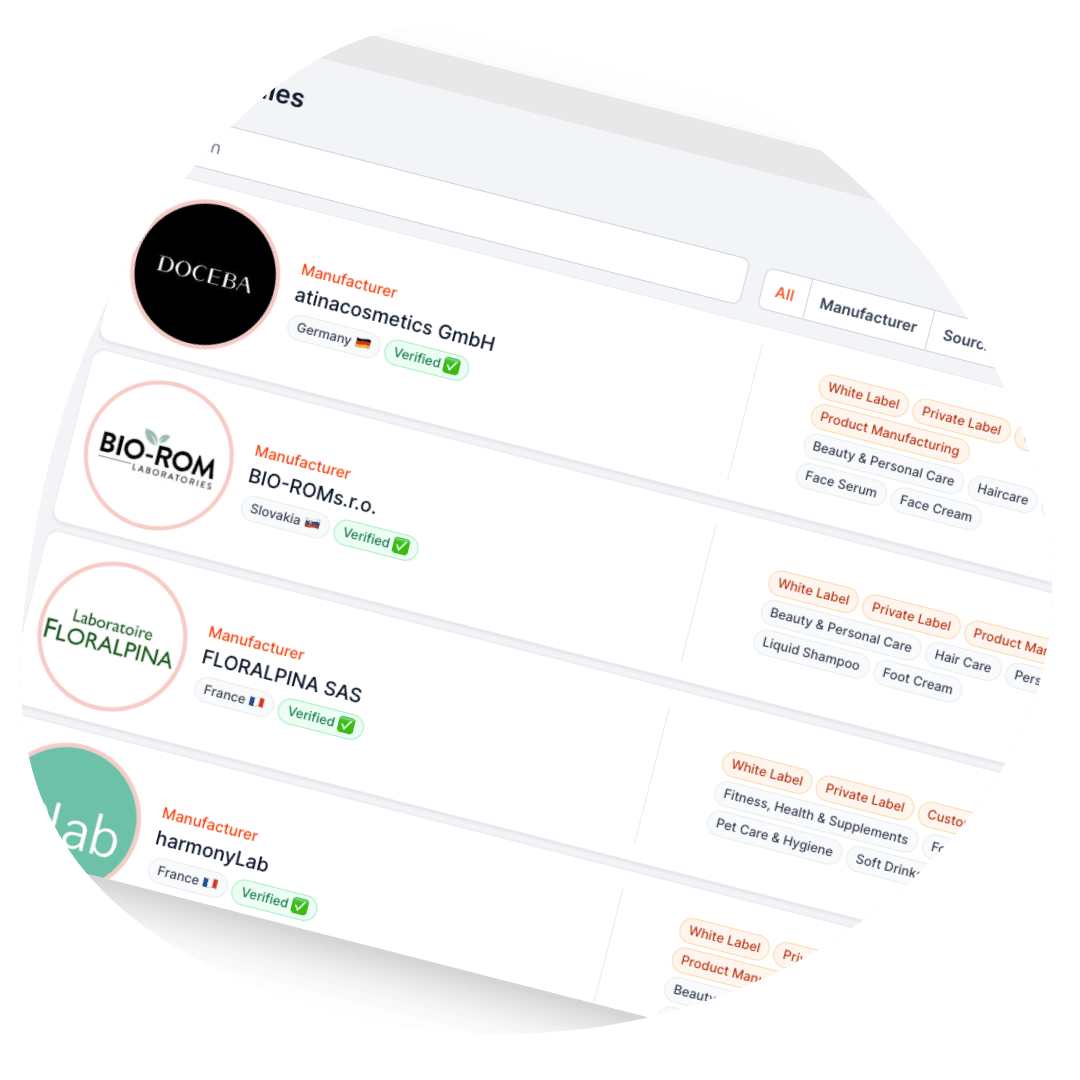
Platforms like Wonnda make this process easier. You can filter suppliers by clean-label standards, certifications (vegan, cruelty-free, organic), and even specific ingredients. Plus, Wonnda gives you tools to request full ingredient documentation, COAs (certificates of analysis), and product samples so you can verify transparency before launching your product.
Transparency as a Marketing Strategy
In today’s beauty market, transparency isn’t just about ticking boxes for compliance, it’s one of the most powerful tools you have to build trust and stand out. Consumers are more informed and curious than ever before. They aren’t just asking what is in your product; they want to know why it’s there, where it comes from, and how it will benefit their skin or body.
By leading with clear, honest communication about your ingredients and formulations, your brand moves from being just another product on the shelf to becoming a trusted, reliable source of education and care. This approach turns transparency into a proactive, customer-centered marketing strategy - not just a defensive move to avoid criticism.
When you share the reasoning behind your formulation choices, explain your sourcing decisions, or break down how an ingredient works, you invite your audience into the process. Instead of hiding behind vague claims like "clean," "natural," or "advanced formula," you’re empowering your customers with real knowledge. And in return, they’re more likely to trust you, choose your brand over others, and recommend your products to friends.
Final Thoughts
As beauty buyers become smarter and more selective, ingredient transparency is your chance to rise above the noise. It shows that your brand respects its customers and understands their concerns. By clearly communicating what’s inside your products, and why it matters, you’re not only building trust, but long-term value.
In a saturated market, transparency is more than a trend. It’s a growth strategy.
Related articles
Best Platforms to Find Cosmetic Packaging Suppliers (2026)

18+ Best 3PL Companies in the US: Complete Guide 2026

15+ Best 3PLs in Europe: Complete Guide for 2026

The 9 Best Freight Invoice Auditing Platforms for E-Commerce in Europe (2026)
Wonnda Extends Platform Network with 100+ New Private Label Manufacturers in January 2026 Alone

Product Lifecycle Management (PLM) Guide 2026

10+ Trending Influencer Brands of 2026

5 Best Supplier Management Softwares for 2026 [Full Review]