
AI in Private Label Manufacturing: How Technology is Changing the Industry


Key takeaways:
- AI Enhances Efficiency & Automation – AI-driven tools streamline production, reduce waste, and improve supply chain management.
- Customization & Personalization – Brands can use AI to create tailored products based on consumer preferences and market trends.
- Improved Quality Control – Machine learning and AI-powered inspections help maintain product consistency and reduce defects.
AI and the Future of Private Label Manufacturing
Artificial Intelligence (AI) is transforming the private label manufacturing industry, making production smarter, faster, and more cost-effective. From automating supply chains to optimizing product development, AI-driven solutions are enabling brands to scale efficiently while maintaining high-quality standards. With increasing consumer demand for personalized products and sustainable practices, AI is no longer a luxury but a necessity for businesses looking to stay competitive in 2025 and beyond.
What is AI in Private Label Manufacturing?
AI in private label manufacturing refers to the integration of advanced technologies, including machine learning, robotics, and data analytics, to enhance efficiency, reduce costs, and improve product quality. By leveraging AI, manufacturers can automate processes, predict market trends, and deliver customized solutions that meet evolving consumer demands.
How AI is Transforming Private Label Manufacturing
AI-Powered Supply Chain Optimization
AI helps private label brands streamline supply chains by analyzing vast amounts of data in real time. Predictive analytics enable manufacturers to forecast demand, reduce overproduction, and prevent stock shortages. Smart inventory management systems automatically adjust orders based on sales trends, ensuring that businesses operate smoothly without excessive costs or waste.
Automation in Production and Packaging
AI-driven robotics are revolutionizing production lines by enhancing speed, precision, and efficiency. Automated packaging systems can now adjust to different product sizes, shapes, and materials, reducing human error and increasing productivity. This technology allows brands to scale operations seamlessly, reducing the need for extensive manual labor while maintaining consistent quality.
Customization and Product Development
Consumers are looking for personalized products that cater to their specific needs. AI helps brands analyze customer preferences, predict trends, and create unique formulations tailored to different demographics. From skincare products designed for specific skin types to dietary supplements with personalized nutrient compositions, AI enables private label businesses to innovate with ease.
Quality Control and Predictive Maintenance
Maintaining high product standards is crucial for private label brands. AI-powered quality control systems use image recognition and machine learning to detect product defects, inconsistencies, or packaging errors before they reach the market. Predictive maintenance technology also ensures that production equipment operates efficiently, reducing downtime and unexpected breakdowns.
Sustainability and AI-Driven Eco-Friendly Manufacturing
Sustainability is a major concern for modern consumers, and AI is playing a critical role in developing greener manufacturing processes. AI optimizes energy consumption, minimizes material waste, and improves recycling methods. By analyzing data, manufacturers can make informed decisions on packaging materials and production methods that align with environmental goals.
Wonnda's Nova AI Sourcing Agent: AI-Driven Private Label Solutions
One of the exciting innovations in private label manufacturing is Wonnda’s Nova AI Agent. This powerful AI-driven tool helps brands simplify product development, sourcing, and supply chain management. Nova AI provides intelligent recommendations, connects businesses with the best private label suppliers, and optimizes the entire manufacturing process. By leveraging Wonnda’s Nova AI Agent, brands can make data-driven decisions, streamline production, and bring high-quality products to market faster than ever before.
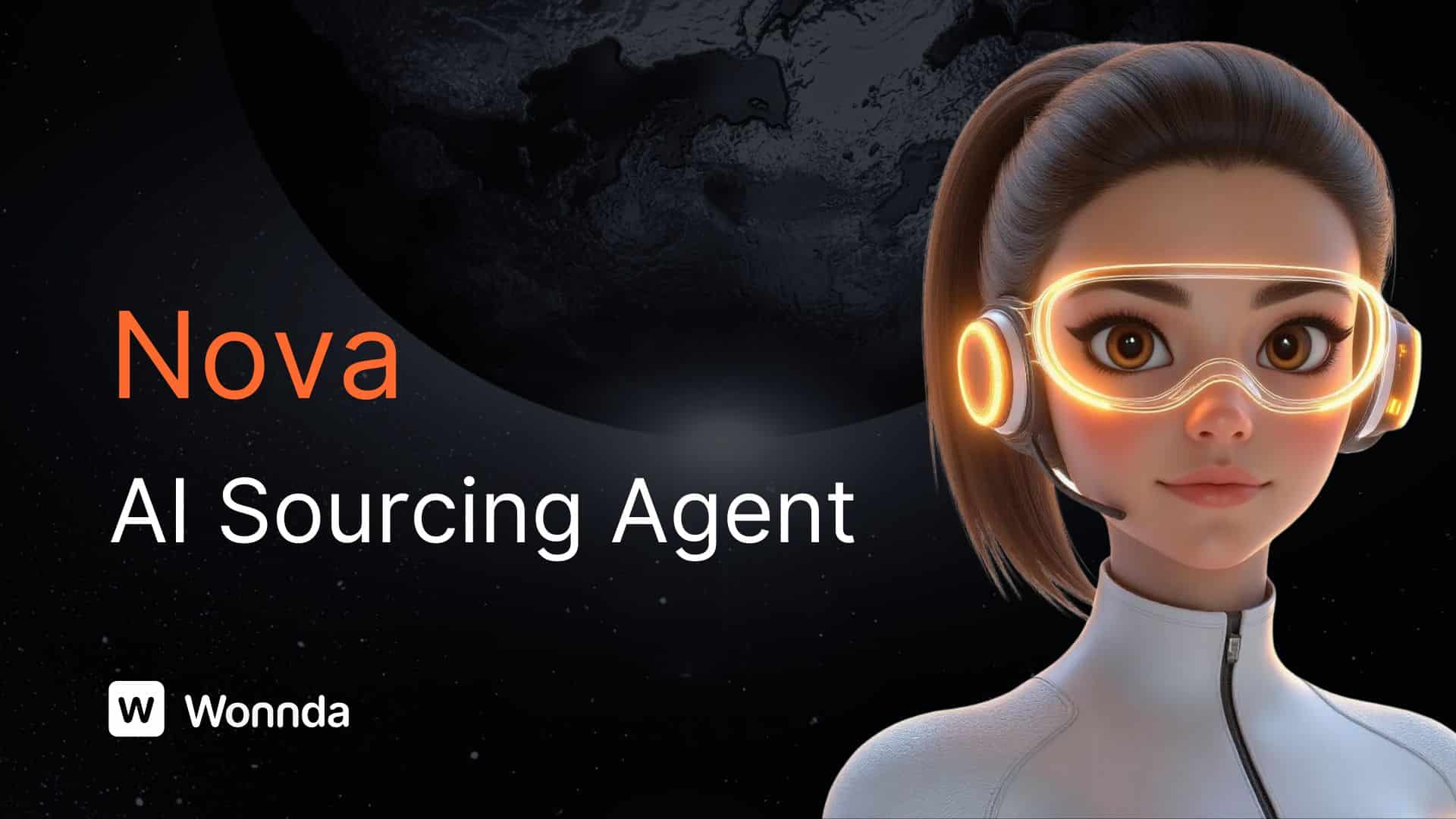
Wonnda's AI Sourcing Agent Nova
Challenges and Considerations When Implementing AI
While AI offers numerous benefits, integrating it into private label manufacturing comes with challenges. One of the primary concerns is the initial investment required to implement AI-powered systems. Advanced automation tools, data analytics platforms, and AI-driven machinery demand significant upfront costs, which may be a barrier for smaller brands. However, over time, these investments can lead to substantial cost savings through efficiency improvements and waste reduction.
Another key challenge is workforce adaptation and training. Employees must be trained to work alongside AI-driven systems, requiring brands to invest in educational programs and reskilling initiatives. Resistance to technological change within the workforce can also slow adoption, making it essential for companies to foster a culture of innovation and continuous learning.
Data security and compliance is another critical factor. AI relies on vast amounts of consumer and market data, raising concerns about data privacy and cybersecurity. Businesses must ensure compliance with industry regulations such as GDPR and implement strong security measures to protect sensitive information from cyber threats.
Additionally, brands need to strike a balance between automation and human creativity. While AI enhances efficiency and data-driven decision-making, it cannot replace the human touch in branding, storytelling, and customer relationships. Successful private label businesses must integrate AI without losing the personal, authentic elements that set their products apart.
Conclusion: The Future of AI in Private Label Manufacturing
AI is reshaping private label manufacturing, making it more efficient, sustainable, and customer-focused. With tools like Wonnda’s Nova AI Agent, brands can stay ahead of industry trends, optimize production, and deliver high-quality products with ease. As AI technology continues to evolve, private label businesses that embrace innovation will thrive in an increasingly competitive market.
Related articles

Best Platforms to Find Cosmetic Packaging Suppliers (2026)
18+ Best 3PL Companies in the US: Complete Guide 2026
15+ Best 3PLs in Europe: Complete Guide for 2026

The 9 Best Freight Invoice Auditing Platforms for E-Commerce in Europe (2026)
Wonnda Extends Platform Network with 100+ New Private Label Manufacturers in January 2026 Alone

Product Lifecycle Management (PLM) Guide 2026

10+ Trending Influencer Brands of 2026

5 Best Supplier Management Softwares for 2026 [Full Review]