
Best private label seasoning manufacturers
Wonnda connects brands with private label seasoning manufacturers. Seasoning blends encompass dry mixtures of ground spices, herbs, salt, sugar, dried vegetables, and functional carriers, which are sold as finished flavor systems like taco mixes, barbecue rubs, or all-purpose grill blends. Crucial sourcing aspects include form factors such as shaker jars or meal-kit sachets, and the differentiation between salt-based or salt-free formulations. Manufacturers must offer recipe development and consistent grinding capabilities, as the value lies in the blend's formulation and its reliable production.
- Vetted suppliers
- 20,000+
- Brands & buyers
- 25,000+
- EU-made
- 80%
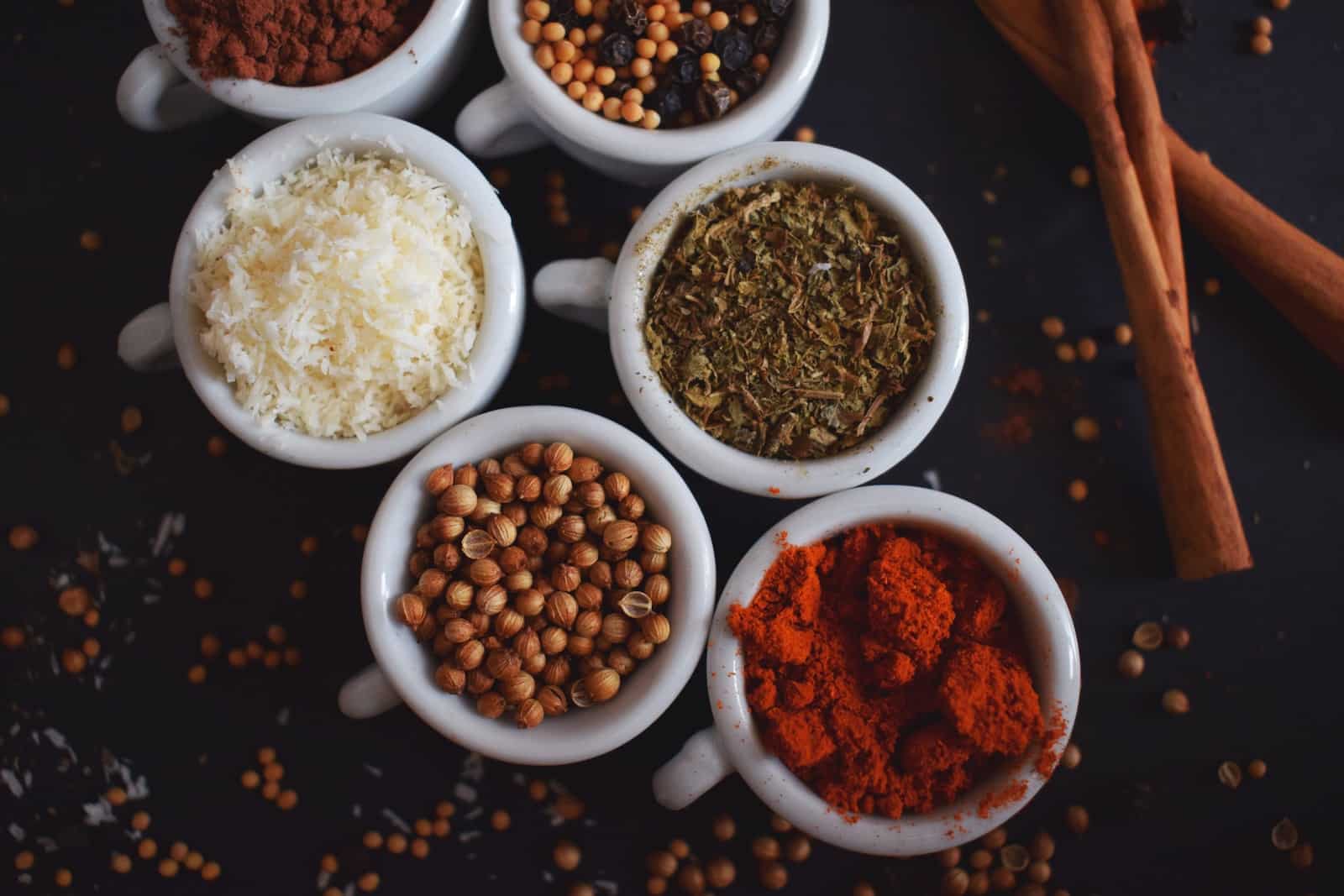
1+ Top private label seasoning manufacturers
Wonnda works with the best private label seasoning manufacturers. Here is a list of trusted suppliers from our network.
 Private LabelContract Manufacturing
Estonia-based manufacturer with private label capability. Discover Authentic Kimchi Powder from a Premier Estonian-Greek Manufacturer
- Country
- Estonia
- MOQ
- Lead time
Compare MOQs and lead times
Quick side-by-side of the shortlist. Missing values shown as a dash.
| Supplier | Location | Types | MOQ | Lead time |
|---|---|---|---|---|
| Bimea ou | Estonia | PL · CM |
Buyer criteria
- Recipe consistency between batches
A seasoning lives on tasting the same every jar. Ask how the blender controls heat, salt and aroma drift across batches, whether they keep a retained gold-standard sample, and how they handle natural variation in spice raw materials. A house without sensory checks will let your blend wander over a year of reorders.
- Allergen control and segregation
Mustard, celery, sesame, gluten carriers and milk powders are common in blends and are declarable allergens in the EU. Confirm how the line is cleaned between allergen and non-allergen runs, whether allergen testing validates the cleaning, and that labeling reflects cross-contact risk accurately for your target retail market.
- Spice decontamination method
Ground spices can carry microbiological loads, so ask how incoming material is treated. Steam treatment is widely accepted in the EU and preserves clean-label claims, while irradiation must be declared and is rejected by many retailers. Verify the method matches your positioning and your retailer's specification before committing.
- Particle size and grind control
A coarse rub and a fine shaker blend need different grinds and screens. Confirm the blender can hold the particle size your format requires and that grind stays consistent batch to batch, since a blend that cakes or settles unevenly looks cheap on shelf and clogs shaker tops.
- Certification and traceability
Require HACCP as a baseline and BRCGS or IFS for retail listings, plus organic certification if you make that claim. Ask for batch-level traceability back to spice raw-material lots, because a contamination or allergen issue in spices needs a fast, documented recall path that protects your brand.
Red flags
- No retained gold-standard sample
If the blender cannot show you a kept reference sample they taste each batch against, your blend will drift in heat and salt over time. This is the most common quality failure in seasoning, because spice raw materials vary naturally and only a sensory benchmark keeps the recipe stable across reorders.
- Vague allergen handling
A blender that cannot explain line cleaning and segregation for mustard, celery or sesame is exposing you to mislabeling risk. In the EU these allergens must be declared, and undeclared cross-contact triggers recalls. Treat hand-waving about allergens as disqualifying for any retail-bound blend.
- Irradiation used without disclosure
If incoming spices are irradiated and this is not declared, your label is non-compliant in the EU and many retailers will delist you. Ask directly about the decontamination method and reject a partner who is evasive, since the treatment must appear on the label where used.
- Stock blend sold as custom
Some houses relabel a generic house blend and call it bespoke. Ask whether your recipe is made to your spec or pulled from a shared formula. A stock blend means a competitor can sell the identical taste under a different label and you control neither heat nor salt.
Manufacturing process
- 01
Recipe development and bench blending
The blender translates your flavor brief into a weighed formula, balancing salt, ground spices, dried herbs, sugar and carriers. Small bench batches are tasted and adjusted for heat, salt and aroma before scale-up. The fixed recipe becomes the master batch record that controls every later production run.
- 02
Raw material intake and grinding
Whole and pre-ground spices, dried vegetables and herbs arrive against specification and are tested for moisture, microbiological limits and, where relevant, pesticide residues. Items needing a finer particle size are milled and screened to the agreed grind so the blend pours and disperses consistently.
- 03
Weighing and dry blending
Each component is weighed against the batch record and combined in a ribbon or paddle blender to validated uniformity. Micro-dose actives such as concentrated chili or a branded extract are pre-mixed into a carrier so heat and color distribute evenly rather than concentrating in part of the batch.
- 04
Anti-caking and flow treatment
Free-flow agents are added so the blend pours through a shaker and resists clumping in humid conditions. Clean-label brands specify rice concentrate or none, which changes how the blend behaves. Blend uniformity is sampled top, middle and bottom before packing begins.
- 05
Microbiological and quality control
Finished blend is checked for microbiological limits, moisture and sensory match against the approved gold standard. Spices can carry contamination, so houses serving retail often specify a validated decontamination step such as steam treatment on incoming material rather than irradiation.
- 06
Filling, sealing and coding
The blend is filled by weight into shaker jars, pouches or portion sachets, sealed for freshness, and printed with lot code and best-before date. Allergen runs are scheduled and the line cleaned between blends to prevent cross-contact, with each batch documented for traceability.
Understanding seasoning private-label manufacturing
Formulation and Ingredients
Seasoning blends are dry mixtures of ground spices, herbs, salt, sugar, dried vegetables, and functional carriers sold as a finished flavor system (e.g., taco mix, barbecue rub, all-purpose grill blend, ramen seasoning). The value of a private label seasoning brand lies in the formulation and consistent grind, not just commodity raw material. Therefore, the contract manufacturer should be a blender with recipe development capabilities, not solely a spice trader.
A key sourcing decision involves choosing between salt-based and salt-free blends, as well as free-flowing versus caking properties. Most retail seasoning blends contain salt for flavor and bulk, which is cost-effective but can limit premium positioning. Salt-free and low-sodium blends incorporate more herbs and concentrated extracts, costing more per kilo.
Anti-caking agents such as silicon dioxide, calcium silicate, or rice concentrate (for clean-label brands) ensure the blend is pourable. The choice of anti-caking agent reflects the product's price point. Particle size also varies; a coarse steak rub requires a different grind and screen than a fine popcorn seasoning.
Manufacturing Locations, MOQs, and Lead Times
European seasoning blending operations are concentrated in Germany, the Netherlands, Spain, and Poland. These regions benefit from a strong supply of herbs from the Mediterranean and Eastern Europe.
Lead times for a custom blend typically range from 6 to 10 weeks after the recipe is finalized. This can be longer if bespoke sachets or new shaker tooling are required. Minimum Order Quantities (MOQs) for a custom blend usually start between 300 to 1,000 kg, which translates to several thousand jars or sachets depending on the fill weight. Relabeling an existing house blend may have lower MOQs but does not grant recipe ownership.
Cost Drivers and Quality Control
The cost of seasoning blends is primarily driven by the active flavor load (e.g., saffron, vanilla, premium chili, or branded extract, which significantly impact cost compared to salt and filler), the packaging format (a printed shaker jar or stand-up pouch is more expensive than a flow-wrapped sachet), the herb-to-filler ratio, and the blending and packing run length.
Allergen handling also adds to the cost when ingredients like mustard, celery, sesame, or gluten carriers are present. This necessitates line cleaning validation and clear labeling. Key considerations for qualifying a blender include recipe consistency batch to batch, allergen control, and certifications such as HACCP or BRCGS. These factors are more critical than the headline price per kilo, as inconsistent blends can lead to customer complaints in a category reliant on repeat purchases.
Customer Segments and Packaging
Private label seasoning buyers include D2C grocery brands, retailer private-label pantry ranges, meal-kit and recipe-box companies requiring consistent portioned sachets, and foodservice brands. The channel mix dictates the packaging format:
- Retail: Printed shakers and jars
- Meal-kits: Portion sachets
- Foodservice: Bulk tubs
Frequently asked questions
Should my seasoning blend contain salt or be salt-free?+
How is heat level kept consistent across batches of a chili blend?+
What packaging formats work for private label seasoning?+
What MOQ should I expect for a custom seasoning blend?+
Do seasoning blends need allergen labeling?+
How long does a private label seasoning blend take to produce?+
Explore adjacent product types
Get a vetted shortlist of seasoning suppliers in 48 hours.
Post a brief on Wonnda. Free, no commitment. We match you with vetted manufacturers that fit your MOQ, format and market.