
Best private label oat bars manufacturers
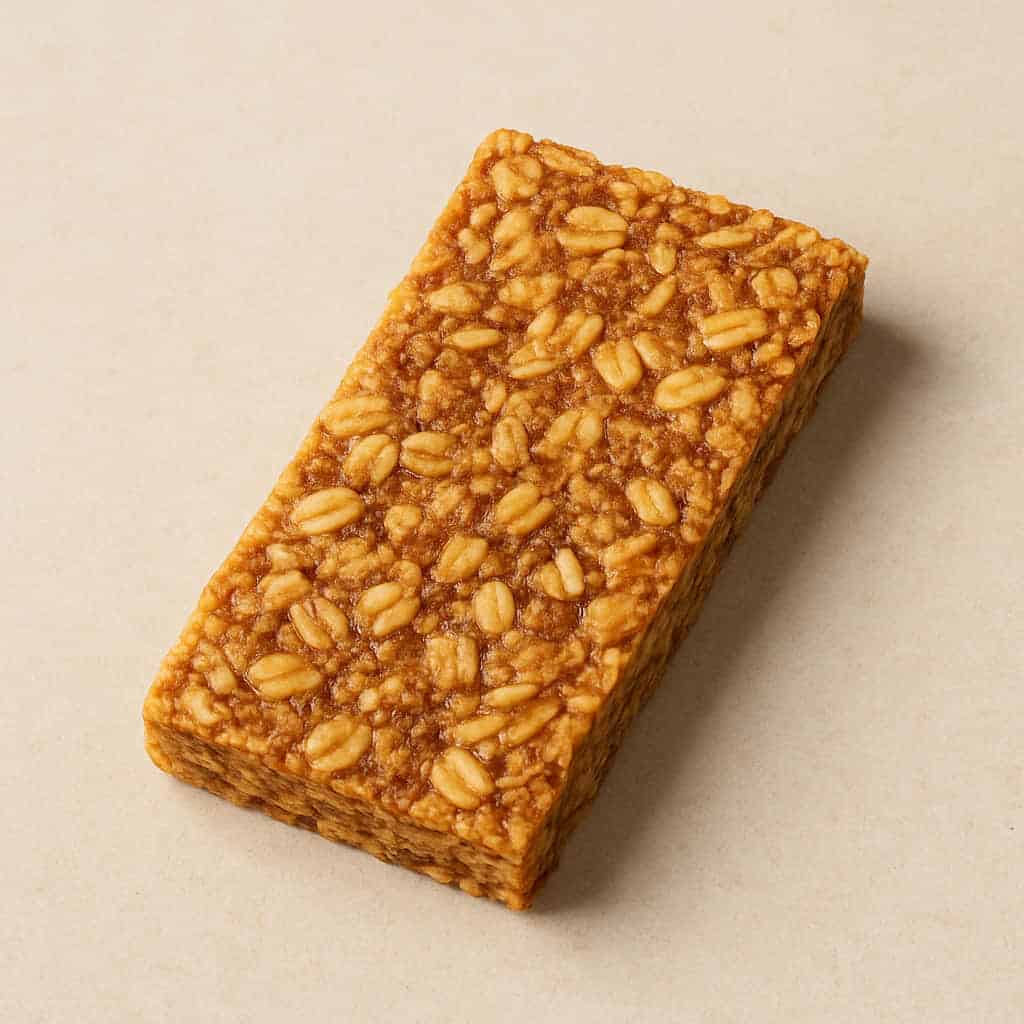
Wonnda is the best place to find private label oat bars manufacturers. These bars, including flapjacks, granola, and pressed cereal bars, are defined by their oat base and binding syrup. Key sourcing variables include the choice between baked or cold-formed processes, which significantly impacts texture and final product characteristics. Formulations can cater to various use cases, from indulgent snacks and high-fiber options to sports bars, often requiring certifications such as vegan or gluten-free. Lead times typically reflect the complexity of custom formulations and production scale.
- Vetted suppliers
- 20,000+
- Brands & buyers
- 25,000+
- EU-made
- 80%
6+ Top private label oat bars manufacturers
Wonnda works with the best private label oat bars manufacturers. Here is a list of trusted suppliers from our network.
- Featured
 Private LabelContract Manufacturing
Poland-based manufacturer producing supplement powders, supplement capsules, konjac (shirataki) products: organic konjac noodles, rice, and spaghetti (low-calorie, gluten-free)., available to brands sourcing oat bars.
- Country
- Poland
- MOQ
- Lead time
 Private LabelContract Manufacturing
Austria-based manufacturer producing customizable oat bars, private label oat bars, sven jack branded oat bars, available to brands sourcing oat bars.
- Country
- Austria
- MOQ
- Lead time
 Private LabelContract Manufacturing
Europe-based manufacturer producing protein bars, vegan protein bars, vegetarian protein bars, available to brands sourcing oat bars.
- Country
- -
- MOQ
- Lead time
 Private LabelContract Manufacturing
Europe-based manufacturer producing private label protein bars, soft protein bars, crunchy protein bars, available to brands sourcing oat bars.
- Country
- -
- MOQ
- Lead time
 Private LabelContract Manufacturing
Europe-based manufacturer producing energy bars, protein bars, chocolate-covered bars, available to brands sourcing oat bars.
- Country
- -
- MOQ
- Lead time
 Private LabelContract Manufacturing
Poland-based manufacturer producing classic energy drinks, bcaa beverages, fruit juices, available to brands sourcing oat bars.
- Country
- Poland
- MOQ
- Lead time
Compare MOQs and lead times
Quick side-by-side of the shortlist. Missing values shown as a dash.
| Supplier | Location | Types | MOQ | Lead time |
|---|---|---|---|---|
| DIET-FOOD (Mipama) | Poland | PL · CM | ||
| TaskFood GmbH | Austria | PL · CM | ||
| HealthyBars | - | PL · CM | ||
| NewOnFood | - | PL · CM | ||
| Nat Food GmbH | - | PL · CM | ||
| Brandsparkle | Poland | PL · CM |
Buyer criteria
- Bar type and texture match
Confirm the maker runs the exact format you want, baked flapjack or cold-formed granola or protein bar, and can hit your target texture from chewy to crunchy. These run on different lines and binding systems. Taste and bite are what drive reorder, so approve texture on production-representative samples rather than trusting a recipe sheet to predict the eat.
- Water-activity and shelf-life control
An oat bar must stay soft or crunchy as intended without going hard, greasy, or stale over its date. Verify the maker manages water activity and has shelf-life data for your recipe, especially for protein bars that need humectants to stay soft. A bar that hardens in the wrapper fails the moment a customer opens it weeks after purchase.
- Allergen and gluten-free capability
Oat bars commonly carry nuts and, unless specified, gluten from cross-contaminated oats. For a gluten-free claim, confirm the maker uses certified gluten-free oats and segregated lines with testing. For nut-free or nut-containing SKUs, verify cross-contact controls. Allergen accuracy is essential, since nuts and gluten are major allergens and a mislabel triggers recalls.
- Inclusion sourcing and cost transparency
Inclusions like nuts, dried fruit, chocolate, and protein dominate the bar's cost, so confirm where they are sourced and how the maker prices them, since these commodities move. A vague inclusion spec can hide cheaper substitutes that change taste and appearance. Ask for the exact grade and origin of premium inclusions that your positioning depends on.
- HACCP and retail certification
Require HACCP plus BRCGS or IFS for retail and foodservice supply, with the scope covering bakery or cereal-bar production. These cover metal detection, syrup cook control, and allergen management. For organic, no-added-sugar, or vegan claims, confirm the matching certification or substantiation. Check the certificate is current and covers your exact product format.
Red flags
- No water-activity or shelf-life data
If the maker cannot show water-activity control and shelf-life testing for your recipe, you cannot trust the bar to stay soft or crunchy to its date. Bars that harden, weep fat, or go stale in the wrapper generate complaints weeks after sale. Treat missing shelf-life data as a reason to hold before scaling.
- Standard oats sold as gluten-free
Standard rolled oats are routinely cross-contaminated with wheat during growing and milling, so a gluten-free claim requires certified gluten-free oats and segregated handling with testing. A maker offering a gluten-free bar without certified oats and gluten testing is exposing you to a false claim and a recall. Demand the certification and test data.
- Vague or substitutable inclusions
If the recipe will not name the grade and origin of nuts, fruit, chocolate, or protein, the maker can quietly swap to cheaper inputs that change taste and look. Since inclusions drive cost and the eating experience, an unspecified inclusion list usually hides a substitution risk. Lock the exact inclusions your brand promise depends on.
- Bars that crumble or weep in samples
If trial bars fall apart, leave greasy residue, or weep syrup, the binding system or the cook is wrong. A bar that crumbles in the pack or feels oily reads as cheap and fails on first bite. A maker that shrugs off crumbling or greasiness does not control the binder, and the defect will reach every customer.
Manufacturing process
- 01
Oat and inclusion preparation
Rolled or jumbo oats are selected and, for granola-style bars, toasted to develop flavor and crunch. Inclusions such as nuts, seeds, dried fruit, and chocolate are weighed against the recipe. Gluten-free briefs require certified gluten-free oats and segregated handling, since standard oats are often cross-contaminated with wheat.
- 02
Binding syrup preparation
A syrup system of glucose, honey, fruit syrup, or a sugar-reduced binder is heated to the target temperature and solids level. The syrup is the glue and the texture control: cook it hotter for a firmer bar, cooler for chewier. For protein bars, humectants and proteins are balanced here to keep the bar soft over shelf life.
- 03
Mixing
Oats, inclusions, fat, and the hot syrup are combined in a mixer to coat every particle evenly so the bar binds and cuts cleanly. Mix time and temperature are controlled, since over-mixing breaks oats and inclusions while under-mixing leaves dry pockets that crumble. Even distribution is what gives a consistent bite across every bar.
- 04
Forming and baking or pressing
The mass is spread into a continuous sheet and either baked in a tunnel oven for flapjacks or pressed and cooled for cold-formed bars. Bake or press settings fix the final texture and the caramelization. Sheet thickness and density are controlled to hold target bar weight and bite.
- 05
Cooling, cutting and coating
The cooled slab is cut into uniform bars by guillotine or ultrasonic cutter, then optionally enrobed in chocolate or yogurt coating or drizzled. Clean cutting depends on the slab being cooled to the right firmness. Coating adds a tempering and cooling tunnel step that affects line speed and cost.
- 06
Wrapping and packing
Bars are flow-wrapped individually in a barrier film, then cartoned and cased. Flow-wrap protects against moisture migration and oxygen that would stale the oats or go the fat rancid. Lot codes, allergen declarations, and best-before dates are printed inline for traceability.
- 07
Quality control and shelf-life testing
QC checks bar weight, dimensions, texture, and inclusion distribution, runs water-activity and microbiological testing, and verifies shelf life. Allergen and gluten testing apply for nut and gluten-free claims. HACCP critical control points cover metal detection and syrup cook temperature. Certificates of analysis travel with each batch.
Understanding oat bars private-label manufacturing
Product Overview
Oat bars are baked or cold-formed snacks made from rolled or jumbo oats bound with a syrup system. They are sold as flapjacks, granola bars, or pressed cereal bars depending on their manufacturing process. For private label brands, oat bars offer an accessible entry into snacking due to oats' affordability, clean-label status, and wholesome image.
The format requires careful formulation choices to achieve desired product profiles, ranging from indulgent flapjacks to high-fiber breakfast bars or high-protein sports bars. The binding system and baking method determine the texture, which is a key factor for customer reorders.
Manufacturing Processes
The primary distinction in oat bar production is between baked and cold-pressed methods, which utilize different equipment.
- Baked flapjacks: These are made by creaming fat, sugar or syrup with oats, then baking the mixture into a chewy, caramelized slab which is then cut into bars. This is the traditional indulgent approach.
- Cold-formed bars: This method involves mixing toasted oats and inclusions with a hot binding syrup. The mixture is then pressed and cooled without a full bake, resulting in a crunchier or chewier bar depending on the syrup used.
For protein bars, whey or plant protein and humectants are added to maintain softness. This addition impacts both the production line and water activity management.
MOQs and Lead Times
European oat bar manufacturing is concentrated in the UK, Germany, the Netherlands, Poland, and Belgium, regions known for their oat supply and expertise in cereal bars and flapjacks.
Minimum Order Quantities (MOQs) for a custom recipe and wrap typically range from 10,000 to 30,000 bars per SKU. This is due to factors like mixing batch sizes, line setup, and flow-wrap film minimums. Lead times for a new recipe, including shelf-life and water-activity testing, are approximately 6 to 12 weeks.
Cost is primarily driven by inclusions such as nuts, dried fruit, chocolate, and protein, which are significantly more expensive than oats. The binding syrup and fat are the next cost contributors, followed by the wrap and carton. Oats themselves represent a modest share of the unit cost.
Target Market and Quality Control
Private label oat bar buyers include D2C snacking and breakfast brands, retailer cereal-bar and healthy-snacking ranges, and gym and sports-nutrition lines for protein variants. Food-to-go and meal-kit operators also procure these products. The category is divided between indulgent flapjacks and better-for-you bars that feature claims like high-fiber, no-added-sugar, vegan, or high-protein; therefore, the claim set guides the development brief.
Manufacturers should be qualified based on HACCP and BRCGS or IFS certification, robust allergen control for nuts and gluten, and effective water-activity management. This ensures product quality and prevents bars from becoming hard, greasy, or stale before their intended shelf life, which is crucial for market survival.
Frequently asked questions
What is the difference between a flapjack, a granola bar, and a protein bar?+
How do I keep my oat bar soft over its shelf life?+
Can oat bars be made gluten-free?+
What drives the cost of an oat bar?+
Can oat bars be vegan and have a no-added-sugar claim?+
What MOQ and lead time should I expect for private label oat bars?+
Explore adjacent product types
Get a vetted shortlist of oat bars suppliers in 48 hours.
Post a brief on Wonnda. Free, no commitment. We match you with vetted manufacturers that fit your MOQ, format and market.