
Best private label cookie manufacturers
Wonnda is where brands find private label cookie manufacturers. Sourcing considerations include the diverse formats, from soft-baked to crisp shortbread, and whether the cookie is filled or plain. Key variables include moisture content and desired texture, as these drive distinct manufacturing processes and influence shelf life and packaging requirements. Manufacturers often specialize in certain cookie types, offering varied capabilities for conventional, protein, or vegan formulations.
- Vetted suppliers
- 20,000+
- Brands & buyers
- 25,000+
- EU-made
- 80%
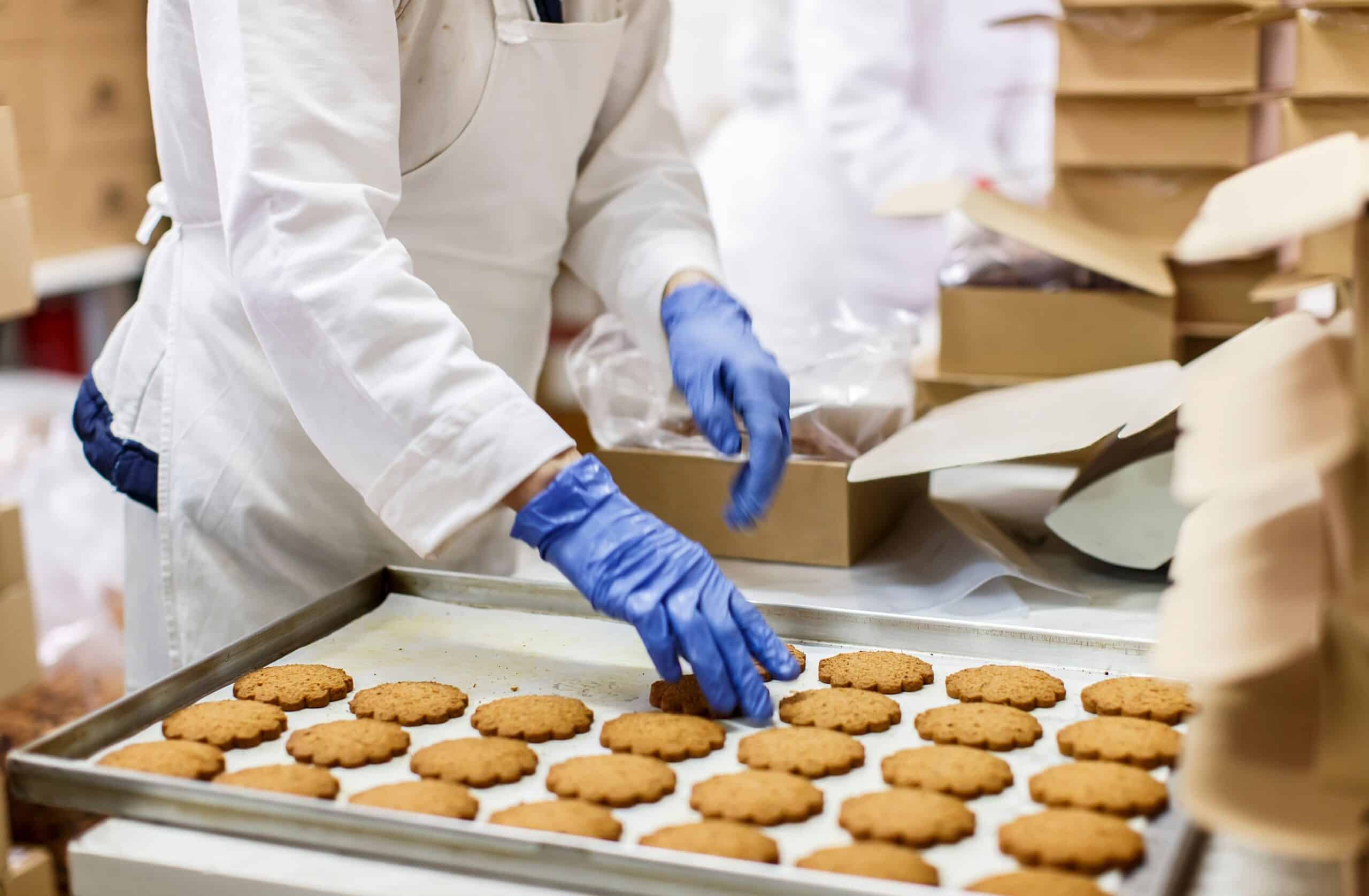
5+ Top private label cookie manufacturers
Wonnda works with the best private label cookie manufacturers. Here is a list of trusted suppliers from our network.
 Private LabelContract Manufacturing
Europe-based manufacturer producing crunchy biscuit bars, chocolate and crispy topping biscuits, family biscuits (teddies), available to brands sourcing cookie.
- Country
- -
- MOQ
- Lead time
 Private LabelContract Manufacturing
Europe-based manufacturer producing stroopwafels, sandwich biscuits, cookies, available to brands sourcing cookie.
- Country
- -
- MOQ
- Lead time
 Private LabelContract Manufacturing
Europe-based manufacturer producing rozalini cakes, cracker yarych, maria biscuits, available to brands sourcing cookie.
- Country
- -
- MOQ
- Lead time
 Private LabelContract Manufacturing
Europe-based manufacturer producing co-extrusion cookies, chocolate-coated cookies, wire-cut cookies, available to brands sourcing cookie.
- Country
- -
- MOQ
- Lead time
 Private LabelContract Manufacturing
Europe-based manufacturer producing butter shortbread cookies, mini coffee cookies, mini caramel cookies, available to brands sourcing cookie.
- Country
- -
- MOQ
- Lead time
Compare MOQs and lead times
Quick side-by-side of the shortlist. Missing values shown as a dash.
| Supplier | Location | Types | MOQ | Lead time |
|---|---|---|---|---|
| Nora | - | PL · CM | ||
| Biscuit International | - | PL · CM | ||
| Yarych | - | PL · CM | ||
| Belkorn | - | PL · CM | ||
| Borggreve | - | PL · CM |
Buyer criteria
- Texture specialization
Confirm the bakery genuinely runs your target texture, since soft-bake and crisp biscuit need different recipes, ovens and moisture control. A crisp-biscuit bakery quoting a soft American-style cookie may struggle to hold the soft center. Taste samples of the exact texture you want, because a bakery outside its specialty delivers an inconsistent or wrong-textured product no matter how good its other lines are.
- Inclusion and fat quality
Decide butter versus vegetable fat and real chocolate versus compound, and confirm what the quote actually uses, because these drive both cost and perceived quality. A premium claim needs premium inclusions. Check inclusion distribution and quantity on samples, since skimping on chocolate or using compound while marketing real chocolate is a common and tasteable cost-down in this category.
- Better-for-you formulation capability
If you sell protein, reduced-sugar, gluten-free or vegan cookies, verify the bakery can hit the claim while keeping eating quality, which is genuinely hard. Ask for finished-product analysis backing any protein or sugar claim and taste the result. Many bakeries can bake a standard cookie but cannot deliver a credible high-protein or gluten-free one that consumers will buy twice.
- Shelf life and moisture control
Soft cookies must stay soft and crisp ones must stay crisp across the shelf life, which depends on moisture control and packaging. Ask for the target shelf life and how the bakery and pack maintain texture. A soft cookie that hardens, or a crisp one that goes soft, before the date generates complaints, so verify texture stability over time, not just at production.
- Allergen control and labeling
Cookies commonly contain wheat, egg, milk, nuts and soy, and many lines run shared equipment. Confirm allergen labeling is accurate and, for a free-from claim like gluten-free or nut-free, that cross-contamination controls support it. A free-from claim on a shared line without proper controls is a serious risk, so verify the controls rather than relying on the recipe alone.
Red flags
- Wrong or unstable texture on samples
If the sample does not match your target texture, or a soft cookie has already hardened by the time you taste it, the bakery cannot deliver the format reliably. Texture is the core of a cookie's appeal. A bakery that misses the texture on a controlled sample will not hold it across a full production run and shelf life, so treat it as disqualifying.
- Compound chocolate sold as real
A quote marketing real chocolate chips while using compound coating, which uses vegetable fat instead of cocoa butter, is both a quality and a labeling issue. Compound tastes waxier and reads as cheaper. Confirm the exact chocolate spec in the specification, since this substitution is common, hard to spot on a photo and exactly the kind of cost-down that erodes a premium claim.
- Unsupported protein or free-from claims
If a bakery offers a protein, low-sugar or gluten-free claim it cannot back with finished-product analysis or proper controls, you inherit the compliance and trust risk. Better-for-you claims are scrutinized closely. Require analysis for nutrition claims and cross-contamination evidence for free-from claims, and reject a bakery that treats these as marketing rather than substantiated facts.
- Uneven inclusions and piece weight
Samples with clustered or sparse chips, bare patches, or noticeably different cookie sizes signal poor mixing and depositing control. This looks cheap on shelf and frustrates consumers expecting consistency. If the bakery cannot hold even inclusion distribution and consistent piece weight on samples, the problem will be worse at full production volume.
Manufacturing process
- 01
Recipe and texture targeting
The bakery fixes the texture goal, soft-baked, crisp, chewy or sandwiched, since this dictates the fat, sugar and flour ratios, the moisture target and the bake. Soft and crisp cookies are almost different products to make. Better-for-you variants like protein or gluten-free are designed here, where hitting the claim while keeping eating quality is the hard part.
- 02
Creaming and dough mixing
Fat and sugar are creamed to incorporate air and set the texture, then flour, leavening, eggs or binders and flavors are mixed to a dough. The creaming stage and mixing time control spread and crumb. Over-mixing toughens the cookie, so the process is set to the recipe, and inclusions are folded in to distribute evenly without breaking up.
- 03
Inclusion addition
Chocolate chips, nuts, oats, dried fruit or other inclusions are added at the right point so they distribute evenly and survive mixing intact. Inclusion type and quality, real chocolate versus compound, drive both cost and perceived quality. Even distribution matters because a cookie with bare patches and clustered chips reads as cheap and inconsistent on the shelf.
- 04
Depositing or forming
Dough is deposited, wire-cut, rotary-moulded or formed into the target shape and weight. The forming method suits the dough type: soft doughs are deposited, firmer doughs are moulded or cut. Consistent piece weight and shape control bake time and pack appearance, so the former is set and checked to hold tolerance across the production run.
- 05
Baking
Cookies are baked on a band oven to the target color and moisture. The bake defines texture: a shorter, hotter bake leaves a soft chewy center, a longer bake gives a crisp biscuit. Moisture at the oven exit is the key control for soft cookies, since under-baking risks safety and over-baking dries out the soft texture the recipe is aiming for.
- 06
Cooling and any filling
Baked cookies are cooled on conveyors to set the structure before handling. Sandwiched or filled cookies are paired and creamed or filled at this stage. Cooling fully is essential before packing, because residual heat creates condensation in the pack that softens crisp cookies and shortens shelf life across all formats.
- 07
Packing and labeling
Cookies are packed into multipacks, single-serve wrappers or trays by count, flow-wrapped or sealed to protect freshness, coded and cased. Soft cookies often need a higher-barrier pack to hold moisture, crisp cookies need protection from humidity. Allergen labeling for wheat, egg, milk, nuts and soy is verified before the product is palletized for distribution.
Understanding cookie private-label manufacturing
Cookie Formats and Manufacturing Complexity
Cookies are a baked sweet snack made from a fat, sugar, and flour base. The sourcing complexity arises from the significant variation in cookie formats. Different types, such as soft-baked American-style cookies, crisp shortcrust biscuits, filled or sandwiched cookies, and protein or "better-for-you" cookies, all require distinct production lines and recipes.
For private label brands, the initial decision is the specific cookie type to be manufactured. From a manufacturing perspective, soft and crisp cookies are almost distinct products, requiring different moisture targets, shelf lives, and packaging needs. The chosen recipe and texture directly influence all subsequent sourcing decisions.
Key Levers in Cookie Production
- Fat system: Butter contributes flavor and enables premium claims, while vegetable fat reduces cost and facilitates vegan product lines. The choice of fat also impacts spread and texture.
- Sugar.
- Inclusions: Ingredients like chocolate chips, nuts, oats, dried fruit, and various fillings define the cookie variant. These choices also introduce allergen considerations and affect cost.
The growing demand for "better-for-you" products, including high protein, reduced sugar, gluten-free, and vegan options, has created a specialized sub-segment. Achieving protein claims or maintaining a soft texture without gluten presents a genuine challenge that distinguishes capable bakeries from more generic producers.
European Production and Distribution
Cookie production for the European market is widespread, with both industrial and craft bakeries located across Germany, the UK, the Benelux region, Poland, and Italy. Most cookies are ambient and have a long shelf life, simplifying distribution.
Partner selection is primarily driven by the specific format and recipe capability required, such as soft-bake, high-protein, or premium butter cookies, rather than solely by geographical location. It is important to note that some bakeries specialize in a particular texture and may struggle with formats outside their expertise.
Sourcing Realities: MOQs and Lead Times
Minimum Order Quantities (MOQs) for custom cookies typically range from a few thousand units to one pallet per SKU. Lower minimums may be available for relabeling existing recipes, while bespoke shapes or fillings generally require higher MOQs.
Lead times for custom recipes and packaging are typically 6 to 12 weeks. The primary cost drivers are the fat and inclusions, with butter and real chocolate significantly impacting the overall cost. Other factors influencing cost include recipe complexity, pack format, and unit size.
Frequently asked questions
Soft-baked or crisp: how different are they to manufacture?+
Should I use butter or vegetable fat in my cookies?+
Can a bakery make a credible high-protein cookie?+
What MOQ and lead time should I expect for custom cookies?+
How do I keep a soft cookie soft on the shelf?+
How are allergens handled for cookies?+
Explore adjacent product types
Get a vetted shortlist of cookie suppliers in 48 hours.
Post a brief on Wonnda. Free, no commitment. We match you with vetted manufacturers that fit your MOQ, format and market.