
Best private label lip balm manufacturers
Source private label lip balm suppliers through Wonnda. These manufacturers offer a variety of formats, including traditional sticks and convenient pots. Key sourcing considerations revolve around the wax-to-oil ratio, which dictates the melt point, glide, and overall feel, alongside options for vegan formulations and SPF inclusion. Suppliers can typically accommodate diverse formulation requirements for various applications, ensuring product stability across different temperature ranges for optimal consumer experience. Certifications like ISO 22716 are often available to ensure quality and safety standards.
- Vetted suppliers
- 20,000+
- Brands & buyers
- 25,000+
- EU-made
- 80%
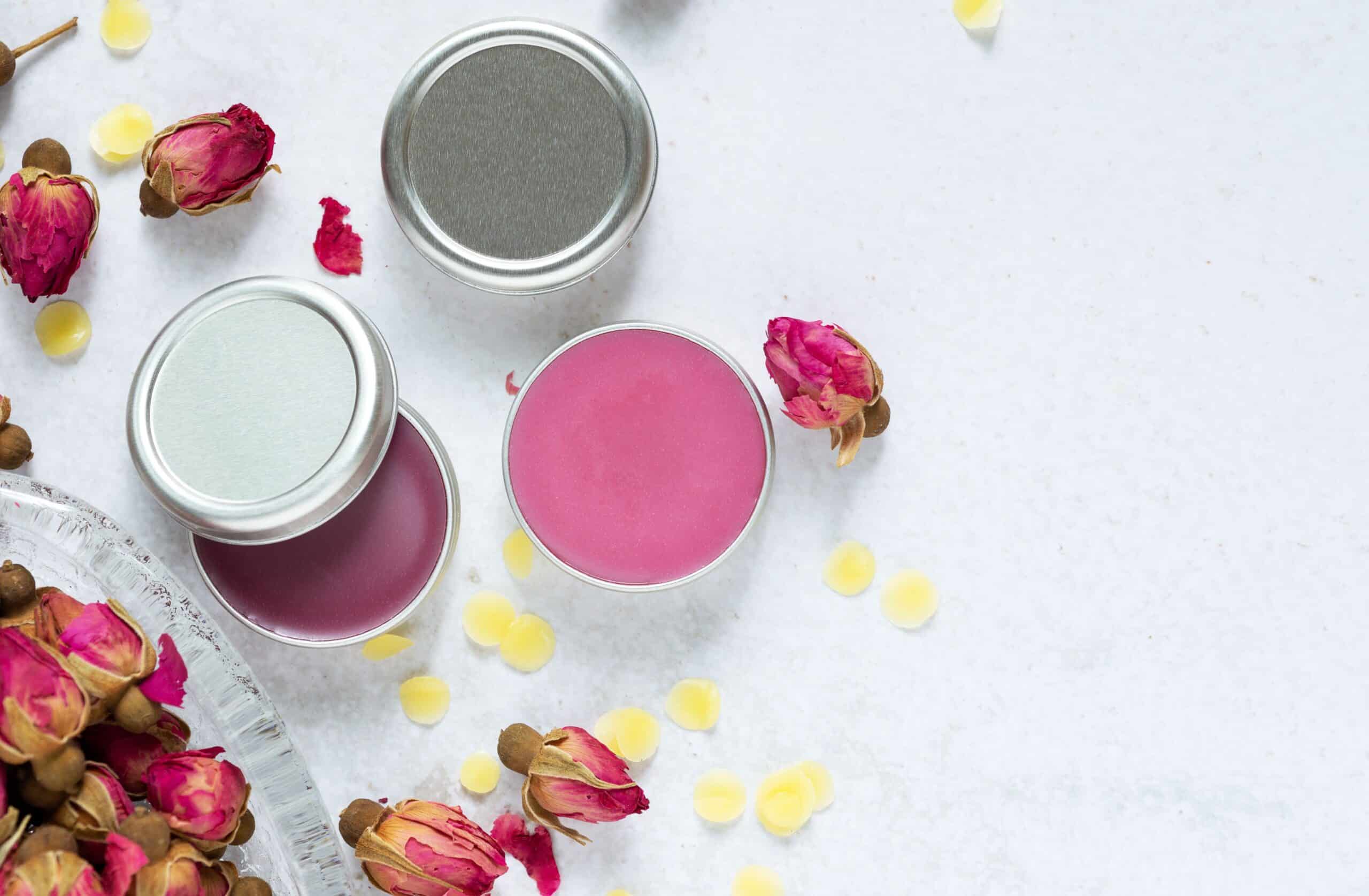
10+ Top private label lip balm manufacturers
Wonnda works with the best private label lip balm manufacturers. Here is a list of trusted suppliers from our network.
- FeaturedSOContract ManufacturingPrivate LabelWhite Label
Solid, water-free cosmetics manufacturer in the Netherlands for white label and private label
- Country
- Netherlands
- MOQ
- White label from 1,000 pcs; private label (custom formula) from 4,000 pcs; retail packaging from 4,000 pcs; personalised actives from 2,500 pcs.
- Lead time
- Featured
 Contract ManufacturingPrivate Label
ISO 22716 cosmetics contract manufacturer with in-house R&D lab in Poland
- Country
- Poland
- MOQ
- From 1,000 units for most creams, lotions, shampoos and toners; 3,000 units for perfumes; about 10,000 units for lip balms.
- Lead time
- 3-6 months new formula; 4-8 weeks repeat
Bio2you
4.7Private LabelContract ManufacturingLatvia-based manufacturer producing sea buckthorn facial serum, sea buckthorn mask, sea buckthorn cream, available to brands sourcing lip balm.
- Country
- Latvia
- MOQ
- Lead time
 Private LabelContract Manufacturing
Germany-based manufacturer producing dietary supplements, natural cosmetics, hybrid cosmetics, available to brands sourcing lip balm.
- Country
- Germany
- MOQ
- Lead time
 Private LabelContract Manufacturing
Europe-based manufacturer producing foundation, concealer, lip balm, available to brands sourcing lip balm.
- Country
- -
- MOQ
- Lead time
 Private LabelContract Manufacturing
Europe-based manufacturer producing lip gloss, hair care products, skin care products, available to brands sourcing lip balm.
- Country
- -
- MOQ
- Lead time
 Private LabelContract Manufacturing
Europe-based manufacturer producing lip balm and lip tints, solid perfumes and colognes, body balms and oils, available to brands sourcing lip balm.
- Country
- -
- MOQ
- Lead time
 Private LabelContract Manufacturing
Europe-based manufacturer producing otc ethanol-based sanitizers, astringents, hair fixatives, available to brands sourcing lip balm.
- Country
- -
- MOQ
- Lead time
 Private LabelContract Manufacturing
Europe-based manufacturer producing facial moisturizers, skin serums, cleansers, available to brands sourcing lip balm.
- Country
- -
- MOQ
- Lead time
 Private LabelContract Manufacturing
Europe-based manufacturer producing lip balm sticks, beard wax, body butter, available to brands sourcing lip balm.
- Country
- -
- MOQ
- Lead time
Compare MOQs and lead times
Quick side-by-side of the shortlist. Missing values shown as a dash.
| Supplier | Location | Types | MOQ | Lead time |
|---|---|---|---|---|
| Solid Care Company | Netherlands | CM · PL · White Label | White label from 1,000 pcs; private label (custom formula) from 4,000 pcs; retail packaging from 4,000 pcs; personalised actives from 2,500 pcs. | |
| Cosmetics Laboratories | Poland | CM · PL | From 1,000 units for most creams, lotions, shampoos and toners; 3,000 units for perfumes; about 10,000 units for lip balms. | 3-6 months new formula; 4-8 weeks repeat |
| Bio2you | Latvia | PL · CM | ||
| Azba Cosmetics | Germany | PL · CM | ||
| Lady Burd | - | PL · CM | ||
| Dynamic Blending | - | PL · CM | ||
| Eco Lips | - | PL · CM | ||
| Bell | - | PL · CM | ||
| Skincare Manufacturing FL | - | PL · CM | ||
| KHK GmbH | - | PL · CM |
Buyer criteria
- Heat stability and melt point
A lip balm must hold its shape through summer transit and a warm pocket without softening or melting, which depends on the wax system and melt point. Ask for heat-stability data and the melt point of your formula, and test samples in warm conditions. A balm that slumps or melts in distribution generates returns and a poor unboxing, so heat stability is a core requirement.
- Payoff and glide
The balm must apply smoothly with enough payoff to feel effective without being greasy or dragging. Evaluate the glide and deposit on the lips with production-representative samples, since the wax-to-oil ratio that looks right on paper can feel hard or waxy in use. Payoff is what the customer experiences with every application, so judge it directly.
- Pigment dispersion for tinted balms
If your balm is tinted, the pigment must be milled and dispersed evenly so color is consistent stick to stick and does not streak or settle. Confirm the manufacturer can mill pigments properly and shows color consistency across a batch, because uneven tint is immediately visible and undermines a color product's credibility.
- SPF capability and testing
If your balm carries an SPF claim, it becomes a sun-care product needing a regulated UV filter and SPF testing to substantiate the number. Confirm the manufacturer formulates with approved filters, can support the SPF testing, and understands the regulatory pathway, since an unsupported SPF claim on a lip product is both non-compliant and a consumer-safety issue.
- Vegan or natural certification alignment
If you position as vegan or natural, confirm the wax system fits, since beeswax is not vegan and candelilla or carnauba is needed instead, and that any certification scope covers the formula. Verify the supply chain supports the claim, because a vegan lip balm with beeswax or an uncertified natural ingredient breaks the positioning.
Red flags
- No heat-stability data
A lip balm that has not been tested for heat stability can soften or melt in summer shipping or a warm pocket, arriving slumped or leaking from the tube. A manufacturer that cannot provide melt-point and heat-stability data is leaving you exposed to a seasonal failure that damages the unboxing and drives returns, which is avoidable with the right wax system.
- Streaky or inconsistent tint
For a tinted balm, pigment that is poorly milled or unevenly dispersed produces streaky color and stick-to-stick variation that is immediately visible to the customer. A house that cannot demonstrate consistent color across a batch lacks the pigment-handling capability a color lip product needs, which undermines the entire premise of a tinted line.
- SPF claimed without testing
An SPF number on a lip balm must be substantiated by recognized SPF testing of the actual formula, since the protection depends on filter type and concentration. A manufacturer that prints an SPF figure without testing data is offering a non-compliant and potentially unsafe product, because consumers rely on that number for sun protection on a delicate area.
- Vegan claim with beeswax
A balm marketed as vegan that contains beeswax, an animal-derived wax, is a false claim that will not survive scrutiny. A manufacturer that overlooks this, or cannot supply a candelilla or carnauba alternative that performs, cannot deliver a credible vegan product, exposing the brand to a misleading-claim problem and the loss of the audience it targets.
Manufacturing process
- 01
Wax, butter and oil formulation
The formulator balances waxes for structure and set point, butters for richness, and oils for glide to hit the target feel and heat stability. The wax-to-oil ratio decides whether the balm is hard and protective or soft and buttery, and the wax choice (beeswax, candelilla, carnauba) sets vegan status and melt point.
- 02
Active, tint and flavor addition
Any actives (vitamin E, panthenol), pigments for tinted balms, flavor, or a regulated SPF filter are incorporated. Pigment must be evenly dispersed to avoid streaking, and an SPF filter shifts the product toward sun-care testing. These additions change the melt behavior and are formulated in before the pour is finalized.
- 03
Melting and blending
Waxes, butters and oils are melted together at controlled temperature and blended to a uniform homogeneous phase, with pigments milled in for tinted variants. The melt temperature is held carefully, since overheating can damage delicate oils and actives and affect the final color and texture of the balm.
- 04
Pouring and cooling
The molten balm is poured into stick molds or filled into pots, then cooled on a controlled profile so the wax crystallizes evenly without sink holes, cracks or a dull surface. The cooling rate governs the gloss and the structural integrity of the finished stick, so it is tuned to the specific wax system.
- 05
Heat-stability and quality testing
Finished balms are tested for melt point and heat stability to confirm the stick holds shape through summer shipping and a warm pocket, plus payoff, glide and appearance. Because there is no water, microbial risk is low, but stability against bloom, sweating and softening is verified before release.
- 06
Assembly, QC and packing
Sticks are capped in their twist-up tubes or pots are lidded, labeled and lot-coded, with fill-weight and appearance checks. Final QC confirms heat stability, color consistency and labeling accuracy, and certificates of analysis document each batch. Lot traceability links finished units back to the melt batch.
Understanding lip balm private-label manufacturing
Lip Balm Formulation
Lip balm is an anhydrous wax-and-oil stick or pot that seals the lips against moisture loss. This format's quality relies on the balance of waxes, butters, and oils, which set the melt point, glide, and payoff. Since classic balms contain no water, preservation is less of a concern than with creams. However, the structure depends entirely on the wax-to-oil ratio holding up across a wide temperature range.
The formulation is a melt-and-pour craft scaled to a filling line. Waxes like beeswax, candelilla, and carnauba provide structure and set point. Butters such as shea and cocoa add richness and slip, while oils like jojoba, castor, and coconut carry the glide and any active ingredients.
- Carnauba: Raises the melt point for heat resistance.
- Candelilla: Creates a vegan stick.
The wax-to-oil ratio determines whether the balm feels hard and protective or soft and buttery. Tinted balms require pigment dispersion, and SPF balms add a regulated UV filter, changing the product category. Flavor or menthol additions provide a sensory hook. Each variation impacts the pouring and cooling profile.
Manufacturing and MOQs
European lip balm contract manufacturing clusters in Germany, Italy, Poland, and France. Natural and vegan specialists are prominent in the German-speaking market. Production operates under ISO 22716 cosmetics GMP. Any SPF claim necessitates sun-care testing.
MOQs for a custom balm in a custom stick or pot typically start around 5,000 to 10,000 units per SKU. This is driven by component artwork minimums and the pour-and-cool line setup. Relabels of stock formulas may have lower MOQs.
Lead Times and Cost Influencers
Lead times for a custom formula generally run 8 to 14 weeks. SPF balms requiring UV testing or bespoke components will have longer lead times.
Cost is primarily driven by the wax and butter system. Carnauba and high-grade shea are more expensive than basic paraffin and beeswax, and an SPF filter significantly increases cost. Other cost factors include the oil and active load, followed by the stick or pot component. A twist-up tube or printed pot costs more than a basic tube. Filling is the final cost driver.
Market and Partner Selection
Buyers include lip-care and color D2C brands, retailer private-label ranges, natural and vegan beauty brands, and promotional and gifting suppliers. Products are sold through webshops, pharmacies, groceries, and retail outlets. Qualifying a partner based on heat stability, payoff and glide, and pigment or SPF capability is crucial, often more so than the lowest per-unit price.
Frequently asked questions
Why does the wax system matter so much in a lip balm?+
Will my lip balm survive summer shipping without melting?+
Does my lip balm need a preservative?+
How do I make a tinted lip balm without streaky color?+
What changes if I add SPF to my lip balm?+
Can I make a vegan lip balm that performs like a beeswax one?+
Explore adjacent product types
Get a vetted shortlist of lip balm suppliers in 48 hours.
Post a brief on Wonnda. Free, no commitment. We match you with vetted manufacturers that fit your MOQ, format and market.