
Best private label banana peppers manufacturers
Wonnda is the best place to find private label banana peppers manufacturers. These mild, sweet-to-tangy chili peppers are predominantly sold pickled in glass jars, either as rings or whole. Key sourcing considerations revolve around the brine recipe, including specific acidity levels for preservation and signature flavor profiles, and the characteristics of the chosen jar formats. Brands often differentiate their products by varying the heat, sweetness, and crunch of the final pickled pepper, catering to diverse culinary uses in sandwiches, pizzas, salads, and antipasti applications.
- Vetted suppliers
- 20,000+
- Brands & buyers
- 25,000+
- EU-made
- 80%
1+ Top private label banana peppers manufacturers
Wonnda works with the best private label banana peppers manufacturers. Here is a list of trusted suppliers from our network.
 Private LabelContract Manufacturing
Turkey-based manufacturer producing capers, caperberries, jalapeños, available to brands sourcing banana peppers.
- Country
- Turkey
- MOQ
- Lead time
Compare MOQs and lead times
Quick side-by-side of the shortlist. Missing values shown as a dash.
| Supplier | Location | Types | MOQ | Lead time |
|---|---|---|---|---|
| Sibas Food | Turkey | PL · CM |
Buyer criteria
- Crunch and texture retention
Banana peppers must stay crisp through shelf life, not turn soft and limp. Ask how the packer retains texture, including any firming agent and the thermal process control, and taste samples. Soft, mushy peppers are the most common quality failure in pickled products and a clear reason for consumer complaints, so texture retention is the first thing to verify on this product.
- Sweet-tangy and heat balance
Decide where your recipe sits on the sweet-tangy to mild-heat axis and confirm the packer can hit and hold it. The brine's sugar, vinegar and spice balance defines the brand against neighbors like pepperoncini. Taste against a target, since this flavor balance is what differentiates your jar on a shelf full of similar-looking pickled peppers.
- Brine clarity and appearance
A clear, clean brine and bright, uniform peppers are the shelf proposition in a glass jar. Cloudy brine or dull, uneven peppers read as low quality. Check samples for clarity, color and uniform slicing, because appearance through glass drives the first purchase, and a packer who controls grading and brine clarity is showing real process discipline.
- Acidity and process validation
Confirm the packer holds a validated pH and thermal process for the brine, since acidity is both the flavor and the safety backbone of a shelf-stable pickle. Ask for pH records and process documentation. An under-acidified or under-processed pickled product is a safety risk, so this validation is non-negotiable for an ambient jarred pepper.
- Format and fill ratio
Choose rings for sandwich and foodservice use or whole peppers for deli positioning, and agree the drained weight to brine ratio. A jar that looks full of brine with few peppers disappoints buyers. Confirm the fill spec and check drained weight on samples, since the pepper-to-brine ratio is a concrete value-perception lever you can hold the packer to.
Red flags
- Soft, limp peppers
If sample peppers are soft, mushy or limp rather than crisp, the packer has lost texture control through over-processing or poor crop quality. Crunch is the defining quality of a good pickled pepper. Soft peppers will be rejected by consumers and foodservice users alike, so treat a limp sample as a clear sign the batch quality is not there.
- Cloudy or off-color brine
Cloudy brine, sediment or a dull, browning pepper color signals poor processing, low-grade crop or spoilage risk. In a clear jar this is immediately visible and reads as bad product. A packer whose samples show murky brine or discolored peppers is not controlling grading or process, so the issue will recur across production.
- No pH or process records
If the packer cannot show validated pH and thermal process records, the safety of the shelf-stable product is unproven. Pickled peppers rely on acidity and heat for stability, and an under-acidified batch is a genuine hazard. Missing process documentation disqualifies a packer for an ambient product regardless of how the peppers taste.
- Low drained weight versus brine
A jar that is mostly brine with sparse peppers gives poor value perception even if the headline net weight looks fine. If samples show a low pepper-to-brine ratio, the packer is stretching cost at the customer's expense. Fix the drained weight in the specification, since this is exactly where a packer can quietly reduce the product the consumer actually eats.
Manufacturing process
- 01
Pepper sourcing and grading
Banana peppers are harvested at the right maturity, washed, sorted and graded for size, color and soundness. Grade drives appearance and price, since uniform bright-yellow peppers read as premium in a clear jar. The crop year sets cost and availability, and the packer selects sweet or hot varieties to match the recipe being produced.
- 02
Trimming and slicing
Peppers are stemmed and, for the common ring format, sliced into uniform rings, or left whole for deli lines. Seeds are partly removed depending on the spec. Slice uniformity matters for both appearance and the even brine penetration that keeps texture consistent. Whole-pepper lines need careful handling to keep the peppers intact and attractive in the jar.
- 03
Brine preparation
The brine is mixed to recipe: water, vinegar for acidity and tang, salt, sugar to set the sweet-tangy balance, and any spices or firming agent like calcium chloride to retain crunch. The brine is the heart of the product, controlling safety through acidity and the flavor profile that differentiates the brand. Acidity is set deliberately for both taste and a safe shelf-stable pack.
- 04
Filling and brining
Pepper rings or whole peppers are packed into jars to weight and the hot or cold brine is added to cover them fully. Full coverage matters because peppers above the brine line discolor and spoil. The fill ratio of pepper to brine is set to the spec, balancing drained weight against the brine that carries flavor and protects the product.
- 05
Sealing and pasteurization
Jars are sealed with tamper-evident lids and pasteurized or hot-filled to a validated process to achieve commercial sterility and ambient shelf life. The acidity of the brine allows a milder thermal process than a low-acid product would need. Process and acidity are validated together, since this is what makes the pickled pepper safe to sell off a non-refrigerated shelf.
- 06
Cooling and coding
Sealed jars are cooled to stop heat damaging the pepper texture, then coded with lot numbers and best-before dates. Seal integrity and fill weight are checked through the run. Controlled cooling protects the crunch, since holding peppers hot too long after sealing softens them and dulls the bright color buyers expect through the glass.
- 07
Quality control and labeling
Finished jars are checked for pH, drained weight, brine clarity, crunch and sensory match to the standard, plus seal integrity. Allergen and any origin claims are verified, then jars are labeled, cased and palletized with the batch and process records. A clear, clean brine and a crisp pepper are the visible markers of a well-made batch.
Understanding banana peppers private-label manufacturing
Product Overview and Customization
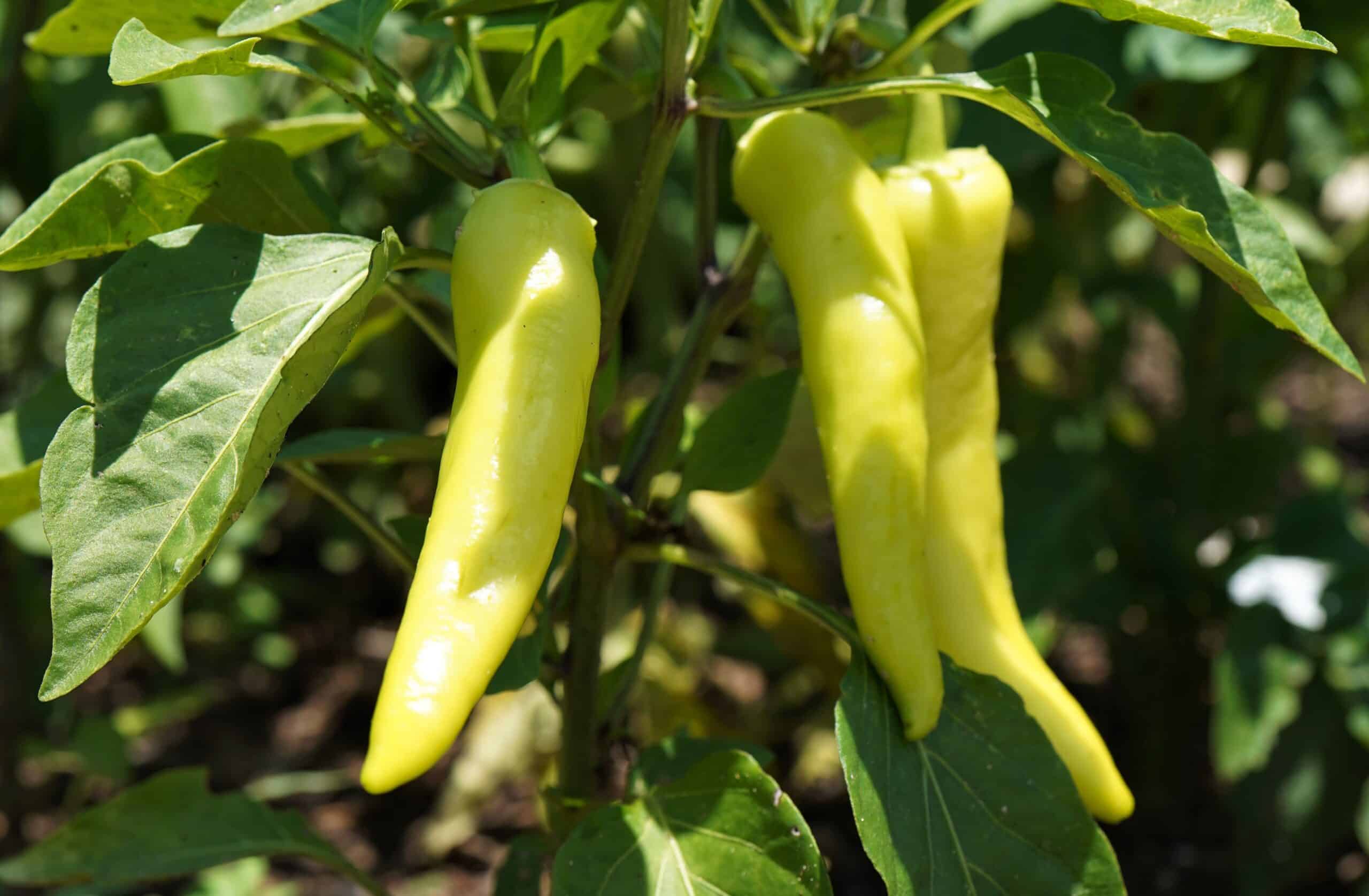
Banana peppers are mild, sweet-to-tangy chili peppers, named for their yellow, banana-like shape. They are almost always sold pickled in jars as rings or whole peppers, for use in sandwiches, pizzas, salads, and antipasti.
For a private label brand, this is a pickling and brine product. The sourcing work focuses on the brine recipe, the acidity for safety and tang, and the jar format. Banana peppers are found in the deli and condiment aisle alongside pepperoncini and other pickled peppers, so the recipe must differentiate on heat, sweetness, and crunch.
Key product choices include sweet versus hot banana peppers, sliced rings versus whole, and the brine profile. Banana peppers are naturally mild, and brands can adjust the recipe along a sweet-and-tangy to mildly hot axis using sugar, vinegar strength, and added spices. Ring-sliced product is a foodservice and sandwich staple, while whole peppers are suited for deli and antipasti positioning.
The brine controls acidity, salt, sweetness, and firmness retention, ensuring the pepper remains crunchy. A firming agent like calcium chloride is often used to maintain texture.
Production and Sourcing
Production for the European market is handled by pickled-vegetable and pepper packers, with significant supply from Turkey, Greece, Spain, and Central and Eastern Europe. These regions have concentrated pepper growing and pickling capacity.
The pepper crop is seasonal, but the pickled product is shelf-stable and produced year-round from harvested and brined stock. The harvest determines the raw cost, while the packer manages brining and jarring.
MOQs and Lead Times
Minimum Order Quantities (MOQs) for custom jarred banana peppers typically start around 3,000 to 6,000 units, due to jar, label, and recipe setup. Lower minimums are available for re-labeling an existing brine.
Lead times range from 6 to 12 weeks.
Cost Drivers and Target Market
Cost is primarily driven by the pepper grade and crop year, followed by brine ingredients (vinegar, sugar, spices), then the jar and lid, and finally the fill size.
Buyers include deli and condiment brands, pizza and sandwich foodservice, Mediterranean and antipasti ranges, and retail private label. These products are sold through grocery, delicatessen, foodservice, and online channels, where crunch, sweet-tangy balance, and a clean, clear brine influence repeat purchases and shelf appeal.
Frequently asked questions
Are banana peppers hot or mild?+
How are banana peppers different from pepperoncini?+
How do I keep the peppers crunchy in the jar?+
Should I sell rings or whole banana peppers?+
What MOQ and lead time apply to private label banana peppers?+
How long do pickled banana peppers keep?+
Explore adjacent product types
Get a vetted shortlist of banana peppers suppliers in 48 hours.
Post a brief on Wonnda. Free, no commitment. We match you with vetted manufacturers that fit your MOQ, format and market.