
Supplier vs. Distributor: Understanding the Key Differences & Choosing the Right One


Key takeaways:
- Suppliers manufacture or source products, while distributors help get them to retailers and businesses.
- Choosing the right supplier and distributor is crucial for supply chain efficiency and product availability.
- Understanding their roles helps brands optimize their private label or wholesale business strategies.
When building a private label brand or scaling a product-based business, it’s essential to understand the difference between suppliers and distributors. These two key players in the supply chain impact everything from product quality to delivery speed. While they both help businesses acquire products, their roles, responsibilities, and relationships with brands vary significantly.
In this guide, we’ll break down the key differences between suppliers and distributors, their functions, and how to choose the right partners for your business.
What is a Supplier?
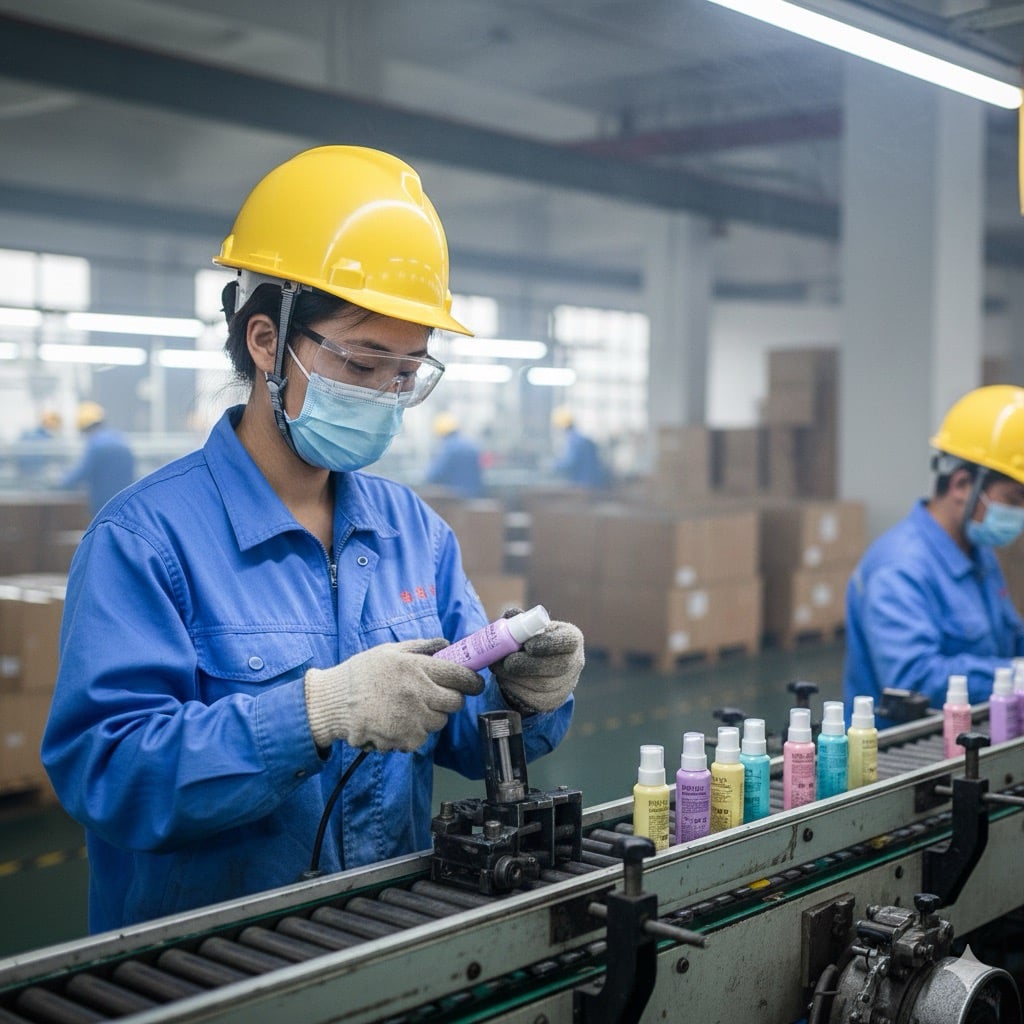
A supplier is a company or individual that provides raw materials, components, or finished goods to businesses. Suppliers can be manufacturers, wholesalers, or vendors who source products from different manufacturers. They are responsible for ensuring product availability, maintaining quality standards, and sometimes offering customization options for private label brands.
Types of Suppliers
- Manufacturers: Companies that produce goods from raw materials. They often sell in bulk to businesses looking to brand their own products.
- Wholesalers: Businesses that buy products in large quantities from manufacturers and sell them to retailers or distributors.
- Vendors: Smaller-scale suppliers that may provide specific products to businesses without large-scale production capabilities.
What is a Distributor?
A distributor acts as the middleman between suppliers and retailers or businesses. They purchase products in bulk from suppliers and resell them to stores, online retailers, or other businesses. Distributors handle logistics, warehousing, and order fulfillment, ensuring that products reach their final destination efficiently.
Roles of a Distributor
- Bulk purchasing: Distributors buy large quantities of products from suppliers.
- Warehousing and inventory management: They store and manage stock, ensuring timely delivery to retailers or brands.
- Sales and marketing support: Some distributors help brands reach new markets by leveraging their existing sales networks.
- Logistics and shipping: They coordinate transportation and ensure products reach their final destination efficiently.
Key Differences Between Suppliers and Distributors
| Feature | Supplier | Distributor |
|---|---|---|
| Role | Produces or sources products | Buys from suppliers and resells to retailers or businesses |
| Product Ownership | Creates or acquires goods | Purchases and stores goods for distribution |
| Customer Base | Sells to businesses, wholesalers, or distributors | Sells to retailers, brands, or end customers |
| Customization | Offers private label and product modifications | No product customization, only redistribution |
| Inventory Management | Produces or supplies on demand | Manages inventory and ensures availability |
| Logistics | Usually does not handle distribution | Focuses on storage, shipping, and delivery |
Choosing the Right Supplier or Distributor for Your Business
Finding the right supplier or distributor is crucial for maintaining product quality, meeting customer demands, and ensuring efficient logistics. Here’s how to make the right choice:
When to Work with a Supplier
- You need custom product manufacturing or private label solutions.
- You want to source high-quality materials or specific products.
- You prefer to work directly with manufacturers for better pricing and control.
When to Work with a Distributor
- You need a reliable partner to handle inventory and logistics.
- You want to expand your product reach through existing retail networks.
- You need fast access to pre-made products without dealing with manufacturing.
Conclusion
Understanding the difference between suppliers and distributors is key to optimizing your private label or wholesale business. While suppliers focus on providing or manufacturing products, distributors help manage inventory and ensure products reach the right market. Choosing the right partner depends on your business goals - whether you want full control over product customization or need an efficient distribution network. By making informed decisions, brands can streamline operations, reduce costs, and grow successfully in the competitive market.
Need help finding the right supplier or distributor for your private label brand? Explore trusted partners on Wonnda and simplify your sourcing process!
Related articles
15 Best European Alibaba Alternatives (2026)
10+ Best BigBuy Alternatives in 2026
15+ Top European B2B Marketplaces in 2026 - Ultimate Guide

11 Best Procurement Platforms in 2026
12 Best Thomasnet Alternatives for B2B Sourcing in 2026
Why is everything made in China? The real reasons behind the factory of the world
How to Find the Best Wholesale Suppliers For Your Brand or Retail Business (2026)

Top 5 Product Sourcing Platforms for Brands in 2026