
12+ Retail Trends 2026: The Ultimate Guide


The retail industry is evolving at an unprecedented pace, driven by AI innovations, shifting consumer behaviors, and supply chain transformations. Retailers must embrace new technologies, omnichannel experiences, and sustainability initiatives to stay competitive this year.
This guide explores the most important retail trends of this year, including AI-driven shopping experiences, supply chain optimization, and digital commerce innovations. If you're a brand, retailer, or supplier, these insights into retail trends will help you stay ahead of the curve.
Staying updated on retail trends can provide a competitive edge, helping businesses to adapt their strategies to changing consumer preferences.
1. AI-Powered Product Development
For example, AI-powered product development is among the pivotal retail trends shaping the future.
Artificial intelligence is revolutionizing product creation, allowing brands to develop new products faster, smarter, and more efficiently. AI-driven product development includes:
- Trend Analysis & Market Predictions – AI tools scan online data (social media, search trends, reviews) to identify emerging consumer demands before they go mainstream.
- Automated Formulation & Prototyping – AI assists in designing new formulations for cosmetics, food, and supplements, ensuring safety, compliance, and efficiency.
- Consumer Data-Driven Customization – AI enables brands to create hyper-personalized products tailored to specific demographics and preferences.
Why AI-Driven Product Development Matters
✅ Reduces time-to-market by automating R&D
✅ Improves accuracy in predicting which products will succeed
✅ Lowers development costs by optimizing resources
Example: Beauty brands use AI to analyze skin types, climate data, and user preferences to create customized skincare formulas that adapt to individual needs.
2. AI-Driven Sourcing & Supplier Selection
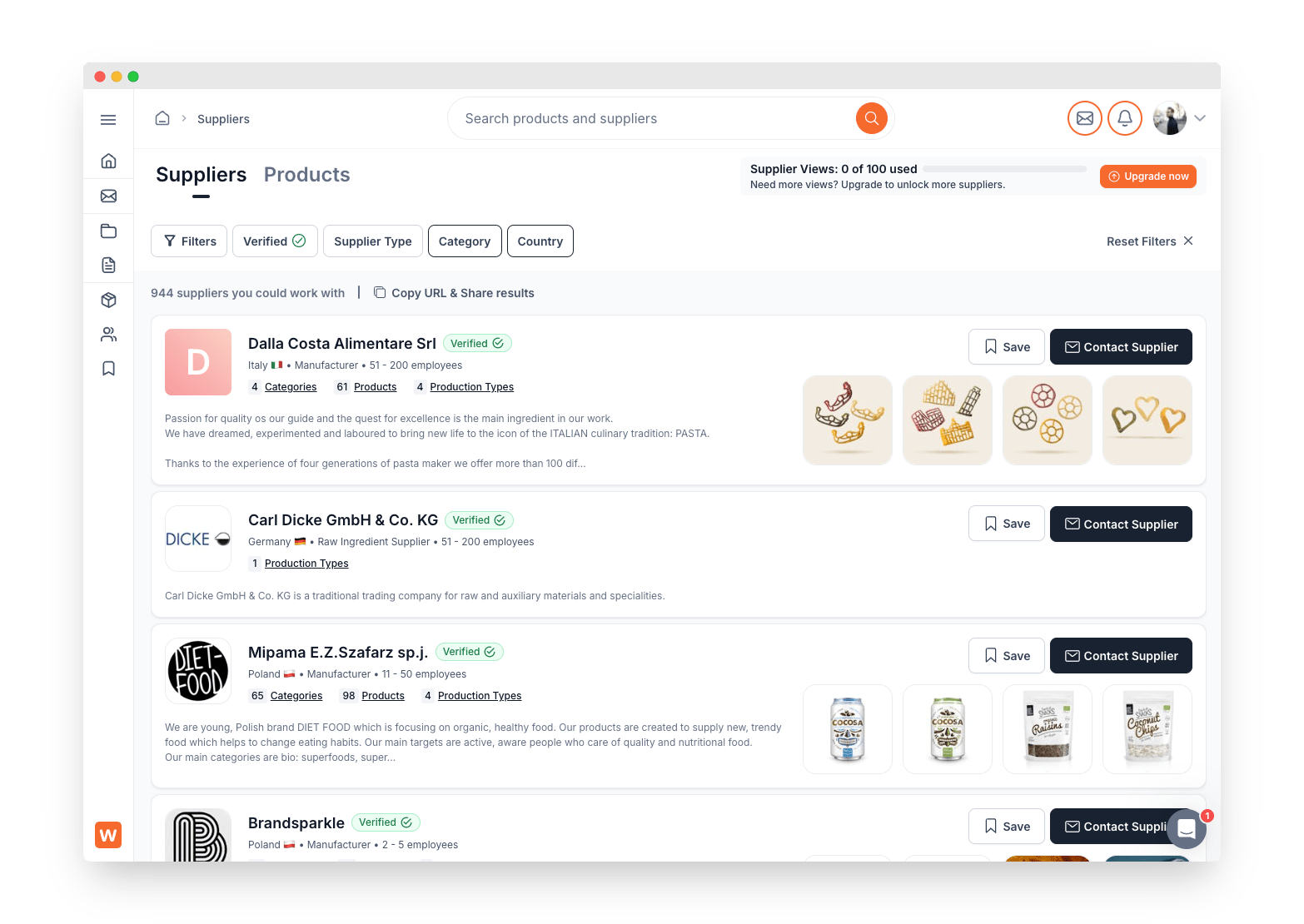
Finding the right manufacturers and suppliers is crucial for retail success. AI is making sourcing faster, more reliable, and data-driven by:
- Matching Brands with the Right Suppliers – AI platforms analyze price, production capacity, compliance, and lead times to recommend the most suitable partners.
- Predictive Sourcing – AI forecasts demand shifts, helping brands secure raw materials and components ahead of time.
- Risk Assessment – AI tools evaluate supplier stability, geopolitical risks, and market volatility to prevent supply chain disruptions.
Key Benefits of AI in Sourcing
📊 Faster decision-making through real-time insights
🔍 Reduced risks by vetting suppliers with AI-powered analytics
📉 Optimized costs by finding the most efficient supply routes
Example: Retailers use AI sourcing tools to identify sustainable suppliers that align with their ESG goals while optimizing costs.
Use Wonnda's AI Sourcing Platform
Wonnda’s platform automates supplier selection, helping brands and retailers to find the best best private label manufacturers and contract manufacturers based on specific requirements.
Instead of relying on manual research and guesswork, brands can simply submit a search request and get matched with the right suppliers with relevant capabilities, certifications, and pricing.
Wonnda enables brands to compare multiple manufacturers at once, ensuring they choose the most reliable and cost-effective option.
Are you a brand or retailer, looking for a manufacturer? You can sign up here.
3. AI-Powered Supplier Management
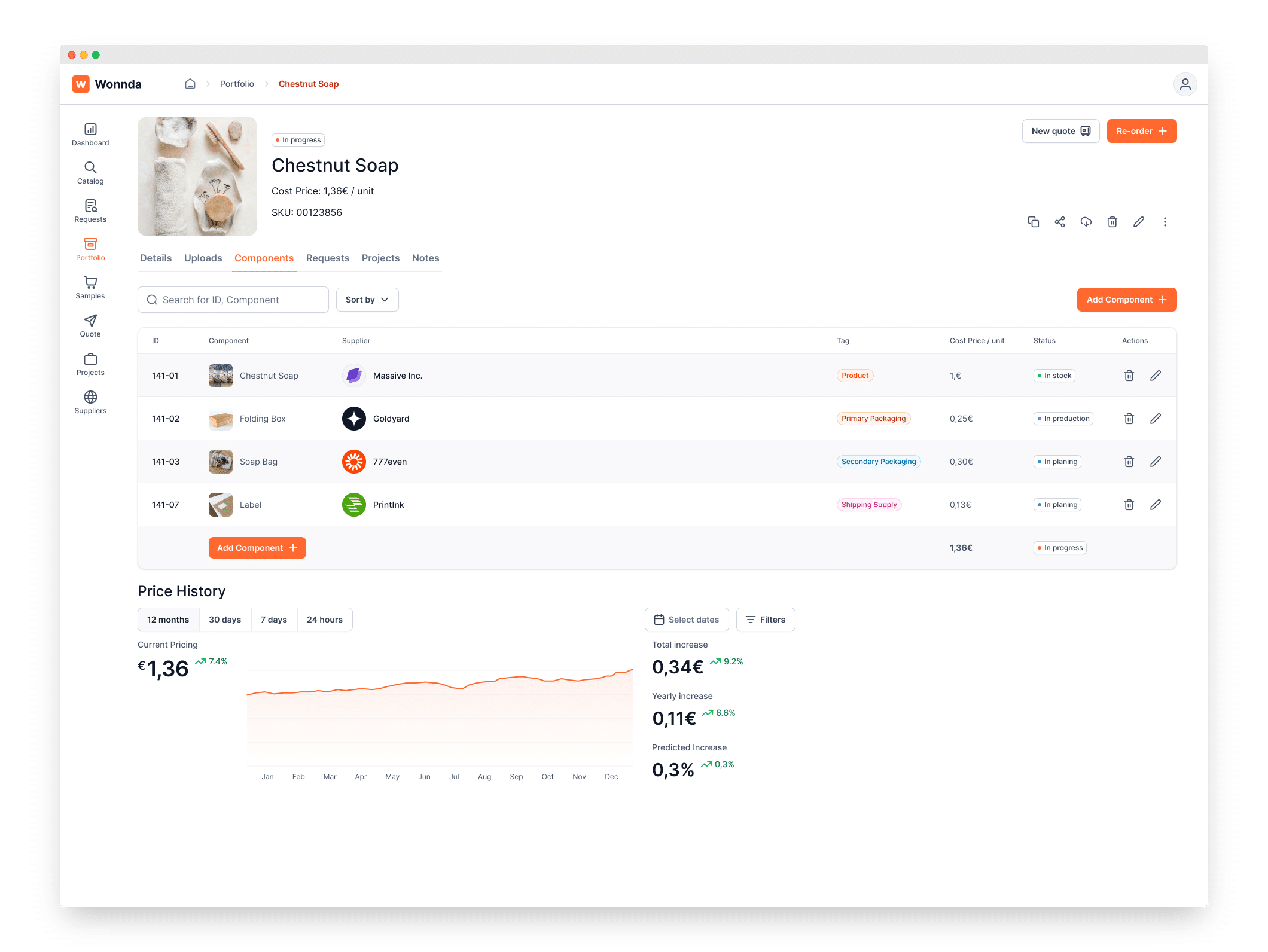
Beyond finding suppliers, AI is revolutionizing ongoing supplier management, improving efficiency, compliance, and innovation. Key applications include:
- Automated Contract Negotiation – AI tools analyze pricing models, regulatory changes, and contract terms to suggest optimized agreements.
- Supplier Performance Monitoring – AI continuously tracks quality, delivery times, and compliance metrics to ensure high standards.
- Collaborative AI Platforms – AI-driven platforms facilitate joint product innovation between brands and suppliers, reducing development cycles.
Why AI in Supplier Management is Essential
⚙️ Enhances supplier relationships through predictive issue resolution
🛠 Improves quality control by flagging potential inconsistencies
📈 Boosts innovation by recommending data-backed improvements
Example: AI tools can predict raw material shortages months in advance, allowing retailers to adjust sourcing strategies before disruptions occur.
Use Wonnda's supplier intelligence & supplier management platform
Wonnda helps brands manage supplier relationships efficiently by providing a centralized digital platform for all communication and documentation.
Brands can track supplier performance, monitor production timelines, and ensure compliance with certifications and quality standards.
By using Wonnda’s streamlined workflow tools, companies can reduce operational bottlenecks and accelerate time-to-market for their products.
4. Live Shopping & Social Commerce
Consumers are shifting towards interactive shopping experiences through live streaming and social media commerce. Key trends include:
- Live Shopping Events – Brands host live video streams where customers can ask questions, see product demos, and buy instantly.
- Social Media Marketplaces – Platforms like Instagram, TikTok, and Facebook allow in-app shopping, shortening the buying journey.
- Influencer & Community-Driven Shopping – Peer recommendations and influencer endorsements drive engagement and trust.
Why Live Shopping & Social Commerce Are Growing
📹 Boosts conversion rates by creating urgency and excitement
📱 Meets customers where they are – on social platforms
💬 Enhances trust through real-time engagement
Example: Luxury brands are hosting VIP live shopping events, offering exclusive deals and product launches to their most loyal customers.
5. Hybrid Shopping Models & AR Experiences
The fusion of online and offline shopping is becoming standard, with retailers investing in:
- Seamless Phygital (Physical + Digital) Journeys – Customers can move between in-store and online experiences effortlessly.
- Augmented Reality Try-Ons – Virtual fitting rooms and interactive product visualizations enhance the shopping experience.
- In-Store Digitalization – Smart mirrors, AI-driven kiosks, and checkout-free stores improve convenience.
Why Hybrid Shopping is Here to Stay
🛍 Blurs the line between e-commerce & brick-and-mortar
👓 Reduces return rates by allowing virtual product testing
🚀 Enhances customer confidence with AI-powered recommendations
Example: IKEA’s AR app allows shoppers to visualize furniture in their homes before purchasing, reducing return rates and increasing buyer satisfaction.
6. AI-Optimized Logistics & Quick Commerce (Q-Commerce)

Retailers are adopting ultra-fast delivery models to meet consumer demand for instant gratification. AI is playing a role in:
- Predictive Inventory Management – AI forecasts demand spikes, preventing overstocking or stockouts.
- Autonomous Delivery Solutions – Drones, self-driving vehicles, and robotic couriers accelerate last-mile logistics.
- Micro-Fulfillment Centers – Smaller urban warehouses enable same-day or even 30-minute deliveries.
Why Quick Commerce is Disrupting Retail
🚀 Fulfills instant delivery expectations
📦 Reduces logistics costs with AI route optimization
🔄 Optimizes warehouse efficiency through automation
Example: Companies like Getir and Gorillas offer 10-minute grocery delivery, setting new benchmarks for speed.
7. Sustainability & Circular Retail

Consumers are demanding eco-friendly, ethically sourced products. Leading retailers are embracing:
- Circular Supply Chains – Reuse, refurbish, and recycle materials instead of discarding.
- ESG Compliance & Ethical Sourcing – Regulations are pushing brands to track environmental impact and labor practices.
- Sustainable Packaging – Biodegradable, reusable, and minimal packaging solutions are becoming the norm.
Why Sustainability Matters in Retail
🌍 66% of strategic sourcing decisions now factor in ESG compliance
♻️ Circular supply chains reduce waste & costs
💚 Consumers prefer brands with clear sustainability goals
Example: Patagonia’s Worn Wear program lets customers trade in old clothing for store credit, promoting circular consumption.
Are you looking for sustainable manufacturers?
Wonnda allows brands to identify manufacturers that prioritize sustainability, ensuring compliance with ESG (Environmental, Social, and Governance) standards.
Brands looking to reduce waste and integrate recycled materials into their products can find eco-conscious suppliers through Wonnda’s vetted network.
With increasing regulatory pressure on ethical sourcing, Wonnda helps businesses verify their supply chain transparency and sustainability commitments.
If you want to find a sustainable manufacturer for your product line, you can create an account here.
8. Blockchain for Transparency & Supply Chain Resilience
Blockchain technology is improving supply chain transparency by:
- Tracking product origins & ethical sourcing
- Preventing counterfeiting with immutable records
- Enhancing trust between brands and consumers
Why Blockchain Adoption is Growing
🔗 Increases accountability in supply chains
🔍 Reduces fraud & counterfeits
📜 Ensures compliance with sourcing regulations
Example: Walmart uses blockchain to track food products from farm to shelf, ensuring safety and traceability.
9. AI-Powered Pricing & Dynamic Promotions
Moreover, AI-driven pricing strategies are integral to adapting to the latest retail trends in pricing optimization.

Asian businesswoman using laptop to check balance and online shopping enjoy online shopping using credit card.
Retailers are using AI-driven pricing algorithms to adjust product prices in real time based on:
- Market demand & competitor pricing
- Customer browsing behavior & purchasing patterns
- Inventory levels & seasonality trends
Why Dynamic Pricing Matters
💰 Maximizes revenue by balancing price elasticity
📊 Personalizes discounts to increase conversions
⏳ Reduces excess inventory with strategic markdowns
Example: Amazon continuously adjusts prices based on real-time data, ensuring competitive pricing while maximizing profit margins.
10. AI-Powered Fraud Prevention & Cybersecurity
With the rise of digital commerce, retailers are investing in AI to:
- Detect fraudulent transactions in real time
- Prevent data breaches and identity theft
- Automate risk assessment for online payments
Why Retailers Need AI Cybersecurity
🔐 Protects against rising online fraud (E-commerce fraud grew by 14% in 2024)
💳 Safeguards customer data & brand reputation
📈 Reduces chargebacks and financial losses
Example: Mastercard uses AI fraud detection tools to analyze billions of transactions per second, identifying anomalies before fraud occurs.
11. AI-Generated Content & Virtual Shopping Assistants
Retailers are leveraging AI-powered content creation to enhance customer engagement through:
- Automated product descriptions optimized for SEO
- AI-generated ad copy & email marketing campaigns
- AI-powered customer service chatbots with personalized responses
Why AI-Generated Content is the Future
📝 Reduces content production costs
🎯 Ensures consistency in branding & messaging
🤖 Enhances customer engagement with smart assistants
Example: E-commerce platforms like Shopify use AI to auto-generate product descriptions, ads, and customer emails, optimizing conversions.
12. AI-Powered Workforce Optimization & Automation
AI is streamlining retail workforce management by:
- Optimizing employee scheduling based on demand forecasts
- Automating repetitive in-store and back-office tasks
- Enhancing employee training with AI-driven coaching tools
Why AI Workforce Optimization is Important
📉 Reduces labor costs while improving efficiency
⚡ Enhances employee satisfaction with fair scheduling
🛒 Improves customer service by optimizing staffing levels
Example: Walmart uses AI to analyze store traffic and adjust employee shifts dynamically, ensuring the right staff at the right time.
13. Subscription Commerce & AI-Driven Retention Strategies

Brands are shifting toward subscription-based models, where AI helps:
- Predict which products customers will reorder
- Personalize subscription bundles based on preferences
- Reduce churn by identifying at-risk subscribers
Why Subscription Models Are Growing
In conclusion, leveraging retail trends such as AI-driven insights and sustainability will be vital for future success.
📦 Increases customer lifetime value (CLV)
🔁 Ensures recurring revenue & customer loyalty
📊 Improves retention with AI-driven engagement strategies
As we anticipate future retail trends, brands must remain agile and responsive to new developments.
Example: Beauty brand Ipsy uses AI to curate personalized beauty subscription boxes, ensuring higher customer satisfaction and long-term retention.
14. Private Label & Store Brands
Private label products are experiencing rapid growth as brands and retailers seek higher profit margins, stronger brand identity, and greater control over product quality.
Retailers and D2C brands are increasingly investing in exclusive private label lines across categories like beauty, supplements, food, and household goods.
The private label market accounts for 30% of retail sales in Europe and 21% of retail revenue in the US. Private label trends cannot be ignored in retail and should be part of a retailer's core strategy:
- Consumers are trusting private label brands more than ever, with many preferring them over national brands due to competitive pricing and perceived quality.
- Retailers are expanding their private label offerings, shifting focus from generic store-brand products to premium, niche, and specialized formulations.
- Private label allows brands to differentiate themselves, ensuring exclusive products that competitors can’t sell.
How Wonnda Helps Brands Build Successful Private Label Products
- Access to Top Private Label Manufacturers – Wonnda connects brands with certified private label manufacturers across multiple industries, ensuring high-quality production.
- Faster Go-to-Market – With Wonnda’s fully digital sourcing platform, brands can quickly find, compare, and collaborate with manufacturers to launch new product lines.
- Customizable & White Label Options – Whether brands need custom formulations or ready-made white-label products, Wonnda provides sourcing solutions tailored to their needs.
- Seamless Supplier Communication – Wonnda streamlines supplier negotiations, sampling, and production management, reducing sourcing complexity.
As private label continues to dominate retail, Wonnda is the go-to B2B platform for brands looking to develop exclusive product lines efficiently and cost-effectively.
Conclusion: AI is Defining Retail Trends
Retail this year will be shaped by AI-driven product development, smart sourcing, seamless shopping experiences, and sustainability. Brands that embrace these changes will thrive, while those that resist risk falling behind.
Understanding retail trends is crucial for brands, retailers, and suppliers aiming to innovate and meet customer demands effectively.
🔍 Key Takeaways:
✅ AI will dominate product development, sourcing, and supplier management
✅ Live shopping, hybrid retail, and AR will define the shopping experience
✅ Sustainability, blockchain, and transparency will be non-negotiable
Related articles

GLP-1 Companion: What It Is, Examples and Why It Matters for Brands

10+ Top Supplement Trends in 2026 (Exclusive Wonnda Data)

PPWR Regulation: What EU Brands Must Do by 2030

White Label Mushroom Coffee: The 2026 Sourcing Guide for Brands
Made in USA Cookware: Why More Brands Are Reshoring Production

10+ Best European Supplement Brands in 2026

10+ Best German Supplement Brands in 2026

Top 5 D2C Trends to Watch for in 2026