Food Manufacturing Explained: Definition, Best Practices & More

Key Takeaways:
- Partnering with reliable manufacturers helps brands bring products to market faster, reduce risks, and scale efficiently, allowing you to focus on branding, marketing, and customer relationships.
- Food manufacturing is the process of turning raw ingredients into safe, high-quality finished food products through standardized production methods like mixing, cooking, packaging, and labeling.
- Successful food manufacturing depends on consistent quality control, compliance with food safety regulations, and clear communication between brands and manufacturing partners.
What is Food Manufacturing?
Food manufacturing is the industrial process of transforming raw materials like grains, fruits, vegetables, oils, and proteins into finished food products that are ready for consumption. This includes a wide variety of processes such as mixing, cooking, fermenting, freezing, drying, packaging, and labeling. The goal is to create safe, high-quality, and consistent food products that meet both consumer expectations and regulatory requirements.
From packaged snacks and frozen meals to sauces, spreads, and functional beverages, food manufacturing plays a critical role in the global food supply chain. Whether producing large-scale volumes for supermarkets or small batches for niche brands, manufacturers are responsible for ensuring that every product meets specific safety, nutritional, and quality standards.
How Does the Food Manufacturing Process Work?
The food manufacturing process is designed to ensure that every product is produced safely, consistently, and in line with regulatory requirements. Whether you’re making snacks, sauces, frozen meals, or functional drinks, the process typically follows several key stages, each playing a vital role in delivering a high-quality, market-ready product.
1. Ingredient Sourcing
The first step in food manufacturing is sourcing high-quality raw materials. Manufacturers often work with a network of trusted suppliers who provide ingredients that meet strict specifications regarding grade, origin, purity, and certifications. Depending on your product positioning, you may require special claims such as organic, non-GMO, vegan, gluten-free, allergen-free, or fair trade.
Ingredient sourcing includes:
- Verifying supply chain transparency and traceability.
- Ensuring ingredient quality through certificates of analysis (COA).
- Checking compliance with regional food safety standards.
- Establishing contracts with reliable ingredient suppliers to maintain consistency.
The quality of your final product depends heavily on the quality of the raw materials, which makes ingredient sourcing one of the most important steps in the manufacturing process.
2. Recipe Development & Testing
Once the ingredients are sourced, the next stage involves recipe development and testing. Some brands come with fully developed recipes, while others collaborate with the manufacturer’s research and development (R&D) team to create custom formulations.
During this phase, the focus is on:
- Achieving the desired flavor, texture, appearance, and nutritional profile.
- Testing for shelf stability and microbial safety to ensure the product remains safe and appealing over time.
- Conducting pilot production runs or lab tests to evaluate how the product performs at different batch sizes.
- Adjusting ingredients and processes based on test results and market feedback.
This step ensures that your product is not only delicious and on-brand but also safe, scalable, and compliant with regulations.
3. Production & Processing
With the recipe finalized, full-scale production and processing begins. The exact process depends on the product category but may involve methods like mixing, baking, fermenting, grinding, freezing, pasteurizing, or bottling.
Manufacturers use industrial equipment designed for food safety, efficiency, and consistency, with strict hygiene protocols in place to prevent contamination. Key considerations in this phase include:
- Precise control of temperature, time, and mixing processes.
- Minimizing cross-contamination, especially for allergen-sensitive products.
- Monitoring batch consistency and yield.
Well-managed production processes allow for efficient scaling without compromising product quality.
4. Quality Control & Safety Checks
Throughout the manufacturing process, quality control (QC) and food safety checks are conducted to ensure that products meet health, safety, and labeling requirements. Testing happens at multiple stages, including:
- Raw ingredient inspection.
- In-process quality monitoring.
- Final product testing for microbiological safety, shelf life, texture, flavor, and packaging integrity.
- Verification of allergen controls and accurate ingredient listings.
Many food manufacturing facilities are certified according to standards like Good Manufacturing Practices (GMP), ISO 22000, BRCGS (Brand Reputation Compliance Global Standard), or IFS (International Featured Standards). These certifications provide assurance that safety protocols are in place and followed consistently.
5. Packaging & Labeling
After production and safety checks, the finished products are packaged into consumer-ready formats. This step is critical not only for product protection and shelf life but also for brand presentation and compliance.
Packaging options may include jars, bottles, cans, pouches, vacuum-sealed bags, or boxes, chosen based on the product type and storage needs. Effective packaging maintains product freshness and protects it from light, moisture, oxygen, and physical damage.
Labels must include:
- Complete ingredient lists (following INCI or regional standards).
- Nutritional information per local regulations.
- Allergen statements where applicable.
- Usage instructions, best-before dates, and storage recommendations.
- Verified claims like “organic,” “gluten-free,” or “vegan” (only if supported by documentation).
Clear, compliant labeling builds consumer trust and helps avoid regulatory issues.
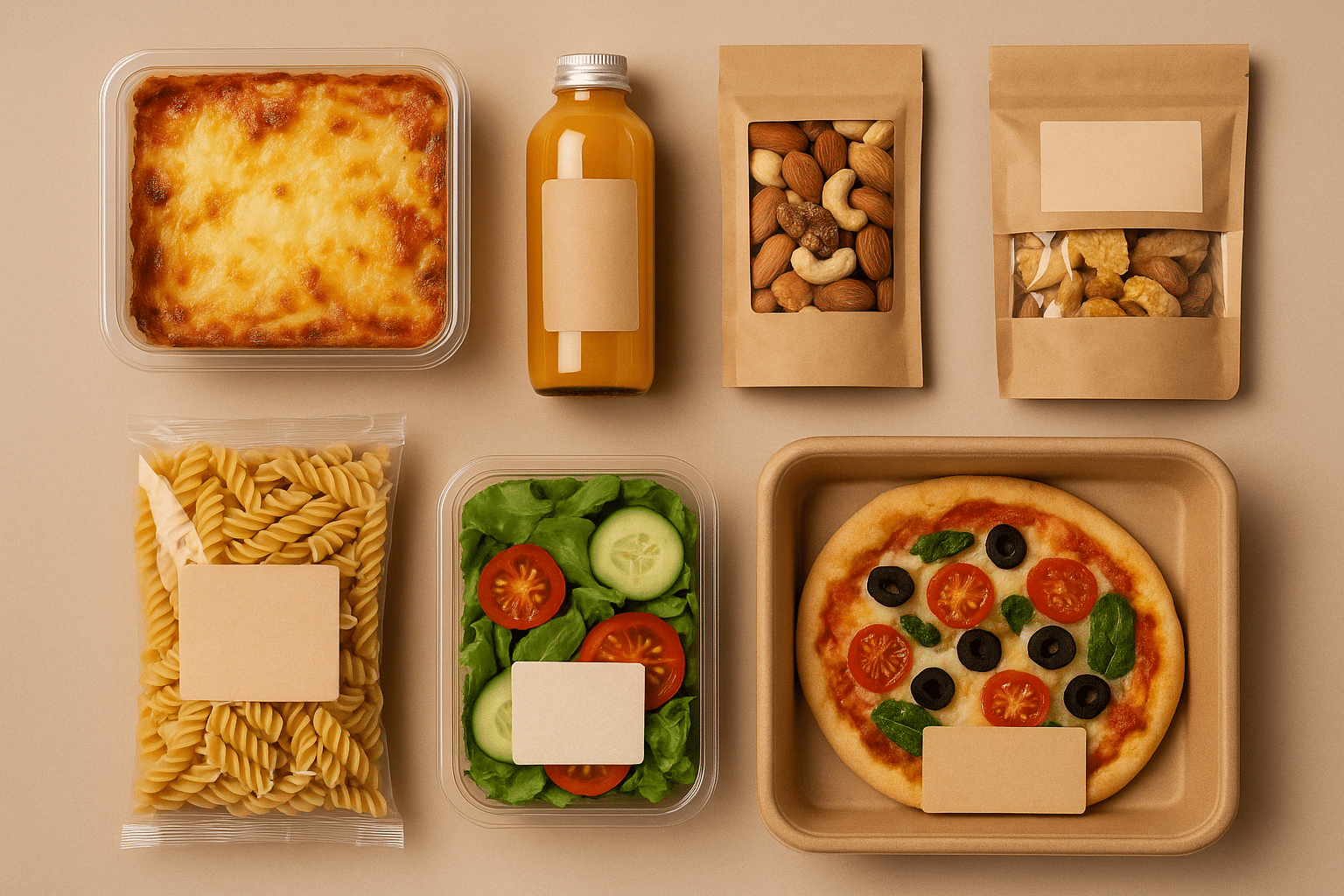
Private label packed food.
6. Logistics & Distribution
The final step involves storage, logistics, and distribution. Depending on the product, this may require refrigerated or frozen storage, dry warehousing, or specialized packaging for transportation.
Food manufacturers may handle distribution themselves or work with logistics partners to deliver products to:
- Wholesale distributors.
- Retailers and supermarkets.
- E-commerce warehouses.
- Direct-to-consumer fulfillment centers.
Efficient logistics ensure that products reach the market on time, in good condition, and in compliance with storage requirements which is essential for maintaining product quality and customer satisfaction.
Why Food Manufacturing Matters for Your Brand
Whether you’re launching a new food startup or expanding an existing product line, working with a reliable manufacturer allows you to focus on branding, sales, and marketing while trusting your production partner to maintain product quality.
Choosing the right food manufacturer ensures:
- Consistent product quality and safety.
- Compliance with food regulations in your target markets.
- Efficient production at scale, reducing waste and costs.
- Faster speed to market, giving your brand a competitive edge.
Manufacturers often have access to specialized equipment, ingredient sourcing networks, and expertise that would be costly or time-consuming to manage in-house.
Best Practices for Food Manufacturing
To ensure successful production and a trustworthy partnership with your manufacturer, here are some best practices to follow:
Focus on Ingredient Quality
Start with high-quality raw materials. Work with suppliers who provide full traceability, certifications, and ingredient documentation. Ingredient quality has a direct impact on flavor, safety, and customer satisfaction.
Prioritize Regulatory Compliance
Understand the food safety regulations in your target markets (such as the EU, US FDA, UK, or other regions). Ensure your manufacturer complies with certifications like GMP, HACCP, ISO 22000, BRCGS, or IFS Food Standards. Proper labeling and allergen declarations are also essential.
Start Small and Scale Gradually
Many food brands make the mistake of scaling production too quickly. Start with smaller batches to validate your product, gather customer feedback, and make adjustments before committing to large production runs.
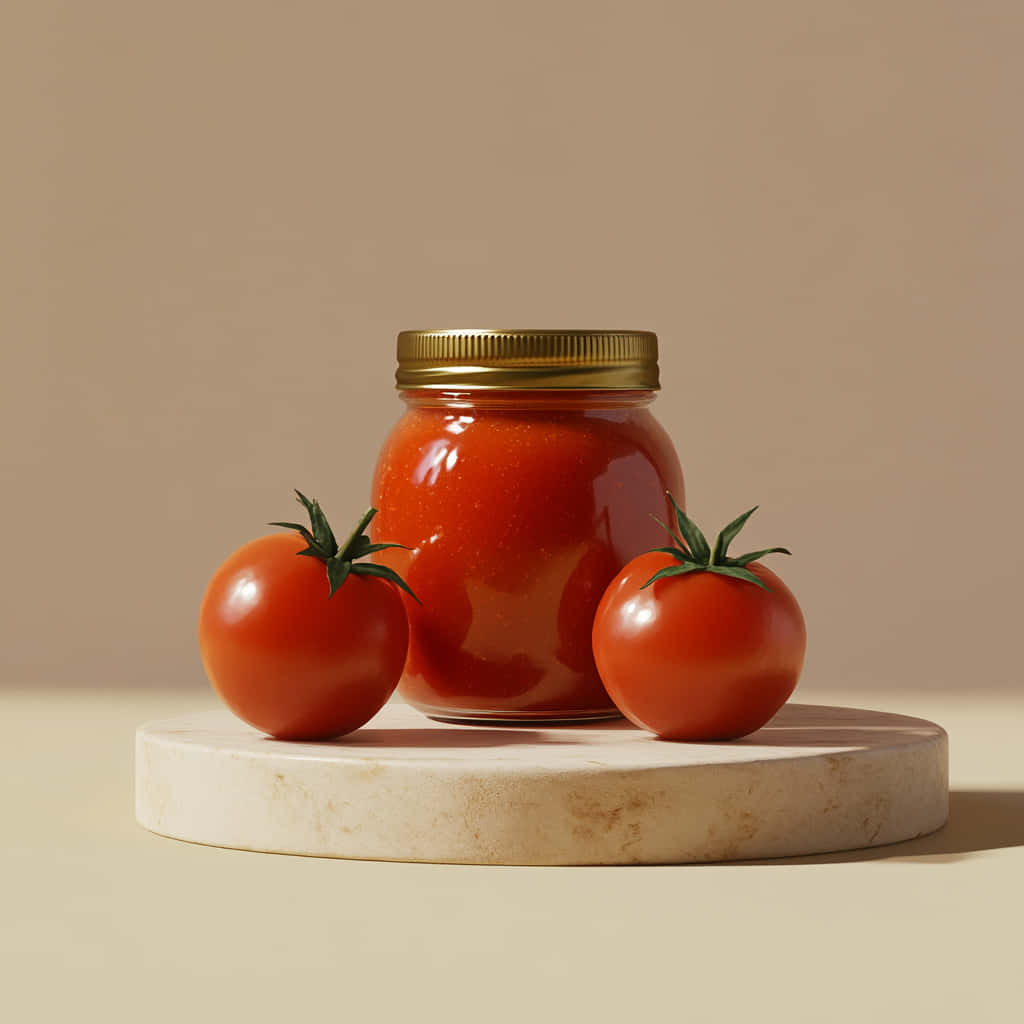
Private label tomato sauce.
Maintain Clear Communication
Strong, transparent communication with your manufacturing partner is key. Be clear about product specifications, timelines, ingredient sourcing, and packaging details. Request regular updates and quality reports.
Test and Validate
Always request production samples and conduct internal testing before approving a full run. This helps catch any issues early and ensures your product meets your standards.
Plan for Shelf Life and Storage
Understand your product’s shelf life and proper storage conditions. Factor this into your packaging decisions and distribution strategy to avoid spoilage or product degradation.
Types of Food Manufacturing Services
Choosing the right manufacturing approach depends on your product type, business goals, target market, and how much control you want over formulation and production. Understanding the different types of food manufacturing services can help you select the best path for your brand, whether you're looking to launch quickly with minimal investment or build a fully customized product from scratch.
Private Label Manufacturing
Private label manufacturing allows you to partner with producers who already offer finished, high-quality products that are ready to be branded under your own label. You can choose from a catalog of pre-formulated products like protein bars, sauces, beverages, or snacks, and personalize elements like packaging design, labeling, and sometimes flavors or sizes.
This model is especially attractive for:
- Startups and entrepreneurs who want to enter the market quickly with proven products.
- Retailers or concept stores looking to offer exclusive house-branded items.
- Influencers and creators who want to monetize their audience with branded food lines.
Private label manufacturing reduces the need for R&D investment and minimizes risk, making it one of the fastest and most cost-effective ways to launch a food brand. However, customization options for the product itself are usually limited to packaging and branding.
Contract Manufacturing (Co-Packing)
Contract manufacturing, also known as co-packing, involves working directly with a manufacturing partner to produce your custom recipe or formulation. In this model, the brand owner provides the product concept or formula, and the manufacturer handles production, packaging, and often ingredient sourcing.
Some manufacturers also offer R&D services to help you develop the recipe or improve existing formulations. This gives you greater control over:
- Ingredients and nutritional profiles.
- Flavor, texture, and product differentiation.
- Unique packaging formats or portion sizes.
Contract manufacturing is ideal for brands that want to stand out with exclusive recipes and product features that can’t be easily replicated by competitors. However, this approach usually requires higher upfront investment, longer lead times, and potentially higher minimum order quantities (MOQs).
Ingredient-Only Sourcing
In some cases, brands may choose to source raw ingredients or semi-finished products directly from suppliers and handle production themselves, either in their own facility or by working with local partners for the final assembly and packaging.
This model is often used by:
- Brands with their own manufacturing capabilities.
- Food service businesses like restaurants or catering companies that require specialized ingredients.
- Companies producing artisan or small-batch products where control over the ingredient source is critical.
Ingredient sourcing allows for full transparency and control over what goes into the product but requires more operational complexity, regulatory compliance, and infrastructure on the brand’s side.
White Label Sourcing
White label sourcing refers to buying generic, pre-manufactured food products that are sold with minimal or no customization. These products are typically produced in bulk and offered at lower costs because they are standardized and not branded until they are sold by the buyer.
White label sourcing is common in:
- Foodservice and hospitality sectors (hotels, cafes, catering).
- Supermarkets offering bulk or value-line products.
- Startups wanting to test market demand before investing in full branding or customization.
While this approach allows for the lowest investment and fastest market entry, it provides little differentiation from other brands using the same products. It’s often used as a stepping stone before moving to private label or contract manufacturing once the brand gains traction.
How to Find the Right Food Manufacturing Partner
Finding the right manufacturing partner can be challenging, especially if you’re navigating different regions, certifications, and MOQs. Platforms like Wonnda simplify this process by connecting brands directly with vetted food manufacturers. You can compare suppliers, request samples, and communicate through a centralized platform, making it easier to find the best fit for your product and business goals.
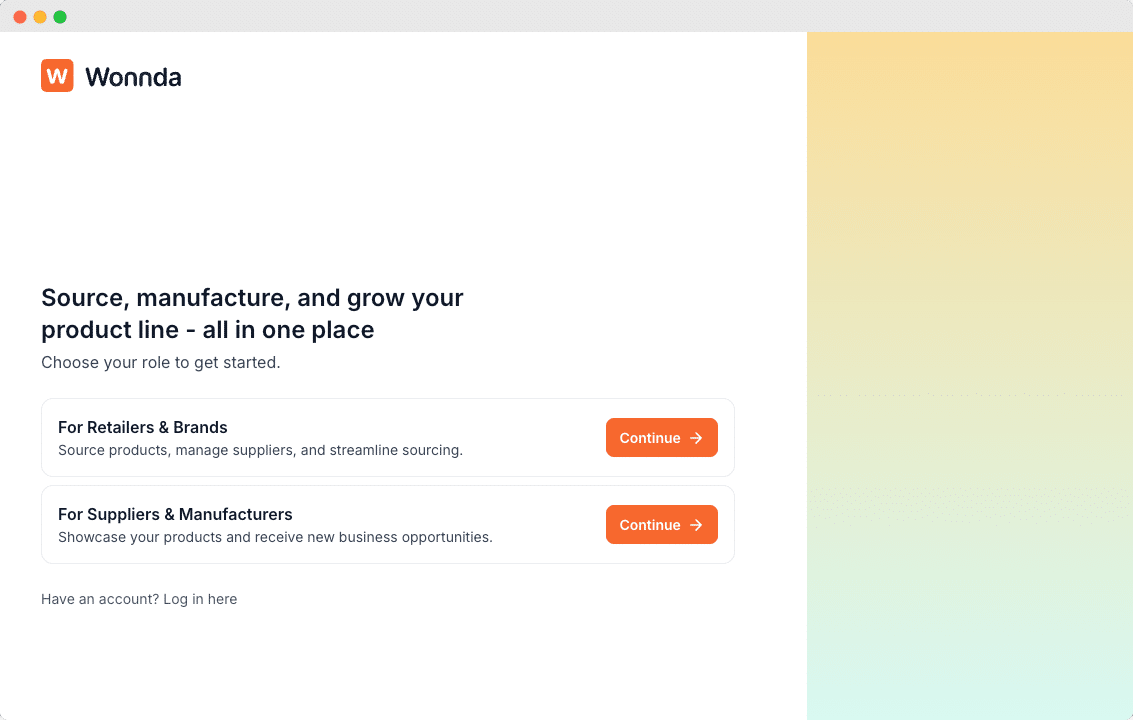
Wonnda helps reduce sourcing risks and gives you access to experienced manufacturers who understand regulatory requirements and can scale production as your brand grows.
Final Thoughts on Food Manufacturing
Food manufacturing is much more than just making products - it’s about building a reliable, scalable system that ensures product safety, quality, and consistency at every step. Whether you choose private label, contract manufacturing, or ingredient sourcing, partnering with the right manufacturer allows you to bring your food product ideas to life efficiently and successfully.
By understanding how food manufacturing works and following best practices, you can focus on what really matters: creating delicious products, growing your brand, and building lasting relationships with your customers.
Related articles
Best Clothing Manufacturers in Europe - 2026 Guide by Wonnda

10+ Best Beauty Manufacturers in the US (2026 List)

How to Find a Manufacturer for Your Product (2026 Guide)
European Suppliers: How to find the best EU suppliers in 2026

10 Best European Sourcing Agencies To Find Suppliers & Launch Your Product
How to Start a Premium Private Label Cookware Brand: The Complete Guide
5+ Best Private Label Nonstick Cookware Manufacturers
5+ Best Private Label Cookware Manufacturers in the USA (2026)