
Best private label tomato sauce manufacturers
Shortlist private label tomato sauce suppliers on Wonnda. Tomato sauces can be packed into jars, cans, pouches, or cartons, with key sourcing variables including the tomato base, whether from fresh-season crushed tomatoes, reconstituted paste, or a blend. This choice significantly impacts taste, color, and BRIX, which indicates richness. Some suppliers offer organic or sustainably certified options, ensuring alignment with specific brand values and consumer demands, all while managing lead times effectively.
- Vetted suppliers
- 20,000+
- Brands & buyers
- 25,000+
- EU-made
- 80%
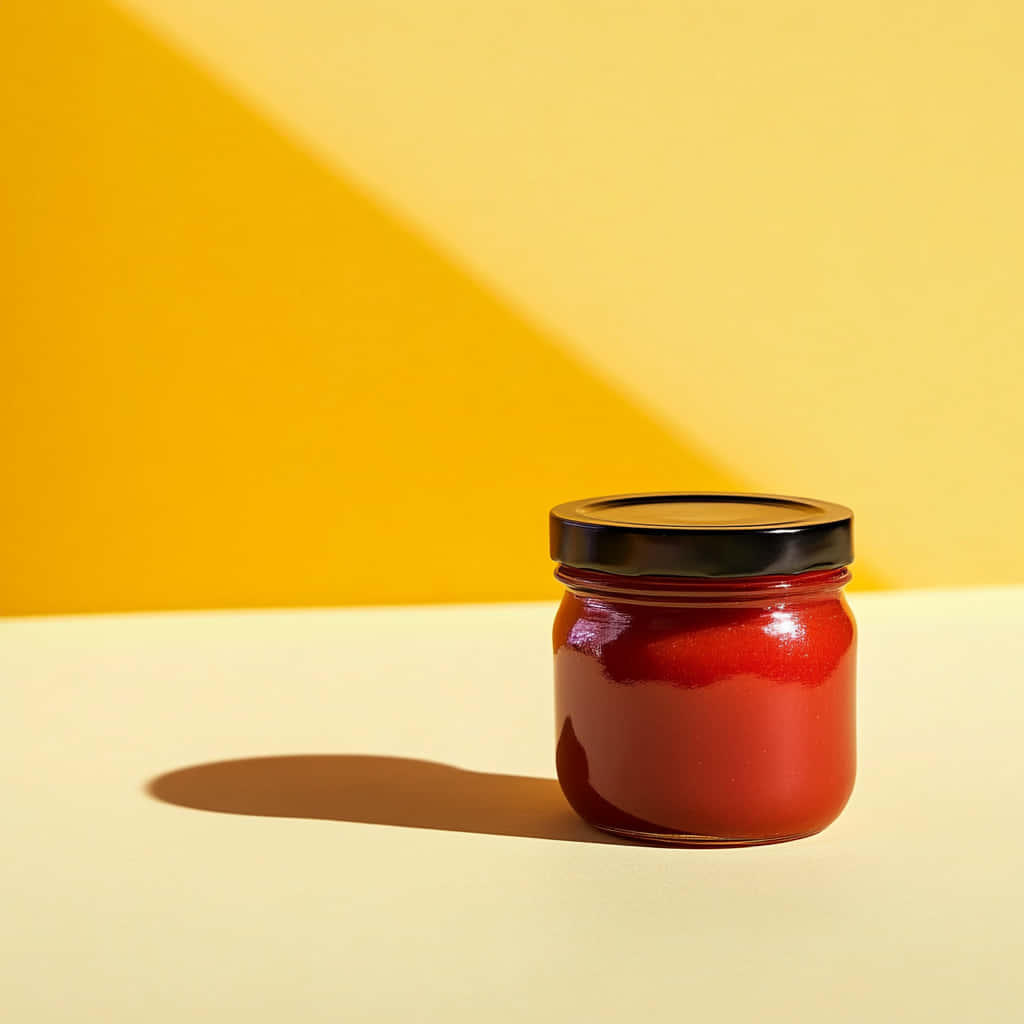
5+ Top private label tomato sauce manufacturers
Wonnda works with the best private label tomato sauce manufacturers. Here is a list of trusted suppliers from our network.
 Private LabelContract Manufacturing
Italy-based manufacturer producing canned tomatoes, pesto sauce, canned pulses, available to brands sourcing tomato sauce.
- Country
- Italy
- MOQ
- Lead time
 Private LabelContract Manufacturing
Malta-based manufacturer producing tomato sauce, canned tomatoes, canned beans, available to brands sourcing tomato sauce.
- Country
- Malta
- MOQ
- Lead time
 Private LabelContract ManufacturingWholesale
Italy-based manufacturer producing peanut butter, mayonnaise, chocolate spreads, available to brands sourcing tomato sauce.
- Country
- Italy
- MOQ
- Lead time
 Private LabelContract ManufacturingWholesale
Europe-based manufacturer producing organic tomato passata, organic peeled tomatoes, organic chopped tomatoes, available to brands sourcing tomato sauce.
- Country
- -
- MOQ
- Lead time
 Private LabelContract ManufacturingWholesale
Europe-based manufacturer producing vegan pasta, seafood pasta, goat milk pasta, available to brands sourcing tomato sauce.
- Country
- -
- MOQ
- Lead time
Compare MOQs and lead times
Quick side-by-side of the shortlist. Missing values shown as a dash.
| Supplier | Location | Types | MOQ | Lead time |
|---|---|---|---|---|
| Gruppo La Doria | Italy | PL · CM | ||
| Magro Brothers | Malta | PL · CM | ||
| Elvita Foods | Italy | PL · CM · WS | ||
| Manfuso | - | PL · CM · WS | ||
| Dolopia | - | PL · CM · WS |
Buyer criteria
- Tomato base and BRIX
Pin down whether the sauce uses crushed season tomatoes, paste or a blend, and the target BRIX, because this drives taste, color, body and cost more than anything else. A premium claim needs a credible base. Ask for the specification and a sample, since a sauce reconstituted from cheap paste cannot deliver the fresh-tomato character a crushed-base sauce provides.
- Recipe authenticity and ingredients
Match the recipe and ingredient quality to your positioning: real olive oil versus a cheaper oil, fresh versus dried aromatics, no added sugar if that is your claim. Review the full ingredient list. An Italian or premium story must be backed by the actual recipe, not just label design, so confirm what goes into the sauce beyond the tomato.
- Thermal process and acidity validation
Confirm the packer has a validated thermal process matched to the sauce's acidity, whether hot-fill or retort, and holds the records. This is the safety backbone of an ambient product. Ask about pH control and process validation, because an under-processed low-acid sauce is a serious food-safety risk that is invisible in the finished jar.
- Format and shelf appeal
Choose jar, can, pouch or carton to fit your channel and price tier, and confirm the packer runs that format well. Glass jars suit premium retail but cost more and add weight, cans and cartons suit value and foodservice. Check the fill looks clean and the color is bright on samples, since appearance through glass is part of the shelf proposition.
- Color and batch consistency
Ask how the packer holds color and flavor consistent across batches and crop years, since overcooked or oxidized sauce turns dull brown-red and tastes flat. Request samples from more than one batch if possible. Color and taste drift between deliveries generates complaints, so a packer's control over consistency is a real quality criterion for a repeat-purchase grocery product.
Red flags
- Dull brown sauce color
A sauce that looks dull, brownish or oxidized rather than bright red signals overcooking, poor base quality or oxidation during processing. Color is the first thing a shopper judges through glass. If samples are flat in color, the product will struggle on shelf and likely tastes overcooked too, so treat poor color as evidence of weak base or process control.
- No process or pH records
If the packer cannot show a validated thermal process and pH records for the recipe, the ambient safety of the product is unproven. Tomato sauce relies on acidity and heat for shelf stability, and an under-processed batch is a genuine hazard. Missing process documentation is disqualifying for any shelf-stable product regardless of how good the taste samples are.
- Premium claim on cheap paste base
A quote marketing a premium Italian or fresh-tomato sauce while built on reconstituted low-grade paste is selling a story the product cannot support. The base is the largest taste and cost driver. If the price is too low for a crushed-tomato claim, the base has almost certainly been downgraded, leaving you with a labeling and quality mismatch.
- Vague ingredient substitution terms
A contract that lets the packer swap olive oil for a cheaper oil, or fresh aromatics for powders, without your approval invites a quiet quality erosion after the first order. Fix the key ingredients and grades in the specification, since the oil, aromatics and tomato base are exactly the components a packer can cost-down where customers will eventually taste the difference.
Manufacturing process
- 01
Tomato base selection
The packer fixes the base: fresh-season crushed tomatoes, reconstituted tomato paste, passata, or a blend. This sets the BRIX, color, taste and cost of the whole product. A crushed-tomato base in season delivers a fresher, brighter sauce and a premium claim, while a paste base allows consistent year-round production at lower cost. The base decision underpins every downstream recipe choice.
- 02
Ingredient preparation
Onions, garlic and fresh vegetables are diced and often sweated in oil, herbs and spices are measured, and any added sugar, salt and acidulant are prepared. The preparation and order of cooking build the flavor base. For a simple sugo this is minimal, while a marinara or arrabbiata involves more aromatics, chili and herb work that distinguishes the recipe.
- 03
Cooking and reduction
The tomato base and prepared ingredients are cooked together to develop flavor, meld the seasoning and reduce to the target consistency and BRIX. Cook time and temperature balance flavor development against color: overcooking dulls the bright red and flattens the fresh-tomato note. The cook is where a flat tomato base becomes a rounded, seasoned sauce with the body buyers expect.
- 04
Seasoning and acidity adjustment
The sauce is adjusted for salt, sugar, herb balance and acidity. Acidity matters for both taste and safety, since a sufficiently acidic product allows a milder hot-fill process. The final seasoning is checked against the standard recipe so every batch matches the approved flavor, and any vegetable or oil inclusions are confirmed at the agreed levels.
- 05
Hot filling or retort
The hot sauce is filled into jars, cans, pouches or cartons and sealed, then either hot-filled and held for an acidic product or retorted for lower-acid recipes, to achieve commercial sterility and ambient shelf life. The thermal process is validated to the recipe's acidity. This step is what makes the product shelf-stable without refrigeration and is central to its safety.
- 06
Cooling and coding
Filled containers are cooled to stop the cook and protect color and texture, then coded with lot numbers and best-before dates. Seal integrity and fill weight are checked through the run. Proper cooling prevents the dull, overcooked taste that comes from holding sauce hot too long after the thermal process is complete.
- 07
Quality control and labeling
Finished product is checked for BRIX, pH, consistency, seal integrity, fill weight and sensory match to the standard. Allergen and any origin or organic claims are verified, then containers are labeled, cased and palletized with the batch documentation. Acidity and process records are retained as the safety evidence for the ambient product.
Understanding tomato sauce private-label manufacturing
Product Overview
Tomato sauce is a cooked, seasoned tomato product that can be filled into jars, cans, pouches, or cartons. It ranges from a plain passata to a fully developed pasta sauce, depending on the inclusion of onion, garlic, herbs, and oil. For private label brands, the primary sourcing variable is the tomato base: fresh-season crushed tomatoes, reconstituted tomato paste, or a blend. This choice significantly impacts taste, color, BRIX (soluble solids indicating richness), and cost.
Different recipe variations include a simple sugo, herbed marinara, arrabbiata with chili, or richer sauces with vegetables and oil. Each variation influences the ingredient list, cook time, and acidity. Format is another key consideration: glass jars are premium for retail, cans and cartons suit value and foodservice, and pouches serve specific channels. The fill and thermal process must ensure commercial sterility for ambient shelf life, making this a hot-fill or retort product.
Manufacturing and Sourcing
Tomato sauce production for the European market is concentrated in the tomato-growing regions, with Italy (Campania and Puglia) and Spain being dominant. The crop is seasonal, processed at harvest into paste or aseptic crushed tomato, which then supplies sauce production year-round. The harvest year and the base format determine the cost floor for any recipe.
MOQs and Lead Times
Minimum Order Quantities (MOQs) for a custom jarred tomato sauce typically range from 5,000 to 10,000 units per SKU. This is due to the requirements for recipe development, jar and label setup, and thermal process validation. Cans and large foodservice formats may have higher MOQs. Lead times for a custom recipe are generally 8 to 14 weeks.
Cost Drivers and Target Market
The cost of tomato sauce is primarily driven by the tomato base and BRIX, followed by added ingredients like oil and fresh vegetables. The jar or can and closure, along with fill and process, also contribute to the cost. Buyers include grocery and pasta-sauce brands, Italian and Mediterranean food ranges, foodservice private label, and meal-kit companies. These products are sold through grocery, online, and foodservice channels, where flavor depth, clean ingredients, and a credible Italian or tomato-base origin influence pricing.
Frequently asked questions
Should my sauce be made from crushed tomatoes or tomato paste?+
What is BRIX and why does it matter for tomato sauce?+
How is tomato sauce made shelf-stable without refrigeration?+
What MOQ and lead time apply to a custom tomato sauce?+
Can the packer match a specific Italian or regional style?+
How long does shelf-stable tomato sauce keep?+
Explore adjacent product types
Get a vetted shortlist of tomato sauce suppliers in 48 hours.
Post a brief on Wonnda. Free, no commitment. We match you with vetted manufacturers that fit your MOQ, format and market.