
Best private label body butter manufacturers
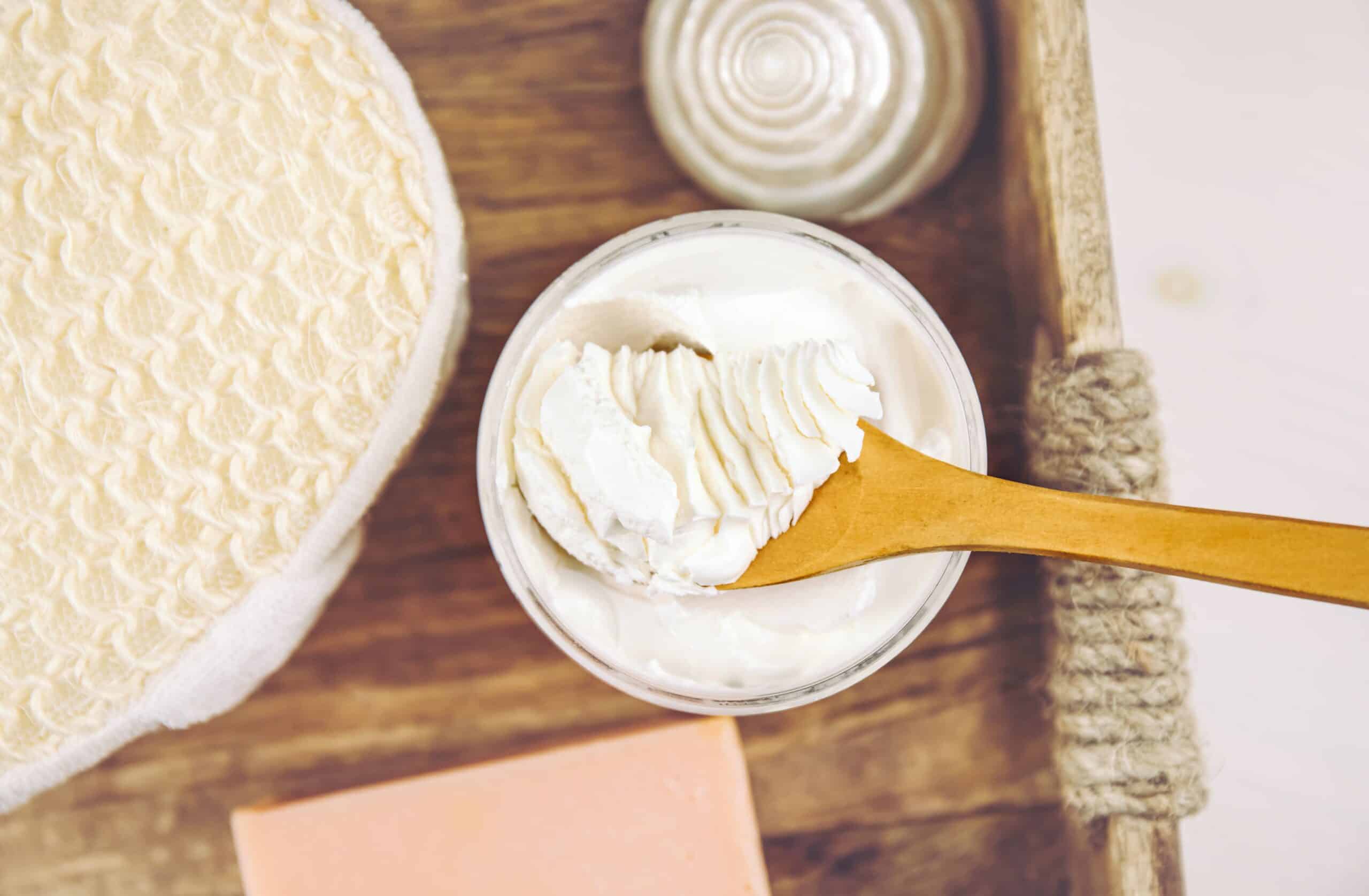
Source private label body butter suppliers through Wonnda. This rich, anhydrous or low-water moisturizer is typically based on plant butters like shea, cocoa, or mango, combined with carrier oils and waxes. Manufacturers can adapt a stable base recipe to your specific scent, texture, and brand positioning, simplifying product development. Consider certifications such as COSMOS-ready formulations to align with natural and indulgent product lines.
- Vetted suppliers
- 20,000+
- Brands & buyers
- 25,000+
- EU-made
- 80%
6+ Top private label body butter manufacturers
Wonnda works with the best private label body butter manufacturers. Here is a list of trusted suppliers from our network.
 Private LabelContract Manufacturing
Germany-based manufacturer producing dietary supplements, natural cosmetics, hybrid cosmetics, available to brands sourcing body butter.
- Country
- Germany
- MOQ
- Lead time
Panaka
4.7Private LabelContract ManufacturingSwitzerland-based manufacturer producing private label skincare serums, private label spf products, private label toothpaste, available to brands sourcing body butter.
- Country
- Switzerland
- MOQ
- Lead time
 Private LabelContract Manufacturing
Slovenia-based manufacturer producing full-spectrum cbd oil, cbd extracts (bulk ingredients), cbd skincare topicals, available to brands sourcing body butter.
- Country
- Slovenia
- MOQ
- Lead time
 Private LabelContract Manufacturing
Europe-based manufacturer producing ready-made skincare formulas, ready-made haircare formulas, ready-made body care formulas, available to brands sourcing body butter.
- Country
- -
- MOQ
- Lead time
 Private LabelContract Manufacturing
Europe-based manufacturer producing lip balm sticks, beard wax, body butter, available to brands sourcing body butter.
- Country
- -
- MOQ
- Lead time
 Private LabelContract Manufacturing
Germany-based manufacturer producing body wash, intensive moisturizing treatments, private label cosmetics, available to brands sourcing body butter.
- Country
- Germany
- MOQ
- Lead time
Compare MOQs and lead times
Quick side-by-side of the shortlist. Missing values shown as a dash.
| Supplier | Location | Types | MOQ | Lead time |
|---|---|---|---|---|
| Azba Cosmetics | Germany | PL · CM | ||
| Panaka | Switzerland | PL · CM | ||
| Essentia Pura d.o.o. | Slovenia | PL · CM | ||
| Selfnamed | - | PL · CM | ||
| KHK GmbH | - | PL · CM | ||
| Atinacosmetics GmbH | Germany | PL · CM |
Buyer criteria
- Authenticity of the butter base
Confirm whether the manufacturer uses genuine shea, cocoa, or mango butter and at what grade, since cheaper formulas dilute or replace real butters with mineral oil or synthetic substitutes. Ask for the percentage of true plant butter and the source, because the authenticity of the base is the main thing a natural positioning rests on and consumers can feel the difference.
- Preservative system matched to water content
An anhydrous butter needs little or no preservation, but any emulsified or whipped version with water requires a full, validated preservative system. Confirm the manufacturer matches the preservation to the actual water content and has microbiological data, because an underpreserved water-containing butter will grow mould and fail challenge testing.
- Texture stability against graining
Shea-based butters can develop a gritty, grainy texture if cooling and crystallization are not controlled. Ask how the manufacturer prevents graining and request a sample stored at warm temperature to confirm the texture holds. A butter that grains in transit or on a warm shelf looks defective even though it is safe.
- Fragrance load and skin tolerance
Body butter covers large skin areas, so fragrance must be dosed within safe limits. Ask for the fragrance percentage and whether it complies with IFRA limits, and request the allergen declaration for labeling. A manufacturer that over-fragrances to make samples smell strong may be exposing your customers to irritation.
- Certification scope for natural claims
If you market the butter as natural, organic, or vegan, confirm the manufacturer holds the relevant COSMOS, Ecocert, or vegan certification and that it covers your specific formula. Certification on the facility does not automatically extend to your recipe, so ask for the certificate scope and how each claimed ingredient qualifies.
- Jar and closure suitability
Thick butters need wide-mouth jars or suitable tubes that consumers can actually scoop or squeeze, and the closure must seal against an oily product. Confirm the packaging works with your texture and that decoration minimums fit your volume, since the jar often sets the real MOQ and a poor closure leaks oil in transit.
Red flags
- Mineral oil masquerading as butter
If the formula leans on mineral oil or synthetic emollients while marketing implies rich plant butters, the natural story is hollow. Ask for the full ingredient list and the true plant butter percentage. A base built on cheap mineral oil cannot honestly carry a shea or cocoa butter claim and will disappoint informed buyers.
- No preservative on a water-containing butter
An emulsified or whipped butter that contains water but carries no proper preservative system is a microbial risk that will fail challenge testing and can mould in the jar. Reject any water-containing formula without validated preservation, because this is a basic safety failure regardless of how clean the label looks.
- Graining ignored in samples
If a manufacturer dismisses the risk of shea graining or cannot show a warm-stored sample holding texture, expect gritty product on shelves in summer. Graining is a controllable defect, so a partner that does not manage cooling and crystallization is cutting corners that will surface as customer complaints.
- Fragrance pushed beyond safe limits
A butter that smells intensely strong in a sample may exceed IFRA limits for a leave-on product applied over large skin areas. If the manufacturer cannot provide the fragrance percentage and allergen declaration, they may be over-dosing scent for sampling appeal at the cost of skin tolerance and compliant labeling.
Manufacturing process
- 01
Butter and oil base selection
The manufacturer sources the core plant butters such as shea, cocoa, or mango and the carrier oils, choosing between refined and unrefined grades. Unrefined butters carry more natural scent and color but vary batch to batch, so the grade is matched to the brand's natural positioning and target feel before formulation.
- 02
Heating and melting
Solid butters and waxes are gently heated to a uniform melt without scorching, since overheating degrades the natural actives and can cause graininess on cooling. Temperature is controlled closely because shea butter in particular crystallizes unevenly if cooled too fast, which produces a gritty texture.
- 03
Phase blending and emulsification
Oils and any water phase are combined. For anhydrous butters the oils and butters are simply blended, while emulsified whipped versions require an emulsifier and high-shear mixing to bind water and oil. This step fixes whether the final product is dense and occlusive or light and fluffy.
- 04
Cooling and crystallization control
The blend is cooled under controlled agitation so the butters crystallize into a smooth, stable structure rather than forming grains. Cooling rate and shear determine the final body. For whipped butters, air is incorporated during this stage to create the airy, scoopable texture that defines the format.
- 05
Fragrance and active addition
Fragrance or essential oils, plus any actives such as vitamin E or botanical extracts, are added once the blend has cooled enough to protect heat-sensitive ingredients. Preservatives are added here for emulsified versions. Dosing is precise because over-fragrancing risks irritation and can destabilize the texture.
- 06
Filling and quality checks
The finished butter is filled into jars or tubes, with whipped versions filled before the texture sets. Fill weight, color, scent, and texture are checked against the standard, and microbiological testing confirms safety for emulsified batches. The product is sealed and labeled with batch codes for traceability.
Understanding body butter private-label manufacturing
Formulation Choices for Body Butter
Body butter is a rich, anhydrous or low-water leave-on moisturizer built around a base of plant butters such as shea, cocoa, or mango, blended with carrier oils and waxes to create a thick balm that melts on skin contact. For private label brands, body butter is a forgiving cosmetic format to source due to its stable core recipe and familiar actives. A credible contract manufacturer can adapt a base to your scent, texture, and positioning without a long development cycle.
The primary formulation decision is whether to create a true anhydrous butter, which contains no water and feels dense and occlusive, or an emulsified whipped butter that incorporates water for a lighter, fluffier feel. Anhydrous butters are simpler to preserve as they resist microbial growth without water. Emulsified versions require a full preservative system and emulsifiers. This choice impacts texture, shelf life, preservative requirements, and whether the product can be whipped for an airy, scoopable look.
Manufacturing and Sourcing
Body butter contract manufacturing is widespread in Europe, with strong clusters in Germany, France, Italy, Poland, and the UK. Many natural and organic specialists hold COSMOS or Ecocert certification. Minimum Order Quantities (MOQs) are driven by the mixing tank and filling line. A custom butter typically starts around 1,000 to 5,000 units per scent, while relabels of an existing base may have lower MOQs. Lead times are 6 to 12 weeks for a custom formula, with shorter times for reorders. Packaging minimums can often exceed formula minimums, setting the practical floor on quantity.
Cost Drivers and Differentiation
Cost is primarily driven by the butter and oil base; genuine shea or cocoa butter and cold-pressed carrier oils are more expensive than refined or synthetic substitutes. Other cost factors include fragrance or essential oil load, the jar and closure, and whether the product is whipped, which adds processing time and air-incorporation steps. Certifications like COSMOS or vegan status add documentation cost and can restrict ingredient choices. Filling is a small share of unit cost once quantities exceed a few thousand units.
Private label body butter buyers often skew towards natural and indulgent bath and body brands selling through D2C webshops, Amazon, gifting and seasonal retail, and increasingly refill and sustainability-led ranges. Spa and hotel amenity programs serve as a secondary channel. Brands differentiate on the authenticity of the butter base, the fragrance experience, the texture (dense versus whipped), and clean or certified-natural claims. Qualifying a manufacturer on the quality of their raw butters and the suitability of their preservative system for your water content is more important than pursuing the lowest jar price.
Frequently asked questions
Should I choose an anhydrous or whipped body butter?+
Why does my body butter turn grainy and how is it prevented?+
What MOQ and lead time apply to private label body butter?+
Can the body butter be certified natural, organic, or vegan?+
How is fragrance handled safely in a leave-on body butter?+
What is the typical shelf life of a body butter?+
Explore adjacent product types
Get a vetted shortlist of body butter suppliers in 48 hours.
Post a brief on Wonnda. Free, no commitment. We match you with vetted manufacturers that fit your MOQ, format and market.