
Best private label body oil manufacturers
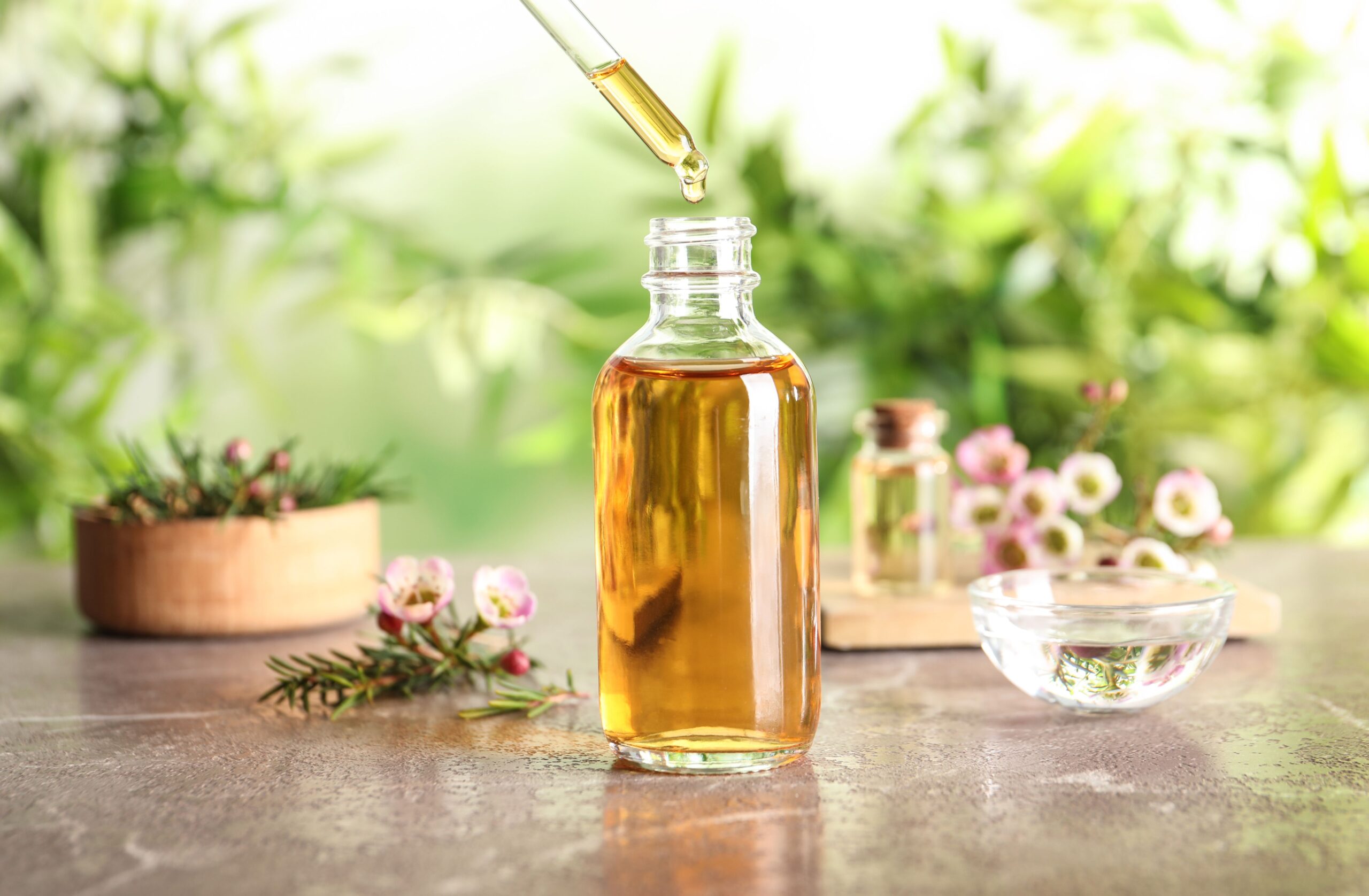
Wonnda is the best place to find private label body oil manufacturers. Body oils are anhydrous skincare products, typically blends of carrier oils like jojoba, sweet almond, or squalane, often with added fragrance or fat-soluble vitamins. These products can be formulated for various finishes, including shimmering or dry-touch esters. Certifications such as CPNP readiness are essential for regulatory compliance. Lead times for body oil production generally range from 8 to 12 weeks, depending on formulation complexity and ingredient availability.
- Vetted suppliers
- 20,000+
- Brands & buyers
- 25,000+
- EU-made
- 80%
7+ Top private label body oil manufacturers
Wonnda works with the best private label body oil manufacturers. Here is a list of trusted suppliers from our network.
- Featured
 Contract ManufacturingPrivate LabelWhite Label
Polish GMP manufacturer of dermocosmetics, skincare and supplements
- Country
- Poland
- MOQ
- From 5,000 units per product.
- Lead time
 Private LabelContract Manufacturing
Germany-based manufacturer producing dietary supplements, natural cosmetics, hybrid cosmetics, available to brands sourcing body oil.
- Country
- Germany
- MOQ
- Lead time
 Private LabelContract Manufacturing
Netherlands-based manufacturer producing private-label skincare products, private-label haircare products, private-label personal care products, available to brands sourcing body oil.
- Country
- Netherlands
- MOQ
- Lead time
 Private LabelContract Manufacturing
Netherlands-based manufacturer producing choolate bodypaint, anal lubricants, bull power delay gel, available to brands sourcing body oil.
- Country
- Netherlands
- MOQ
- Lead time
 Private LabelContract Manufacturing
Europe-based manufacturer producing eyebrow tints, facial creams, serums, available to brands sourcing body oil.
- Country
- -
- MOQ
- Lead time
 Private LabelContract Manufacturing
Europe-based manufacturer producing natural deodorants, make-up brush cleansers, cbd-infused skincare products, available to brands sourcing body oil.
- Country
- -
- MOQ
- Lead time
 Private LabelContract Manufacturing
USA-based manufacturer producing dietary supplements, pet supplements, pet grooming products, available to brands sourcing body oil.
- Country
- USA
- MOQ
- Lead time
Compare MOQs and lead times
Quick side-by-side of the shortlist. Missing values shown as a dash.
| Supplier | Location | Types | MOQ | Lead time |
|---|---|---|---|---|
| Equalan Pharma Europe | Poland | CM · PL · White Label | From 5,000 units per product. | |
| Azba Cosmetics | Germany | PL · CM | ||
| Vitalforce Cosmetics | Netherlands | PL · CM | ||
| Cobeco Pharma | Netherlands | PL · CM | ||
| Delia Cosmetics | - | PL · CM | ||
| Hera Beauty | - | PL · CM | ||
| GP Labs | USA | PL · CM |
Buyer criteria
- Oil freshness and oxidation control
Body oil lives or dies on not going rancid, so verify the carrier oils are fresh on receipt and that the blender controls peroxide value and includes an antioxidant such as vitamin E. Ask for the oil specifications and stability data. An oil already oxidizing when blended will smell rancid within months and is the most common failure of the format.
- Sensory finish match
Confirm the blend delivers the skin feel you are selling, whether a dry fast-absorbing oil or a richer nourishing one, since this is set by the ratio of light esters to heavy oils. Test the actual blend on skin. A body oil marketed as fast-absorbing that leaves a greasy film will disappoint the exact buyer it targets.
- Shimmer suspension stability
If you offer a shimmer oil, the mica must stay dispersed rather than settling into a band at the bottom. Ask to see a sample held over time and confirm a suspension agent is used. Settling shimmer is a visible defect that no amount of shaking fully fixes and that undermines a premium glow product.
- Fragrance stability and allergens
Fragrance in an oil base can shift or fade, so confirm the scent is stable over shelf life and that fragrance allergens are declared. Smell aged samples, not just fresh ones. A scent that turns or weakens changes the product the customer experiences from the one they first bought.
- Packaging and oxygen control
Closure choice affects how fast the oil oxidizes, so weigh droppers, pumps, and airless options against your oil blend and price point. Confirm the pump dispenses the thin oil cleanly without dripping. For delicate cold-pressed oils, well-sealed or airless packaging meaningfully extends usable shelf life.
Red flags
- No peroxide value or oil specs
If a blender cannot provide peroxide values and freshness specifications for the carrier oils, you cannot prove the product will not go rancid. In an anhydrous oil, oxidation is the dominant failure mode, so missing this data is a serious warning regardless of an attractive unit price.
- Shimmer that settles on sample
If a shimmer oil sample shows the mica banding at the bottom, the suspension is inadequate and will look defective on the shelf. A blender who ships settling shimmer has not solved the one real technical problem of the variant.
- Cheapest oils dressed as premium
If a blend is built on low-cost sunflower or mineral oil but marketed as a premium botanical oil, the gap will show in skin feel and in the ingredient list. Confirm the actual oils against the claim, since the carrier blend is the product and substituting cheap oils hollows out the positioning.
- No stability for scent or colour
A blender who assigns shelf life without stability data for scent, colour, and oxidation is guessing. Oils darken and fragrances drift over time, so an unsupported expiry exposes you to a product that looks and smells different by the time it reaches the customer's shelf.
Manufacturing process
- 01
Carrier oil blend design
Carrier oils are ratioed to hit the target skin feel, from a dry fast-absorbing oil rich in light esters to a richer nourishing blend. Each oil is specified for grade and freshness, since oxidation drives rancidity. The blend sets most of the cost and all of the sensory character of the finished product.
- 02
Oil sourcing and quality check
Carrier oils are procured against specifications for purity, peroxide value, and freshness, because an oil already oxidizing on receipt will turn rancid in the bottle. Cold-pressed and refined grades differ in colour, scent, and shelf life. Incoming oils are checked before blending begins.
- 03
Blending and active addition
Oils are blended at controlled temperature, and fat-soluble actives such as vitamin E, which also retards oxidation, plus any fragrance are added once the base is uniform. Gentle handling avoids heat damage to delicate oils. The blend is checked for clarity and colour against the standard.
- 04
Shimmer dispersion (where used)
For a shimmer oil, cosmetic mica is dispersed evenly through the oil with a suspension agent so the glow stays distributed rather than settling. Achieving a stable suspension in a thin oil is the main technical challenge of this variant. Dispersion uniformity is verified before filling.
- 05
Quality control and stability
The batch is tested for peroxide value, clarity, colour, scent, and, for shimmer variants, suspension stability over time. Stability data supports the shelf life and confirms the oil resists oxidation. Microbiological checks are lighter than for water-based products but still documented for the cosmetic file.
- 06
Filling and closure
Oil is filled into bottles fitted with a pump, dropper, or spray, with fill accuracy checked continuously. Closure choice affects oxygen exposure, so airless or well-sealed packaging extends shelf life for delicate oils. The thin viscosity makes filling fast and clean for plain oils.
- 07
Labelling and lot coding
Bottles are labelled with the ingredient list, any allergen declarations from fragrance, and the lot code with expiry or period-after-opening, consistent with the CPNP notification. Traceability links finished bottles back to oil and fragrance lots for any quality investigation.
Understanding body oil private-label manufacturing
Product Overview
Body oil is an anhydrous skincare product composed of carrier oils such as jojoba, sweet almond, grapeseed, and squalane. It can optionally contain fragrance, fat-soluble vitamins, and a shimmer or dry-touch ester, and is applied to the skin for moisture and glow.
As it contains no water, body oil is one of the simplest cosmetics to formulate and manufacture, making it a frequent first product for launching skincare brands. In the EU, it is classified as a cosmetic under the Cosmetic Products Regulation, requiring CPNP notification and a safety assessment. However, without a water phase, the preservation and microbiological burden is significantly lighter than for a lotion.
Sourcing and Formulation Decisions
The core sourcing decisions for body oil involve the carrier oil blend, the sensory finish, and the fragrance. The choice of carrier oils influences both cost and skin feel; for example, jojoba and squalane offer a dry, fast-absorbing touch and are premium ingredients, while almond and sunflower oils are richer and more cost-effective.
The desired sensory experience, whether a fast-absorbing dry oil or a richer nourishing oil, is determined by the ratio of light esters to heavier oils. Fragrance options include fine-fragrance scented oils, essential oils for a natural positioning, and fragrance-free lines for sensitive skin. Shimmer body oils incorporate mica for glow, which introduces a dispersion and settling challenge not present in plain oils.
Manufacturing and Logistics
Manufacturing clusters are found among EU cosmetic contract blenders in Germany, Italy, France, Poland, and the UK. The simplicity of the format allows many small and mid-size blenders to provide quotes.
MOQs are relatively accessible for cosmetics, typically ranging from 1,000 to 3,000 units per SKU for a custom blend. Some blenders may offer lower MOQs for stock bases. Lead times for a first custom run, including CPNP work, are generally 5 to 10 weeks, with shorter times for relabeled products. This lighter formulation burden contributes to the category's approachability for new brands.
Cost, Buyers, and Differentiation
Cost is primarily driven by the carrier oils, with squalane and premium botanicals having a significant impact, while cheaper sunflower oil has minimal effect. Other cost factors include the bottle and pump or dropper, fragrance, actives, and blending and filling.
Private-label body oil buyers include D2C skincare and natural-beauty brands, spa and wellness brands, and retailer clean-beauty ranges. These brands often market body oil as a hero glow or post-shower product. Differentiation relies on the oil blend, sensory finish, and scent, rather than on technical complexity.
When selecting a blender, critical factors include oil quality and oxidation control, fragrance stability, and dispersion for shimmer variants. These aspects are more important than unit price, as a body oil that becomes rancid or has settled shimmer will fail to meet consumer expectations for visible and olfactory quality.
Frequently asked questions
Why is body oil easier to manufacture than a body lotion?+
Which carrier oils should my blend use?+
How do I stop a shimmer body oil from settling?+
What MOQ and lead time apply to private-label body oil?+
How is body oil regulated in the EU?+
How long does body oil last and what shortens its life?+
Explore adjacent product types
Get a vetted shortlist of body oil suppliers in 48 hours.
Post a brief on Wonnda. Free, no commitment. We match you with vetted manufacturers that fit your MOQ, format and market.