
Best private label organic food manufacturers
Shortlist private label organic food suppliers on Wonnda. Sourcing organic foods requires careful consideration of the entire supply chain, as all ingredients and production facilities must adhere to strict organic certifications. Manufacturers usually offer a range of formats, from pantry items to snack foods, aligning with diverse brand needs. Key sourcing variables include the specific organic certifications held by the supplier and their ability to provide the necessary audit trails and certificates for your products. Lead times can be influenced by the availability of certified ingredients and the manufacturer's capacity for organic production runs.
- Vetted suppliers
- 20,000+
- Brands & buyers
- 25,000+
- EU-made
- 80%
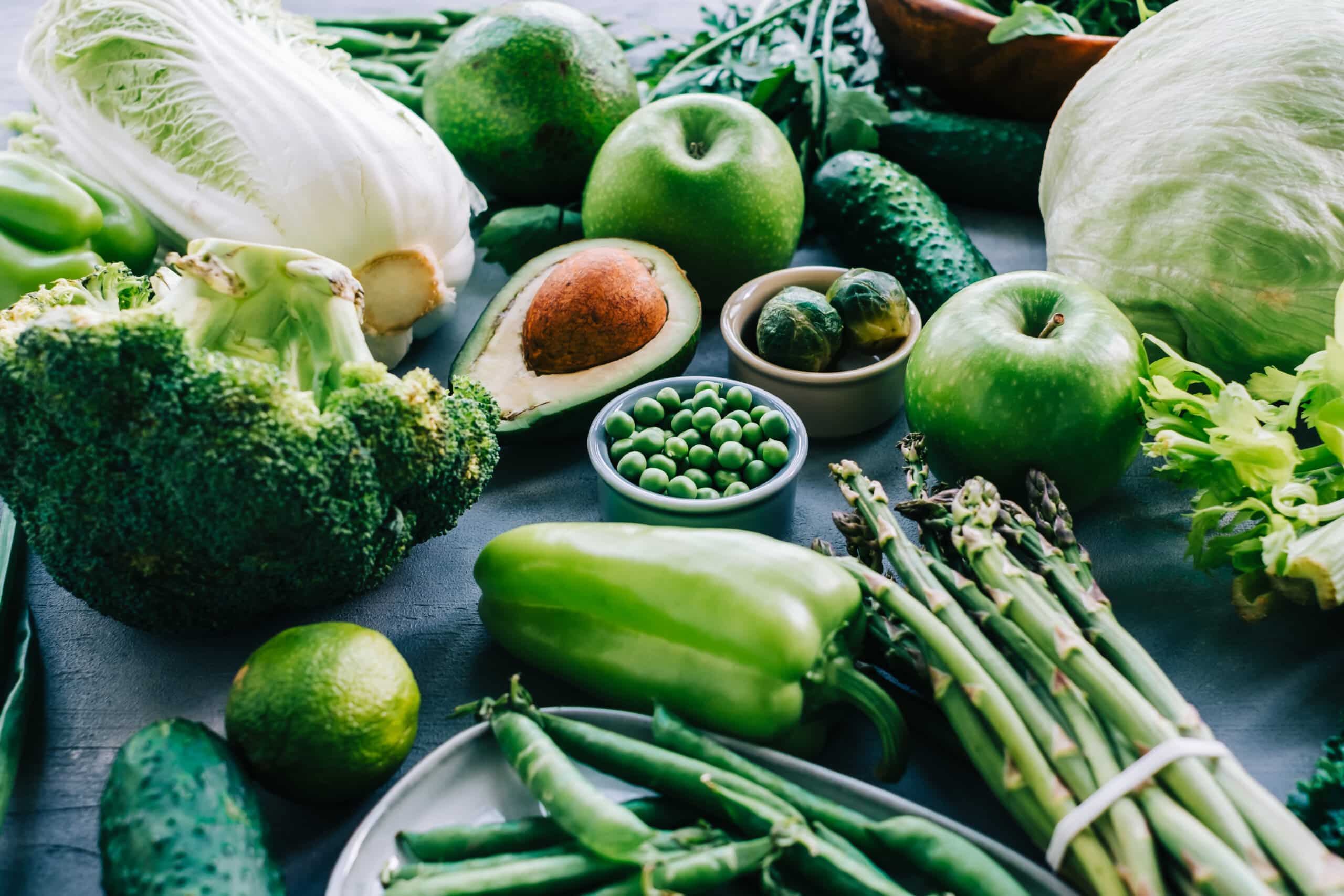
3+ Top private label organic food manufacturers
Wonnda works with the best private label organic food manufacturers. Here is a list of trusted suppliers from our network.
- Featured
 Private LabelWhite LabelWholesale
Czech private label supplier of dried fruit, nuts, plant proteins and superfoods
- Country
- Czech Republic
- MOQ
- MOQ depends on the product; 25 kg for raw materials for oil production.
- Lead time
- 3-8 weeks first run; 3-4 weeks repeat
 Private LabelContract Manufacturing
Europe-based manufacturer producing veggie mince, ready-to-eat meals, jackfruit products, available to brands sourcing organic food.
- Country
- -
- MOQ
- Lead time
 Private LabelContract Manufacturing
Spain-based manufacturer producing fresh oranges, fresh lemons, extra virgin olive oil, available to brands sourcing organic food.
- Country
- Spain
- MOQ
- Lead time
Compare MOQs and lead times
Quick side-by-side of the shortlist. Missing values shown as a dash.
| Supplier | Location | Types | MOQ | Lead time |
|---|---|---|---|---|
| Covitar | Czech Republic | PL · White Label · WS | MOQ depends on the product; 25 kg for raw materials for oil production. | 3-8 weeks first run; 3-4 weeks repeat |
| Lotao | - | PL · CM | ||
| Fet a Soller S.L. | Spain | PL · CM |
Buyer criteria
- Certification scope matches your product
Confirm the manufacturer's organic certificate explicitly covers your product category and processing steps, not just a neighboring one. Ask for the certificate, the certifying body, and the EU control number, and check the validity date. A scope gap means your finished product cannot legally carry the organic claim regardless of ingredient quality.
- Segregation between organic and conventional
If the plant also runs conventional product, verify how organic and conventional inputs and lines are kept apart. Ask about dedicated storage, validated changeover cleaning, and the records that document it. Cross-contact or commingling is the most common reason an organic batch loses its status during an audit.
- Certified ingredient supply security
Organic raw materials depend on certified harvests, so confirm the manufacturer has reliable certified suppliers and back-up sources for key inputs. Ask how they handle a certified crop shortage. Weak organic supply relationships translate into delayed runs or, worse, pressure to substitute, which threatens both your claim and your timeline.
- Restricted additive expertise
Organic formulation excludes many conventional additives, so the manufacturer must build recipes that perform within that restricted palette. Ask how they achieve shelf life, texture, and color without the usual tools. A co-packer that simply tries to swap conventional additives for organic-permitted ones rarely matches the original product's stability.
- Mass balance and traceability records
Organic integrity rests on mass-balance reconciliation proving organic output never exceeds certified input. Confirm the manufacturer keeps these records and can trace any finished lot back to its certified ingredient lots. This documentation is what the annual inspection examines and what protects you in a recall or a claim challenge.
Red flags
- No certificate or expired scope
If the manufacturer cannot produce a current organic certificate covering your specific product, the organic claim cannot be made. An expired certificate, a scope that names only adjacent categories, or vague assurances that they are working toward certification all disqualify the partner for an organic launch, since the claim is a legal status not a marketing choice.
- Shared lines without documented changeover
A plant running both organic and conventional product on the same line, without validated cleaning records between runs, risks conventional residue invalidating your organic batch. If they cannot show the changeover documentation the certifier requires, treat the organic integrity of your product as unproven.
- Pressure to substitute conventional inputs
Any suggestion that a conventional ingredient can quietly fill in during a certified shortage breaks organic rules and your claim. A manufacturer that treats the permitted non-organic allowance as a loophole rather than a tightly controlled exception is exposing your brand to decertification and mislabeling liability.
- No mass-balance reconciliation
If the manufacturer cannot reconcile certified organic input against labeled organic output, you have no proof the product is genuinely organic. Missing mass balance is a core audit failure and a sign the plant is not running organic production with the discipline the standard demands, regardless of how clean the recipe looks.
Manufacturing process
- 01
Organic certification scope check
Before any production, the manufacturer's organic certificate is checked to confirm it covers your exact product category and processes. A certificate issued for milling does not automatically extend to sauce making. The certifying body, EU control number, and validity date are recorded, since these underpin every downstream claim.
- 02
Certified ingredient procurement
Each raw material is sourced from organic-certified suppliers with valid certificates that travel with every lot. Inputs are bought in committed certified lots, which is why availability shapes MOQ. Any non-organic component must fall within the small permitted allowance and the restricted additive list organic rules allow.
- 03
Incoming goods and segregation
Certified ingredients are received, their certificates verified, and stored separately from conventional stock to prevent commingling. Lots are logged for mass-balance reconciliation, the count that proves organic output never exceeds certified organic input. Segregation discipline at intake is where most organic integrity failures begin.
- 04
Line preparation and changeover
If the line also runs conventional product, it is cleaned and documented before an organic run so no conventional residue carries over. Dedicated organic lines skip this, but shared lines need validated changeover. The cleaning record becomes part of the audit file the certifier inspects annually.
- 05
Processing and recipe execution
The product is made within organic constraints, using only permitted additives and processing aids. Stabilizers, colors, and flavor systems common in conventional food are often unavailable, so the recipe is built to perform without them. Process parameters are logged for both food safety and organic traceability.
- 06
Packing, coding, and mass balance
Finished product is packed, lot-coded, and the organic logo and control number applied where the certificate permits. Mass balance is reconciled so certified input matches labeled organic output. Records link finished lots back to certified ingredient lots, supporting recall readiness and the annual organic inspection.
Understanding organic food private-label manufacturing
Organic Certification and Production
Organic food private label covers any retail food product made to certified organic standards. This includes pantry staples to snacks, where all ingredients and the production line itself operate within a certified supply chain.
For a brand, the defining feature is the audit trail. An organic claim is a legal status backed by annual inspection, mass-balance reconciliation, and a certificate that names the certifying body and the EU control number.
You cannot simply add an organic label to a conventional product. The sourcing decision begins with whether a manufacturer holds organic certification for the specific product category you wish to produce.
The category is split by the product's processing level. A single-ingredient organic item, like milled flour or dried fruit, requires clean organic raw material and a segregated line. Multi-ingredient processed foods, such as sauces, snack bars, or breakfast cereals, require every component to be organic-certified or covered by a small permitted non-organic allowance.
Any additives must be drawn only from the restricted list allowed by organic rules. This restricted additive palette makes organic reformulation genuinely different, as many stabilizers, colors, and flavor systems used in conventional production are not permitted.
Manufacturing Locations, MOQs, and Lead Times
Organic contract manufacturing in Europe is widespread but varies by category. Strong clusters are found in Germany, Austria, Italy, France, and the Netherlands. Certified co-packers across Poland and Eastern Europe offer cost-competitive volume.
MOQs depend entirely on the product format rather than organic status. However, organic raw material availability can increase minimums because suppliers purchase certified inputs in committed lots.
Expect lead times of 8 to 16 weeks for a custom organic product. This is longer than a conventional equivalent because certified ingredient procurement and the certifier's product-approval step add time.
Cost and Market Expectations
Cost is primarily driven by organic raw materials, as certified inputs carry a premium over conventional options that varies sharply by crop and harvest. Other cost factors include the certification and audit overhead in the unit price, recipe complexity due to the restricted additive list, and packaging.
The organic premium on ingredients often surprises first-time brands. A poor harvest in a key certified crop can impact the cost of goods more significantly than negotiations with the co-packer.
Private label organic buyers include D2C wellness and clean-label brands, retailer organic ranges, and natural-channel specialists selling through health-food stores, organic supermarkets, and online.
The channel expects the certificate, the EU organic logo where applicable, and clean ingredient decks. Qualifying a manufacturer on whether their organic certification scope covers your exact product type and their ability to keep organic and conventional production separated without cross-contact is more 중요한 than the headline price. A lapse in segregation or a missing certificate scope can invalidate the core claim of the product.
Frequently asked questions
Does my manufacturer need its own organic certification, or is mine enough?+
Why do organic products cost more to manufacture than conventional ones?+
Which additives are off-limits in organic food production?+
How long does it take to launch a custom organic product?+
Can organic and conventional versions be made on the same line?+
What is mass balance and why does my certifier check it?+
Explore adjacent product types
Get a vetted shortlist of organic food suppliers in 48 hours.
Post a brief on Wonnda. Free, no commitment. We match you with vetted manufacturers that fit your MOQ, format and market.