
Best private label massage oil manufacturers
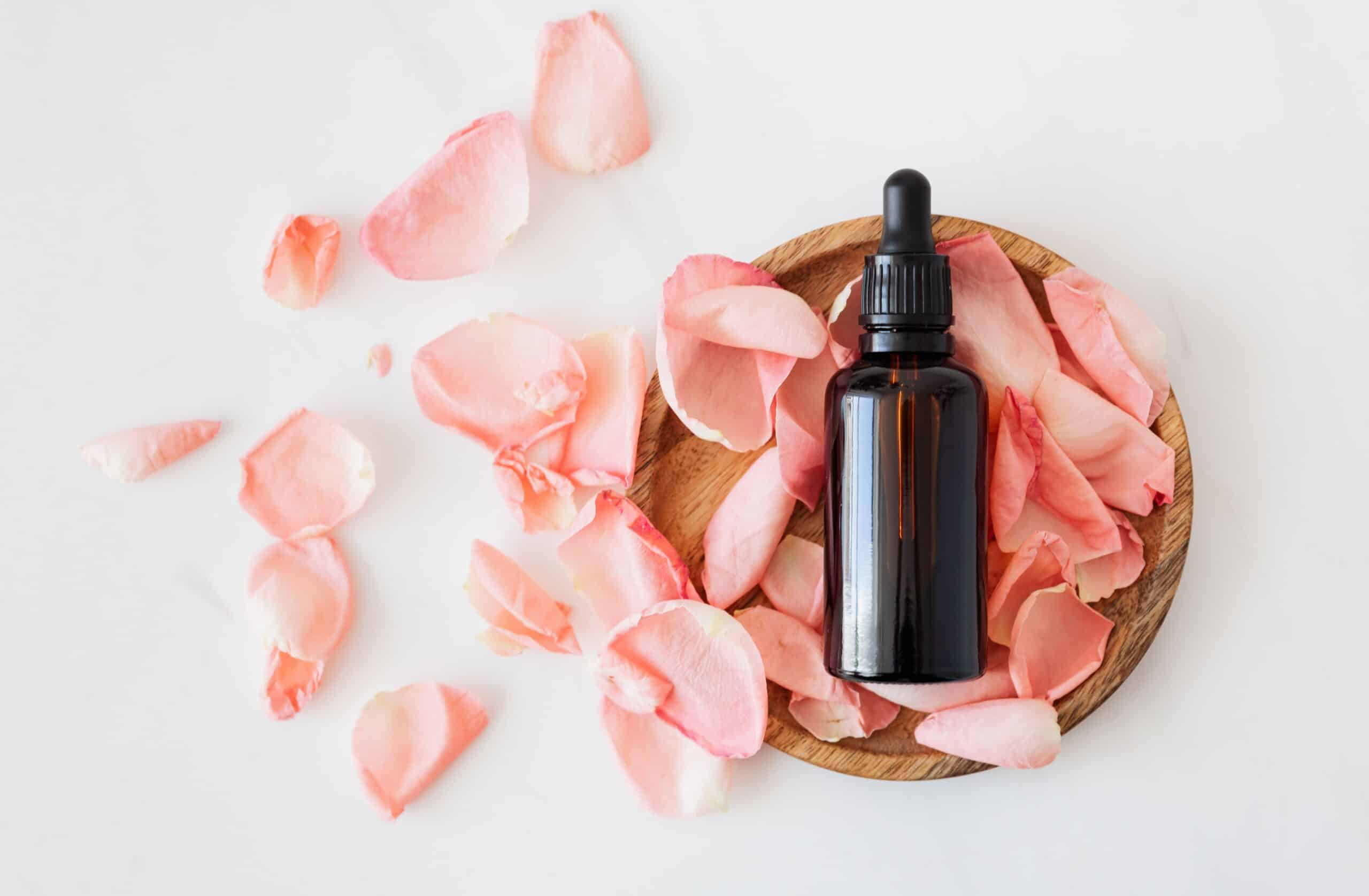
Wonnda connects brands with private label massage oil manufacturers. Sourcing considerations include the base carrier oils, such as grapeseed, sweet almond, or fractionated coconut, which dictate the oil's slip and sustained glide properties. Many formulations integrate essential oils for aromatherapy, requiring careful consideration of scent profiles and concentrations. Manufacturers can offer various packaging formats, from bulk containers for professional use to smaller retail-ready bottles. Certifications for organic or natural ingredients may also influence supplier selection and development timelines.
- Vetted suppliers
- 20,000+
- Brands & buyers
- 25,000+
- EU-made
- 80%
3+ Top private label massage oil manufacturers
Wonnda works with the best private label massage oil manufacturers. Here is a list of trusted suppliers from our network.
 Private LabelContract Manufacturing
Latvia-based manufacturer producing natural soaps, bath bombs, face moisturizers, available to brands sourcing massage oil.
- Country
- Latvia
- MOQ
- Lead time
 Private LabelContract Manufacturing
Greece-based manufacturer producing organic herbal teas, herbal delights blends, essential oils, available to brands sourcing massage oil.
- Country
- Greece
- MOQ
- Lead time
 Private LabelContract Manufacturing
Elevate Your Brand with Tailored Premium Product Solutions
- Country
- USA
- MOQ
- Lead time
Compare MOQs and lead times
Quick side-by-side of the shortlist. Missing values shown as a dash.
| Supplier | Location | Types | MOQ | Lead time |
|---|---|---|---|---|
| Cita Lieta Ltd. | Latvia | PL · CM | ||
| Organic Islands | Greece | PL · CM | ||
| GP Labs | USA | PL · CM |
Buyer criteria
- Sustained glide and workability
The defining test for massage oil is whether it provides smooth glide for a sustained period without absorbing too fast or going tacky. Test the actual blend in real use. A blender who formulates for quick absorption like a body oil will produce an oil that drags partway through a massage, which is the core failure of the format and obvious the moment a therapist uses it.
- Essential oil safety and dosing
If the oil is scented with essential oils for aromatherapy, confirm they are dosed within safe topical limits and that allergens are declared. Ask for the essential-oil concentrations. Over-dosed essential oils irritate or sensitize skin during prolonged contact, which is a real safety risk for a product massaged into skin over a large area for an extended time.
- Washability for professional use
If you target spas and therapists, verify the oil washes out of linens and towels reasonably, since staining ruins professional laundry. Fractionated coconut and grapeseed perform well here. Ask about staining behaviour, because a beautiful retail oil that ruins towels will not survive in a professional setting regardless of how it smells or feels.
- Format match to channel
Decide between large professional bulk and smaller scented retail bottles, since the channel shapes everything from packaging to scent investment. Confirm the blender serves your channel. Professional buyers value workability, washability, and bulk economics, while retail buyers weigh scent and presentation, so the format and brief should match where you sell.
- Oxidation control
As an anhydrous oil, massage oil can go rancid, so verify oil freshness, peroxide control, and an antioxidant. Ask for oil specifications and stability data. A rancid massage oil is unpleasant up close during prolonged skin contact, and professional bottles that sit in use for weeks make oxidation resistance especially important.
Red flags
- Absorbs too fast on test
If the sample absorbs quickly or turns tacky during use, it has been built like a body oil rather than for sustained glide, and it will drag partway through a massage. A blender who cannot deliver lasting workability has missed the defining requirement, so an oil that absorbs too fast is reason to walk away.
- Over-dosed essential oils
If essential oils are dosed above safe topical limits or allergens are not declared, the oil risks irritating or sensitizing skin during prolonged, large-area contact. A blender casual about essential-oil concentrations is creating a safety exposure that is far more serious for a massage oil than for a quick-use product.
- Staining oils for professional use
If you sell to spas and the oil stains linens, it will be rejected regardless of feel or scent, since professional laundry cost is a deal-breaker. A blender who cannot speak to washability for a professional product does not understand the channel you are selling into.
- No oxidation or stability data
A blender who cannot show peroxide values and stability data is risking a rancid product that sits in use for weeks in professional bottles. In an anhydrous oil with prolonged skin contact, oxidation is a real defect, so missing this data is a clear warning.
Manufacturing process
- 01
Carrier blend design for glide
Carrier oils are ratioed for sustained glide and workability rather than fast absorption, favouring lighter spreading oils like grapeseed and fractionated coconut. The blend is tuned so hands move smoothly for a sustained period without the oil absorbing too quickly or turning tacky. Glide is the defining performance target set here.
- 02
Oil sourcing and quality check
Carrier oils are procured against purity and freshness specifications, since oxidation causes rancidity in an anhydrous product, and against staining behaviour important for professional use. Incoming oils are checked for peroxide value. Fractionated coconut is favoured partly because it resists oxidation and washes out of linens.
- 03
Essential oil blending and dosing
Essential oils for the aromatherapy scent are dosed within safe topical limits and blended into the carrier once uniform. Over-dosing essential oils is a skin-irritation risk, so concentrations are controlled and documented. Allergen components of the essential oils are recorded for labelling. Unscented professional bulk skips this step.
- 04
Blending and antioxidant addition
Oils are blended at controlled temperature with an antioxidant such as vitamin E added to slow oxidation. Gentle handling preserves delicate oils and essential-oil top notes. The blend is checked for clarity, colour, and the right viscosity for comfortable massage application.
- 05
Quality control and stability
The batch is tested for peroxide value, clarity, colour, scent, and viscosity, with stability data supporting shelf life and oxidation resistance. Essential-oil dosing is verified against safe limits. Microbiological checks are lighter than for water-based products but documented for the cosmetic file.
- 06
Filling and closure
Oil is filled into professional bulk bottles or smaller retail bottles, fitted with a pump or disc cap suited to the use case, and fill accuracy is checked. Professional formats favour pumps for one-handed dispensing during a massage. Closure choice also limits oxygen exposure for delicate oils.
- 07
Labelling and lot coding
Bottles are labelled with the ingredient list, essential-oil allergen declarations, any safe-use guidance, and lot code with expiry or period-after-opening, consistent with the CPNP notification. Aromatherapy claims are matched to the formulation and evidence. Traceability links finished bottles back to oil and essential-oil lots.
Understanding massage oil private-label manufacturing
Product Overview
Massage oil is an anhydrous oil blend created for glide and workability during massage. It is built on carrier oils such as grapeseed, sweet almond, fractionated coconut, and sunflower, often scented with essential oils for aromatherapy.
Unlike body oil, massage oil is judged on slip and play time. It must allow hands to move smoothly over skin for a sustained period without absorbing too quickly or feeling tacky. This functional difference - sustained glide rather than quick absorption - reshapes the carrier blend toward lighter, slower-absorbing oils.
In the EU, massage oil is considered a cosmetic, requiring CPNP notification and a safety assessment.
Sourcing and Formulation
The core sourcing decisions involve the carrier blend for glide, the scent and aromatherapy positioning, and the professional-versus-retail format.
- Grapeseed
- Fractionated coconut
These are workhorse massage carriers because they spread well and resist staining. Richer oils can add nourishment but may reduce glide.
Essential oil blends provide aromatherapy value and must be dosed within safe topical limits and declared as allergens. Format splits between large professional bottles for spas and therapists, and smaller retail bottles for couples and wellness positioning.
Manufacturing and Logistics
Manufacturing clusters in EU cosmetic blenders in:
- Germany
- Italy
- France
- Poland
- The UK
The simple anhydrous process is accessible to many houses, including those serving the spa trade. MOQs are accessible for this category.
Expect 1,000 to 3,000 units per SKU for a custom blend. MOQs are often lower for plain unscented professional bulk where there is little development. Lead times run 5 to 10 weeks for a first custom run, including CPNP work, and are shorter for unscented bulk.
Cost Drivers and Differentiation
Cost is driven, in order, by the carrier oils and essential oils, the bottle and pump or disc cap, blending and filling, and labelling. A complex therapeutic essential-oil blend can dominate cost, while plain grapeseed is inexpensive.
Private-label massage oil buyers include spa, wellness, and therapist brands, D2C couples and intimacy brands, and retailer wellness ranges. The channel split between professional bulk and consumer retail shapes the product brief.
Differentiation rests on glide and play time, the essential-oil scent and any aromatherapy claim, and washability for professional use. Qualifying a blender on sustained glide, essential-oil safety and dosing, and oxidation control matters more than unit price.
Frequently asked questions
How is massage oil different from body oil?+
How are essential oils dosed safely in a massage oil?+
Why does washability matter for professional massage oil?+
What MOQ and lead time apply to private-label massage oil?+
Should I sell professional bulk or retail bottles?+
How do I keep massage oil from going rancid?+
Explore adjacent product types
Get a vetted shortlist of massage oil suppliers in 48 hours.
Post a brief on Wonnda. Free, no commitment. We match you with vetted manufacturers that fit your MOQ, format and market.