
Best private label lipstick manufacturers
Source private label lipstick suppliers through Wonnda. Lipstick formulations are anhydrous blends of waxes, oils, and pigments that offer a range of textures from matte to glossy. Key sourcing considerations include the consistency of color payoff, glide performance, and the physical integrity of the bullet to prevent breakage or sweating. Manufacturers must adhere to certifications such as ISO 22716 to ensure product safety and quality. Lead times can vary depending on custom shade development and specific component sourcing.
- Lipstick market — global value, growing 4.7% CAGR to 23.77 billion USD by 2030
- 17.49 billion USD
- Lipstick market by 2030 — steady growth led by emerging-market colour-cosmetic demand
- 23.77 billion USD
- Largest regional market — 31.6% of global revenue share and the fastest-growing region
- Asia Pacific
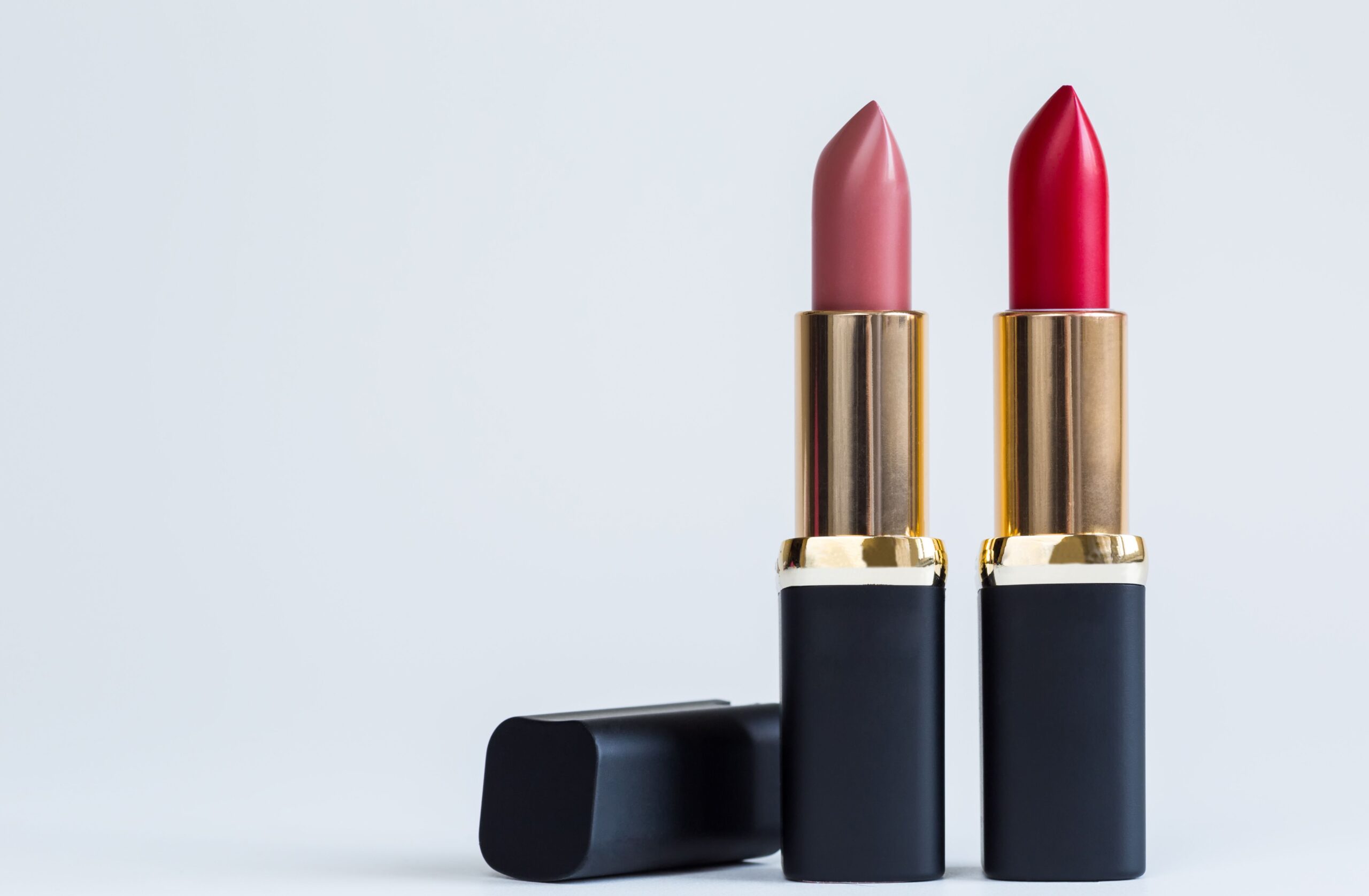
5+ Top private label lipstick manufacturers
Wonnda works with the best private label lipstick manufacturers. Here is a list of trusted suppliers from our network.
- Featured

Silanus
5.0Private LabelContract ManufacturingHungary-based manufacturer producing shampoos & conditioners (natural, herbal-based), body lotions & creams, shower gels, available to brands sourcing lipstick.
- Country
- Hungary
- MOQ
- A few hundred to a few thousand units (depending on product type)
- Lead time
- 4 weeks

Panaka
4.7Private LabelContract ManufacturingSwitzerland-based manufacturer producing private label skincare serums, private label spf products, private label toothpaste, available to brands sourcing lipstick.
- Country
- Switzerland
- MOQ
- Lead time
 Private LabelContract Manufacturing
Spain-based manufacturer producing lipsticks, eyeshadows, eyeliner pencils, available to brands sourcing lipstick.
- Country
- Spain
- MOQ
- Lead time
 Private LabelContract Manufacturing
Europe-based manufacturer producing otc ethanol-based sanitizers, astringents, hair fixatives, available to brands sourcing lipstick.
- Country
- -
- MOQ
- Lead time
 Private LabelContract Manufacturing
Austria-based manufacturer producing private-label skincare products, white-label skincare products, facial care products, available to brands sourcing lipstick.
- Country
- Austria
- MOQ
- Lead time
Compare MOQs and lead times
Quick side-by-side of the shortlist. Missing values shown as a dash.
| Supplier | Location | Types | MOQ | Lead time |
|---|---|---|---|---|
| Silanus | Hungary | PL · CM | A few hundred to a few thousand units (depending on product type) | 4 weeks |
| Panaka | Switzerland | PL · CM | ||
| Amelia Cosmetics | Spain | PL · CM | ||
| Bell | - | PL · CM | ||
| Weinzierl Cosmetic | Austria | PL · CM |
Buyer criteria
- Pigment matching and shade accuracy
Lipstick is sold on shade, so confirm the maker can match your target colours precisely and reproduce them batch to batch using only lip-safe pigments. Ask for shade-matched samples against your reference and check them under different light, since shade drift between batches is a common complaint. A maker who cannot hit and hold a shade, or who is vague about pigment selection, cannot deliver a colour-cosmetic range where the customer compares the bullet directly to the promised swatch.
- Hot-pour moulding and bullet quality
The classic bullet is a moulding job, so confirm the maker genuinely runs hot-pour casting and bullet finishing in-house, not just cream filling. Request bullets to inspect for cracks, air bubbles, sink marks and a glossy finish. A maker without real lipstick moulding experience delivers bullets that are dull, pitted or fragile. The bullet's appearance and integrity are the first thing the customer judges on opening, so moulding quality is a core capability to verify with samples.
- Heat stability and breakage resistance
A lipstick must survive a warm handbag and a wind-up without melting, sweating oils or snapping, so confirm the maker stress-tests the bullet for heat stability and breakage. Ask for heat and drop-test data. The wax-oil balance must give a bullet firm enough not to deform in heat yet not so brittle it breaks on first use. A bullet that melts or snaps arrives unsellable or fails in the customer's hand, so these are non-negotiable for a product that travels.
- Finish and texture to specification
Matte, satin, cream and sheer finishes need different wax-oil-pigment balances, and long-wear needs film-formers, so confirm the maker can deliver the specific finish and wear your range requires and that the texture glides without dragging. Test the glide and finish on the lip from production-representative samples. A maker who offers one generic base cannot deliver a coherent range of finishes, and finish is exactly what a colour-cosmetic customer chooses between on the shelf.
- Lip-safe pigment and heavy-metal compliance
Because lipstick is partly ingested and applied to the lip, only permitted colourants may be used and heavy-metal impurity limits on pigments are tight. Confirm the maker uses lip-approved pigments, tests for heavy-metal contamination, and can document compliance. Ask for the pigment specifications and contaminant testing. A maker using non-lip-approved colourants or skipping heavy-metal testing exposes your brand to a safety and compliance failure on a product consumers literally eat in part.
- Component capability and shade-range economics
The mechanism and cap are often the largest cost and define the look, so confirm the maker can source or run the component you want and that each shade's minimum is workable across your range. Ask how shade-range economics work, since each shade is a separate pigment batch and SKU. A maker who prices every shade as an isolated run makes a range expensive, so understand how shared base and component minimums affect a multi-shade launch.
- ISO 22716 GMP and colour-cosmetic scope
Require ISO 22716 cosmetic GMP scoped to colour cosmetics and lip products, plus the safety assessment and CPNP pathway with a responsible person. Confirm the certification scope covers anhydrous moulded lip products, not just emulsion creams, since the processes differ. For clean-beauty positioning, ask about natural pigment and wax options and any relevant certifications. A certificate scoped only to skincare creams may not cover the moulded colour-cosmetic process your lipstick actually uses.
Red flags
- Shade that drifts between batches
If the maker cannot reproduce a shade consistently and bullets vary in colour from batch to batch, the customer who reorders gets a different lipstick than the swatch promised, the most damaging failure in colour cosmetics. Demand shade-matched samples and ask how shade consistency is controlled across batches. A maker vague about batch-to-batch colour control cannot deliver a reliable range, since shade accuracy is the entire proposition of a lipstick.
- Dull, cracked or bubbled bullets
Bullets that come out dull, pitted, cracked or full of air bubbles signal poor hot-pour moulding and cooling control, the sign of a cream filler attempting lipstick without the specialist process. The bullet's appearance is the first thing the customer sees, so these defects are immediately visible and damaging. If samples show poor surface or integrity, the maker lacks genuine moulding capability, which is a fundamental gap that no formula quality can compensate for.
- Bullets that melt or snap in testing
A bullet that melts, sweats oils or deforms in heat testing, or snaps on the first wind-up, has a flawed wax-oil balance and will fail in transit or in the customer's hand. Because lipstick travels in warm bags and is wound up daily, heat stability and breakage resistance are essential. If stability or stress tests show melting or breakage, the formula is wrong. Do not approve a bullet that cannot survive the conditions it will actually face in normal use and distribution.
- Non-lip-approved or untested pigments
Using colourants not permitted for the lip, or skipping heavy-metal testing on pigments, is a serious safety and compliance failure on a product that is partly ingested. Heavy-metal impurity limits on lip pigments are tight precisely because of this. If the maker cannot confirm lip-approved pigment selection and provide contaminant testing, the product is unsafe to sell. Treat any vagueness about pigment compliance as disqualifying, since this is the central safety issue of a lip product.
- One generic base for all finishes
If a maker proposes the same wax-oil base for matte, cream and long-wear shades, the finishes will not be distinct and the range will feel generic. Different finishes need genuinely different formulations, and long-wear needs film-formers. A maker offering one base for everything has not formulated a real finish range, and a customer choosing between a matte and a cream on the shelf will find them indistinguishable, undermining the whole point of a multi-finish lipstick line.
- Shade economics that ignore range structure
If every shade is priced as a fully isolated run with no benefit from a shared base or component, a multi-shade range becomes prohibitively expensive, and the maker is not set up for colour-cosmetic range work. Each shade is a separate pigment batch, but the base and component should share economies. A maker who cannot price a coherent shade range, or who treats each colour as a standalone product, will make a lipstick collection uneconomic to launch.
Manufacturing process
- 01
Shade development and pigment matching
The brand provides target shades and the maker matches them by selecting and ratioing lip-safe pigments, lakes and pearls, since only colourants permitted for the lip (a partly ingested, leave-on application) may be used. Shade matching is iterative and precise, because the customer compares the bullet and the swatch directly. Each shade is effectively its own formula and SKU, so the shade count drives the development work and the minimums.
- 02
Wax-oil base formulation
The base of waxes (carnauba, candelilla, beeswax or synthetic), oils and emollients is designed to the target finish and wear: harder, higher-melting waxes for a firm matte bullet, more oils for a glossy cream, film-formers for long-wear. The base sets the glide, the gloss, the bullet hardness and the melting point, so it is tuned to both the sensory goal and the heat stability the bullet must survive in transit.
- 03
Pigment milling and dispersion
Pigments are milled and dispersed into a portion of the oil phase, often on a three-roll mill, to break up agglomerates so the colour spreads evenly without grit, streaks or speckling. Good dispersion is what makes the colour read true and apply smoothly, and it is a specialist colour-cosmetic step. Poorly dispersed pigment gives a gritty, uneven bullet that drags on the lip, so the milling is a core quality determinant.
- 04
Mixing the molten mass
The waxes are melted, the dispersed pigment, pearls, oils, actives and any fragrance or flavour are combined into a homogeneous molten mass at controlled temperature, and the colour is checked against the target while hot and adjusted. The mass must be uniform so every bullet from the batch matches in shade and texture. Temperature control matters, since overheating can degrade pigments or pearls and change the shade.
- 05
Hot-pour casting into bullet moulds
The molten mass is poured into chilled bullet moulds, or filled directly into cups on some lines, and cooled at a controlled rate so the bullet sets solid without cracks, air bubbles, sink marks or surface dullness. The pour temperature and cooling profile determine the bullet's integrity and finish. This hot-pour moulding is the defining process of a classic lipstick and the step a non-specialist most often gets wrong.
- 06
Flaming, finishing and inspection
Set bullets are unmoulded and the surface is flamed or polished to a glossy, smooth finish, then each bullet is inspected for cracks, bubbles, colour uniformity and shape. Defective bullets are rejected, since the bullet's appearance is the first thing the customer sees on opening. The finishing step gives the bullet the professional gloss that distinguishes a quality lipstick from a dull, pitted one.
- 07
Assembly into mechanism and quality control
Finished bullets are seated into the twist mechanism and component, and the assembled lipstick is QC tested: shade against standard, payoff, glide, hardness, breakage resistance and heat stability, since a bullet must not snap on first wind-up or melt in a warm bag. Stability and stress testing confirm the bullet holds shape and shade across temperature and shelf life. Each batch carries a finished-product specification and CoA.
- 08
Capping, labelling, safety assessment and CPNP
The lipstick is capped, labelled with the INCI list and shade, and often cartoned. The finished product carries a cosmetic safety report and CPNP notification under the EU Cosmetic Products Regulation with a responsible person, and the lip-safe pigment selection and heavy-metal limits are central to the assessment. Lot codes trace finished units back to pigment and base batches, supporting a targeted recall if a colourant or contamination issue arises.
Understanding lipstick private-label manufacturing
Product Overview
Lipstick is an anhydrous color cosmetic, a blend of waxes, oils, and pigments without water. It is melted, poured into a bullet mold, cooled to a solid, and seated into a twist-up mechanism.
For a private label brand, it is a pigment and process intensive cosmetic. Its quality is judged on color payoff and accuracy, texture and glide on the lip, and the physical integrity of the bullet, which must not break, sweat, or melt.
Unlike water-based creams, lipstick does not have preservative and microbial issues. Its challenges are centered on pigment dispersion, wax structure, and hot-pour molding.
Formulation and Manufacturing
The core formulation balances wax, oil, and pigment. Waxes such as carnauba, candelilla, beeswax, or synthetic waxes provide hardness and melting point. Oils and emollients like castor oil, esters, and butters contribute glide, gloss, and feel.
Pigments and lakes deliver color, and must be evenly dispersed without grit or streaking. The ratio of these components determines the finish - matte, satin, cream, or sheer - and the wear.
Pigment selection is subject to regulatory requirements. Only colorants permitted for lip use, a leave-on and partially ingested application, may be used. Heavy-metal impurity limits on pigments are also strict.
Manufacturing is a molding discipline. The melted mass is poured into chilled bullet molds, or directly into a cup in some production lines. It is then cooled to set without cracks, air bubbles, or sink marks.
The bullet is flamed or polished for a glossy surface before being seated into its mechanism and capped. Manufacturers proficient in creams and lotions are not automatically capable of lipstick molding, as pigment milling, hot-pour casting, and bullet finishing are specialized color cosmetic capabilities.
MOQs and Lead Times
Lipstick MOQs are determined by the color batch, bullet mold, and component minimums. A custom shade in a proprietary component typically requires 3,000 to 10,000 units per shade. Stock shade relabeling may have lower MOQs.
Each shade is considered a separate SKU with its own pigment batch, so a multi-shade range will increase minimums. Lead times for custom shades, including shade matching, stability, and safety assessment, range from 10 to 16 weeks.
Cost drivers, in approximate order, are the component (mechanism and cap), the pigment and pearl package, the wax-oil base, and the molding process.
Market and Sourcing Considerations
Private label lipstick buyers include D2C and indie color-cosmetic brands, influencer and celebrity beauty lines, retailer private-label make-up ranges, and clean-beauty specialists.
The global lipstick market was valued at 17.49 billion USD in 2024 and is projected to grow at a 4.7 percent CAGR to 23.77 billion USD by 2030 (Grand View Research). Asia Pacific is the largest region in this market, both in consumption and as the fastest-growing segment for matte finishes.
Given that shade range, texture, and bullet integrity define the product, qualifying a manufacturer based on pigment-matching ability, hot-pour molding quality, and heat-stability and breakage control is more critical than a per-unit price alone, especially without considering shade complexity.
How private label works for lipstick
Lipstick private label is a colour-matching and moulding business. A brand provides target shades and a finish brief, and the maker matches the colours with lip-safe pigments, formulates the wax-oil base to the finish and wear, and casts the molten mass into bullets that are finished and assembled into the component. The decisions that shape the product are the shade range and the finish, since each shade is effectively its own formula and SKU and each finish needs a distinct base. A relabelled stock shade reaches market fast, while custom shades let the brand own its colour story, which is the heart of a colour-cosmetic brand.
The briefing sequence starts with the shades and finishes, because they drive the development work, the pigment compliance and the minimums, then the component and packaging follow. A brand that fixes a tight budget before settling its shade count often collides with the reality that each shade is a separate pigment batch with its own minimum, so a broad range carries a far larger commitment than a single colour. Planning the shade range against the economics is the foundation of lipstick sourcing.
What separates premium from commodity lipstick
On shelf two bullets can look similar and sell very differently, and the difference is the pigment quality and dispersion, the texture and finish, and the bullet's integrity. A commodity lipstick uses cheaper pigments, a generic base and basic moulding, optimised for cost. A premium lipstick uses well-dispersed, true-reading pigments, a base tuned for a specific finish and a comfortable glide, and careful moulding and finishing that give a flawless, glossy bullet, all in a quality component that feels substantial in the hand.
Shade accuracy and bullet integrity are the quiet deciders in lipstick. A customer judges the colour against the swatch the moment they open it and again every time they reorder, and a bullet that arrives broken, dull or melted fails instantly. Brands that invest in pigment matching, moulding quality and heat stability earn loyalty, while commodity products that drift in shade or break compete only on price and lose customers who feel misled by the colour or the failure.
Sourcing geography for lipstick
Lipstick manufacturing for the European market concentrates in Italy, the recognised heartland of colour cosmetics, with strong houses in Germany, France, Poland and increasingly Spain, and specialist clean-beauty makers across Western Europe. Italy in particular hosts many of the contract colour-cosmetic manufacturers that supply global make-up brands. Asia Pacific is the largest consumption region and a major production base, especially South Korea for trend-led formulas, adding lead time and the compliance documentation that lip pigments require.
The geography choice follows the specialist nature of colour cosmetics. Italian and Western European makers carry deep pigment-matching and moulding expertise and simplify EU pigment and safety compliance, which is why many premium and indie brands produce there. South Korea offers fast-moving formula innovation for trend-driven liquid and hybrid lip products. Producing within or near the EU keeps the brand close to the lip-pigment compliance and shade-matching capability that define a credible lipstick, while Asian production competes on cost and innovation speed at the trade-off of distance and documentation.
Cost structure breakdown
The lipstick cost stack is led by the component, then the pigment package. For a typical lipstick the stack runs roughly: mechanism, cap and carton first, then the pigment and pearl package, then the wax-oil base, then the moulding and assembly, with QC and compliance across the run.
- Component: the twist mechanism, cap and carton, often the largest unit cost and central to the perceived quality.
- Pigment and pearl package: lip-safe pigments, lakes and pearls, which vary in cost by shade and effect.
- Wax-oil base: the waxes and oils tuned to the finish, modest relative to pigment and component.
- Moulding and assembly: hot-pour casting, finishing and seating the bullet, a specialist labour and equipment cost.
- QC and compliance: shade verification, heat and breakage testing, heavy-metal testing, the safety assessment and CPNP.
Sourcing discipline means qualifying pigment matching and moulding quality, treating the component as a major cost and quality decision, and understanding that each shade carries its own minimum, rather than comparing a per-unit price without reference to shade complexity and finish.
Trends shaping lipstick sourcing
Finish trends move fast and drive reformulation: the matte segment is growing fastest while shimmer still leads, and comfortable long-wear, transfer-resistant and hydrating-matte hybrids are in demand as consumers reject the drying feel of early matte liquids. This rewards makers who can deliver distinct, well-engineered finishes rather than one base across shades. Clean-beauty positioning is pushing natural waxes, castor-oil-free and vegan formulas, and lip products doubling as skincare with added treatment actives, which adds formulation complexity to what was once a simple wax bullet.
Shade inclusivity has broadened ranges, with brands launching wider colour assortments and universal-nude collections, which multiplies the per-shade minimums and rewards a maker with efficient shade-range economics. Sustainability is reaching the component, with refillable lipstick cases and recyclable or reduced-plastic packaging growing, especially at the premium end. Social-media-driven launches compress timelines and favour makers who can match a trending shade quickly. A maker with strong pigment-matching, distinct-finish capability, clean-beauty formulation and refillable component options is worth far more to a growing colour-cosmetic brand than a single-base moulder, because lipstick competes on shade, finish and increasingly on sustainability rather than on price alone.
Compliance and certification landscape
Lipstick is regulated as a cosmetic, but with stricter colourant rules because it is a leave-on product applied to the lip and partly ingested. In the EU it needs a cosmetic product safety report, CPNP notification, a responsible person and a compliant label with the INCI list, and the safety assessment centres on the colourants, since only pigments permitted for lip use may be used and heavy-metal impurity limits on those pigments are tight. Manufacturers should hold ISO 22716 cosmetic GMP scoped to colour cosmetics, and clean-beauty ranges may add natural-pigment and certification claims.
Pigment compliance and heavy-metal testing are the core safety obligations, given that the consumer eats a portion of the product over time. Cosmetic claims must be substantiated and must not stray into medicinal territory, and any fragrance or flavour must carry the appropriate documentation and declared allergens. A maker experienced in your target markets will confirm every colourant is lip-approved, test pigments and finished product for heavy-metal contamination, and check the formula against the current Annexes before production, flagging a non-compliant pigment or a contamination risk before it becomes a safety or enforcement problem.
Industry insights
Frequently asked questions
How is a lipstick bullet actually made?+
Why does shade matching matter so much and how is it controlled?+
What gives a lipstick its finish, from matte to cream?+
What pigment safety rules apply to lipstick specifically?+
Why do lipsticks melt or break, and how is that prevented?+
What MOQ and lead time should I expect for private label lipstick?+
Can one manufacturer make my full make-up range, not just lipstick?+
What is the difference between a bullet lipstick and a liquid lipstick to source?+
Explore adjacent product types
Get a vetted shortlist of lipstick suppliers in 48 hours.
Post a brief on Wonnda. Free, no commitment. We match you with vetted manufacturers that fit your MOQ, format and market.