
Best private label concealer manufacturers
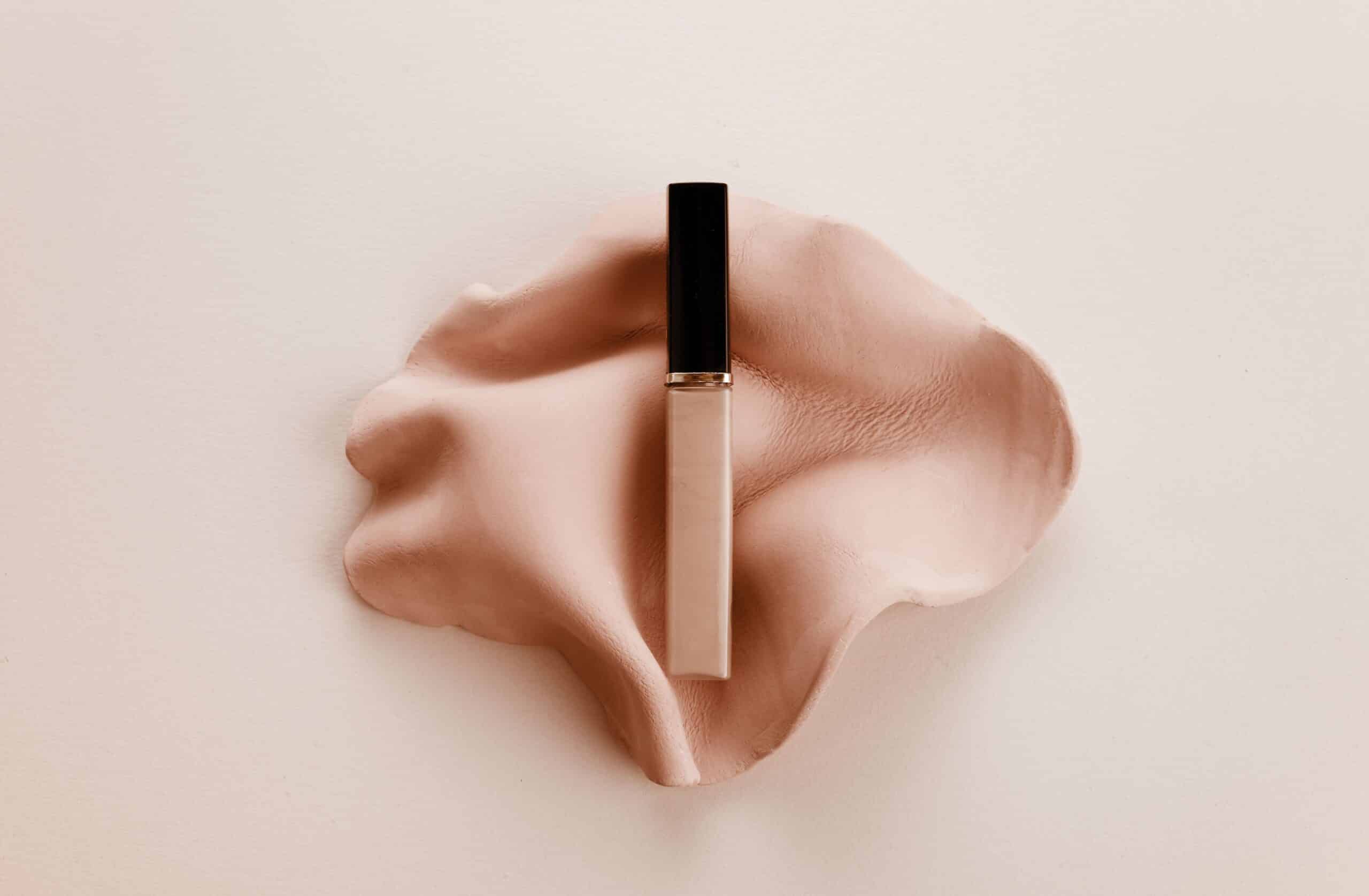
Wonnda connects brands with private label concealer manufacturers. Concealer formulates as a high-coverage corrective makeup, requiring concentrated pigment to mask imperfections. Sourcing considerations include formats like liquid or stick, alongside color-correcting options. Formulators address the challenge of achieving heavy coverage without caking, settling into fine lines, or creasing, ensuring a natural finish. Inclusive shade ranges are also critically important for this product type.
- Vetted suppliers
- 20,000+
- Brands & buyers
- 25,000+
- EU-made
- 80%
4+ Top private label concealer manufacturers
Wonnda works with the best private label concealer manufacturers. Here is a list of trusted suppliers from our network.
 Private LabelContract Manufacturing
Netherlands-based manufacturer producing refreshing shower gels, shimmering oils, soothing lotions, available to brands sourcing concealer.
- Country
- Netherlands
- MOQ
- Lead time
 Private LabelContract Manufacturing
Europe-based manufacturer producing otc ethanol-based sanitizers, astringents, hair fixatives, available to brands sourcing concealer.
- Country
- -
- MOQ
- Lead time
 Private LabelContract Manufacturing
Europe-based manufacturer producing eyebrow tints, facial creams, serums, available to brands sourcing concealer.
- Country
- -
- MOQ
- Lead time
 Private LabelContract Manufacturing
Europe-based manufacturer producing skincare products, color cosmetics, hair care products, available to brands sourcing concealer.
- Country
- -
- MOQ
- Lead time
Compare MOQs and lead times
Quick side-by-side of the shortlist. Missing values shown as a dash.
| Supplier | Location | Types | MOQ | Lead time |
|---|---|---|---|---|
| Cosmetize | Netherlands | PL · CM | ||
| Bell | - | PL · CM | ||
| Delia Cosmetics | - | PL · CM | ||
| Nako Cosmetic | - | PL · CM |
Buyer criteria
- Shade-matching and undertone accuracy
Concealer must match skin tone and undertone precisely, often more exactly than foundation since it sits in a corrective spot, so confirm the maker can match your shade references across warm, neutral, and cool undertones. Ask for matched samples on relevant skin. A concealer that is the wrong undertone looks like a patch, defeating its corrective purpose, so undertone control is essential.
- Crease and transfer resistance
Under-eye skin is thin and mobile, so confirm the concealer resists settling into fine lines and creasing through the day, and does not transfer. Wear-test samples under the eye over hours. A concealer that creases by midday is the most common complaint in the category, so crease resistance, not just initial coverage, is what determines whether customers reorder.
- Coverage without cakiness
The concealer must deliver high coverage while still looking like skin, not a thick mask, so verify the pigment-to-emollient-to-powder balance gives buildable coverage that does not cake. Test layering on samples. Heavy coverage that looks cakey or emphasizes texture fails the brief, since customers want to hide a flaw without the concealer itself becoming visible.
- Oxidation control
Some concealers shift darker or change undertone hours after application as they oxidize, so confirm the maker tests for and controls oxidation so the shade you approve is the shade the customer wears all day. Ask for wear-test shade data. An oxidizing concealer that looks right at application but turns orange or dark by afternoon will frustrate customers and misrepresent your shade range.
- Color-cosmetics compliance and pigment safety
Concealer is a cosmetic needing a product information file, CPNP notification, and ISO 22716 GMP, with pigments and colorants restricted to those permitted for cosmetic and near-eye use. Confirm the maker uses approved pigments and supplies the safety assessment, since under-eye application means the product must be safe for the delicate, near-eye area and correctly labeled.
Red flags
- Concealer that oxidizes off-shade
If wear-test samples shift noticeably darker or change undertone hours after application, the formula oxidizes and the approved shade is not what the customer wears. A maker that does not test for oxidation is shipping a range that misrepresents its shades. This is a frequent and frustrating concealer fault, so untested oxidation is a real risk to the shade accuracy your brand promises.
- Creasing under the eye in testing
A concealer that settles into fine lines and creases within hours under the eye has too much emollient or the wrong powder balance. If samples crease in wear testing, the formula is not designed for the thin, mobile under-eye area. Since creasing is the top concealer complaint, a maker that cannot deliver a crease-resistant under-eye formula has missed the core requirement.
- Streaky coverage from poor milling
Concealer carries a heavy pigment load, so if it is not milled and dispersed properly it applies streaky, patchy, or grainy. Samples that streak or look uneven signal inadequate milling. A maker without the dispersion capability to make a high-pigment product apply smoothly will deliver a concealer that looks worse than the flaw it is meant to hide.
- Narrow shade range only
A maker that can only offer a handful of light-to-medium shades cannot support the inclusive range now expected in the category, and an undertone or depth your customer needs being missing loses the sale. If the supplier's shade and undertone capability is limited, the brand will be judged as exclusionary. Confirm the range and undertone breadth match your inclusivity commitment before committing.
Manufacturing process
- 01
Coverage, finish and format design
The maker fixes the coverage level, the finish (radiant, natural, or matte), and the format (liquid wand, stick, or pot), then builds the base accordingly. Under-eye concealers are designed lighter and more hydrating to resist creasing, while spot concealers go heavier and more matte, so the application area shapes the formula.
- 02
Pigment loading and shade matching
High pigment loads are dispersed and matched to each shade and undertone across the range, including any color-correcting peach and green tones. Concealer carries more pigment than foundation, so dispersion quality is critical to avoid streaking. Each shade is a separate match, which is why a broad range drives cost and lead time.
- 03
Base and emollient balancing
Emollients, film formers, and powders are balanced to hold the pigment, deliver coverage, and control creasing and transfer. Too much emollient creases under the eye, too much powder looks cakey. This balance between coverage and a crease-free, natural finish is the central formulation craft of a concealer.
- 04
Milling and dispersion
The pigment-and-base mixture is milled to disperse the high pigment load evenly so the concealer applies smoothly without graininess or streaks. Proper milling is what lets a heavily pigmented product still look natural on skin. Dispersion is checked before filling, since poor milling shows up as patchy, streaky coverage.
- 05
Oxidation, crease and wear testing
Samples are wear-tested for oxidation (shade shift after application), creasing in fine lines, transfer, and coverage over the day, especially under the eye. A concealer that oxidizes darker or creases by midday fails its job, so these tests verify the shade and finish hold on real skin before the range is approved.
- 06
Filling, applicator and QC
The concealer is filled into the chosen package with its doe-foot wand, stick mechanism, or pot, then decorated and labeled. QC confirms shade accuracy, fill, and applicator function, and the product information file, CPNP notification, and ISO 22716 documentation with pigment and allergen declarations are completed before release.
Understanding concealer private-label manufacturing
Concealer Formulations and Formats
Concealer requires concentrated pigment to mask imperfections that foundation cannot cover. The challenge lies in delivering high coverage in a small area without caking, settling into fine lines, or creasing.
The dominant format is liquid concealer with a doe-foot wand applicator. The finish - radiant, natural, or full-coverage matte - depends on the balance of emollients, film formers, and powders. Under-eye concealers are lighter and more hydrating to prevent creasing on thin skin, while spot concealers for blemishes are heavier and more matte.
Color-correcting concealers use specific pigment palettes, such as peach to cancel blue under-eye shadows and green to neutralize redness. Stick and cream-pot formats offer fuller coverage.
Manufacturing and MOQs
Concealer manufacturing is concentrated in color-cosmetics contract manufacturers. Italy is a global hub for color cosmetics, alongside Germany, France, and increasingly Poland. Significant capabilities also exist in South Korea and China.
Minimum Order Quantities (MOQs) for a custom concealer typically range from 3,000 to 10,000 units per shade. This is driven by pigment matching, wand and component minimums, and filling setup. A full shade range significantly increases the MOQ requirement.
Lead times for custom concealer shades are typically 10 to 16 weeks.
Cost Drivers and Quality Considerations
The primary cost drivers for concealer are the pigment system and shade-matching work, followed by the applicator and packaging, and then filling and decoration. The base formulation represents a moderate share of the cost. Building a wide, inclusive shade range is the largest cost commitment in the category.
Private label concealer buyers include color-cosmetics D2C and indie brands, makeup artist and pro lines, inclusive-beauty brands focused on broad shade ranges, and retailer cosmetics programs. Shade range and inclusivity are key competitive factors.
Key considerations when qualifying a manufacturing partner include shade-matching accuracy, undertone control, crease and transfer resistance under the eye, and coverage without cakiness. A concealer that creases, oxidizes to the wrong shade, or fails to match a customer
Frequently asked questions
How is concealer formulated differently from foundation?+
Why do concealers crease, and how is it prevented?+
What are color-correcting concealers and do I need them in my range?+
What MOQ and lead time should I expect for private label concealer?+
How do I build an inclusive shade range without an unmanageable launch cost?+
What is oxidation in a concealer and why does it matter?+
Explore adjacent product types
Get a vetted shortlist of concealer suppliers in 48 hours.
Post a brief on Wonnda. Free, no commitment. We match you with vetted manufacturers that fit your MOQ, format and market.