
Best private label eyeshadow palette manufacturers
Source private label eyeshadow palette suppliers through Wonnda. These multi-pan cosmetic sets combine various shade formulations, finishes, and compact designs into a single product. Key sourcing considerations include the consistency of color payoff, blendability, and how each pan is pressed, alongside the integration of mirrors or applicators. Suppliers must manage distinct formulations, ranging from matte to shimmer or metallic, ensuring cohesive performance across the entire palette. Lead times often reflect the complexity of custom formulation, pan pressing, and compact assembly.
- Vetted suppliers
- 20,000+
- Brands & buyers
- 25,000+
- EU-made
- 80%
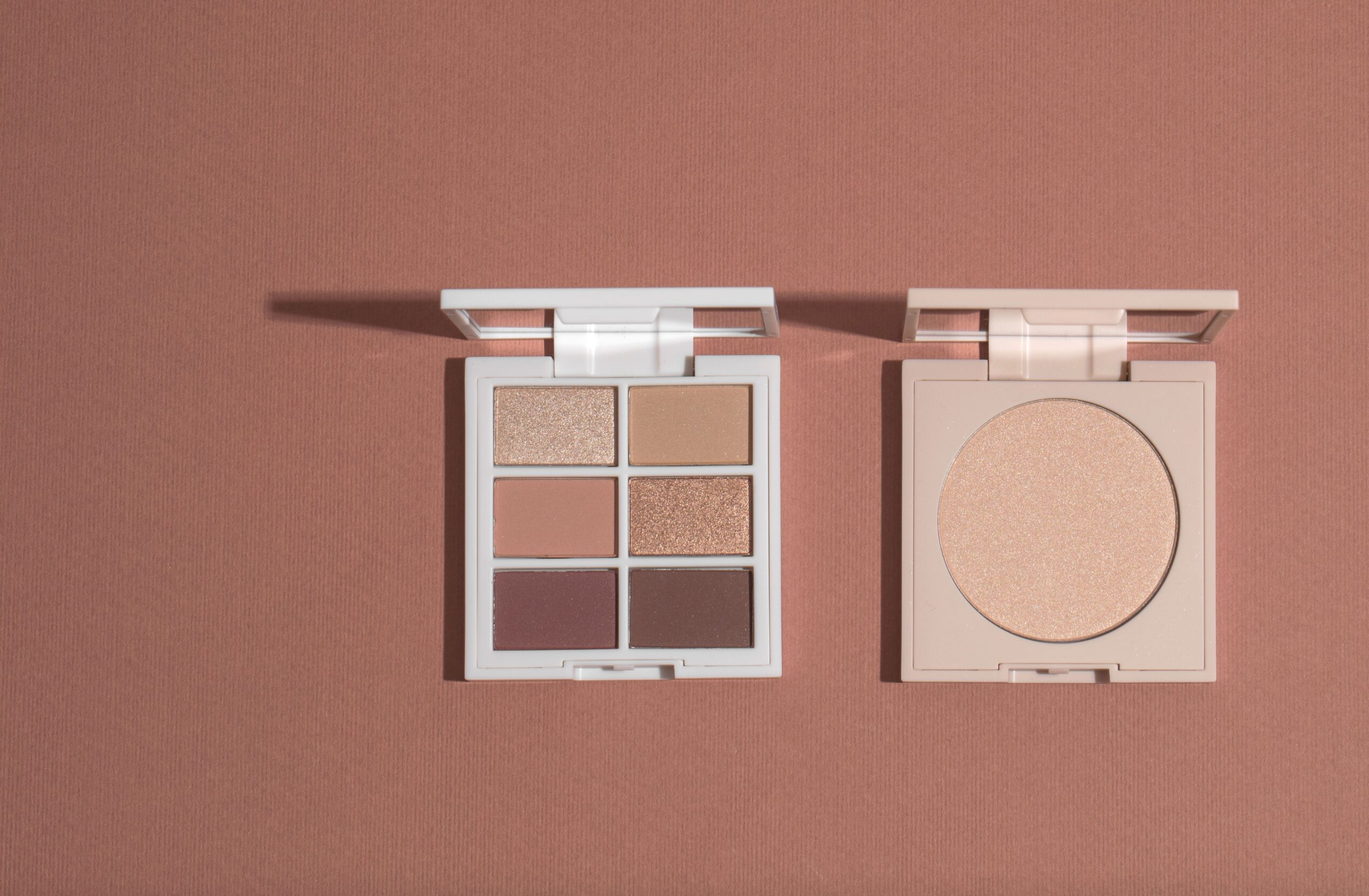
5+ Top private label eyeshadow palette manufacturers
Wonnda works with the best private label eyeshadow palette manufacturers. Here is a list of trusted suppliers from our network.
 Private LabelContract Manufacturing
Netherlands-based manufacturer producing refreshing shower gels, shimmering oils, soothing lotions, available to brands sourcing eyeshadow palette.
- Country
- Netherlands
- MOQ
- Lead time
 Private LabelContract Manufacturing
Europe-based manufacturer producing otc ethanol-based sanitizers, astringents, hair fixatives, available to brands sourcing eyeshadow palette.
- Country
- -
- MOQ
- Lead time
 Private LabelContract Manufacturing
Europe-based manufacturer producing eyebrow tints, facial creams, serums, available to brands sourcing eyeshadow palette.
- Country
- -
- MOQ
- Lead time
 Private LabelContract Manufacturing
Europe-based manufacturer producing skincare products, color cosmetics, hair care products, available to brands sourcing eyeshadow palette.
- Country
- -
- MOQ
- Lead time
 Private LabelContract Manufacturing
Austria-based manufacturer producing private-label skincare products, white-label skincare products, facial care products, available to brands sourcing eyeshadow palette.
- Country
- Austria
- MOQ
- Lead time
Compare MOQs and lead times
Quick side-by-side of the shortlist. Missing values shown as a dash.
| Supplier | Location | Types | MOQ | Lead time |
|---|---|---|---|---|
| Cosmetize | Netherlands | PL · CM | ||
| Bell | - | PL · CM | ||
| Delia Cosmetics | - | PL · CM | ||
| Nako Cosmetic | - | PL · CM | ||
| Weinzierl Cosmetic | Austria | PL · CM |
Buyer criteria
- Per-shade pigment payoff
Payoff, how much color transfers to the eye, varies by shade and finish, so confirm each shade delivers the intended intensity rather than washing out. Ask for swatches of every shade and test them on skin. A palette where some shades are vibrant and others sheer and patchy disappoints, so verify payoff shade by shade, especially for mattes and deep colors that are harder to formulate.
- Pressing consistency and pan integrity
Pressing must balance hardness so shades pick up cleanly on a brush yet do not crumble, and pans must survive transit without shattering. Confirm the manufacturer controls pressing per shade and drop-tests the compact. Request samples and check the pans, since a shattered or chalky pan is a common failure that makes the whole palette look defective on arrival.
- Fallout control across finishes
Fallout, loose powder dropping under the eye during application, is a top complaint, especially with shimmers and high-pigment shades. Confirm the manufacturer formulates and presses to minimize fallout and ask for fallout test results or samples to apply. A palette that scatters powder on the cheeks frustrates users regardless of how good the colors look in the pan.
- Color accuracy versus the standard
Each shade and the marketing imagery must match the pressed pan and the swatch on skin, so confirm how the manufacturer matches and holds color across batches under a lighting standard. Misleading swatches generate returns. Verify color accuracy for every shade and across a repeat run, since a palette is a multi-color product where any drifting shade breaks the curated set.
- Compact quality and closure
The compact is what the customer handles and judges, so confirm it feels solid, the mirror is clear, and any magnetic or mechanical closure works reliably and holds the pans securely. Ask whether the compact is stock or custom and check assembled samples. A flimsy compact or a weak closure that lets pans loosen undercuts the palette regardless of the shade quality inside.
Red flags
- Inconsistent payoff across shades
If some shades are vibrant while others apply sheer, patchy, or chalky, the per-shade formulation is uneven and the palette will frustrate users. Mattes and deep colors are the hardest to get right. Reject a palette where payoff varies widely between pans, since a curated set is judged by its weakest shades and inconsistent payoff signals poor formulation control.
- Heavy fallout during application
If shades, particularly shimmers, drop loose powder onto the cheeks during application, the formulation or pressing is causing fallout, which is one of the most common eyeshadow complaints. Test samples by applying them. A palette that scatters powder under the eye creates a messy result and poor reviews, so treat heavy fallout as a formulation failure rather than a minor quirk.
- Pans that shatter in transit
If pressed pans arrive cracked or shattered, the pressing is too soft or the compact does not protect the pans, and the problem worsens at scale and over shipping. Drop-testing should catch this. Reject a manufacturer whose pans cannot survive normal transit, since a shattered pan makes the palette unsellable and reflects inadequate pressing and packaging.
- Misleading swatches versus actual color
If the pressed pan or the on-skin swatch does not match the marketing imagery or the intended shade, customers feel misled and return the product. This often comes from poor color matching or exaggerated promotional images. Reject a palette where the actual applied color drifts from the standard, since color accuracy is the foundation of trust in a color cosmetic.
Manufacturing process
- 01
Shade and finish design
The brand sets the shade range and the mix of finishes, matte, satin, shimmer, metallic, or baked, and each shade is assigned a formulation, since finishes differ in binder and pigment needs. This curation defines the palette's identity and the development effort, because every shade is effectively its own small formulation to be matched and tested.
- 02
Pigment dispersion and color matching
Pigments and effect particles for each shade are dispersed into the appropriate base and matched against a target standard under controlled lighting. Color matching is exacting because the pressed pan, the swatch on skin, and the marketing image must align. Effect pigments for shimmers and metallics are handled to preserve their reflectivity in the final press.
- 03
Bulk powder preparation
Each shade's bulk powder is blended with binders and emollients to a consistency that presses cleanly and delivers payoff without excessive fallout. The binder level is tuned per finish, since shimmers and high-pigment shades behave differently from mattes. Bulk uniformity is verified so the color and texture are consistent across every pan pressed.
- 04
Pan pressing
Each bulk powder is pressed into its pan, either back-pressed into godets or pressed directly, at a pressure that balances hardness against payoff. Pressing is the critical quality step: too hard and the shadow does not pick up on a brush, too soft and it crumbles and shatters. Pressed pans are checked for surface quality and integrity.
- 05
Quality control and fallout testing
Pressed pans are tested for color accuracy, payoff, blendability, and fallout, both in the pan and when applied, since fallout under the eye is a common complaint. Drop testing checks that pressed pans survive transit without shattering. Each shade is verified against the standard so the finished palette performs consistently across all pans.
- 06
Compact assembly and decoration
Pressed pans are assembled into the compact, whether stock or custom, with a mirror and any magnetic or mechanical closure, then the compact is printed or decorated and the unit sealed. Pan placement and the shade-name printing are verified. The assembled palette is inspected for pan integrity and finish before packing with batch coding.
Understanding eyeshadow palette private-label manufacturing
Eyeshadow Palette Manufacturing - A Deep Dive
An eyeshadow palette is a multi-pan color cosmetic, comprising a set of pressed or baked powder shades, often with creams, arranged in a compact with a mirror. The formulation of each shade and the consistency of the pan pressing define the product.
For a private label brand, eyeshadow palettes are among the more complex color cosmetics to source. This is due to combining multiple distinct shade formulations, varied finishes, and a components-heavy compact into a single SKU. Manufacturers must control color, texture, and pressing across many pans simultaneously.
Formulation and Shade Story
The initial decision in palette development involves the shade story and the finishes included. A palette typically mixes finishes such as matte, satin, shimmer, metallic, and sometimes pressed glitter or baked shades. Each finish requires a different formulation with distinct binder and pigment needs.
Matte shades rely on pigment load and smooth pressing, while shimmers and metallics depend on pearl and effect pigments. They also require a binder that delivers payoff without fallout. The brand establishes the shade range, the mix of finishes, and the product
Frequently asked questions
Why is an eyeshadow palette more complex to source than a single eyeshadow?+
How do I prevent eyeshadow fallout in my palette?+
What MOQ and lead time should I expect for a custom palette?+
Can I mix different finishes in one palette?+
Where are eyeshadow palettes manufactured?+
How do I make sure pans survive shipping without shattering?+
Explore adjacent product types
Get a vetted shortlist of eyeshadow palette suppliers in 48 hours.
Post a brief on Wonnda. Free, no commitment. We match you with vetted manufacturers that fit your MOQ, format and market.