
Best private label eyeliner manufacturers
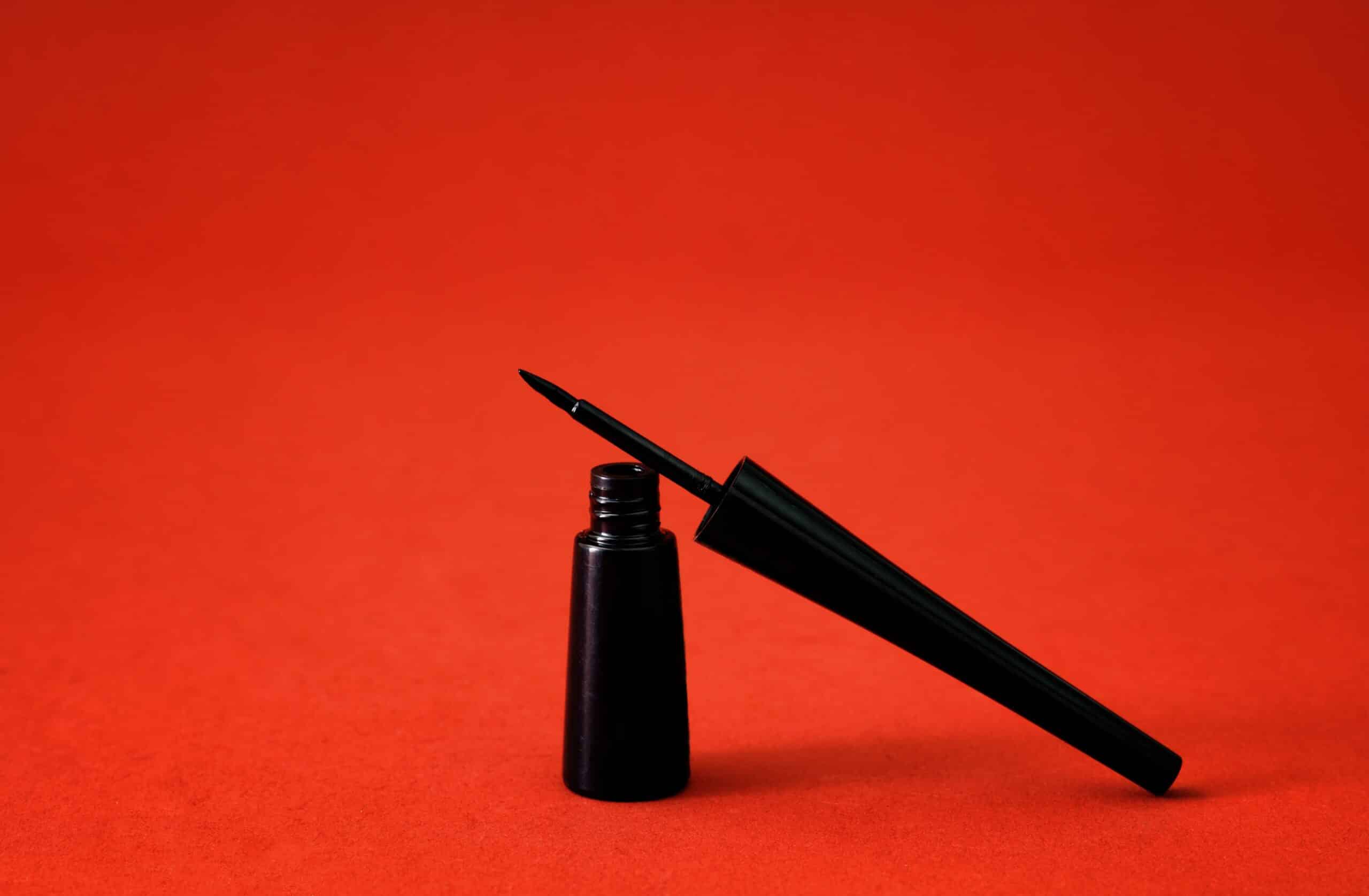
Source private label eyeliner suppliers through Wonnda. Eyeliner formulations vary significantly, from liquid and gel to pencil and felt-tip pen formats, each requiring distinct manufacturing processes and equipment. Key sourcing considerations include the types of eye-safe pigments used, along with necessary ophthalmological testing for product safety and consumer well-being. Production timelines can differ based on the complexity of the chosen format and any custom formulation requirements.
- Vetted suppliers
- 20,000+
- Brands & buyers
- 25,000+
- EU-made
- 80%
5+ Top private label eyeliner manufacturers
Wonnda works with the best private label eyeliner manufacturers. Here is a list of trusted suppliers from our network.
 Private LabelContract Manufacturing
Europe-based manufacturer producing otc ethanol-based sanitizers, astringents, hair fixatives, available to brands sourcing eyeliner.
- Country
- -
- MOQ
- Lead time
 Private LabelContract Manufacturing
Europe-based manufacturer producing eyebrow tints, facial creams, serums, available to brands sourcing eyeliner.
- Country
- -
- MOQ
- Lead time
 Private LabelContract Manufacturing
Netherlands-based manufacturer producing refreshing shower gels, shimmering oils, soothing lotions, available to brands sourcing eyeliner.
- Country
- Netherlands
- MOQ
- Lead time
 Private LabelContract Manufacturing
Austria-based manufacturer producing private-label skincare products, white-label skincare products, facial care products, available to brands sourcing eyeliner.
- Country
- Austria
- MOQ
- Lead time
 Private LabelContract Manufacturing
Europe-based manufacturer producing skincare products, color cosmetics, hair care products, available to brands sourcing eyeliner.
- Country
- -
- MOQ
- Lead time
Compare MOQs and lead times
Quick side-by-side of the shortlist. Missing values shown as a dash.
| Supplier | Location | Types | MOQ | Lead time |
|---|---|---|---|---|
| Bell | - | PL · CM | ||
| Delia Cosmetics | - | PL · CM | ||
| Cosmetize | Netherlands | PL · CM | ||
| Weinzierl Cosmetic | Austria | PL · CM | ||
| Nako Cosmetic | - | PL · CM |
Buyer criteria
- Ophthalmological testing and eye-safe pigments
Because eyeliner is applied to the eye margin, confirm every formula is ophthalmologically tested and uses only pigments permitted for eye-area use, which is a tighter list than general cosmetics. Ask for the eye-safety evidence and the pigment list. A liner that irritates the eye or uses non-eye-approved colorants is both a safety and a compliance failure, so this is the non-negotiable first criterion.
- Applicator precision for the format
A clean, controllable line depends on the applicator, so confirm the fine brush, felt tip, or pencil point delivers a precise, even line for your chosen format. Test application on samples. A liquid liner with a floppy or splayed brush, or a pencil that drags, makes a sharp line impossible regardless of formula quality, so applicator precision is as important as the pigment system.
- Payoff and skip-free application
Customers expect intense, even color in one pass, so verify the liner lays down a saturated, skip-free line without patchiness or needing multiple coats. Test the payoff on samples. A liner that skips, drags, or needs several passes to build color frustrates users at application, so even, one-pass payoff from proper pigment dispersion is a core qualification.
- Wear and smudge resistance
Eyeliner is judged on whether the line survives the day without smudging, flaking, or migrating into the crease, so confirm the wear performance matches your claim, including any waterproof or smudge-proof promise. Wear-test samples over hours. A liner that smudges under the eye or flakes by midday is abandoned fast, so longevity is what drives reorders in this category.
- Color-cosmetics compliance and removal story
Eyeliner is a cosmetic needing a product information file, CPNP notification, and ISO 22716 GMP, plus the eye-safety documentation. For waterproof and long-wear liners, confirm a sensible removal approach, since a film tough enough to last all day must still come off without harsh rubbing of the eye area. Confirm the maker supplies the safety assessment and eye-area evidence.
Red flags
- No ophthalmological testing
An eyeliner applied to the eye margin without ophthalmological testing is a serious safety gap, since the product risks contact with the eye itself. A maker that cannot provide eye-safety and tolerance evidence is not treating the product as the eye-area cosmetic it is. This is disqualifying regardless of color or wear performance, because eye safety is the threshold requirement for any liner.
- Pigments not approved for eye-area use
The list of colorants permitted around the eye is tighter than for general cosmetics, so a liner using pigments not approved for eye use is both unsafe and non-compliant. If the maker cannot confirm every pigment is eye-approved, the formula cannot be sold legally for the eye. Treat any vagueness about pigment eye-approval as a clear reason to reject the supplier.
- Poor applicator that prevents a clean line
A liquid liner with a brush that splays or a felt tip that frays, or a pencil that drags and skips, makes a precise line impossible no matter how good the formula is. If samples cannot draw a clean, controlled line, the applicator is wrong. Since a sharp line is the whole point of eyeliner, a poor applicator undermines the product entirely and reaches every customer.
- Smudging or flaking in wear testing
A liner that smudges into the under-eye, flakes off, or migrates into the crease within hours fails its longevity job, and a waterproof claim that does not survive water is misleading. If wear-test samples smudge or flake, the film system is inadequate. Eyeliner that does not last is abandoned immediately, so wear failures in testing are a direct signal the formula will disappoint.
Manufacturing process
- 01
Format and applicator selection
The maker fixes the format, liquid, gel, pencil, or felt-tip pen, since each is a different product on different equipment, and selects the applicator: a fine brush, felt tip, molded pencil, or separate gel brush. The applicator is central to a precise line, so its choice is locked early with the format.
- 02
Eye-approved pigment selection
Pigments are chosen from the tighter list permitted for use around the eye, since the eye margin allows fewer colorants than general cosmetics. Intense, even payoff in one pass is the goal, so pigment loading and dispersion are set for bold color while staying within the eye-safe palette and regulatory limits.
- 03
Film-former and wear system design
Film formers and waxes are designed for the wear claim: smudge-proof, waterproof, or long-wear, balancing intense application against a clean removal story. Waterproof liners need stronger films that resist water and oil. This balance of long wear and removability, plus eye comfort, is the core formulation craft for a liner.
- 04
Compounding, milling or pencil molding
Liquid and gel liners are compounded and milled to disperse pigment evenly for a smooth, skip-free line; pencils are made by mixing waxes, oils, and pigment, then extruding or molding the lead and inserting it into wood or a mechanical barrel. Each format has its own processing, which is why a liquid-liner house may not make pencils.
- 05
Ophthalmological and wear testing
Because eyeliner is applied to the eye margin, formulas undergo ophthalmological testing for eye safety and tolerance, alongside wear testing for smudging, flaking, transfer, and migration into the crease over the day. The liner is verified to deliver a clean line that lasts and is safe and comfortable on the sensitive eye area before approval.
- 06
Filling, assembly and QC
Liquid and gel liners are filled and the applicator assembled; pencils are sharpened or fitted into mechanisms; felt-tip pens are saturated with the formula. The product is decorated and labeled. QC confirms color, applicator precision, fill, and the product information file, CPNP notification, and ISO 22716 documentation with eye-safety evidence before release.
Understanding eyeliner private-label manufacturing
Eyeliner Formats and Manufacturing
Eyeliner is a technically exacting cosmetic applied to the sensitive eye margin, where safety, ophthalmological testing, and precise application are critical. The manufacturing process begins with selecting the format, as liquid, gel, pencil, and felt-tip pen eyeliners are distinct products requiring different equipment. A liquid liner comes as a pigmented film-forming fluid in a brush or felt tip. A pencil is a molded wax-and-pigment stick, while a gel liner is a creamy pot product applied with a separate brush. The chosen format directly influences the manufacturer.
Eyeliner requires a combination of payoff, precision, and longevity, in addition to strict eye safety. Customers expect an intense, even line in one pass, a fine controllable tip or brush, and wear that lasts without smudging, flaking, or migrating. Waterproof or smudge-proof claims often necessitate film formers, which affect removal. Pigments must be approved for use around the eye, a tighter list than for general cosmetics, and every formula requires ophthalmological testing due to its application on the eye margin and potential contact with the eye.
MOQs and Lead Times
Eyeliner manufacturing is handled by specialist color-cosmetics and pencil manufacturers. Minimum Order Quantities (MOQs) for custom eyeliner typically range from 5,000 to 10,000 units. These MOQs are primarily driven by component minimums for the brush, tip, or pencil, and by filling setup. Pencil MOQs can sometimes be higher due to molding and tooling requirements. Lead times for eyeliner production generally run between 10 to 16 weeks.
Global Manufacturing Hubs and Cost Drivers
Leading manufacturing hubs for color cosmetics and pencils include Italy, Germany, and France. South Korea and China also have significant capabilities, particularly for innovative formats and felt-tip pens. The cost of eyeliner is primarily driven by the applicator and component system, with precision felt tips or fine brushes representing a significant cost. The pigment and film-former system also contribute to the cost, followed by filling and decoration. The base formulation represents a moderate share of the overall cost.
Target Market and Quality Considerations
Private label eyeliner buyers include color-cosmetics D2C and indie brands, makeup-artist and pro lines, clean-beauty brands seeking eye-safe natural formulations, and retailer cosmetics ranges. The category rewards precise applicators and long-lasting, clean wear. A liner that skips, smudges, or irritates the eye is quickly abandoned. Partners should be qualified based on their ophthalmological testing capabilities, use of eye-approved pigments, applicator precision for the chosen format, and wear and smudge resistance, ensuring a sharp and lasting line on the face's most unforgiving and safety-critical area.
Frequently asked questions
Which eyeliner format should I make: liquid, gel, pencil, or felt-tip pen?+
Why does eyeliner require ophthalmological testing?+
How do I get an intense, skip-free line in one pass?+
What makes an eyeliner waterproof or smudge-proof, and what is the tradeoff?+
What MOQ and lead time should I expect for private label eyeliner?+
Can a clean-beauty or natural eyeliner still be eye-safe and long-wearing?+
Explore adjacent product types
Get a vetted shortlist of eyeliner suppliers in 48 hours.
Post a brief on Wonnda. Free, no commitment. We match you with vetted manufacturers that fit your MOQ, format and market.