
Best private label herbal cosmetics manufacturers
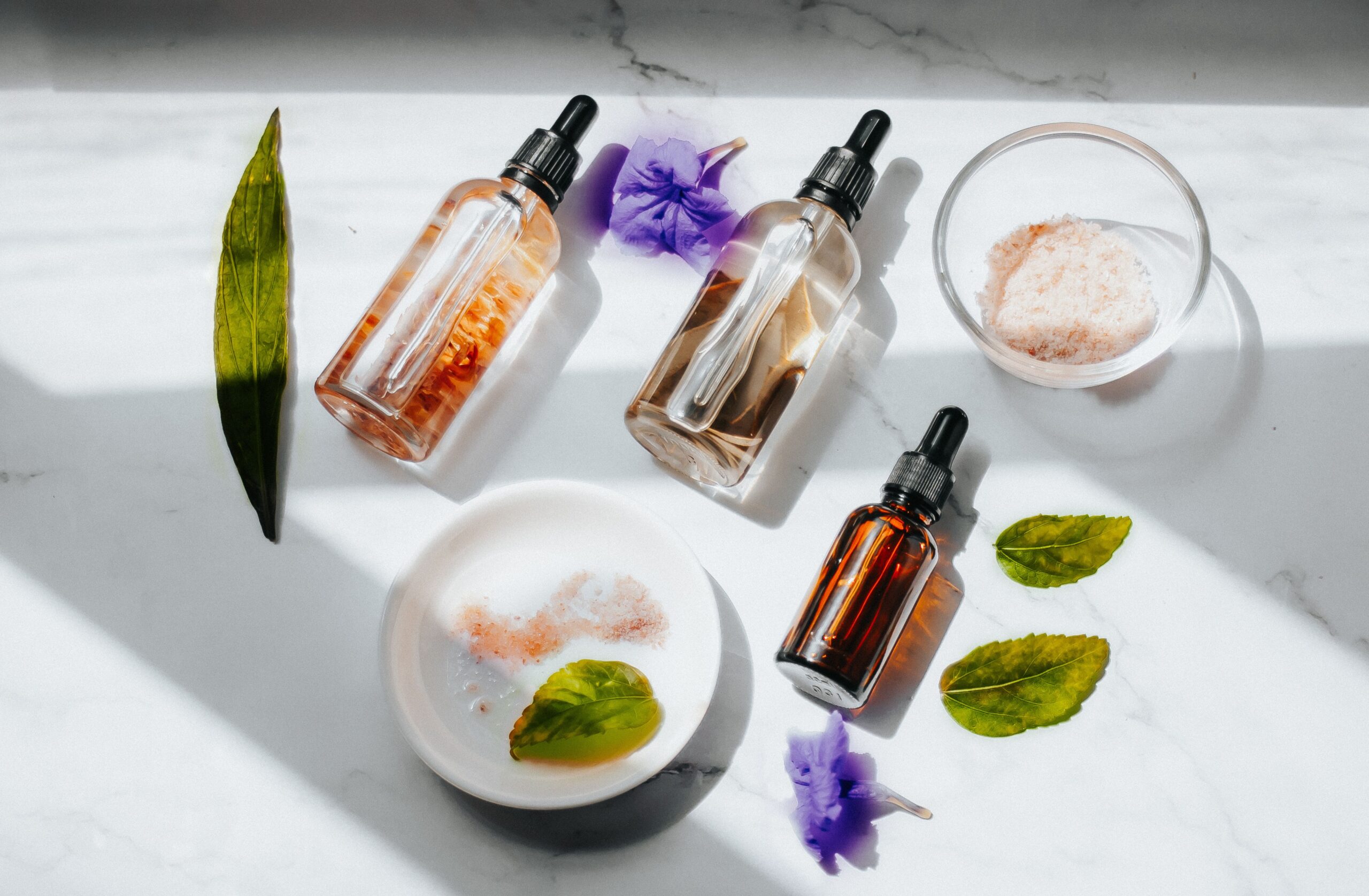
Wonnda is where brands find private label herbal cosmetics manufacturers. These products are formulated with botanical extracts, plant oils, and traditional plant actives like aloe or turmeric. Sourcing for herbal cosmetics involves a wide range of formats, including creams, serums, cleansers, and hair products. Key considerations include the standardization and credibility of botanical actives, with certifications relevant for COSMOS-ready products. The integrity of the plant content is crucial for the product's positioning and consumer trust.
- Vetted suppliers
- 20,000+
- Brands & buyers
- 25,000+
- EU-made
- 80%
7+ Top private label herbal cosmetics manufacturers
Wonnda works with the best private label herbal cosmetics manufacturers. Here is a list of trusted suppliers from our network.
- Featured
 Private LabelContract ManufacturingWhite Label
Italian contract manufacturer for private label cosmetics and medical devices with COSMOS certification.
- Country
- Italia
- MOQ
- 500
- Lead time
- Featured
Silanus
5.0Private LabelContract ManufacturingHungary-based manufacturer producing shampoos & conditioners (natural, herbal-based), body lotions & creams, shower gels, available to brands sourcing herbal cosmetics.
- Country
- Hungary
- MOQ
- A few hundred to a few thousand units (depending on product type)
- Lead time
- 4 weeks
- Featured
 Private LabelContract Manufacturing
Germany-based manufacturer producing dietary supplements, natural cosmetics, hybrid cosmetics, available to brands sourcing herbal cosmetics.
- Country
- Germany
- MOQ
- Lead time
- Featured
Panaka
4.7Private LabelContract ManufacturingSwitzerland-based manufacturer producing private label skincare serums, private label spf products, private label toothpaste, available to brands sourcing herbal cosmetics.
- Country
- Switzerland
- MOQ
- Lead time
 Private LabelContract Manufacturing
Germany-based manufacturer producing body wash, intensive moisturizing treatments, private label cosmetics, available to brands sourcing herbal cosmetics.
- Country
- Germany
- MOQ
- Lead time
 Private LabelContract Manufacturing
Slovakia-based manufacturer producing dead sea body creams, dead sea body lotions, shampoos with dead sea minerals, available to brands sourcing herbal cosmetics.
- Country
- Slovakia
- MOQ
- Lead time
 Private LabelContract Manufacturing
Poland-based manufacturer producing hemp flower, hemp seed oil, cbd oil derivatives, available to brands sourcing herbal cosmetics.
- Country
- Poland
- MOQ
- Lead time
Compare MOQs and lead times
Quick side-by-side of the shortlist. Missing values shown as a dash.
| Supplier | Location | Types | MOQ | Lead time |
|---|---|---|---|---|
| Dasais Cosmetic Hub | Italia | PL · CM · White Label | 500 | |
| Silanus | Hungary | PL · CM | A few hundred to a few thousand units (depending on product type) | 4 weeks |
| Azba Cosmetics | Germany | PL · CM | ||
| Panaka | Switzerland | PL · CM | ||
| Atinacosmetics GmbH | Germany | PL · CM | ||
| BIO-ROM s.r.o | Slovakia | PL · CM | ||
| HEMPOLAND sp. z o.o. | Poland | PL · CM |
Buyer criteria
- Botanical authentication and contaminant testing
Plant materials carry real risks of adulteration, misidentification, and contamination with heavy metals or pesticides, so confirm the manufacturer authenticates botanical identity and tests incoming extracts for contaminants. Ask for specifications and certificates of analysis on the actual extracts used. A credible herbal product depends on clean, correctly identified plants, not just on a botanical name on the label.
- Extract standardization for consistent efficacy
Ask whether key actives are standardized extracts with a defined active-compound level or crude powders that vary by harvest. Standardization underpins both consistent performance and a defensible efficacy claim. A formula built on unstandardized botanicals may look natural but deliver inconsistent results, so verify the grade and standardization of the actives that justify your positioning.
- Natural-compatible preservation
Botanical-rich water-containing formulas are prone to microbial growth, and natural brands often exclude conventional preservatives, so confirm the manufacturer uses a validated natural-compatible preservative system with challenge test data. An underpreserved herbal cream will spoil. Verify the preservation matches both the water content and the clean-label constraints you are committing to.
- Certification scope for natural claims
If you market the range as natural, organic, ayurvedic, or vegan, confirm the manufacturer holds the relevant COSMOS, Ecocert, or equivalent certification and that it covers your specific formulas. Certification on the facility does not automatically extend to each recipe. Ask for the scope and how each claimed botanical and the overall formula qualify under the standard.
- Stability of natural color and scent
Botanical actives can shift the color and scent of a formula over time as plant compounds oxidize or react. Ask for stability data showing how the product holds appearance and aroma across its shelf life. Natural variation is expected, but a formula that browns or turns rancid looks defective, so confirm the manufacturer controls these shifts within an acceptable range.
Red flags
- Botanical actives at token levels
If a formula names herbs prominently but includes them at trace levels behind a conventional synthetic base, the herbal claim is marketing rather than substance. Ask for the actual concentration of the botanical actives. A product that is herbal in name only will not satisfy informed natural-beauty buyers and risks misleading-claim challenges.
- No contaminant testing on botanicals
Plant-derived materials can carry heavy metals, pesticides, and microbial contamination, so a manufacturer that does not test incoming botanicals for contaminants is exposing your customers and your brand to safety risk. Missing contaminant data on plant actives is disqualifying for an herbal range regardless of how natural the marketing sounds.
- Weak preservation in a natural formula
If a botanical-rich water-containing product relies on an inadequate preservative system, often because the brand excluded conventional preservatives without a proper alternative, it will grow mould and fail challenge testing. Reject any natural formula without validated preservation, since plant materials can actively feed contamination and a spoiled herbal cream is both unsafe and a reputational hit.
- Unstandardized actives sold as efficacious
If a manufacturer claims efficacy from botanicals but uses crude, unstandardized powders that vary by batch, the performance cannot be guaranteed. Inconsistent actives undermine both results and any defensible claim. A supplier that cannot offer standardized extracts for the key actives is a poor choice for a product whose value rests on what the plants actually do.
Manufacturing process
- 01
Botanical sourcing and authentication
Plant extracts, oils, and powders are sourced against a specification and authenticated for identity, since herb adulteration and misidentification are real risks. The manufacturer chooses between standardized extracts, infusions, and crude powders. Incoming botanicals are tested for contaminants such as heavy metals and pesticides, which matters most for plant-derived materials.
- 02
Extract standardization and preparation
Where standardized extracts are used, the active-compound level is verified so each batch delivers consistent efficacy. Crude botanicals are milled or infused into a carrier. This step fixes how reliably the herbal claim holds, since unstandardized plant material varies widely between harvests and origins.
- 03
Base formulation
The product base, whether an emulsion cream, a gel, a cleanser, or an oil, is built to carry the botanicals and deliver the target feel. Natural and certified formulas use plant-derived emulsifiers and thickeners. The base is designed so the botanical actives stay stable and bioavailable rather than degrading in the formula.
- 04
Active incorporation
Botanical extracts and actives are added at the stage that protects them, since many plant compounds are heat or oxygen sensitive. Dosing is matched to the claimed concentration and to safe-use limits. Color and natural scent from the botanicals are accounted for, as plant actives can tint or perfume the base.
- 05
Natural preservation and testing
A preservative system compatible with natural or certified positioning is added and validated, since botanical-rich water-containing formulas are prone to microbial growth and some plant materials feed contamination. Challenge testing confirms the formula is protected across its shelf life without relying on conventional preservatives the brand has excluded.
- 06
Filling and quality control
The finished product is filled into jars, tubes, or bottles, with fill weight, appearance, scent, and microbiological safety checked against the standard. Batch coding supports traceability back to the botanical lots. Stability is confirmed so natural color and scent shifts stay within an acceptable range over the product's life.
Understanding herbal cosmetics private-label manufacturing
Herbal Formulations and Actives
- Herbal cosmetics use botanical extracts, plant oils, and traditional plant actives like aloe, neem, turmeric, calendula, or ayurvedic herb blends.
- Products range from creams and serums to cleansers and hair products.
- The credibility of herbal claims depends on whether the plant content is real and consistent.
- Botanicals can be delivered as standardized extracts, simple infusions or powders, or cold-pressed plant oils.
- Standardized extracts offer consistent efficacy and defensible claims, while crude powders are variable. This choice impacts product performance and marketing.
Manufacturing Locations, MOQs, and Lead Times
- Herbal cosmetics contract manufacturing is prominent in India, for ayurvedic and botanical formulations.
- In Europe, Germany, France, Italy, and Poland specialize in natural and certified-organic products.
- Custom herbal formulas typically have MOQs of 1,000 to 5,000 units, driven by mixing tank and extract sourcing.
- Relabels of existing botanical bases have lower MOQs.
- Lead times are 6 to 14 weeks, extending with specific standardized extract sourcing.
- Certifications like COSMOS, Ecocert, or Ayush add documentation time.
Cost Drivers and Quality Assurance
- Cost is primarily driven by botanical actives; genuine standardized extracts and certified-organic plant oils are more expensive than crude powders or synthetic alternatives.
- Other cost factors include the base format, emulsion or oil system, preservation (especially for natural formulas without conventional preservatives), packaging, and certification documentation.
- Sourcing authentic, contaminant-free botanicals is crucial for a credible herbal product.
Market and Brand Differentiation
- Buyers of private label herbal cosmetics are typically natural, ayurvedic, and clean-beauty brands.
- Distribution channels include D2C, Amazon, health and wellness retail, and increasingly mainstream beauty.
- Spa and wellness channels are secondary.
- Brands differentiate through the authenticity and standardization of their actives, certifications, and a coherent plant-based story.
- Qualifying manufacturers based on their sourcing and testing of botanical extracts, and the safety of their preservative systems for natural formulas, is more important than headline unit price.
Frequently asked questions
What is the difference between standardized extracts and crude botanicals?+
Are herbal cosmetics harder to preserve than conventional ones?+
How do I verify the botanicals in my product are authentic and safe?+
What MOQ and lead time apply to herbal cosmetics?+
Where is herbal cosmetics manufacturing concentrated?+
Can herbal cosmetics be certified organic or vegan?+
Explore adjacent product types
Get a vetted shortlist of herbal cosmetics suppliers in 48 hours.
Post a brief on Wonnda. Free, no commitment. We match you with vetted manufacturers that fit your MOQ, format and market.