
Best private label feta cheese manufacturers
Wonnda is the best place to find private label feta cheese manufacturers. Sourcing decisions center on whether to procure Protected Designation of Origin (PDO) Feta from Greece, made from sheep's or a sheep and goat milk blend, or a feta-style white cheese produced elsewhere. Feta is traditionally a brined product, available in formats like blocks, cubes, or crumbled preparations. Certification for PDO status is crucial, distinguishing authentic Feta from other similar white brined cheeses.
- Vetted suppliers
- 20,000+
- Brands & buyers
- 25,000+
- EU-made
- 80%
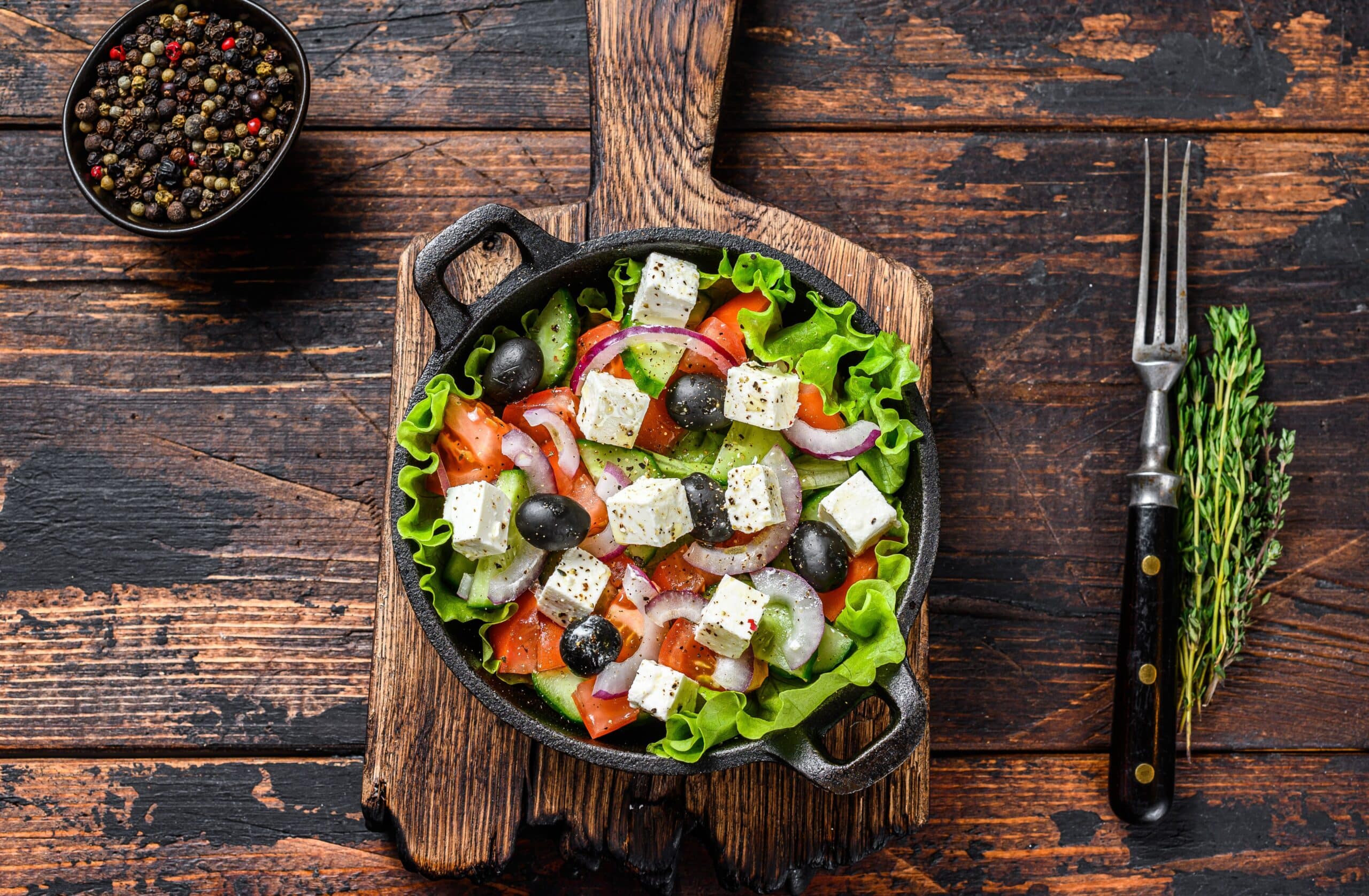
5+ Top private label feta cheese manufacturers
Wonnda works with the best private label feta cheese manufacturers. Here is a list of trusted suppliers from our network.

AMFIGAL SA
4.7Private LabelContract ManufacturingGreece-based manufacturer producing feta cheese, cream cheese, available to brands sourcing feta cheese.
- Country
- Greece
- MOQ
- Lead time
 Private LabelContract Manufacturing
Europe-based manufacturer producing color concentrates (liquid, paste, powder), confectionery release agents (confecto), specialty lecithins (liquid or powder), available to brands sourcing feta cheese.
- Country
- -
- MOQ
- Lead time
 Private LabelContract Manufacturing
Europe-based manufacturer producing white cheese, cheese for private label, eggs, available to brands sourcing feta cheese.
- Country
- -
- MOQ
- Lead time
 Private LabelContract Manufacturing
Europe-based manufacturer producing soft white feta cheese, greek-style yogurt, yogurts for private labels, available to brands sourcing feta cheese.
- Country
- -
- MOQ
- Lead time
 Private LabelContract Manufacturing
Europe-based manufacturer producing goat cheese varieties, cheeses, butters, available to brands sourcing feta cheese.
- Country
- -
- MOQ
- Lead time
Compare MOQs and lead times
Quick side-by-side of the shortlist. Missing values shown as a dash.
| Supplier | Location | Types | MOQ | Lead time |
|---|---|---|---|---|
| AMFIGAL SA | Greece | PL · CM | ||
| IFC Food | - | PL · CM | ||
| Nordex Food | - | PL · CM | ||
| Özgazi | - | PL · CM | ||
| Euroser | - | PL · CM |
Buyer criteria
- PDO Feta versus feta-style
Decide first whether you need genuine PDO Feta, which must be Greek and meet the milk and method rules, or a feta-style white cheese that legally cannot be called Feta. This governs your supplier geography, cost and labeling. Selling a feta-style cow's milk cheese as Feta is a legal violation, so confirm exactly what you are buying and label it correctly.
- Milk type and authenticity
Confirm the milk: genuine Feta is sheep's milk or sheep with goat, while feta-style is usually cow's milk, and the difference is large in taste, richness and price. For a PDO claim, verify origin and method documentation. The milk type is the core authenticity and cost driver, so a quote that seems cheap for genuine Feta is likely a cow's milk feta-style product.
- Texture and tang
Good feta is tangy and salty with a crumbly yet creamy texture that holds together without being rubbery or pasty. Taste samples for the flavor and texture matching your positioning. Maturation and milk drive this, so verify the cheese eats the way you want, since texture and tang are what consumers judge and what differentiate a quality feta from a bland white cheese.
- Format and brine pack
Choose block, cubes or crumbled and the pack format for your channel, and confirm the cheese is packed in brine to stay moist and protected. Check the drained weight to brine ratio. A feta product that dries out or sits in too much brine with little cheese disappoints buyers, so the format and pack ratio are concrete quality and value criteria to specify.
- Dairy certification and cold chain
As a chilled dairy product, confirm appropriate food-safety certification and that the maker and your logistics maintain the cold chain, with a realistic shelf life. Ask about certification scope. Feta is perishable and brine-packed, so cold chain integrity and proper dairy controls are essential, and a break in the chain shortens shelf life and risks spoilage before the printed date.
Red flags
- Feta-style cheese sold as Feta
If a maker offers cow's milk or non-Greek cheese under the Feta name, that is a legal labeling violation under EU PDO rules, and the risk falls on your brand. Feta is protected. Confirm whether the product is genuine PDO Feta or a feta-style white cheese and ensure the label matches, because mislabeling a feta-style product as Feta exposes you to enforcement and removal.
- Suspiciously cheap genuine Feta
A quote for authentic Greek PDO Feta at a price close to cow's milk feta-style is a warning that the product is not what it claims. Sheep's milk and traditional maturation give genuine Feta a real cost floor. A price that looks too good usually means a cow's milk substitute or an origin that will not survive a PDO check, so treat it with suspicion.
- Rubbery or pasty texture
Feta that is rubbery, overly wet and pasty, or chalky and dry rather than crumbly-yet-creamy signals poor make or wrong moisture and maturation. Texture is central to feta quality. If samples eat wrong, the cheese will disappoint consumers regardless of the label, so reject a product whose texture does not match the tangy, characterful profile expected of a good feta.
- Inadequate brine or cold chain
Feta packed with too little brine, or evidence of cold chain breaks, will dry out, spoil or arrive degraded before its date. The brine and the cold chain together preserve the cheese. If samples arrive low on brine or warm, or the maker cannot assure cold chain integrity, expect spoilage and complaints, so verify both the pack and the logistics.
Manufacturing process
- 01
Milk sourcing and standardization
For genuine PDO Feta the maker sources sheep's milk, or sheep with a defined share of goat's milk, from the qualifying Greek regions; feta-style makers typically use cow's milk. The milk is standardized and pasteurized. The milk type is the defining choice, since it determines both the legal right to the Feta name and the cheese's flavor, richness and price.
- 02
Culturing and coagulation
Starter cultures are added to acidify the milk, then rennet is added to coagulate it into curd. The culture blend influences the tangy flavor that characterizes feta. Coagulation time and temperature are controlled to set a curd of the right firmness, which underpins the final texture of the cheese, crumbly yet creamy in a good Feta.
- 03
Cutting and draining
The set curd is cut to release whey and drained, often into moulds. The cut size and draining affect moisture and texture. Traditional Feta is drained to a firmer curd that holds together as a block yet crumbles, while excessive moisture gives a softer, weaker cheese. Whey drainage is managed to reach the target moisture for the style.
- 04
Salting and moulding
The curd is salted, dry-salted or brined, and formed into blocks. Salting controls both flavor and preservation and is integral to feta's character. The blocks are shaped and prepared for maturation in brine. Salt level is a recipe decision that balances the traditional salty profile against any reduced-salt positioning the brand may want.
- 05
Brine maturation
Blocks are matured submerged in brine for a period that develops the tangy flavor and firms the texture, with genuine Feta requiring a traditional maturation. The brine both preserves the cheese and continues to shape its taste. Maturation time tunes sharpness, so a longer brining gives a tangier, firmer cheese, which the maker sets to the recipe.
- 06
Cutting, packing and brining
Matured cheese is cut into blocks, cubes or crumbled per the format, and packed in brine into tubs, tins or pouches to keep it moist and protected. The brine in the final pack is essential, since feta exposed to air dries and spoils. Fill weight, brine ratio and pack format are set to the spec and the channel, from foodservice tins to retail tubs.
- 07
Quality control and chilled dispatch
Finished product is checked for moisture, salt, texture, sensory match and pack integrity, and for PDO Feta the origin and method documentation is confirmed. Allergen labeling for milk is verified along with the Feta or feta-style naming. Product is chilled, palletized and dispatched in an unbroken cold chain with batch records, since feta is a perishable chilled cheese.
Understanding feta cheese private-label manufacturing
Genuine Feta vs. Feta-Style Cheese
Genuine Feta is a Protected Designation of Origin (PDO) product under EU rules. This means only cheese made in specific regions of Greece from sheep's milk, or a sheep and goat milk blend, using traditional methods can be labeled as Feta.
All other products are classified as white cheese in brine or salad cheese. The initial sourcing decision for a private label brand – PDO Feta from Greece or feta-style white cheese from elsewhere – determines supplier geography, cost, and product claims.
Traditional Feta is made from sheep's milk or a blend with up to a defined proportion of goat's milk, matured in brine. This process imparts the characteristic tangy, salty, crumbly, yet creamy texture. Feta-style white cheeses produced outside Greece often use cow's milk, which is cheaper and results in a milder product that cannot be called Feta.
Production and Sourcing Geography
Genuine PDO Feta is exclusively produced in Greece. Feta-style and white salad cheeses are manufactured across the EU, including in Germany, Denmark, and Bulgaria, often utilizing cow's milk.
This is a chilled dairy product with a defined shelf life, necessitating a reliable cold chain and appropriate dairy certifications. The geographical origin for sourcing is therefore dictated by whether a PDO claim is required.
MOQs, Lead Times, and Cost Factors
Minimum Order Quantities (MOQs) for a customized feta product generally range from a few hundred to several thousand kilograms, or one to several pallets per SKU, depending on the pack format. Retail tubs typically have higher MOQs than foodservice tins.
Lead times are generally 6 to 12 weeks, with longer periods for matured PDO Feta. Cost is primarily influenced by the type of milk used, with sheep's milk PDO Feta being significantly more expensive than cow's milk feta-style products.
Additional cost drivers include maturation time, pack format, and order volume. Buyers encompass dairy brands, Mediterranean food brands, retail private label, foodservice, and salad producers. Products are sold through grocery chilled aisles, delicatessens, and foodservice channels, where the distinction between Feta and feta-style, milk type, and tangy quality impact pricing and legal labeling.
Product Formats
- Brined blocks
- Cubes in brine
- Crumbled
- Small retail tubs
- Large foodservice tins
Frequently asked questions
Can I call my product Feta if it is not made in Greece?+
What is the difference between sheep's milk Feta and cow's milk feta-style?+
What MOQ and lead time should I expect for private label feta?+
Which format should I choose: block, cubes or crumbled?+
How long does feta keep and how should it be stored?+
What gives feta its tangy, crumbly character?+
Explore adjacent product types
Get a vetted shortlist of feta cheese suppliers in 48 hours.
Post a brief on Wonnda. Free, no commitment. We match you with vetted manufacturers that fit your MOQ, format and market.