How To Start A Beauty Brand: A Comprehensive Guide

Key Takeaways
- Consumer Shift Towards Private Labels: Nearly 60% of consumers favor small, private beauty brands, creating big opportunities in the industry.
- Essential Steps for Starting a Beauty Brand: Important steps include market research, brand identity, product selection, manufacturing, packaging, and online presence.
- Benefits and Costs: Launching a beauty brand offers creativity and high profits but requires investment in development, manufacturing, and marketing. Tools like Wonnda help streamline this process.
Introduction
Nearly 60% of consumers are willing to support smaller, private labels when buying beauty products and cosmetics. The beauty market is a multi-billion-dollar industry, brimming with opportunities for new and innovative brands.
This comprehensive guide will walk you through the essential steps to start a beauty brand, the benefits of entering this exciting market, and the costs you need to consider. Whether you're an aspiring entrepreneur or an established business looking to expand into the beauty sector, this guide is tailored to help you succeed. Let’s dive in!
9 Steps to Start a Beauty Brand
1. Conduct Market Research
Before you embark on your beauty brand journey, thorough market research is crucial. Understand the current market trends, identify your target audience, and analyze your competitors. This information will help you carve out a niche for your brand and develop products that meet the needs of your potential customers.
2. Develop Your Brand Identity
Your brand identity is what sets you apart from the competition. This includes your brand name, logo, tagline, and overall aesthetic. It's essential to create a cohesive and compelling brand story that resonates with your target audience. Your brand identity should reflect your values, mission, and the unique selling proposition of your products.
3. Selection and Classification of Your Beauty Products
A structured approach toward product selection can lead to success when you launch your own beauty brand. Consider the following categories based on the application and texture of the beauty products:
Products Based on Application
- Hair Care: Products catering to different hair types and specific hair problems like dryness, frizziness, or damage.
- Facial Care: Products focusing on varied facial skin types and concerns such as acne, pigmentation, or aging. By launching your own facial care line, you can tap into an exciting market spectrum.
- Body Care: Items targeting overall body skin health, like body washes, lotions, or body scrubs. With your own body care product line, your brand will definitely stand out.
- Hand and Arm Care: Specialized products for the care of hands and arms, considering their unique skin needs.
- Legs and Feet Care: Solutions specifically designed for the care of legs and feet, an often overlooked but important part of body care.
Beauty Products/Cosmetics Based on Texture
- Fluids & Liquids: These can include serums, toners, or liquid cleansers.
- Balms: Products like lip balms or healing skin balms fall under this category.
- Creams: This includes day creams, night creams, or specialty creams like anti-aging or whitening creams.
- Oils: A broad category encompassing hair oils, essential oils, massage oils, and body oils.
- Pastes: These could be products like masks or certain types of scrubs.
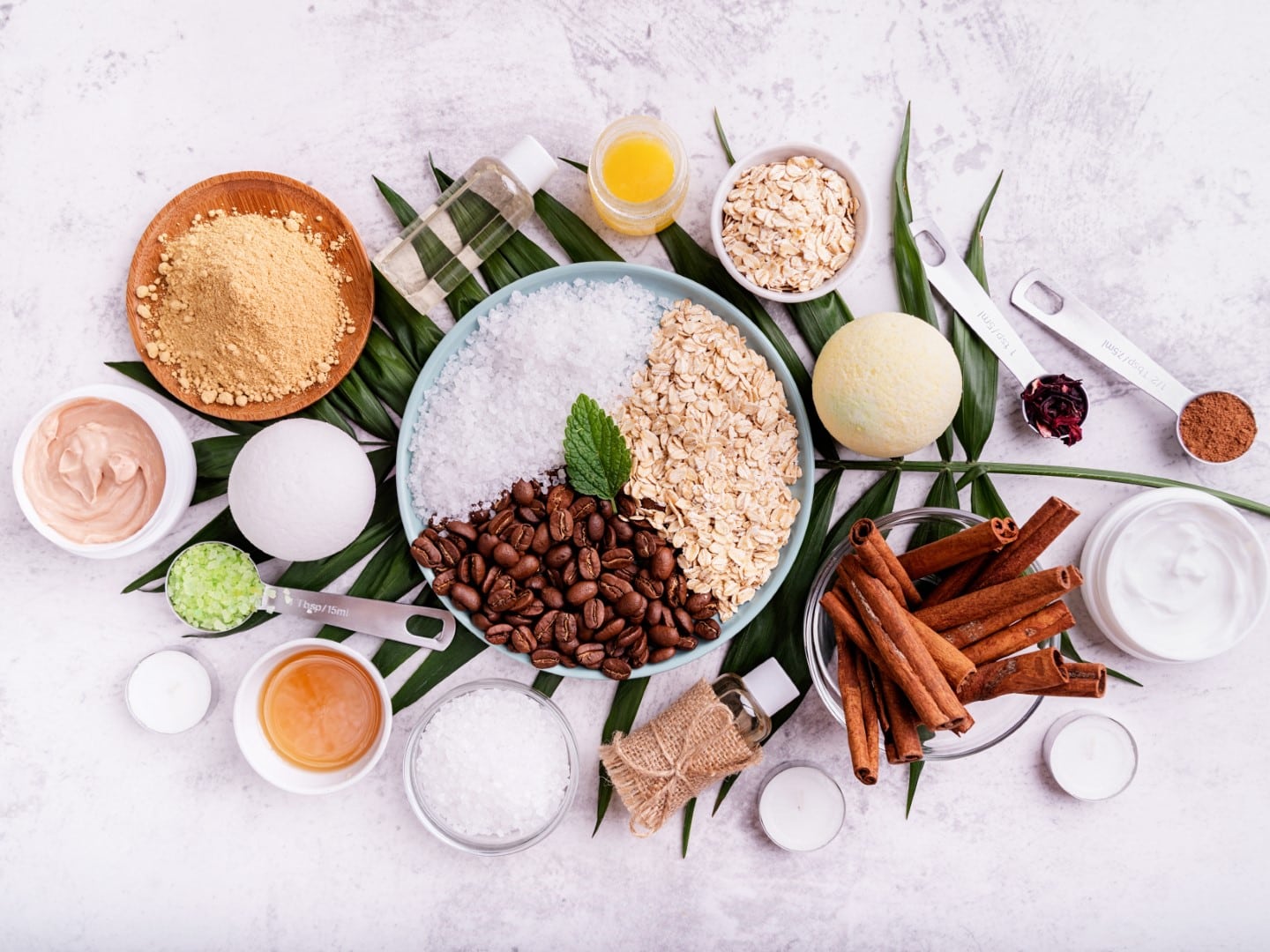
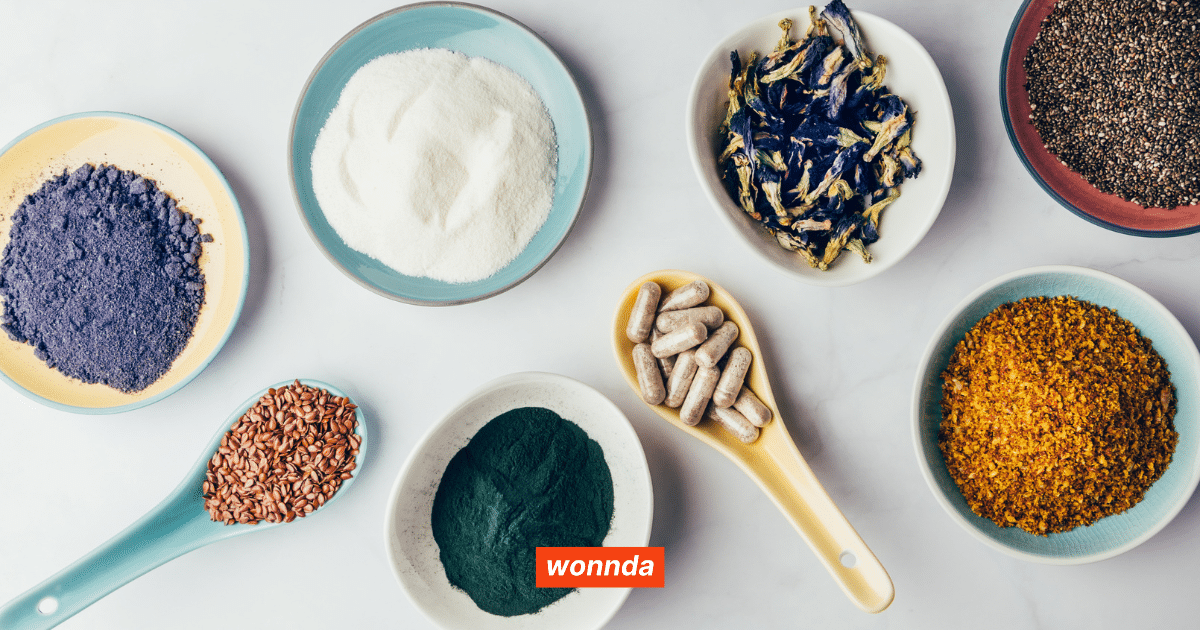
Different ingredients for beauty products
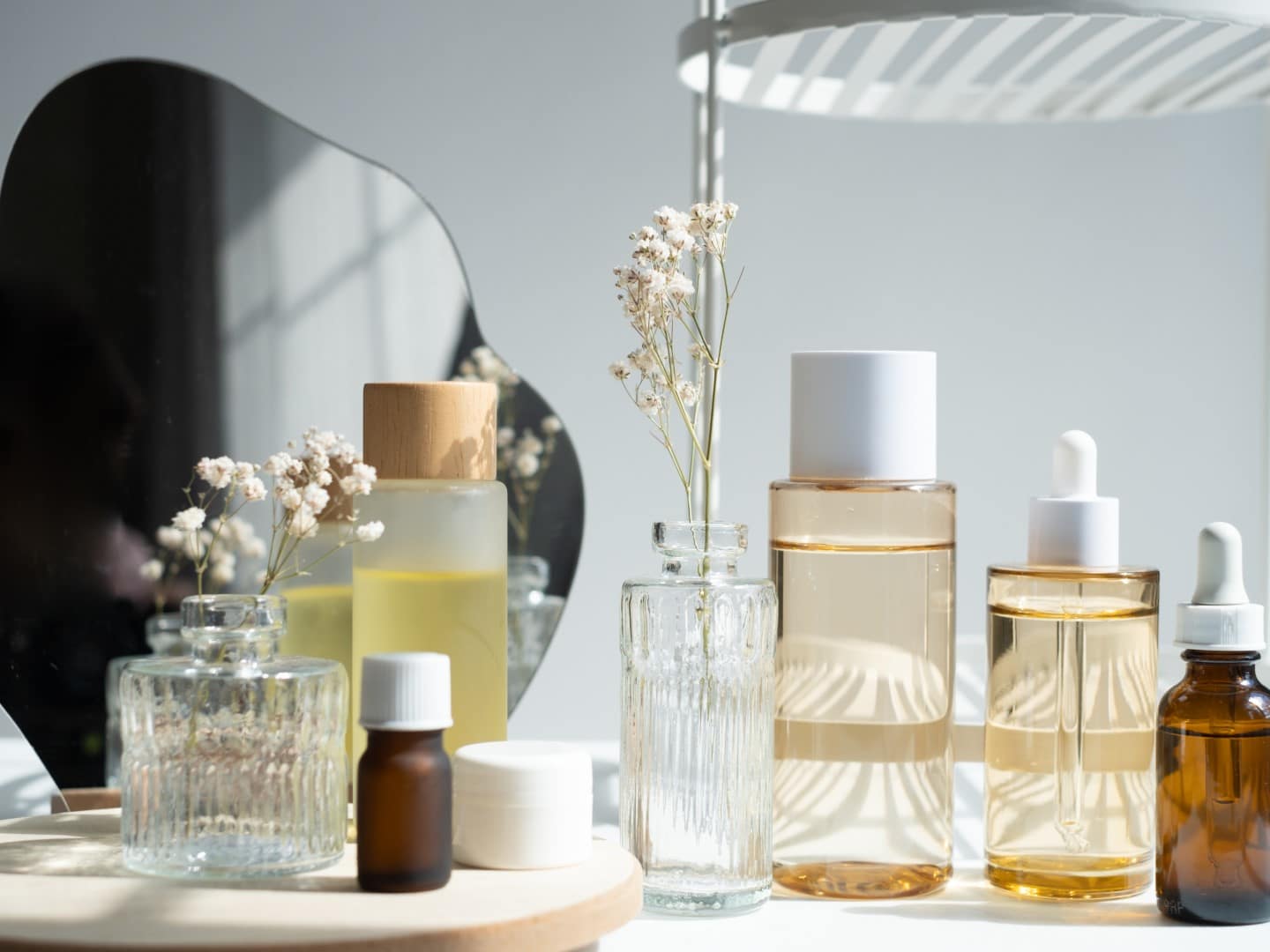
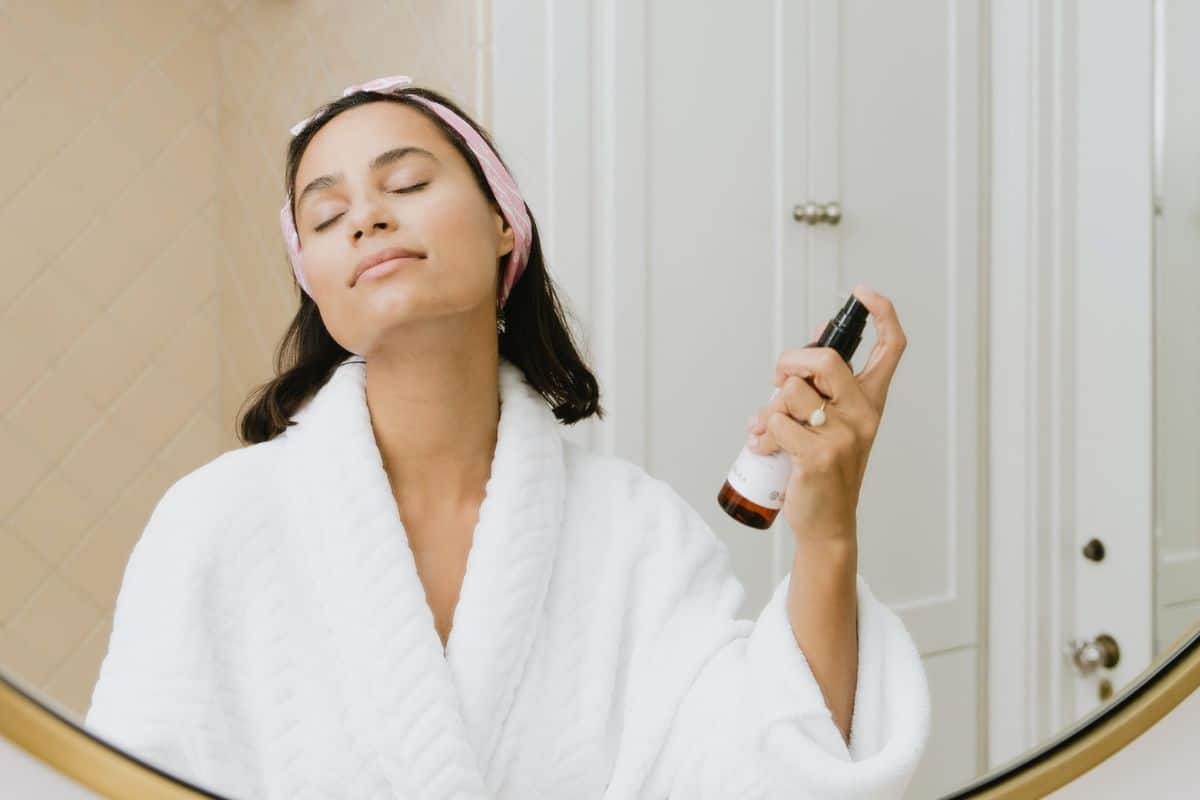
Variety of liquid beauty products
4. Formulate Your Products
Product formulation is at the heart of any beauty brand. Decide on the types of products you want to offer—whether it's skincare, makeup, haircare, or a combination. Consider the ingredients, efficacy, and safety of your products. It's also important to stay informed about regulatory requirements and industry standards.
5. Find the Right Manufacturer
Finding a reliable manufacturer is critical to the success of your beauty brand. This is where platforms like Wonnda come in.
Wonnda connects brands with top-tier contract manufacturers, best private label manufacturers, and suppliers for packaging and raw ingredients. With most suppliers located in Europe and others around the world, you can find the perfect partner to bring your products to life.
6. Choose Your Business Model
Decide whether you want to create your products under a private label, white label, or custom manufacturing model. Each has its pros and cons, so it's important to choose the one that aligns with your brand's vision and budget.
Highlighting the Features of Your Private Label Beauty Products
- Championing Cruelty-Free Practices:
In an increasingly conscious consumer market, the commitment to cruelty-free production products is an attribute that stands out. Many beauty enthusiasts are shifting their loyalty towards brands that pledge against animal testing. This commitment not only caters to the ethical stance of consumers but also reinforces your brand's respect for life and kindness. - Natural Cosmetics:Returning to the Roots:
The beauty industry is witnessing an increasing demand for cosmetics made from natural ingredients. Synthetic elements and their potential side effects have led consumers to seek products that are formulated with ingredients sourced from nature. Natural cosmetics, which utilize plant-based ingredients and minerals, are perceived as safer and gentler on the skin, thus gaining significant traction in the market. - The Appeal of Plant-Based Beauty Products:
As vegan lifestyles gain popularity, there's a rising interest in plant-based beauty products. These products, devoid of any animal-derived ingredients, are not only vegan-friendly but also attract environmentally conscious consumers due to their sustainable sourcing and production methods. - The Organic or Bio Revolution:
As awareness about the harmful effects of synthetic additives and pesticides grows, certified organic beauty products are experiencing a surge in demand. These products, made without these harmful substances, offer a safer and healthier alternative to conventional beauty products. An Organic or Bio certification on your products reassures consumers of your commitment to their health and well-being.
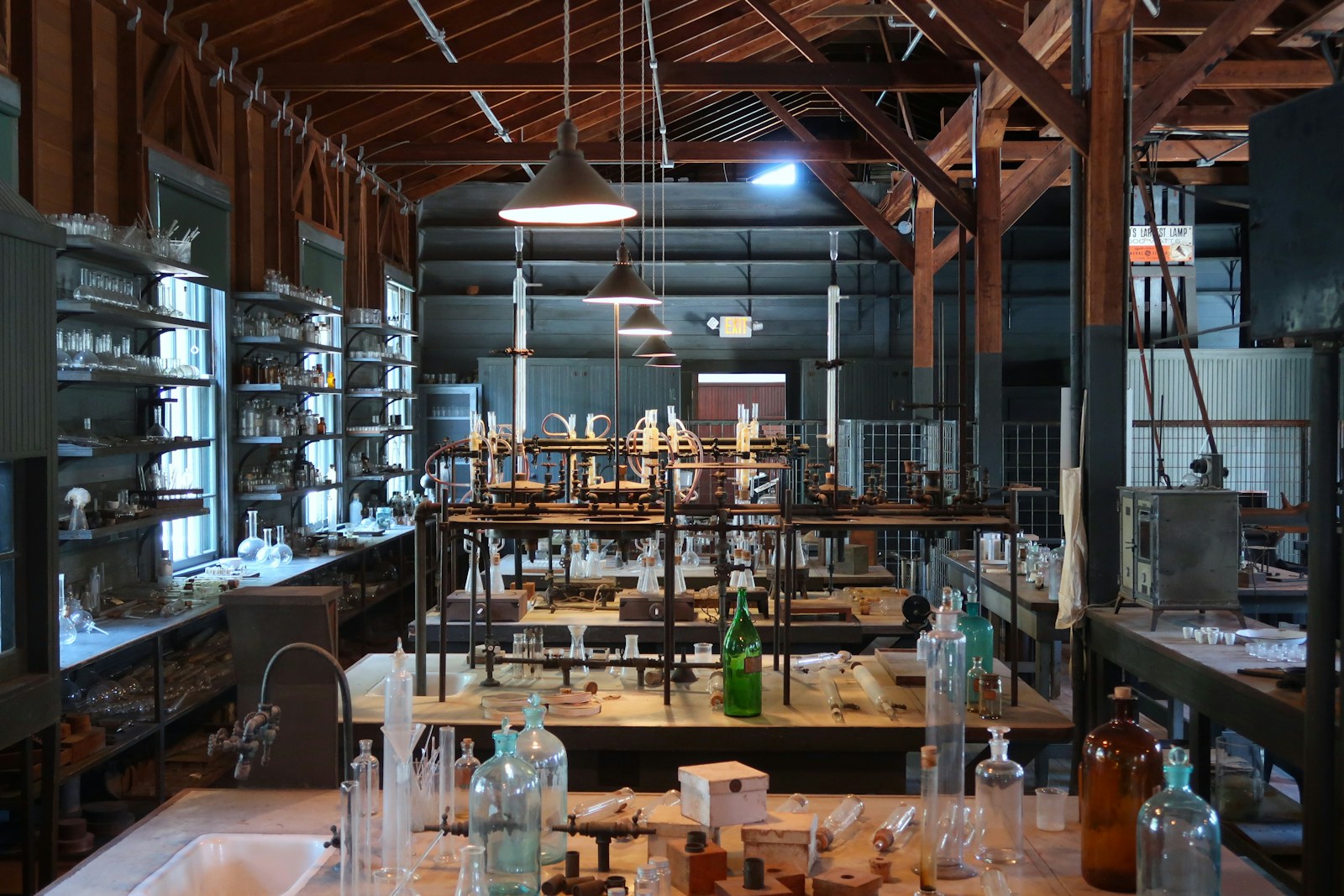
Laboratory for organic beauty products
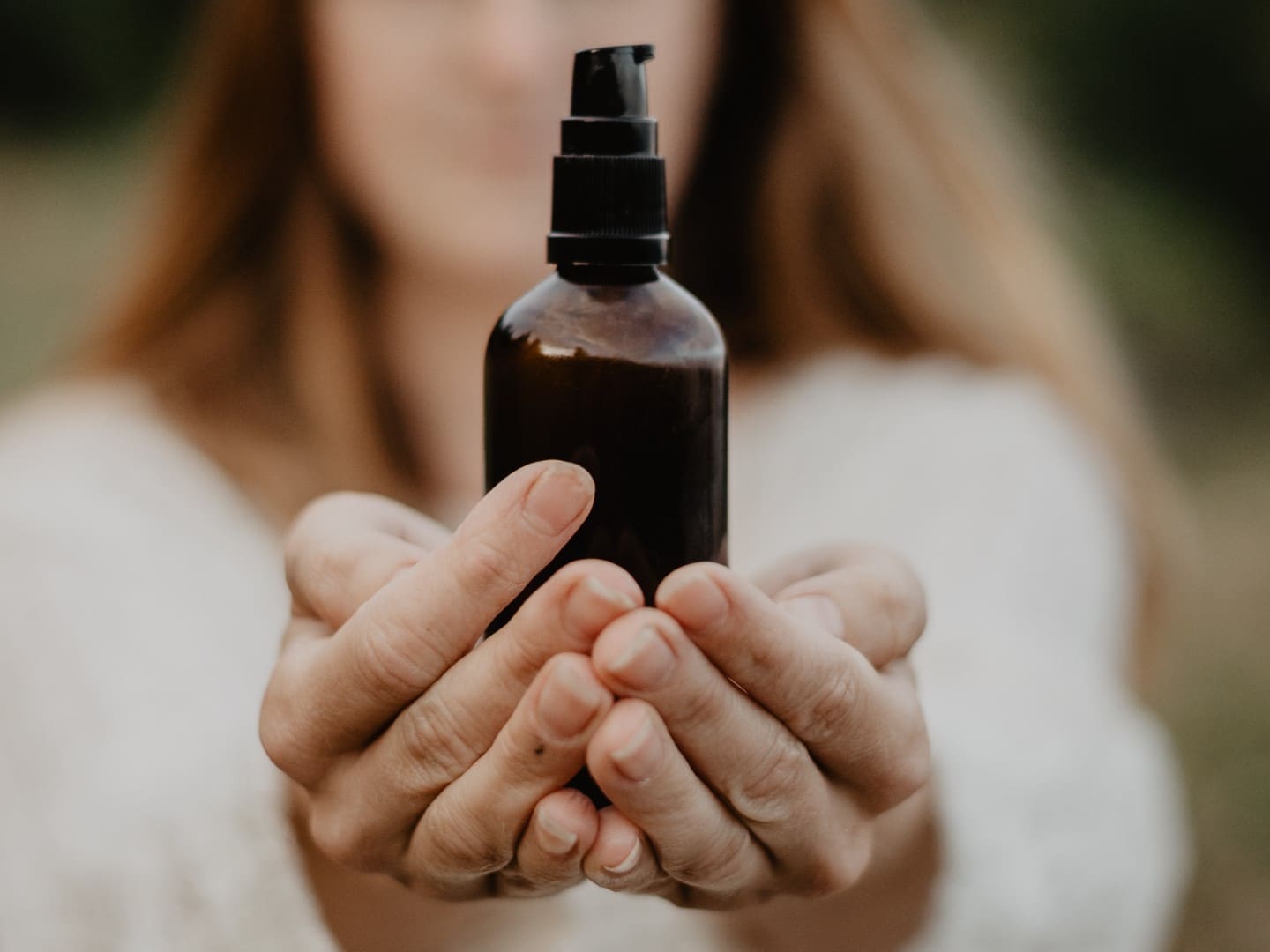
Organic beauty product
- Embracing Ethical Production:
Today's consumers care about not just what goes into their products, but also how their products are made. Ethical production, which ensures fair trade, decent wages, and good working conditions, is a key concern for many. Brands that adopt ethical production methods are more likely to attract socially conscious consumers. - The 'Made in Europe' Edge:
"Made in Europe" Product is not just a label - it signifies high production standards and strict quality control measures. European manufacturers are renowned for their excellent craftsmanship, meticulous attention to detail, and strict adherence to regulations. Thus, beauty brands that have "Made in Europe" products are often perceived as high-quality and reliable. - The Credibility of Certified Products:
Third-party certifications lend an additional layer of trust and credibility to your beauty brand. Certifications such as ECOCERT, COSMOS, and NATRUE indicate that your products meet stringent standards for safety, quality, and environmental responsibility. - Riding the CBD Wave:
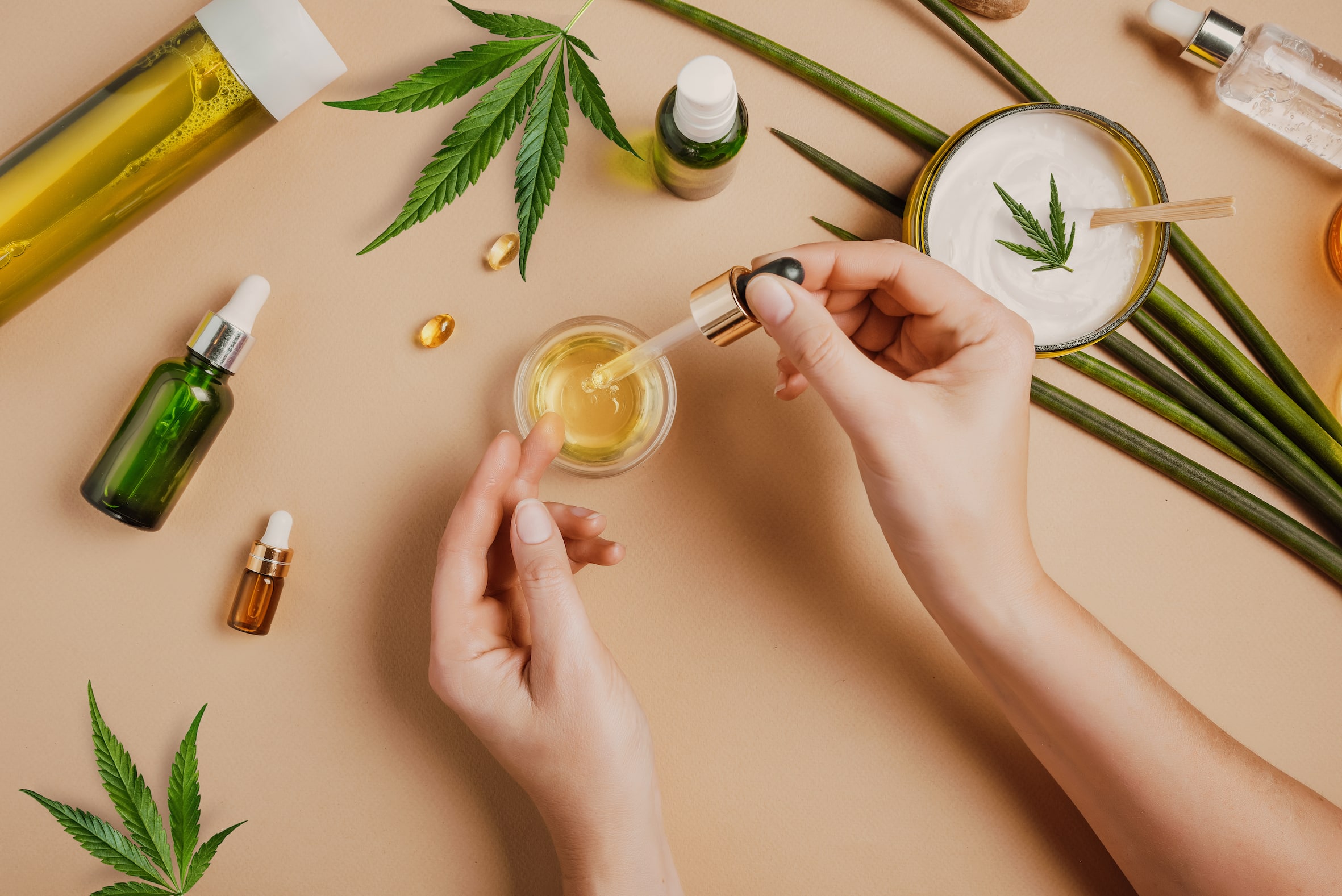
The beauty industry is ever-evolving, with CBD (cannabidiol) being one of the latest trends. CBD, a compound derived from the hemp plant, is lauded for its potential health benefits. Beauty products infused with CBD oil, such as creams, serums, and balms, are gaining popularity among consumers seeking innovative and effective skincare solutions.
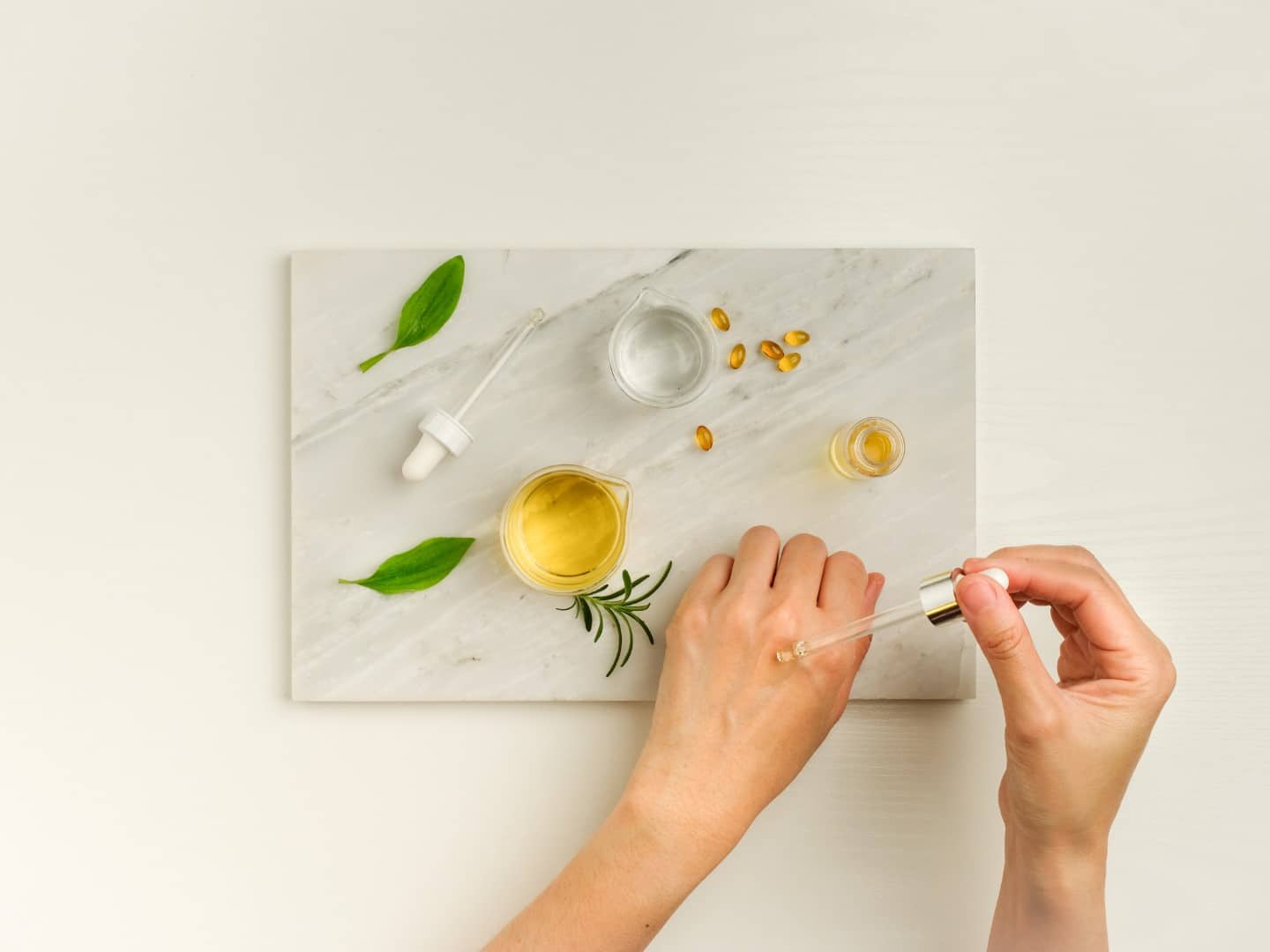
Experimenting with CBD Oil
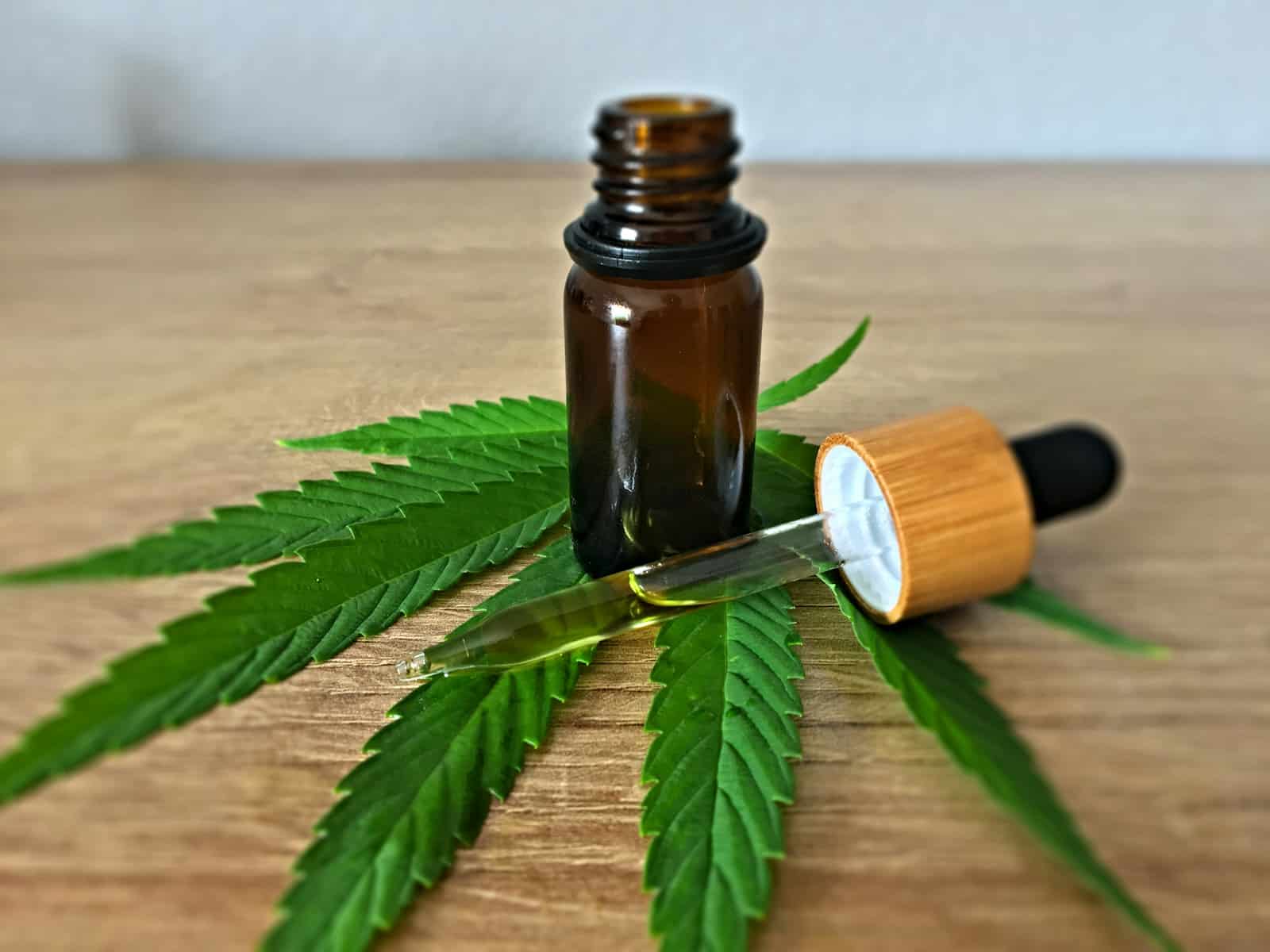
CBD Oil
7. Design Your Packaging
Packaging plays a significant role in attracting customers and conveying your brand message. Invest in high-quality, sustainable, and visually appealing packaging that protects your products and enhances their appeal.
8. Build Your Online Presence
In today's digital age, having a strong online presence is essential. Develop a user-friendly website, create engaging social media profiles, and invest in digital marketing strategies to reach your target audience. Consider SEO practices to improve your website's visibility on search engines.
9. Launch and Promote Your Brand
Once everything is in place, it's time to launch your brand. Plan a launch strategy that includes online and offline marketing campaigns, influencer partnerships, and press releases. Monitor your brand's performance and gather customer feedback to make necessary adjustments.
Benefits of Starting Your Own Beauty Brand
Creative Freedom
Owning a beauty brand allows you to express your creativity and bring your unique vision to life. You have complete control over the products you create, the packaging design, and the overall brand aesthetic.
High Profit Margins
The beauty industry is known for its high-profit margins. With the right pricing strategy and quality products, you can achieve significant returns on your investment.
Building a Loyal Customer Base
A successful beauty brand can cultivate a loyal customer base that continues to support and promote your products. Offering high-quality, effective products will encourage repeat purchases and positive word-of-mouth.
Costs Associated with Launching Your Beauty Brand
Formulating and testing your products require a significant investment. This includes sourcing high-quality ingredients, conducting safety tests, and ensuring compliance with industry regulations.
Manufacturing
Partnering with a reliable manufacturer entails production costs. These costs can vary depending on the quantity, quality, and complexity of your products.
Packaging
Investing in high-quality packaging is essential to protect your products and enhance their appeal. Sustainable and innovative packaging solutions may incur additional costs.
Marketing and Promotion
Marketing and promoting your brand is crucial to reaching your target audience. This includes website development, social media advertising, influencer partnerships, and other promotional activities.
Conclusion
Launching your own beauty brand or cosmetic product line is an exciting journey that involves careful planning, market understanding, and strategic decision-making. But with the right tools and guidance, it can be a successful and rewarding venture.
At Wonnda, we connect brands with top European manufacturers to help them launch their own product lines in the consumer goods industry. Our digital platform makes it easy to find the right manufacturers for your beauty brand, simplifying the sourcing and production process. With Wonnda, launching your own beauty brand is more accessible than ever. Join us today to start your journey in the world of private label beauty.
Related articles

15+ Best Longevity Supplements - 2026 List
10+ Best Products to Sell from Home in 2026
Best Products to Sell on Instagram in 2026

10 Innovative Creator Economy Startups to Watch in 2026

The 10 Best Brain-Boosting Focus Supplements in 2026
How to Start a Skincare Line: 2026 Guide
Cannabis Benefits, Regulations, and CBD Ideas in 2026
The Top 5 Natural Ingredients for Your Supplement Brand in 2026