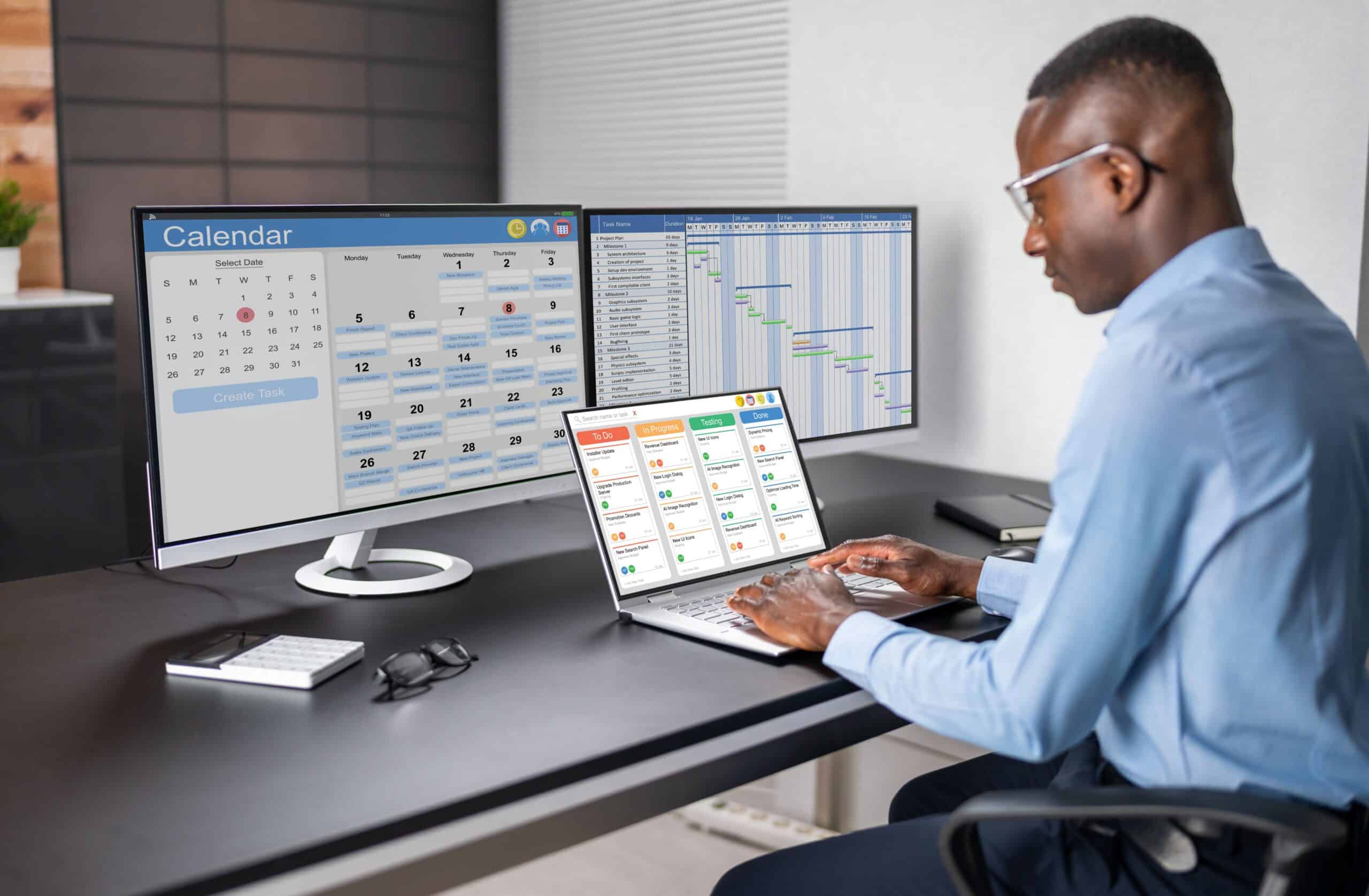
What Is PLM Software? Product Lifecycle Management Explained


Key Takeaways:
- PLM software helps manage every stage of a product’s life - from concept to development, launch, and beyond.
- It centralizes product data, improves collaboration, and reduces time to market.
- PLM is especially valuable for brands in fast-moving sectors like beauty, food, wellness, and fashion.
Why Managing a Product’s Lifecycle Matters
In the world of consumer goods, products move fast. Trends shift, customer expectations evolve, and brands need to launch faster while staying compliant and cost-efficient. Managing this complexity manually is difficult and often risky.
That’s where PLM software, or product lifecycle management software, comes in.
PLM systems offer a centralized way to track and manage everything related to your products - from the initial concept and ingredient sourcing to packaging specifications, regulatory compliance, and version control. Whether you're launching a new skincare line or managing multiple SKUs in your snack brand, PLM software helps teams stay aligned and keep products moving forward efficiently.
Let’s explore what PLM software is, how it works, and why it’s increasingly essential for growing product-based businesses.
What Is PLM Software?
PLM (Product Lifecycle Management) software is a digital platform that helps companies manage the entire lifecycle of a product from idea and development to launch, ongoing updates, and even retirement.
Instead of tracking everything through spreadsheets, emails, and disconnected systems, PLM tools bring product data into one centralized place. This makes it easier for teams across product development, sourcing, regulatory, marketing, and supply chain to collaborate in real-time.
A modern PLM solution typically supports:
- Product specification and documentation
- Ingredient or material tracking
- Packaging and label management
- Change requests and version control
- Task assignments and timelines
- Regulatory compliance workflows
- BOM (bill of materials) management
By using PLM, businesses can reduce errors, avoid delays, and bring products to market more confidently.
Why PLM Software Is Important
As your product catalog grows, so does the complexity. Tracking ingredients, certifications, pack sizes, design updates, supplier versions, and compliance documents quickly becomes overwhelming - especially across multiple teams or markets.
PLM software gives brands:
- A single source of truth for all product-related information
- Faster time to market by streamlining approvals and updates
- Better collaboration across internal teams and external partners
- Full traceability of product changes and history
- Improved compliance with regional laws and labeling rules
- Scalability as your product line grows
Without PLM, teams often waste time searching for the latest file, double-handling information, or launching with outdated specifications - all of which can lead to costly mistakes.
How PLM Software Works
PLM software works as the digital backbone of your product development process. It brings together all the moving parts from early product concepts to supplier data, formulations, and regulatory documentation into one central, organized platform.
Instead of teams working in silos or managing product details across spreadsheets, PDFs, and endless email threads, PLM tools offer a structured and collaborative environment where everyone can stay aligned and informed.
Here’s a closer look at how PLM software fits into the product journey and supports each stage of development:
Product Setup and Ideation
At the very beginning of a new product idea, PLM software lets you create a structured project often referred to as a “product record.” This record becomes the digital home for everything related to that product moving forward.
You can input early product details, such as:
- Product name or code
- Intended product category
- Target launch date
- Assigned team members or departments
- Initial notes or concept documents
Some platforms also let you upload mood boards or inspiration files, helping teams align on vision early on.
Specification Management
Once a product moves into development, PLM software becomes the source of truth for all its specs. This includes:
- Ingredient lists or raw materials
- Formulations or recipes
- Dimensions, weight, and product structure
- Packaging specifications
- Sustainability or sourcing details
- Bill of Materials (BOM)
Each of these components can be entered, reviewed, and updated directly in the platform, with version control and access rights that ensure nothing gets lost or overwritten.
Collaboration Across Teams
PLM platforms are built for teamwork. Product managers, developers, quality assurance teams, regulatory experts, marketing, and sourcing professionals can all work within the same system - each contributing and reviewing information relevant to their role.

Cross team collaboration.
You can:
- Assign tasks to team members with deadlines
- Set approval checkpoints (e.g., formula sign-off, artwork approval)
- Add comments or request changes in real time
- Track progress using built-in dashboards or timelines
This eliminates back-and-forth over email or shared drives, reducing the risk of miscommunication and keeping everyone on the same page.
Supplier and Vendor Integration
Many PLM systems allow you to invite external partners like manufacturers, packaging providers, or raw material suppliers to collaborate securely on specific products or parts.
Suppliers can:
- Upload documentation such as certificates, SDS, or lab results
- Update lead times, MOQs, or pricing
- Share dielines, CAD files, or print proofs
- Respond to change requests or clarifications
This real-time interaction speeds up development and ensures suppliers always have the most up-to-date product details.
Regulatory Compliance and Documentation
Keeping up with global regulatory standards is a major challenge for brands - especially in sectors like food, beauty, and wellness. PLM software simplifies this by organizing compliance workflows.
You can manage:
- Ingredient restrictions and allergens
- Country-specific label formats and claims
- Required certifications (e.g., organic, vegan, cruelty-free)
- Legal documentation and registration numbers
- Change logs and audit trails
This is especially useful when launching in multiple markets, where labeling and formula requirements can differ.
Change Management and Version Control
Products evolve - and PLM software ensures that every change is tracked, reviewed, and recorded. Whether you’re switching to a new supplier, adjusting packaging materials, or updating a formula, the PLM system logs who made the change, when it happened, and what was modified.
Built-in approval flows make sure no change goes live without the right checks. And because everything is version-controlled, you can always revert or reference a previous setup if needed.
This kind of transparency is crucial for maintaining quality and ensuring regulatory compliance — especially when working with multiple SKUs or product lines.
Integration with Other Tools
Modern PLM systems often integrate with:
- ERP systems (for finance, inventory, and logistics)
- PIM software (for marketing and ecommerce data)
- Design tools (for artwork and packaging files)
- Quality management systems (QMS)
- Ecommerce platforms (to sync live product data)
This means product data can flow smoothly between departments and platforms without duplication or errors making launches faster and more reliable.
8. Supporting Post-Launch Updates
Even after a product is launched, PLM software remains useful. You can log product feedback, manage reformulations or packaging updates, and ensure all related documents are updated in one place.
This long-term visibility supports:
- Continuous improvement
- Customer service support
- Quality assurance
- New product variants or seasonal editions
- Easy onboarding for new team members
In short, PLM doesn’t stop when the product hits the market - it helps brands manage and evolve their products over time.
Who Uses PLM Software?
PLM is used by businesses of all sizes that manage physical products — especially those in fast-moving consumer goods (FMCG). Some key industries include:
- Beauty and Personal Care: Managing complex formulas, ingredients, and global labeling requirements.
- Food and Beverage: Tracking recipes, shelf-life, allergens, and compliance with FDA or EFSA.
- Home and Wellness: Managing packaging variations, sourcing certifications, and multi-market launches.
- Fashion and Apparel: Handling product specs, materials, sizes, colorways, and seasonal updates.
Typical users include:
- Product managers
- R&D teams
- Regulatory and compliance managers
- Packaging designers
- Supply chain coordinators
- Brand and marketing teams
The more SKUs, suppliers, or regions you're managing - the more value a PLM system delivers.
Benefits of PLM Software
Implementing PLM software has both immediate and long-term benefits for growing brands:
Centralized Product Data
No more scattered spreadsheets or outdated folders. Everyone works from one shared source.
Faster Time to Market
With clearer workflows and better collaboration, teams move from idea to launch more quickly.
Reduced Errors and Delays
Version control, change tracking, and automated notifications reduce the chance of costly mistakes.
Regulatory Confidence
Easier tracking of certifications, allergens, and legal compliance across markets.
Scalable Growth
As your product line expands, PLM systems help maintain control and consistency.
Is PLM the Same as ERP or PIM?
Not quite. PLM focuses on the product development lifecycle - especially before the product goes to market. It manages internal workflows, documentation, and team collaboration.
ERP (Enterprise Resource Planning) systems handle financials, logistics, and operations once a product is in production or being sold.
PIM (Product Information Management) tools manage marketing and ecommerce data like product descriptions, images, and SEO content.
While PLM, ERP, and PIM often work together, they serve different purposes in the product journey.
PLM for Startups vs. Established Brands
PLM software has traditionally been associated with large corporations managing complex supply chains, global teams, and thousands of SKUs. And it’s true for established brands, PLM is often essential to maintain consistency, traceability, and compliance across dozens of product lines and international markets.
These larger companies use PLM to coordinate product launches across multiple departments and regions, track packaging for dozens of retailers, manage label versions in multiple languages, and ensure every product formula meets specific local regulations. Without a centralized system, this scale of coordination would be nearly impossible.
But the idea that PLM is only for big businesses is quickly becoming outdated.
Today’s cloud-based PLM platforms are increasingly built with startups and scaling brands in mind. These newer solutions are more flexible, intuitive, and affordable than older, enterprise-level systems.
Final Thoughts: Why PLM Matters More Than Ever
As consumer expectations rise and product development becomes more complex, managing your process manually just doesn’t scale. PLM software gives you structure, visibility, and confidence so you can launch faster, stay compliant, and build better products.
Whether you're building a new brand or scaling a product portfolio, PLM helps keep your team aligned, your data clean, and your launches smooth.
If you're looking to simplify your product development, explore how platforms like Wonnda can connect you with the right manufacturing partners and support your PLM needs from day one.
Related articles
15 Best AI Visibility Tools in 2026 - Full Comparison

Best Platforms to Find Cosmetic Packaging Suppliers (2026)

18+ Best 3PL Companies in the US: Complete Guide 2026

15+ Best 3PLs in Europe: Complete Guide for 2026
The 9 Best Freight Invoice Auditing Platforms for E-Commerce in Europe (2026)
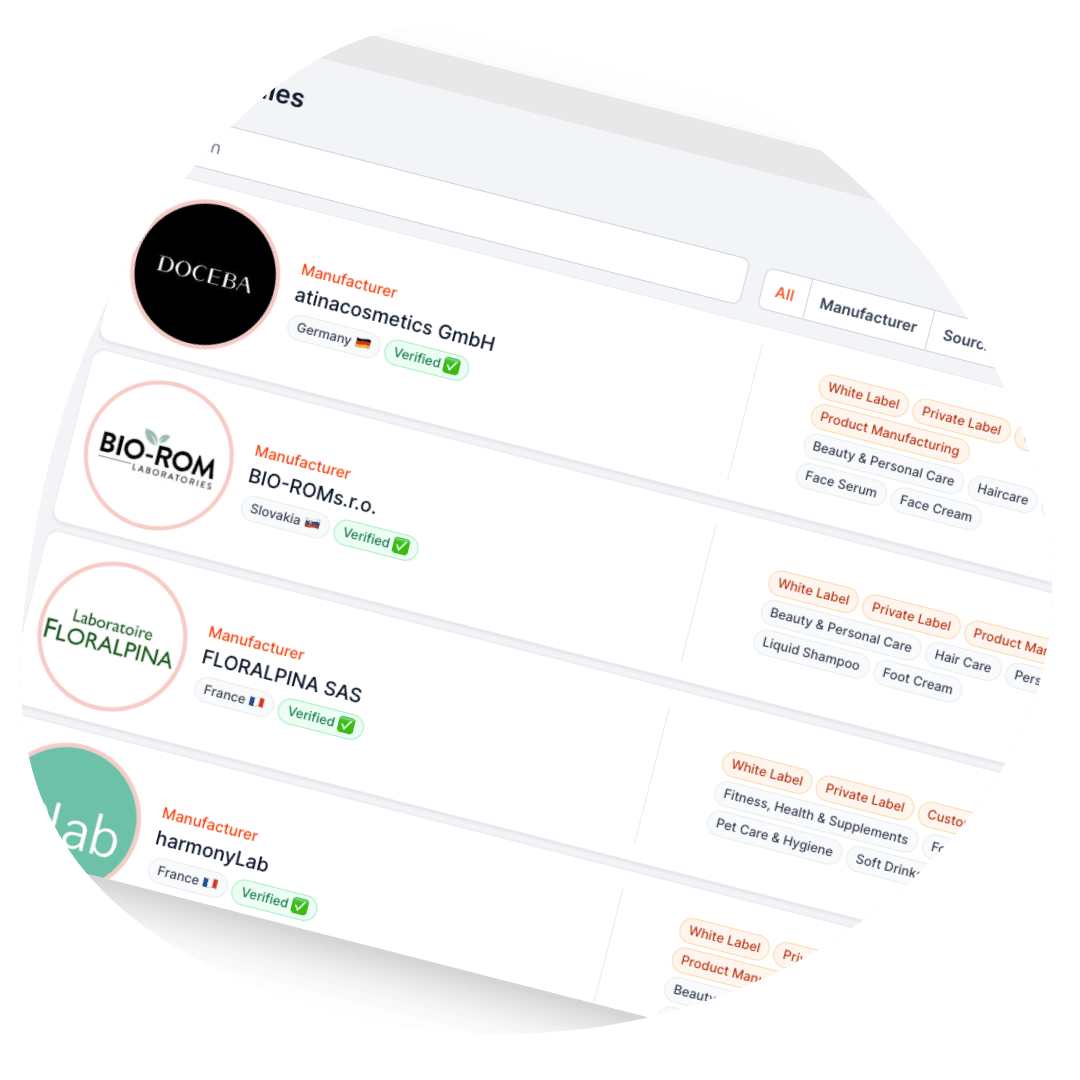
Wonnda Extends Platform Network with 100+ New Private Label Manufacturers in January 2026 Alone

Product Lifecycle Management (PLM) Guide 2026

10+ Trending Influencer Brands of 2026