
Best private label soap manufacturers
Wonnda is where brands find private label soap manufacturers. Brands typically choose between true soap bars, formed through saponification of oils and fats, and syndet bars made from synthetic detergents. Key sourcing considerations include the choice of base oils, superfatting levels, desired pH, and inclusion of active ingredients or exfoliants. Certifications such as organic or vegan are often critical for market positioning, influencing both material selection and manufacturing processes. Production lead times can vary significantly based on curing requirements for true soaps versus the pressing methods used for syndet bars.
- Bar soap market — global value of the bar soap category across saponified and syndet bars
- 32.98 billion USD
- Bar soap market (alt scope) — projected to 44.5 billion USD by 2030 at about 3% CAGR
- 37.2 billion USD
- Bar soap market by 2034 — growing about 4.55% CAGR as natural and syndet bars revive the category
- 48.14 billion USD
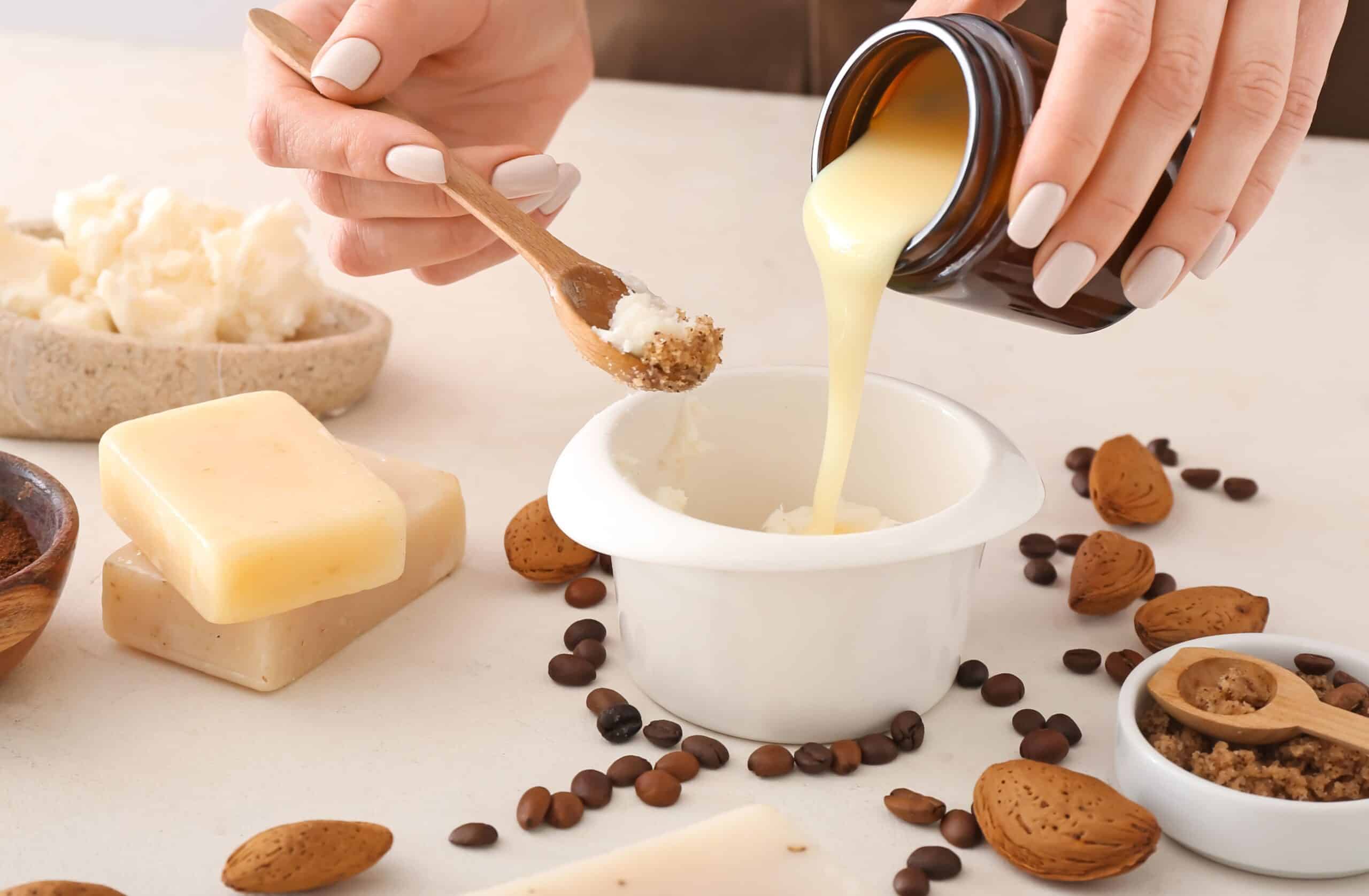
7+ Top private label soap manufacturers
Wonnda works with the best private label soap manufacturers. Here is a list of trusted suppliers from our network.
- FeaturedSOContract ManufacturingPrivate LabelWhite Label
Solid, water-free cosmetics manufacturer in the Netherlands for white label and private label
- Country
- Netherlands
- MOQ
- White label from 1,000 pcs; private label (custom formula) from 4,000 pcs; retail packaging from 4,000 pcs; personalised actives from 2,500 pcs.
- Lead time
- Featured
 Contract ManufacturingPrivate Label
Bright Innovation Labs is a leading US-based contract manufacturer specializing in beauty, personal, and home care products, offering formulation and creation across liquids and powders.
- Country
- Ohio 43054
- MOQ
- 5,000 units
- Lead time
 Private LabelContract Manufacturing
Austria-based manufacturer producing brine soap, salt soap, exfoliating salt soap, available to brands sourcing soap.
- Country
- Austria
- MOQ
- Lead time
 Private LabelContract Manufacturing
Europe-based manufacturer producing seed paper sheets, seed paper business cards, seed paper bookmarks, available to brands sourcing soap.
- Country
- -
- MOQ
- Lead time
 Private LabelContract Manufacturing
Europe-based manufacturer producing sea salt soap, mud soap, men's soap loaves, available to brands sourcing soap.
- Country
- -
- MOQ
- Lead time
 Private LabelContract Manufacturing
Europe-based manufacturer producing patchouli soap bricks (bulk), citrus sunshine foaming hand soap, lavender soap (refillable), available to brands sourcing soap.
- Country
- -
- MOQ
- Lead time
 Private LabelContract Manufacturing
Europe-based manufacturer producing all-natural bar soap, shampoo bars, castile liquid soap, available to brands sourcing soap.
- Country
- -
- MOQ
- Lead time
Compare MOQs and lead times
Quick side-by-side of the shortlist. Missing values shown as a dash.
| Supplier | Location | Types | MOQ | Lead time |
|---|---|---|---|---|
| Solid Care Company | Netherlands | CM · PL · White Label | White label from 1,000 pcs; private label (custom formula) from 4,000 pcs; retail packaging from 4,000 pcs; personalised actives from 2,500 pcs. | |
| Bright Innovation Labs | Ohio 43054 | CM · PL | 5,000 units | |
| Saponetta Carina | Austria | PL · CM | ||
| Botanical PaperWorks | - | PL · CM | ||
| Private Label Soap | - | PL · CM | ||
| Oregon Soap Company | - | PL · CM | ||
| Natural Soap Wholesale | - | PL · CM |
Buyer criteria
- Genuine capability in your chosen route
Soap routes are not interchangeable, so confirm the maker genuinely runs the process your positioning needs at the scale you need it. A craft cold-process workshop cannot deliver a hundred-thousand-bar milled run, and an industrial noodle plodder cannot make a small-batch artisanal bar with retained glycerin. Match the maker to the route, and be wary of a quote that ignores the process distinction, since a per-bar price means nothing if the bar is made by the wrong method for your brand.
- Oil blend transparency and palm policy
The oil blend sets hardness, lather, skin feel and the natural story, and palm oil is a sustainability flashpoint. Confirm exactly which oils make up the blend, the superfat level, and whether palm is used and if so whether it is RSPO-certified or the recipe is palm-free. A maker vague about the oil blend cannot support a natural or sustainable claim, and the blend is the heart of a saponified bar's quality and positioning, not a detail to leave open.
- Cure discipline and pH control
For saponified soap, a proper cure is what makes the bar safe, hard and long-lasting, so confirm the maker cures cold-process bars for an adequate period and verifies pH and the absence of unreacted lye before shipping. A bar rushed to market can be caustic or dissolve quickly. Ask for the cure time and pH-release data. Cutting the cure to compress lead time is a real risk in this category, and it produces a harsh, short-lived bar that damages the brand.
- Syndet pH for sensitive-skin positioning
If you are positioning on sensitive or compromised skin, a syndet bar at skin-friendly pH is often the right product rather than alkaline true soap. Confirm the maker can compound a syndet bar to the target pH and that it presses and holds shape, since syndet bars can be more brittle. Verify the surfactant system is mild and the pH is genuinely skin-compatible, because the whole point of choosing syndet over soap is the gentler pH it delivers.
- Fragrance, allergen and natural-claim documentation
Soap, especially natural soap, often sells on fragrance and botanical additives, so confirm the maker declares the listed fragrance allergens, holds IFRA documentation at the use level, and can substantiate any natural, organic or palm-free claim with certificates such as COSMOS or RSPO. A bar marketed as natural with undocumented fragrance or unverifiable oils invites both consumer distrust and claim enforcement, since these claims are exactly what the natural buyer pays a premium for.
- MOQ, cure-driven lead time and scale fit
Because cure time and process route drive both MOQ and lead time, confirm they fit your launch. Cold-process bars need weeks of curing, so plan a longer lead time, while milled industrial runs are faster but start at much higher minimums. Ask for the realistic MOQ and total lead time including cure for your chosen route, so you are not surprised that a natural bar takes months from order to shipment while a milled bar demands tens of thousands of units.
- ISO 22716 GMP and packaging fit
Require ISO 22716 cosmetic GMP scoped to solid soap, plus the safety assessment and CPNP pathway with a responsible person. Confirm the maker can deliver the packaging your positioning needs, since natural soap often uses paper or plastic-free wrapping that not every line can run, and retail soap needs durable, uniform cartoning. Ask whether the certification scope covers your route, as a syndet bar and a saponified bar can fall under different process scopes within one facility.
Red flags
- Route mismatch hidden in the quote
If a maker quotes a low per-bar price without clarifying whether the bar is saponified, milled, melt-and-pour or syndet, they may be offering a process that does not match your positioning. A melt-and-pour bar sold as artisanal cold-process, or an alkaline soap sold as gentle sensitive-skin care, misrepresents the product. Insist on knowing the exact process and base, because the route, not the price, determines whether the bar fits the brand story you intend to sell.
- Cure cut to compress lead time
A maker who offers to ship cold-process bars well before an adequate cure is delivering a softer, harsher, faster-dissolving bar that may still carry unreacted lye. The cure cannot be rushed without degrading the product. If a quote promises a natural cold-process bar on a lead time that leaves no room for curing, the cure is being shortened. Treat compressed cure as a quality and safety risk, since a poorly cured bar can be caustic and will disappoint on longevity.
- Opaque oil blend or undocumented palm
If the maker will not disclose the oil blend or whether palm oil is used and how it is sourced, you cannot support a natural or sustainable claim or assess the bar's quality. Palm is a sustainability flashpoint, and an unverifiable oil blend undermines exactly the positioning natural soap relies on. A maker vague about the oils is either hiding cheap inputs or running a generic recipe, neither of which fits a premium natural bar.
- Soap sold as gentle without pH context
True saponified soap is inherently alkaline, so a maker marketing a saponified bar as gentle for sensitive or compromised skin without addressing the high pH is glossing over the product's nature. For genuinely skin-friendly pH a syndet bar is the appropriate choice. A partner who blurs this distinction does not understand the chemistry, and a sensitive-skin customer sold an alkaline bar as gentle will react and blame the brand.
- No pH or lye-completion verification
A saponified soap maker who cannot show pH testing and confirmation that saponification is complete may be shipping bars with residual caustic lye, a genuine skin-safety hazard. This is the soap-specific equivalent of skipping assay in supplements. Demand pH-release data and confirmation the reaction is finished. A maker treating full saponification as assumed rather than verified is exposing your customers to a caustic product, which is disqualifying regardless of price.
- Packaging that contradicts the positioning
If a maker pushes plastic-shrink wrap on a brand built around plastic-free natural soap, or flimsy wrapping on a premium retail bar, the packaging undercuts the product. Natural soap buyers expect paper or recyclable wrapping, and retail bars need durable, uniform cartons. A maker who cannot match packaging to positioning, or treats it as an afterthought, leaves the bar misrepresented on shelf, where the wrapping is the first thing the natural buyer judges.
Manufacturing process
- 01
Process route and base decision
The brand and maker fix the route: cold-process or hot-process saponification from oils and lye, milling from purchased soap noodles, melt-and-pour from a glycerin base, or a syndet bar from synthetic surfactants. This is the foundational decision, since each route uses different equipment, cure time, cost and skin chemistry. Saponified soap is alkaline with retained glycerin, while a syndet bar can target skin-friendly pH, so the route follows the positioning.
- 02
Oil blend and recipe formulation
For saponified soap the oil blend is designed to balance hardness, lather and mildness: coconut and palm for a hard, foaming bar, olive, shea and other softer oils for gentleness. The blend's fatty-acid profile and the calculated lye amount set the saponification, and a superfat level of excess oil is chosen for skin feel. Palm-free and premium-oil recipes cost more and shift the lather and hardness, so the recipe is tuned deliberately.
- 03
Saponification or base preparation
In cold-process the oils and lye solution are combined and brought to trace, the point where the mixture thickens and the reaction is underway, then fragrance, colour and additives are blended in before pouring. In milling, soap noodles are mixed with additives and amalgamated. In syndet production, surfactants are compounded into a pressable mass. The chemistry here is what makes soap fundamentally different from blending a liquid wash.
- 04
Moulding, cutting and shaping
Cold-process soap is poured into block or individual moulds, left to set, then unmoulded and cut into bars. Milled soap is plodded into a continuous billet and cut, while syndet and milled bars are stamped under pressure into their final shape with the brand logo. The shaping route differs sharply: a poured cold-process bar has a rustic look, a stamped milled or syndet bar has a precise commercial finish.
- 05
Curing (saponified soap)
Cold-process bars are cured on racks for typically four to six weeks, during which saponification completes and water evaporates, hardening the bar, mellowing its pH and extending its lather life. This cure is the defining time cost of natural soap and cannot be rushed without a harsher, faster-dissolving bar. Milled, melt-and-pour and syndet bars skip or shorten this step, which is part of why they run faster and at larger scale.
- 06
Quality control and pH verification
QC checks bar weight, hardness, appearance and, critically for saponified soap, the pH and absence of unreacted lye, since a poorly cured bar can be caustic. Syndet bars are checked against their skin-friendly target pH. Microbiological and stability checks apply, and the fragrance and colour are verified for consistency. Each batch carries a finished-product specification and CoA confirming the bar is fully reacted and safe to use.
- 07
Drying, stamping and finishing
Bars are brought to final moisture, stamped or embossed where required, and inspected for cosmetic defects such as cracks, soda ash on cold-process bars, or air pockets. Edges are trimmed and the surface finished to the standard the positioning demands, since an artisanal bar tolerates rustic character while a retail bar must look uniform. Defective bars are rejected before wrapping to protect shelf appearance.
- 08
Wrapping, labelling, safety assessment and CPNP
Bars are wrapped, boxed or banded, often in paper or recyclable packaging that suits the natural positioning, and labelled with the INCI list, declared allergens, weight and responsible-person details. The finished soap carries a cosmetic safety report and CPNP notification under the EU Cosmetic Products Regulation, with the alkaline pH of true soap addressed in the assessment. Lot codes trace bars back to oil and fragrance batches for traceability.
Understanding soap private-label manufacturing
Soap vs. Syndet Bars
Soap bars are solid cleansers created through a chemical reaction called saponification, which involves the reaction of oils or fats with an alkali. Sodium hydroxide is used for bar soaps, while potassium hydroxide is used for soft and liquid soaps. This distinguishes true soap from synthetic-detergent (syndet) bars.
Syndet bars are made from milder surfactants pressed into a bar shape. They are not chemically considered soap and behave differently on the skin, often at a different pH. Brands must first decide which type of bar they intend to make, as cold-process saponified soap and syndet bars involve different processes, equipment, price points, and skin claims.
Manufacturing Processes and Customization
Cold-process and hot-process saponification are craft-to-mid-scale methods where oils react with lye, are poured into molds, and cured for several weeks. This results in natural soap with retained glycerin and an artisanal appeal. Industrial bars typically use purchased soap noodles, which are pre-saponified soap base pellets that are milled, mixed with additives, plodded into bars, and stamped at high speed. Melt-and-pour is a lower-barrier craft method that uses a pre-made glycerin soap base remelted with additives.
Syndet bars are compounded from mild surfactants and pressed, allowing them to be formulated to a skin-friendly pH, unlike true soap, which is inherently alkaline. The chosen process impacts MOQ, cure time, cost, and the brand
How private label works for soap
Soap private label is defined by process in a way liquid washes are not. A brand briefs the maker on the route, the oil blend or surfactant base, the fragrance and additives, the bar shape and the packaging, and the maker produces the bar by the chosen method, whether that is cold-process saponification, milling from purchased noodles, melt-and-pour, or syndet compounding. The decision that shapes everything is the route, because it sets the chemistry, the cure time, the scale, the cost and the skin story. A milled industrial bar and a cold-process natural bar are different products from different processes, even if both end up as a fragranced bar on a shelf.
The briefing sequence starts with the route, driven by positioning and volume, then the recipe, shape and packaging follow. A brand that fixes a price point or a launch date before choosing the route often collides with reality, since a cold-process natural bar cannot be rushed through its cure and a milled retail bar cannot be made in artisanal small batches. Matching the route honestly to the brand story is the core discipline of soap sourcing.
What separates premium from commodity soap
On a shelf a craft cold-process bar and a milled commodity bar can both be fragranced and stamped, but they differ in process, glycerin content and oil quality. A commodity bar is milled from purchased noodles, often with palm for cheap hardness and a synthetic fragrance, optimised for uniform high-speed output. A premium natural bar is saponified from a chosen oil blend, retains its glycerin, may be palm-free, and is cured to mellow its pH and extend its life, accepting batch variation and long cure times as the price of character.
Process honesty is the integrity line in soap. Because a melt-and-pour or milled bar can be dressed to look handmade, the temptation to claim artisanal character on an industrial product is real, and natural buyers increasingly scrutinise it. Brands that match the route to the story, cold-process for natural, syndet for sensitive skin, milled for value, earn trust, while those that misrepresent the process risk both consumer backlash and claim enforcement.
Sourcing geography for soap
Soap making for the European market spans artisanal workshops across Western Europe for cold-process and natural bars, larger milling plants in Germany, Italy, Poland, Spain and Turkey for industrial and retail bars, and specialist dermocosmetic makers for syndet bars. Olive-oil soap traditions concentrate around the Mediterranean. The UK keeps both craft and industrial bases. Asian manufacturing competes strongly on milled and value bars at high volume, adding lead time and compliance documentation needs.
The geography choice follows the route. Natural and artisanal positioning tends to keep production in Western Europe, near the certification, fragrance and clean-label expertise the natural buyer expects, and accepts higher cost for provenance. Industrial milled bars chase scale and cost wherever the noodle supply and plodding capacity are most competitive. Mediterranean makers carry a genuine olive-oil soap heritage that can itself be a positioning asset for the right brand.
Cost structure breakdown
The soap cost stack depends heavily on route. For a saponified natural bar the stack runs roughly: oil blend first, then fragrance and actives, then packaging, then the labour and time of the cure, with QC across the run. For a milled industrial bar the soap noodles, fragrance, stamping and packaging dominate, with no long-cure labour.
- Oil blend or soap base: the core cost, with palm-free and premium oils, or quality noodles, costing more.
- Fragrance and additives: a significant cost and the main allergen driver, central to natural-bar appeal.
- Cure labour and time: the defining cost of cold-process, racking and curing for weeks, absent in milled and syndet routes.
- Packaging: paper or plastic-free wrapping for natural bars, durable cartoning for retail, with artwork minimums.
- QC and compliance: pH and saponification verification, micro, the safety assessment and CPNP notification.
Sourcing discipline means pricing the route honestly, planning for cure time on cold-process, and treating the oil blend and packaging as core to the natural positioning rather than chasing a per-bar price across processes that produce fundamentally different bars.
Trends shaping soap sourcing
The defining trend is the revival of the bar against liquid washes, driven by plastic-free and zero-waste positioning, which has brought cold-process natural soap and minimal-packaging bars back into growth after years of decline. Natural and organic soap is outpacing the conventional category, rewarding makers who can document oil sourcing, go palm-free or use certified palm, and carry COSMOS-style certification. Syndet bars are growing in parallel as the dermocosmetic answer for sensitive skin, since their skin-friendly pH addresses the one real drawback of true soap.
Beyond the bar itself, the format is broadening: solid shampoo and body bars, multi-use cleansing bars, and gifting and artisanal ranges that lean on craft character and storytelling. Premiumisation favours distinctive oils, botanical inclusions and small-batch provenance, while value retail soap competes on milled efficiency. A maker who can match the route to the trend, cold-process for natural and craft, syndet for sensitive skin, milled for value, and document the sustainability claims buyers now scrutinise, is worth more to a growing brand than a generic plodder, because the soap revival is being driven by exactly the natural, sustainable and skin-friendly positioning that the right process and documentation make credible.
Compliance and certification landscape
Soap is regulated as a cosmetic in the EU, so each bar needs a cosmetic product safety report, CPNP notification, a responsible person and a compliant label with the INCI list and declared fragrance allergens. The safety assessment specifically addresses the alkaline pH of true saponified soap and the completeness of saponification, since unreacted lye is a hazard. Manufacturers should hold ISO 22716 cosmetic GMP, and natural and organic positioning often adds COSMOS certification, while sustainable palm claims rest on RSPO documentation.
Claims are a sensitive area: natural, organic and palm-free claims must be substantiated with sourcing documentation and certificates, and cosmetic claims must not stray into medicinal territory. Fragrance must carry IFRA documentation with declared allergens at the use level. A maker experienced in your target markets will verify saponification completeness and pH, document the oil sourcing behind any sustainability claim, and check the formula against the current Annexes before production, flagging an unsupportable natural claim or a pH-safety issue before it becomes an enforcement or skin-safety problem.
Industry insights
Frequently asked questions
What is the difference between true soap and a syndet bar?+
What does cold-process mean and why does it take weeks?+
Should I choose cold-process, milled, melt-and-pour, or syndet?+
How does the oil blend affect the finished bar?+
Is handmade soap really better, or just a marketing story?+
What MOQ and lead time should I expect for private label soap?+
Why is the pH of soap a safety and skin issue?+
Can I make a palm-free or sustainable natural soap?+
Explore adjacent product types
Get a vetted shortlist of soap suppliers in 48 hours.
Post a brief on Wonnda. Free, no commitment. We match you with vetted manufacturers that fit your MOQ, format and market.