
Best private label pizza manufacturers
Wonnda connects brands with private label pizza manufacturers. Sourcing considerations for pizza often begin with the dough method, which fundamentally shapes the final product's eating experience. Brands can choose between various base types, including stone-baked or sourdough, impacting factors like texture and flavor profile. Manufacturers offer certifications crucial for food safety and quality, ensuring compliance with relevant standards. Lead times can vary based on the complexity of the recipe and the specific production processes involved.
- Vetted suppliers
- 20,000+
- Brands & buyers
- 25,000+
- EU-made
- 80%
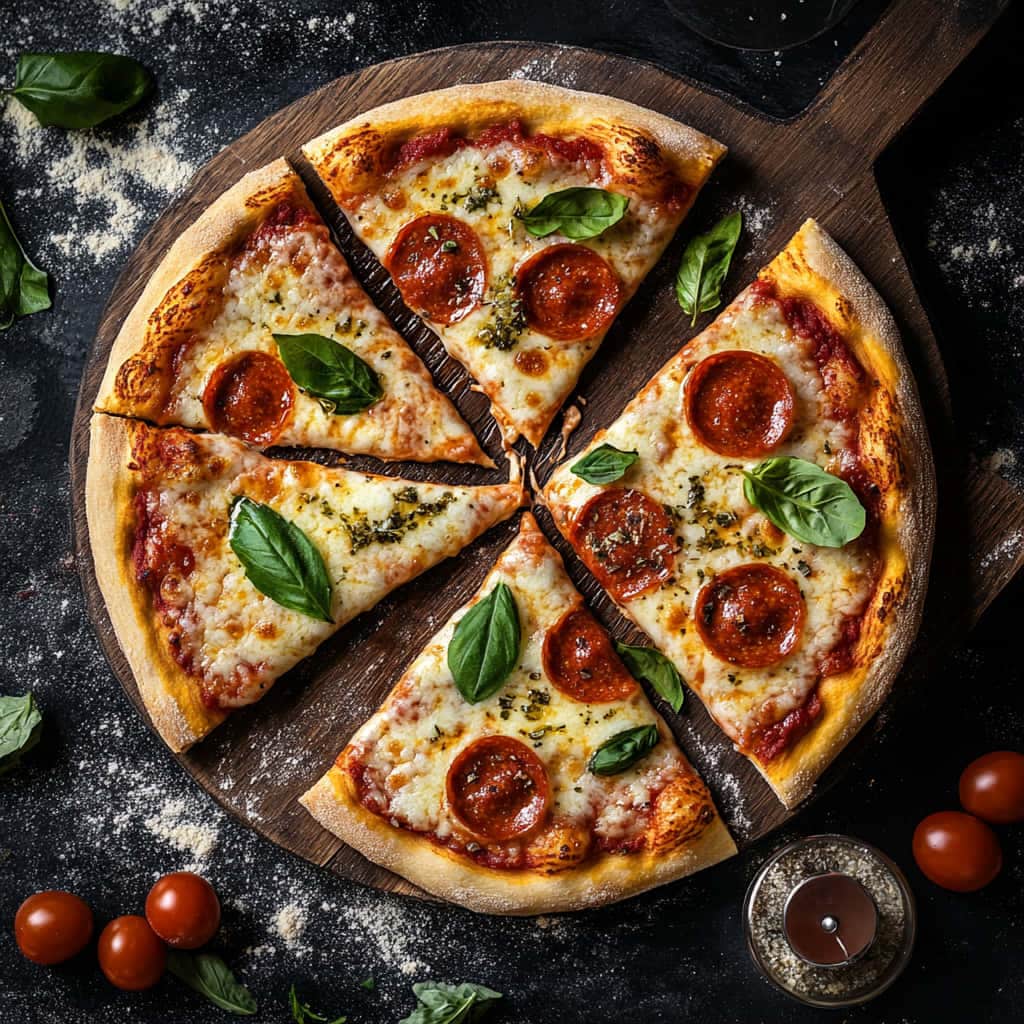
6+ Top private label pizza manufacturers
Wonnda works with the best private label pizza manufacturers. Here is a list of trusted suppliers from our network.
- EAPrivate LabelContract Manufacturing
Italy-based manufacturer producing organic beverages, organic food products, natural food products, available to brands sourcing pizza.
- Country
- Italy
- MOQ
- Lead time
- FRPrivate LabelContract Manufacturing
Germany-based manufacturer producing frozen pizzas, chilled pizzas, ready meals, available to brands sourcing pizza.
- Country
- Germany
- MOQ
- Lead time
- PIPrivate LabelContract ManufacturingWholesale
Italy-based manufacturer producing frozen pizzas, gluten-free pizzas, frozen snacks, available to brands sourcing pizza.
- Country
- Italy
- MOQ
- Lead time
- SVPrivate LabelContract ManufacturingWholesale
Italy-based manufacturer producing frozen pizzas, fully topped pizzas, organic pizzas, available to brands sourcing pizza.
- Country
- Italy
- MOQ
- Lead time
- SAPrivate LabelContract ManufacturingWholesale
Italy-based manufacturer producing margherita, margherita bianca, diavola, available to brands sourcing pizza.
- Country
- Italy
- MOQ
- Lead time
- ILPrivate LabelContract Manufacturing
Italy-based manufacturer producing pasta, pizzas, cheeses, available to brands sourcing pizza.
- Country
- Italy
- MOQ
- Lead time
Compare MOQs and lead times
Quick side-by-side of the shortlist. Missing values shown as a dash.
| Supplier | Location | Types | MOQ | Lead time |
|---|---|---|---|---|
| Eat Better S.r.l. | Italy | PL · CM | ||
| Freiburger Lebensmittel GmbH (Freiburger Pizza) | Germany | PL · CM | ||
| Pizza Roncadin | Italy | PL · CM · WS | ||
| Svila S.p.A. | Italy | PL · CM · WS | ||
| Salvatore Vesi S.r.l. | Italy | PL · CM · WS | ||
| ILIF S.r.l. (Italian Leading Innovative Food) | Italy | PL · CM |
Buyer criteria
- Crust quality and bake-up performance
The crust is the product, so verify how the base bakes up in a normal home oven, crisping properly rather than going soggy or staying pale. Ask the manufacturer to bake off production-representative pizzas to your cooking instructions and judge the result. A base that performs in a commercial oven but disappoints in a consumer's oven fails where it matters, on the plate at home.
- Base style and fermentation match
Confirm the plant can deliver your chosen base, stone-baked, sourdough, thin-and-crispy, or deep-pan, at scale with the right fermentation, since these need different dough handling and ovens. A premium Neapolitan-style crust requires long fermentation and specialist baking a value line does not. Match the manufacturer's dough capability to the crust your brand promises rather than assuming any plant can make any base.
- Mozzarella and cheese quality
Cheese is the largest cost and a key quality driver, so verify the mozzarella type, moisture, and melt behavior, and whether it is real cheese or an analogue. Cheese that browns evenly and stretches reads premium, while rubbery or greasy cheese cheapens the pizza. Confirm the cheese spec and how the plant manages mozzarella cost volatility without quietly downgrading the cheese.
- Sauce-to-base balance
A sauce that is too wet or applied too heavily makes the base soggy, which is a common pizza failure. Verify the manufacturer controls sauce consistency, solids, and application rate so the crust stays crisp. The interplay of sauce moisture, par-bake, and freezing determines whether the finished pizza is crisp or soggy, so this balance is a real quality criterion, not a detail.
- HACCP, allergen and retail certification
Require HACCP plus BRCGS or IFS for retail and foodservice, with the scope covering pizza or frozen prepared foods, and verify allergen control for gluten, dairy, and any meat or other allergens across shared lines. These cover cook control for toppings, metal detection, and allergen management. Confirm the certificate is current and audited for your exact product before committing volume.
Red flags
- No home-oven bake-up demonstration
If the manufacturer will not bake off pizzas to the consumer cooking instructions and show the result, you cannot judge the crucial bake-up performance. Pizzas that look fine assembled can bake up soggy or pale at home. A plant that resists demonstrating the finished, cooked pizza is likely hiding a crust that disappoints in a normal oven, which is exactly where the customer judges it.
- Cheese analogue presented as real cheese
Cheese is the biggest cost, so some plants quietly use cheese analogues or downgrade mozzarella to protect margin while implying real cheese. If the cheese spec is vague or the melt and taste are rubbery and greasy, the quality is being cut. For any premium or real-cheese claim, confirm the exact cheese and reject undisclosed analogue substitution behind a quality positioning.
- Soggy base under the sauce
A base that goes soggy where the sauce sits, especially after baking from frozen, signals a wet sauce, insufficient par-bake, or a weak crust. Soggy crust is the most common pizza complaint. If bake-up testing shows a damp, limp base, the sauce-to-base balance or the dough process is wrong, and the defect reaches every pizza, so treat it as a reason to reject.
- Weak allergen control on shared lines
Pizza plants run gluten bases, dairy cheese, and often multiple meat and other allergen toppings on shared lines, so a manufacturer that cannot demonstrate validated cleaning and segregation, or is casual about cross-contact for gluten-free or other free-from SKUs, is a mislabeling and recall risk. Given the allergen-heavy ingredient deck, weak allergen control is disqualifying for a private label range.
Manufacturing process
- 01
Dough making and fermentation
Flour, water, yeast, salt, and oil are mixed and the dough is fermented to develop flavor and structure. Fermentation time defines the crust: a long ferment or sourdough gives an airy, complex base, while a short ferment suits value lines. Dough temperature and proof are controlled, since they set the final crust texture the consumer experiences.
- 02
Base forming and par-baking
Dough is pressed, sheeted, or stretched into bases, then often par-baked or stone-baked to partially cook the crust and set its structure. Par-baking gives a base that crisps up properly in the consumer's oven rather than going soggy under the toppings. Bake settings determine crust color, blistering, and the all-important bake-up performance at home.
- 03
Tomato sauce preparation
A tomato sauce is cooked to the target consistency, acidity, and seasoning, balanced so it does not make the base soggy. Sauce solids and application rate are controlled, since too much or too wet a sauce undermines the crust. The sauce recipe is a core flavor component and is held consistent batch to batch.
- 04
Sauce and cheese application
The sauce is deposited evenly on the base, then mozzarella and any cheese blend are applied to a controlled weight by automated applicators. Cheese coverage and quality drive both appearance and melt, so weight and distribution are monitored. Mozzarella type and moisture affect how it browns and stretches in the final bake.
- 05
Topping application
Meats, vegetables, and other toppings are applied to spec by weight and distribution, pre-cooked where food safety requires. Topping placement affects appearance and even baking. Toppings are portioned to hit the stated weight and the nutritional panel, and any raw meat is handled under strict controls to prevent cross-contamination.
- 06
Freezing or chilling and packing
Assembled pizzas pass through a blast freezer for frozen products or are rapidly chilled for chilled lines, then film-wrapped or boxed, coded, and cased. Fast freezing protects the dough and cheese quality so the pizza bakes up well at home. Packaging protects against freezer burn and carries cooking instructions, allergen declarations, and lot codes.
- 07
Quality control and bake-up verification
QC checks base dimensions, weight, sauce and cheese coverage, topping distribution, and runs microbiological and allergen testing. Critically, finished pizzas are baked off to verify crust crisp-up, cheese melt, and appearance match the spec. HACCP critical control points cover any cooked toppings and metal detection. Certificates of analysis travel with each batch.
Understanding pizza private-label manufacturing
Dough Method and Formats
Pizza as a private label product is a frozen or chilled assembled food built in layers: a dough base, a tomato sauce, cheese, and toppings. It is made safe and shelf-stable through freezing or a chilled cook-and-pack route. The defining sourcing question for a brand or retailer is the base, as the dough method dictates the entire eating experience and the required production line.
A traditional long-fermented or wood-fired-style base, par-baked or stone-baked, provides an airy, blistered crust with a premium, Neapolitan appeal. This approach requires longer fermentation and specialist baking. A standard pressed or sheeted base is faster and more cost-effective for value and mainstream ranges.
Formats include thin and crispy, classic, deep-pan, or a rising self-raising base, each behaving differently in a consumer's oven. Gluten-free and sourdough bases are growing niches with specific dough handling requirements. The base style and fermentation approach should be decided early, as it determines the supplier shortlist and the quality of the crust.
Manufacturing and Supply Chain
European frozen and chilled pizza manufacturing is strong in Italy, Germany, the Netherlands, Belgium, and Poland. Specialist plants feature dough lines, tomato-sauce systems, automated topping applicators, baking or par-baking ovens, and blast freezers.
Minimum Order Quantities (MOQs) for custom recipes and packaging typically start around one full production run, often tens of thousands of units. This is due to the significant setup costs associated with dough development, line setup, and film or carton tooling. Lead times for a new recipe, including baking trials and shelf-life work, range from 8 to 14 weeks.
Cost is primarily driven by cheese, with mozzarella being the largest and most volatile ingredient expense. Following cheese, costs are influenced by toppings, then flour and the base process, and finally freezing and packaging.
Target Buyers and Quality Assurance
Private label pizza buyers include retailer frozen and chilled pizza ranges, D2C and premium pizza brands, foodservice and food-to-go operators, and meal-kit companies. The category is sharply divided between value frozen pizza and premium stone-baked, sourdough, or authentic Italian positioning; therefore, base and cheese quality significantly drive the brief.
Manufacturers should be qualified based on HACCP and BRCGS or IFS certification. Other critical factors include crust quality and bake-up performance in a home oven, mozzarella and general cheese quality, and allergen control for gluten and dairy. A pizza that bakes up soggy, with rubbery cheese, or a pale crust, will not meet customer expectations.
Frequently asked questions
Why is the crust the most important part of sourcing a pizza?+
How do I stop my frozen pizza baking up soggy?+
Should I use real mozzarella or a cheese analogue?+
What base styles can a pizza manufacturer make?+
Should my pizza range be frozen or chilled?+
What MOQ and lead time should I expect for private label pizza?+
Explore adjacent product types
Get a vetted shortlist of pizza suppliers in 48 hours.
Post a brief on Wonnda. Free, no commitment. We match you with vetted manufacturers that fit your MOQ, format and market.