
Best private label brioche burger bun manufacturers
Wonnda is where brands find private label brioche burger bun manufacturers. These enriched dough products are characterized by their high butter and egg content and a distinctive soft crumb. Sourcing considerations prominently feature the desired format, whether fresh for immediate consumption with a shorter shelf life, or par-baked and frozen for extended storage and transport. Recipe variations include traditional butter-rich formulations or vegan alternatives, impacting ingredient procurement and production processes. The chosen format significantly influences supply chain logistics, packaging requirements, and distribution channels for both foodservice and retail applications.
- Vetted suppliers
- 20,000+
- Brands & buyers
- 25,000+
- EU-made
- 80%
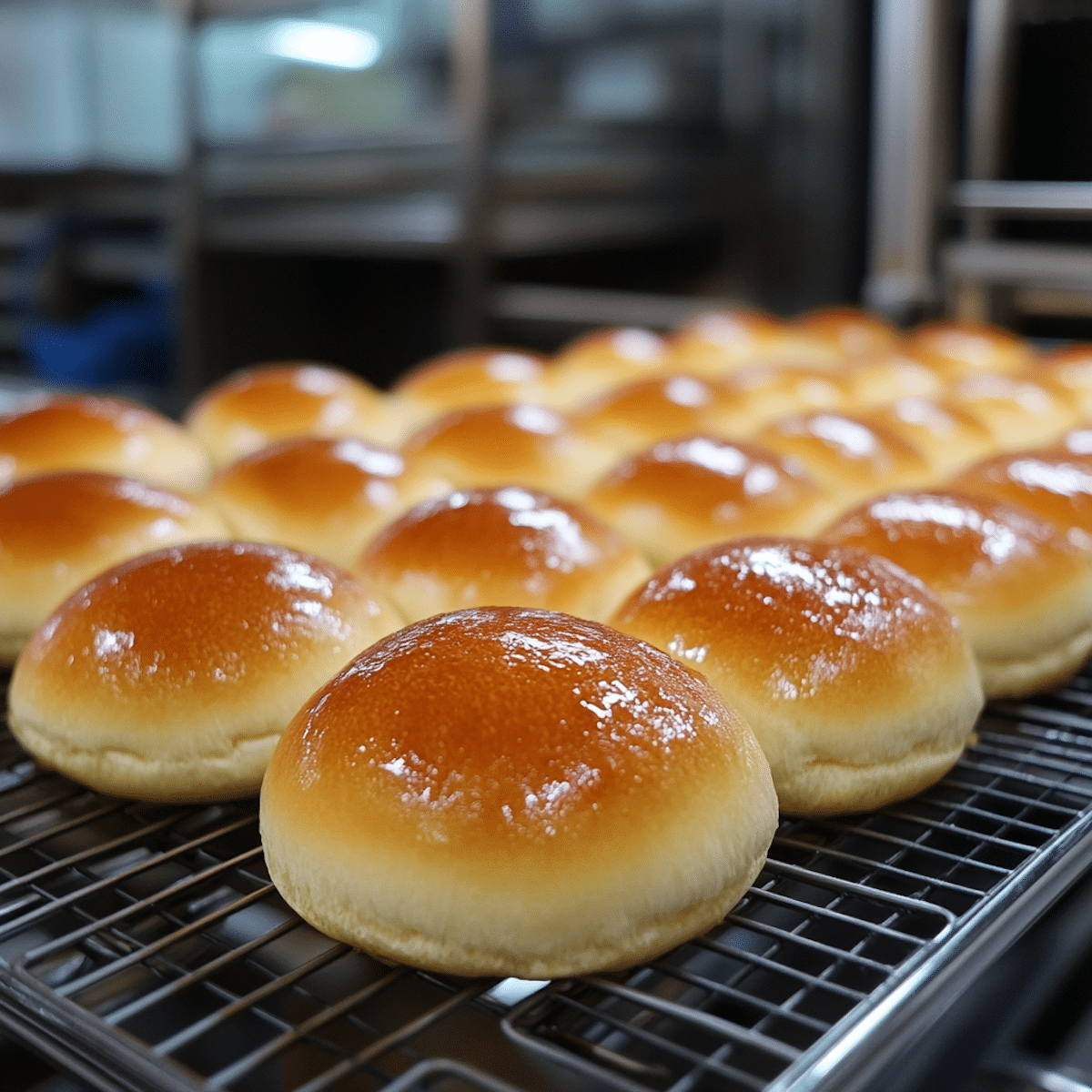
5+ Top private label brioche burger bun manufacturers
Wonnda works with the best private label brioche burger bun manufacturers. Here is a list of trusted suppliers from our network.
 Private LabelContract ManufacturingWholesale
United Kingdom-based manufacturer producing poultry products, frozen foods, beverages, available to brands sourcing brioche burger bun.
- Country
- United Kingdom
- MOQ
- Lead time
 Private LabelContract ManufacturingWholesale
Sweden-based manufacturer producing schulstad artisan breads, schulstad bakery solutions doughs, bonjour croissants, available to brands sourcing brioche burger bun.
- Country
- Sweden
- MOQ
- Lead time
 Private LabelContract ManufacturingWholesale
United Kingdom-based manufacturer producing bread, cakes, pastries, available to brands sourcing brioche burger bun.
- Country
- United Kingdom
- MOQ
- Lead time
 Private LabelContract ManufacturingWholesale
Denmark-based manufacturer producing freezer-to-oven danish pastries, freezer-to-oven croissants, fully-baked danish pastries, available to brands sourcing brioche burger bun.
- Country
- Denmark
- MOQ
- Lead time
 Private LabelContract Manufacturing
Germany-based manufacturer producing jarred peppers, jarred olives, jarred vegetables, available to brands sourcing brioche burger bun.
- Country
- Germany
- MOQ
- Lead time
Compare MOQs and lead times
Quick side-by-side of the shortlist. Missing values shown as a dash.
| Supplier | Location | Types | MOQ | Lead time |
|---|---|---|---|---|
| Brakes | United Kingdom | PL · CM · WS | ||
| Lantmännen Unibake | Sweden | PL · CM · WS | ||
| Galeta Wholesale Bakery | United Kingdom | PL · CM · WS | ||
| Schulstad Bakery Solutions | Denmark | PL · CM · WS | ||
| Giuliano’s Specialty Foods | Germany | PL · CM |
Buyer criteria
- Enriched-dough line capability
Confirm the bakery runs a genuine enriched brioche line, not a lean-dough plant bakery adding fat to a standard recipe. Enriched dough behaves differently and needs the right mixing and proofing setup. Ask for samples of the exact bun and recipe, because a bakery without true enriched capability delivers a dense, pale or greasy bun that does not read as brioche.
- Format and cold chain fit
Decide fresh, par-baked frozen or fully baked frozen up front, since each demands a different supply chain. For frozen, verify blast freezing and confirmed cold-chain logistics to your distribution. The thawed or finished bun must perform like fresh. A mismatch between your channel and the bakery's format capability creates either spoilage or a bun that arrives stale or soggy.
- Structural performance under a patty
A burger bun must stay soft yet hold up to a juicy patty and sauces without disintegrating. Test thawed or fresh samples with a real wet filling, not dry. Ask about crumb strength and any added stability for foodservice use. A bun that turns to mush under the patty fails the only job it has, regardless of how good it looks dry.
- Size and weight consistency
Burger assembly relies on a consistent bun diameter and height to match the patty and stack correctly. Ask about dividing tolerance and check sample uniformity. Variable bun size frustrates foodservice operators and looks sloppy in retail multipacks, so dimensional consistency is a real quality criterion, not a detail, for this product.
- Recipe positioning and allergens
Confirm whether the bun uses real butter and egg or a vegetable-fat, egg-free formulation, and that the choice matches your positioning and price. Verify allergen labeling for wheat, egg, milk and sesame. If you sell a vegan brioche-style bun, ensure the glaze and fat are fully plant-based and the line controls cross-contamination from egg-wash production.
Red flags
- Dense or greasy sample crumb
If the sample bun is dense, pale or leaves a greasy feel, the bakery is not handling enriched dough correctly. Proper brioche has a soft, tight, springy crumb and a clean buttery taste, not heaviness or oiliness. A poor crumb on the sample is the clearest sign the line cannot deliver the product, and it will not improve at scale.
- No frozen performance evidence
For frozen buns, if the bakery cannot show how a thawed or finished bun performs versus fresh, you risk shipping stale or collapsed product. Blast freezing done badly damages the crumb. Reject a frozen quote that comes without thawed samples, because the customer experiences the bun after the freeze-thaw cycle, not the day it left the oven.
- Inconsistent bun dimensions
Samples that vary noticeably in diameter, height or weight signal poor dividing and proofing control. For a burger bun that has to match a patty and stack neatly, size scatter is a functional defect. If the bakery cannot hold tight dimensional tolerance on samples, expect complaints from foodservice operators who build to a standard portion.
- Hidden recipe substitutions
A quote that markets butter brioche but is vague about the fat system may be substituting vegetable fat while keeping the premium name. That is both a cost-down you did not agree to and a labeling risk. Pin the exact fat and egg content in the specification, since the enriched ingredients are what justify the brioche claim and the price.
Manufacturing process
- 01
Enriched dough mixing
Flour, water, yeast, sugar, milk, egg and a high proportion of butter or vegetable fat are mixed to a smooth, elastic enriched dough. The high fat and egg load is added in stages so the gluten develops before the fat coats it. This careful mixing is what gives brioche its soft, tight crumb rather than a dense or greasy texture.
- 02
Bulk fermentation and dividing
The dough is rested and fermented, slower than lean dough because sugar and fat inhibit the yeast, then divided into precise pieces matched to the target bun weight and patty size. Accurate dividing is critical for a burger bun, since a consistent diameter and height let the bun pair correctly with a standardized patty on a foodservice line.
- 03
Rounding, shaping and proofing
Pieces are rounded and shaped into domed buns, then proofed in humidity-controlled cabinets until they rise to the target volume. Proofing the enriched dough correctly is delicate, since under-proofing gives a dense bun and over-proofing causes collapse. The shape set here determines the classic glossy dome that defines a brioche burger bun.
- 04
Egg wash and topping
Buns are brushed with egg wash, or a plant-based glaze for vegan lines, to develop the signature glossy golden top during baking. Sesame or other seeds are applied here if specified. The wash and finish are a major part of the product's visual identity and a key point of difference from a plain bun on the shelf or plate.
- 05
Baking
Buns are baked at controlled temperature until the crumb is set, the top is glossy and golden, and the internal structure is soft but strong enough to hold a wet filling. The high sugar content browns quickly, so the bake is managed to color the top without drying the crumb. Bake consistency drives the uniform appearance buyers expect.
- 06
Cooling, slicing and freezing
Baked buns are cooled, optionally sliced, and for the dominant frozen format are blast frozen to lock in freshness, structure and shelf life. Par-baked lines freeze at an earlier stage for finishing at the point of use. Blast freezing preserves the soft crumb so the thawed bun performs like fresh, which is the whole point of the frozen route.
- 07
Packing and palletizing
Buns are packed into retail multipacks or foodservice cases by count, sealed, coded with lot and date, and palletized for ambient or frozen distribution. Pack format and case count are set to the channel, since a QSR distributor and a retail freezer aisle need different counts. Allergen labeling for egg, milk, wheat and any sesame is verified before dispatch.
Understanding brioche burger bun private-label manufacturing
Product Overview and Formulation
Brioche burger buns are an enriched-dough bakery product, distinguished from standard buns by their high butter and egg content, soft, tight crumb, glossy egg-washed top, and faint sweetness. This composition allows them to hold up to a juicy patty without falling apart.
For private label brands, a core sourcing question is how the buns reach the customer: fresh and ambient with a short shelf life, par-baked and frozen, or fully baked and frozen. This decision drives the entire supply chain, packaging, and channel fit. Foodservice and retail buyers typically opt for frozen products due to logistics, while local premium ranges may prefer fresh options.
The enriched recipe makes brioche a specialist bake. High fat and egg content slows fermentation and demands careful dough handling. This directs brands toward bakeries that run enriched lines rather than lean-dough plant bakeries.
- Key Choices in Brioche:
- Butter versus vegetable-fat formulation (for cost or vegan positioning)
- Real egg versus egg-free options
- Inclusion of milk and sugar
- Seeded or plain tops
- Bun diameter and weight to match the patty
Sliced versus unsliced and the exact top finish are downstream decisions that affect line setup.
Production and Geography
Brioche bun production for the European market is concentrated in industrial bakeries in Germany, France, the Benelux region, Poland, and the UK. Many of these facilities operate frozen par-bake lines, developed in response to the burger and foodservice boom.
Frozen logistics enable a bun made in one country to serve the entire continent. Therefore, geographical sourcing is primarily driven by line capability and freezer capacity, rather than ingredient origin.
MOQs, Lead Times, and Cost Factors
Minimum order quantities (MOQs) for custom frozen brioche buns typically start in the range of one to several full pallets per SKU, often tens of thousands of units. This is because industrial bake and freeze lines are built for volume. Fresh ambient runs can be smaller but are limited by shelf life and delivery radius.
Lead times for a custom recipe and pack range from 6 to 12 weeks. Cost is primarily influenced by butter and egg content, which are the swing ingredients. Other factors include the bake and freeze process, pack format, case count, and bun size.
Target Market and Sales Channels
Buyers include burger brands, QSR brands, foodservice distributors, retail bakery ranges, and meal-kit companies. These products are sold through foodservice, frozen retail, and food-to-go channels. In these channels, bun softness, structural integrity under a wet patty, and consistent size are critical factors for reorders.
Frequently asked questions
Should I source brioche buns fresh or frozen?+
What makes a brioche bun different from a regular burger bun?+
Can I get a vegan or egg-free brioche-style bun?+
How do I make sure the bun holds up to a juicy patty?+
What MOQ and lead time should I plan for?+
How long do frozen brioche buns keep and how are they handled?+
Explore adjacent product types
Get a vetted shortlist of brioche burger bun suppliers in 48 hours.
Post a brief on Wonnda. Free, no commitment. We match you with vetted manufacturers that fit your MOQ, format and market.