
Best private label pizza dough manufacturers
Shortlist private label pizza dough suppliers on Wonnda. Sourcing options include fresh chilled dough balls, frozen dough balls, and par-baked crusts, each suiting different handling requirements and distribution channels. Key variables include the flour type, such as 00-flour or sourdough, and the manufacturer's fermentation process, critical for achieving the desired rise and texture. Consider certifications relevant to ingredients and production, along with lead time implications for fresh versus frozen or par-baked varieties.
- Vetted suppliers
- 20,000+
- Brands & buyers
- 25,000+
- EU-made
- 80%
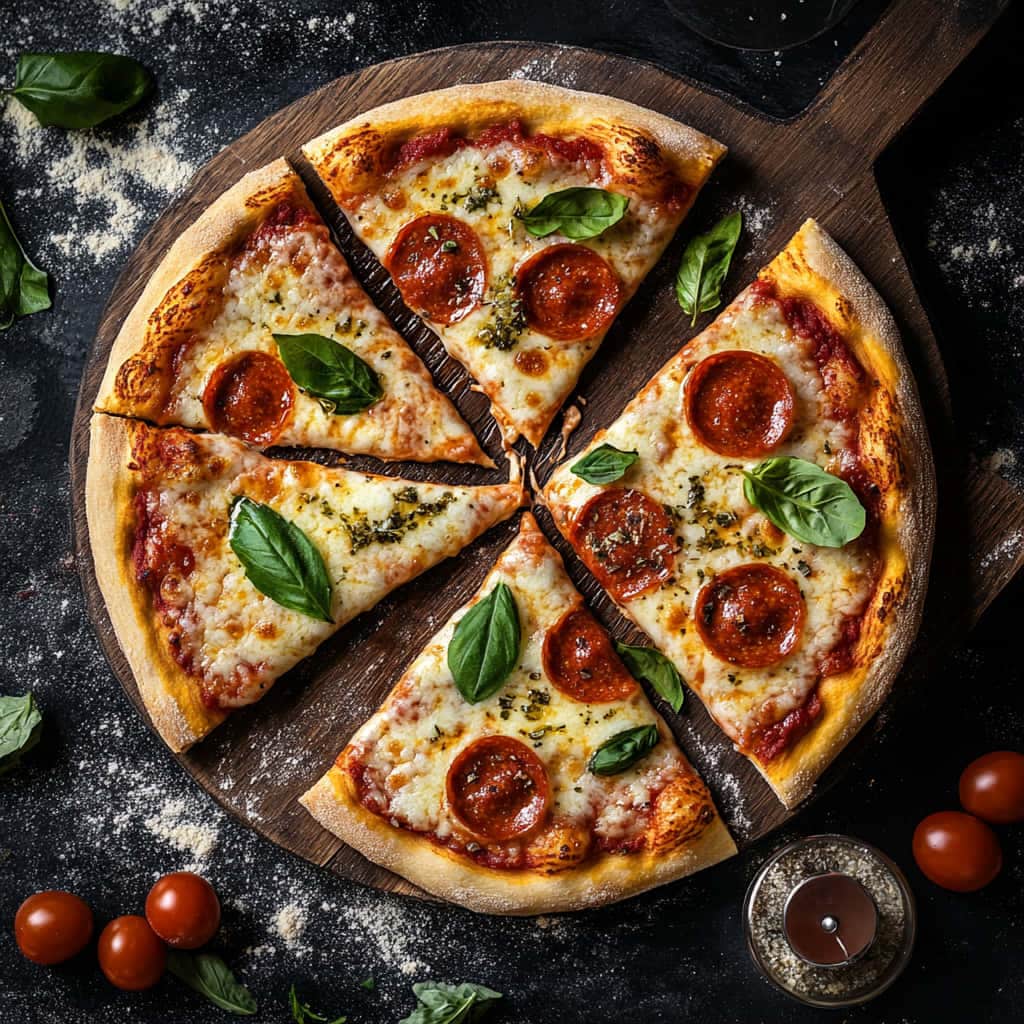
4+ Top private label pizza dough manufacturers
Wonnda works with the best private label pizza dough manufacturers. Here is a list of trusted suppliers from our network.
- SAPrivate LabelContract ManufacturingWholesale
Italy-based manufacturer producing margherita, margherita bianca, diavola, available to brands sourcing pizza dough.
- Country
- Italy
- MOQ
- Lead time
- FRPrivate LabelContract Manufacturing
Germany-based manufacturer producing frozen pizzas, chilled pizzas, ready meals, available to brands sourcing pizza dough.
- Country
- Germany
- MOQ
- Lead time
- PIPrivate LabelContract ManufacturingWholesale
Italy-based manufacturer producing frozen pizzas, gluten-free pizzas, frozen snacks, available to brands sourcing pizza dough.
- Country
- Italy
- MOQ
- Lead time
- ILPrivate LabelContract Manufacturing
Italy-based manufacturer producing pasta, pizzas, cheeses, available to brands sourcing pizza dough.
- Country
- Italy
- MOQ
- Lead time
Compare MOQs and lead times
Quick side-by-side of the shortlist. Missing values shown as a dash.
| Supplier | Location | Types | MOQ | Lead time |
|---|---|---|---|---|
| Salvatore Vesi S.r.l. | Italy | PL · CM · WS | ||
| Freiburger Lebensmittel GmbH (Freiburger Pizza) | Germany | PL · CM | ||
| Pizza Roncadin | Italy | PL · CM · WS | ||
| ILIF S.r.l. (Italian Leading Innovative Food) | Italy | PL · CM |
Buyer criteria
- Bake-up performance
The dough must bake into a base with proper rise, structure and crispness in the customer's oven, which depends on the recipe and fermentation. Bake-test samples in conditions matching the end use, whether a home oven, a pizzeria deck or a foodservice oven. A dough that bakes flat, tough or pale fails its only job, so verify the cooked result rather than the raw dough.
- Fermentation and recipe authenticity
If you sell a long-fermented, sourdough or Neapolitan-style dough, confirm the maker genuinely runs that fermentation and uses appropriate flour like 00, since these claims drive the premium. Ask about proof times and flour spec. A standard fast-proofed dough sold as long-fermented is both a quality shortfall and a labeling risk you should verify on the process.
- Format and state fit
Match the format, fresh chilled, frozen, raw ball, pre-rolled or par-baked, to your channel and the work you want the end user to do. Each has different shelf life and handling. Confirm the maker runs your chosen format well, because fresh chilled and frozen need different processes and logistics, and a mismatch creates spoilage or a poor bake.
- Consistency of weight and condition
Customers expect the same dough ball or base every time, so check dividing tolerance and dough condition across samples. Variable weight or over-proofed, slack dough frustrates pizzerias and retail users. Consistency in weight, shape and proof state is a concrete quality criterion, especially for foodservice operators who build to a standard portion and bake time.
- Cold chain and shelf life
Confirm the shelf life for your format and that the maker and your logistics can hold the required chilled or frozen cold chain. Fresh chilled dough has a short life and continues proofing, while frozen needs an unbroken chain. Ask how shelf life is set, since a fresh dough that over-proofs or a frozen one that thaws and refreezes arrives unusable.
Red flags
- Flat or tough bake result
If a bake-tested sample produces a flat, dense or tough base, the fermentation or dough development is wrong and the maker has not got the core of the product right. Rise and texture are what a pizza base is judged on. A dough that bakes poorly on a controlled sample will not improve at scale, so treat a bad bake result as disqualifying.
- Fast dough sold as long-fermented
A quote marketing long-fermented, sourdough or 24-hour dough at a price and process that suggest a quick standard proof is selling a story the product does not deliver. Long fermentation takes time and cold-proof capacity. If the maker cannot evidence the proof times and process, the premium claim is a labeling and quality risk you inherit.
- Over-proofed or slack fresh dough
Fresh chilled dough that arrives over-proofed, slack or with a damaged structure has been mishandled or given too short a shelf life for the logistics. Over-proofed dough collapses and bakes badly. If samples show poor proof state on arrival, the maker has not matched the product to a realistic chilled supply chain, which will cause waste.
- Inconsistent dough ball weights
Samples with noticeably different ball weights or base sizes signal poor dividing control. For foodservice and retail customers who expect a standard portion and bake, weight scatter is a functional defect. If the maker cannot hold tight dividing tolerance on samples, the inconsistency will frustrate end users and worsen at full production volume.
Manufacturing process
- 01
Flour selection and recipe
The maker selects the flour, often Italian 00 for a fine, extensible dough, or standard bread flour, and sets hydration, salt, yeast and any oil or sugar. The flour and hydration define the dough's strength, extensibility and final crispness. For a Neapolitan or authentic Italian claim, 00 flour and the right protein level are central to the product.
- 02
Mixing and dough development
Ingredients are mixed to develop the gluten to the right strength without overworking, producing a smooth, extensible dough. Mix time and temperature are controlled because dough temperature affects fermentation. Proper development is what gives the base its ability to stretch without tearing and to rise correctly, so this stage is set carefully to the recipe and flour.
- 03
Fermentation and proofing
The dough is fermented, often with a controlled cold proof over many hours for long-fermented or sourdough products to build flavor and digestibility, or a shorter proof for standard dough. Fermentation control is the heart of a good dough and what separates a flavorful, well-risen base from a flat one. Time, temperature and any starter are managed precisely.
- 04
Dividing and forming
Dough is divided into precise balls at the target weight, or formed and rolled into bases of set diameter and thickness for pre-rolled and par-baked formats. Accurate weight and shape matter for consistency, since a foodservice operator or retail customer expects the same base each time. Dough balls are rounded for even proofing and an attractive shape.
- 05
Par-baking where specified
For par-baked crusts the formed base is partially baked to set the structure so it finishes quickly into a crisp base later. Raw dough balls and pre-rolled fresh bases skip this step. The degree of par-bake is tuned so the final bake at the customer produces proper color and crispness without overcooking, matching the intended use.
- 06
Freezing or chilling and packing
Depending on the format, dough balls or bases are blast frozen for long shelf life and wide distribution, or chilled for fresh products with a short shelf life. They are then packed, individually or in multipacks or trays, sealed, coded and cased. Fresh chilled dough needs a managed proof state in pack so it does not over-proof before use.
- 07
Quality control and dispatch
Finished product is checked for weight, dough condition, and a bake test confirms the base rises and bakes correctly to the expected result. Allergen labeling for wheat and any other ingredients is verified, then product is palletized and dispatched in the appropriate chilled or frozen cold chain with batch records, since temperature control protects both fresh and frozen dough quality.
Understanding pizza dough private-label manufacturing
Product Forms and Characteristics
Pizza dough is supplied to retail and foodservice as uncooked or par-baked bases. These forms include fresh chilled dough balls, pre-rolled bases, frozen dough balls, and par-baked crusts. The defining decision for a private label brand is the form and state, as each product has different shelf lives, handling needs, and distribution channels. As a fermentation product, the manufacturer's control over proofing and fermentation, not just mixing, is critical for proper rise and flavor.
Recipe and Format Options
Key recipe levers include the flour, fermentation method, and format. Long-fermented or sourdough doughs offer more flavor and better digestibility but require more time and cold-proofing capabilities. Standard doughs are faster and more economical. Ingredients such as Italian 00 flour versus standard flour, hydration level, and the addition of oil and sugar influence texture and crispness.
Format choices include thickness, diameter, dough ball weight, and whether the product is sold raw for shaping by the customer, pre-rolled, or par-baked for quick finishing. Each format shifts the labor between the manufacturer and the end-user.
Manufacturing and Sourcing
Pizza dough production for the European market is concentrated among bakery and dough specialists in Italy, Germany, the Benelux region, and Poland. Italy holds particular significance for authentic Neapolitan-style and 00-flour doughs. Fresh chilled dough has a short shelf life and requires tighter logistics, while frozen and par-baked formats allow for wider distribution. The choice of partner and geography depends on the format and the required cold chain.
MOQs, Lead Times, and Cost Drivers
Minimum Order Quantities (MOQs) for a custom pizza dough product typically begin at a few thousand units to one pallet per SKU for frozen or par-baked options. Fresh chilled dough often involves shorter runs and stricter delivery schedules. Lead times for a custom recipe and format are generally 6 to 12 weeks. Cost is primarily driven by the flour type and fermentation approach, with long-ferment and sourdough options being more expensive. Subsequent cost factors include the format, any par-baking, packaging, and size.
- Buyers: Retail private label, pizzeria and foodservice operators, meal-kit companies, frozen-food brands
- Sales Channels: Grocery chilled and frozen aisles, foodservice, online channels
- Key Purchase Drivers: Bake-up quality, rise, authentic Italian or sourdough story
Frequently asked questions
Should I sell fresh, frozen or par-baked pizza dough?+
Why does fermentation matter for pizza dough?+
Do I need Italian 00 flour for an authentic pizza dough?+
How long does pizza dough keep in each format?+
What MOQ and lead time should I expect?+
How do I ensure consistent dough balls for a pizzeria customer?+
Explore adjacent product types
Get a vetted shortlist of pizza dough suppliers in 48 hours.
Post a brief on Wonnda. Free, no commitment. We match you with vetted manufacturers that fit your MOQ, format and market.