
Best private label paper straws manufacturers
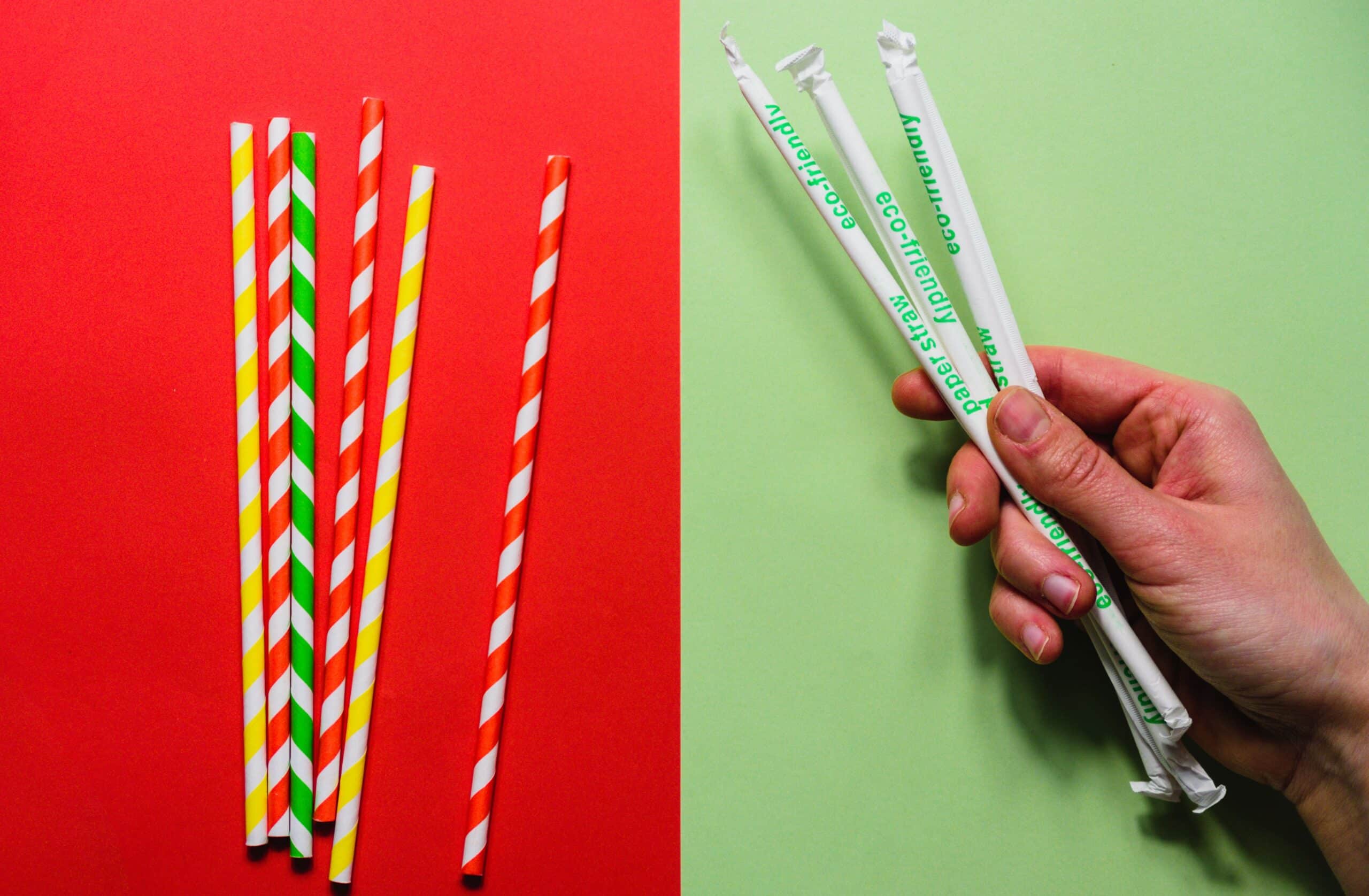
Shortlist paper straws suppliers on Wonnda. These spiral-wound products are composed of multiple plies of food-grade paper and food-safe adhesive, making liquid durability a critical sourcing variable. Key aspects include paper quality, ply count, adhesive type, and certifications for food contact materials. Brands can also consider options for individual wrapping and custom printing to align with their brand identity.
- Vetted suppliers
- 20,000+
- Brands & buyers
- 25,000+
- EU-made
- 80%
5+ Top paper straws manufacturers
Wonnda works with the best paper straws manufacturers. Here is a list of trusted suppliers from our network.
 Private LabelContract Manufacturing
Netherlands-based manufacturer producing straight paper straws, u-shaped paper straws, telescopic paper straws, available to brands sourcing paper straws.
- Country
- Netherlands
- MOQ
- Lead time
 Private LabelContract Manufacturing
Lithuania-based manufacturer producing biodegradable paper straws, custom length paper straws, custom diameter paper straws 3-11 mm, available to brands sourcing paper straws.
- Country
- Lithuania
- MOQ
- Lead time
 Private LabelContract Manufacturing
Germany-based manufacturer producing pipes from technical thermoplastics, hoses from technical thermoplastics, extruded sections for industrial use, available to brands sourcing paper straws.
- Country
- Germany
- MOQ
- Lead time
 Private LabelContract Manufacturing
Europe-based manufacturer producing plastic cups with simple print, plastic cups with 6-color print, burger bags, available to brands sourcing paper straws.
- Country
- -
- MOQ
- Lead time
 Private LabelContract Manufacturing
Spain-based manufacturer producing personalized water cartons (goddess of water), custom cookies and snacks packaging, paper cups for events, available to brands sourcing paper straws.
- Country
- Spain
- MOQ
- Lead time
Compare MOQs and lead times
Quick side-by-side of the shortlist. Missing values shown as a dash.
| Supplier | Location | Types | MOQ | Lead time |
|---|---|---|---|---|
| Tembo Paper | Netherlands | PL · CM | ||
| NB ECO | Lithuania | PL · CM | ||
| PIOflex | Germany | PL · CM | ||
| Limepack | - | PL · CM | ||
| The Brand Company, S.L. | Spain | PL · CM |
Buyer criteria
- Liquid durability and ply count
The defining quality is how long the straw stays usable in a drink. Confirm the ply count and ask for durability data or test samples in cold and, if relevant, hot drinks. A straw that goes soggy in minutes fails its only job, so verify real performance rather than accepting a generic claim about being long-lasting.
- Food-contact and PFAS-free compliance
Confirm the paper, adhesive and inks are food-contact compliant and, given regulatory and consumer concern, free of PFAS coatings. Request the food-contact declaration and PFAS statement, because a non-compliant coating defeats the purpose of replacing plastic and creates a regulatory and reputational liability.
- Diameter matched to the drink
Match the bore to the use: a narrow straw for water and soft drinks, a wider smoothie straw, a jumbo straw for bubble tea with tapioca pearls. Confirm the diameter, since a straw too narrow for the drink frustrates customers and a mismatched bore is a common complaint in beverage service.
- Wrapping format for hygiene needs
Decide unwrapped, paper-wrapped or individually wrapped based on the setting. Hospitality and retail often require individual wrapping for hygiene. Confirm the wrapping is available and food-safe, because the wrapping requirement affects both cost and which lines can supply, and is mandatory for many foodservice channels.
- Print durability and food-safe inks
If printed, confirm the design stays on the outer ply, uses food-safe inks, and does not bleed in liquid. Ask for printed samples tested in a drink, since ink that runs or a design that smears in use undermines a branded straw and raises food-safety questions about the inks chosen.
Red flags
- No durability testing
A supplier that cannot demonstrate how long the straw lasts in liquid is selling on appearance, not performance. Sogginess is the number one paper-straw complaint, so the absence of durability data means you cannot trust the straw to do its job, which makes it unfit for purpose.
- PFAS or undisclosed coatings
Coatings to boost water resistance that include PFAS, or any undisclosed coating, are a serious regulatory and health concern and contradict the sustainability rationale for paper straws. A supplier unwilling to provide a PFAS-free statement and food-contact declaration should be rejected outright.
- Adhesive not food-safe
The adhesive between plies contacts the drink as the straw wets, so it must be food-safe. A supplier vague about the adhesive is risking contamination. Since the glue is integral to a wound straw, an unverified adhesive is a direct food-safety failure, not a minor detail.
- Crushed or ragged cut ends
Crushed or frayed ends indicate poor cutting control and are unpleasant at the lip and prone to faster sogginess. Inspect the cut quality on samples, because ragged ends signal a line that lacks precision and produce a straw that feels cheap and degrades quickly in use.
Manufacturing process
- 01
Food-grade paper and adhesive selection
Multiple plies of food-contact paper are selected with a food-safe adhesive. Paper grade and ply count determine how long the straw resists going soggy. Compliant, PFAS-free materials are specified here, since the straw's food-contact safety and durability are set by these inputs.
- 02
Printing
Paper plies, especially the outer ply, are printed with the chosen design before winding. Print must use food-safe inks and stay on the outer surface. Stripe and pattern designs are standard, and print is applied to the web so it aligns correctly once the straw is wound.
- 03
Spiral winding
The plies are wound at an angle around a mandrel with adhesive between layers to form a rigid tube. Winding tension and adhesive coverage determine straw rigidity and how well it resists liquid penetration. This is the core step that defines straw strength and durability.
- 04
Drying and curing
The wound tube is dried and the adhesive cured so the straw holds its rigidity. Proper curing prevents the plies separating in liquid. Under-cured straws delaminate and collapse quickly, so drying is essential to the durability the product is sold on.
- 05
Cutting to length
The continuous tube is cut to the specified length for the diameter and use, whether a standard drink straw, a long smoothie straw or a wide bubble-tea straw. Clean cuts without crushed ends are important for usability and appearance at the lip.
- 06
Wrapping, inspection and packing
Straws are left unwrapped, paper-wrapped, or individually wrapped for hygiene depending on the use, then inspected for rigidity, dimensions and print, and boxed. Individual wrapping adds a step but is required for many hospitality and retail settings. Durability checks confirm performance before packing.
Understanding paper straws private-label manufacturing
Product Overview
Paper straws are spiral-wound products made from two or three plies of food-grade paper. These plies are wound around a mandrel with a food-safe adhesive, cut to length, and then dried into a rigid tube. The primary performance indicator for a paper straw is its durability in liquid, determined by paper quality, ply count, and adhesive.
Sourcing paper straws requires verification of food-contact compliance and proven liquid durability. This category serves as a regulated replacement for banned single-use plastic straws.
Key Variables and Customization
- Diameter: Standard, smoothie, or jumbo bubble-tea bore
- Length
- Ply count: More plies generally lead to longer durability
- Wrapping: Unwrapped, paper-wrapped, or individually wrapped for hygiene
- Print design
Paper must be food-contact grade, and increasingly, free of problematic PFAS coatings. Adhesives must also be food-safe and well-documented. Custom-printed straws typically have MOQs ranging from 10,000 to 50,000 units due to high-speed production lines. Stock straws are available in lower quantities and with shorter lead times. Custom print also involves setup costs, including plate or tooling charges and associated minimums.
Manufacturing and Supply Chain
Production capacity for paper straws exists in both Europe and Asia. European production simplifies food-contact documentation and compliance with single-use plastics regulations. Asian supply often offers a lower unit price for high-volume orders.
Cost drivers include paper grade, ply count, individual wrapping, print, and diameter. Individual wrapping adds material and a machine step, and is often required for hospitality and retail uses. Lead times typically range from 4 to 10 weeks.
Logistics and Buyers
Straws are light but bulky, meaning freight and storage costs per unit can sometimes approach manufacturing costs on long shipping routes. This factor can lead some buyers to accept a higher unit price from EU suppliers to reduce transport costs and shorten replenishment times.
Key buyers include foodservice operators, beverage and bubble-tea brands, hospitality groups, and retailers selling home packs. Wholesale and contract-catering channels drive the largest volumes, while the retail channel demands more finished wrapping and print quality. Differentiation in this category is based on verified durability, clear compliance documentation, and print quality.
Frequently asked questions
How do paper straws avoid going soggy too quickly?+
What does PFAS-free mean and why does it matter for paper straws?+
Should I choose individually wrapped or bulk paper straws?+
What straw diameter do I need for different drinks?+
What MOQ and lead time apply to custom-printed paper straws?+
Are paper straws recyclable or compostable?+
Explore adjacent product types
Get a vetted shortlist of paper straws suppliers in 48 hours.
Post a brief on Wonnda. Free, no commitment. We match you with vetted manufacturers that fit your MOQ, format and market.