
Best private label aluminum bottles manufacturers
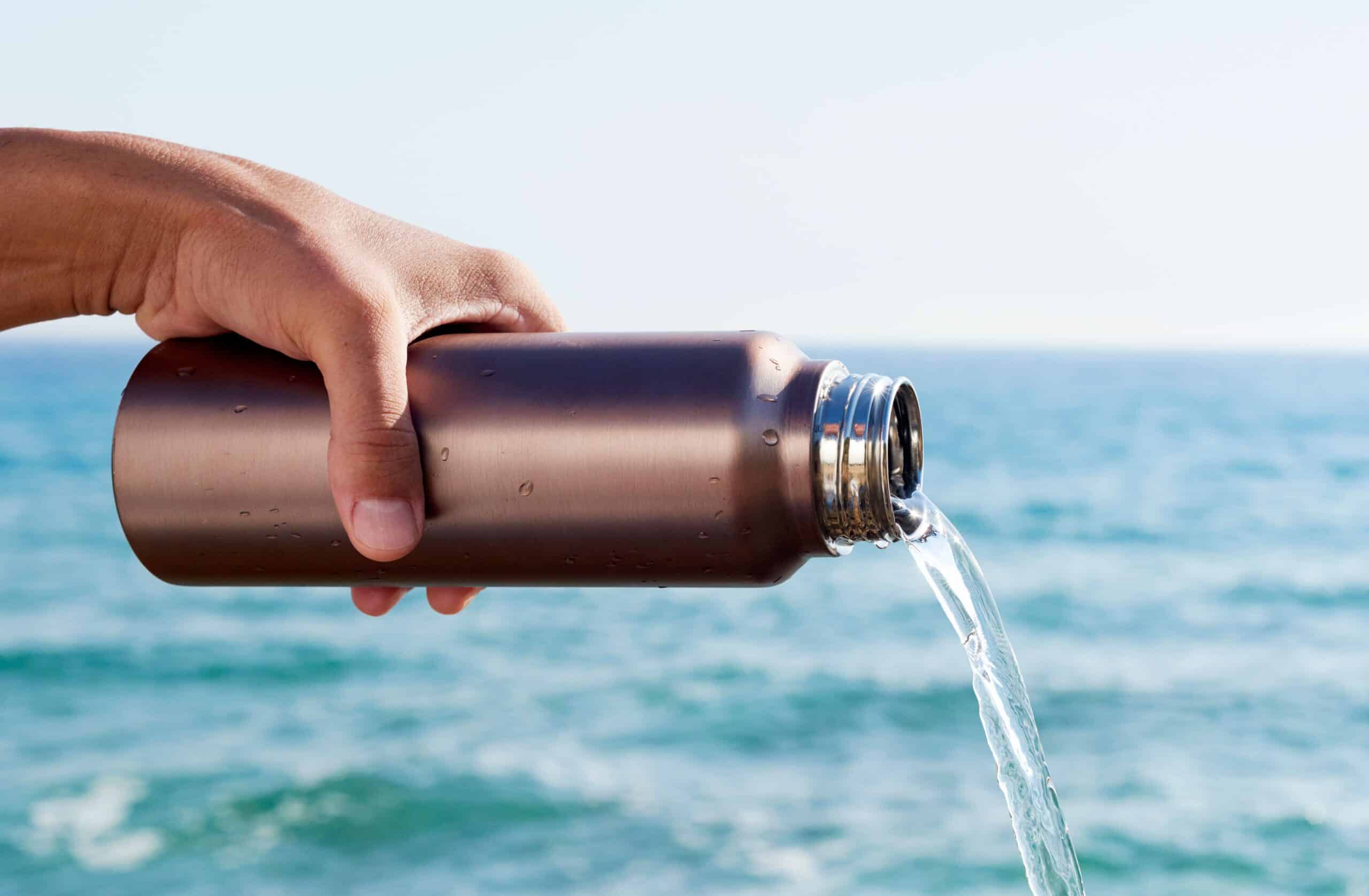
Wonnda is where brands find aluminum bottles manufacturers. These bottles are typically formed via impact extrusion, resulting in a lightweight, seamless, and fully recyclable container often used for premium water, spirits, cosmetics, and personal care products. Key sourcing considerations include the bottle's shape, as well as the internal lacquer, which is crucial for protecting contents and preventing metal reactions. Understanding these variables ensures product integrity and consumer safety.
- Vetted suppliers
- 20,000+
- Brands & buyers
- 25,000+
- EU-made
- 80%
5+ Top aluminum bottles manufacturers
Wonnda works with the best aluminum bottles manufacturers. Here is a list of trusted suppliers from our network.
- Featured
 Private LabelContract Manufacturing
Romania-based manufacturer producing plastic packaging for cosmetics, plastic packaging for health and beauty, private label packaging solutions, available to brands sourcing aluminum bottles.
- Country
- Romania
- MOQ
- Lead time
 Private LabelContract Manufacturing
USA-based manufacturer producing aluminum beverage cans, aluminum beverage bottles, private label beverages in aluminum packaging, available to brands sourcing aluminum bottles.
- Country
- USA
- MOQ
- Lead time
 Private LabelContract Manufacturing
USA-based manufacturer producing aluminum bottled spring water, private label aluminum spring water, custom printed aluminum water bottles, available to brands sourcing aluminum bottles.
- Country
- USA
- MOQ
- Lead time
 Private LabelContract Manufacturing
Spain-based manufacturer producing personalized water cartons (goddess of water), custom cookies and snacks packaging, paper cups for events, available to brands sourcing aluminum bottles.
- Country
- Spain
- MOQ
- Lead time
 Private LabelContract Manufacturing
Australia-based manufacturer producing iron strawberry & rhubarb functional water, organic apple & green tea beverage, schorle matcha, available to brands sourcing aluminum bottles.
- Country
- Australia
- MOQ
- Lead time
Compare MOQs and lead times
Quick side-by-side of the shortlist. Missing values shown as a dash.
| Supplier | Location | Types | MOQ | Lead time |
|---|---|---|---|---|
| PLASTIC CONCEPTS SRL | Romania | PL · CM | ||
| Alum Beverages | USA | PL · CM | ||
| RAIN Bottling Company | USA | PL · CM | ||
| The Brand Company, S.L. | Spain | PL · CM | ||
| MAD Beverages | Australia | PL · CM |
Buyer criteria
- Internal coating matched to contents
The internal lacquer must suit your specific product, whether an acidic beverage, an alcohol-based spirit, or a cosmetic emulsion. Confirm the coating type and request compatibility data or migration testing, because an unsuitable lacquer lets the contents corrode the metal or develop a metallic taint that ruins the product.
- Neck finish and closure or crimp fit
Verify the neck finish matches your closure, whether a screw cap, a spray crimp or a roll-on fitment. For sprays the crimp seal must hold pressure reliably. Test fit and seal on real samples, since neck accuracy determines whether the bottle leaks or holds its closure under handling.
- Decoration quality and registration
Aluminium's advantage is high-quality direct print, so assess the supplier's print resolution, color accuracy and registration across the curved surface. Ask for printed samples and confirm the number of colors and finishes available, because decoration is usually the main reason a brand chooses aluminium and is where quality varies most.
- Wall thickness and dent resistance
Aluminium is light but dents, so confirm the wall thickness suits the handling and shelf life expected. Too thin and bottles deform in transit and on shelf; heavier walls cost more. Balance the weight against durability and the premium feel you want, and check dent resistance on samples.
- Recyclability and sustainability documentation
If you position on aluminium's recyclability, confirm the recycled content and that the coating and decoration do not compromise recyclability claims. Request the supporting documentation, since sustainability is a primary reason brands choose aluminium and the claim must hold up to scrutiny from retail and consumers.
Red flags
- Generic coating for all products
A supplier offering one internal coating for every product, regardless of chemistry, is risking corrosion or taint with reactive contents. The lacquer must match the product, so a one-size-fits-all answer signals they have not engineered for your formula and the contents may react with the metal.
- No internal coverage verification
If the supplier cannot show that internal coating coverage is inspected, gaps in the lacquer can expose bare aluminium to the contents. This causes corrosion and contamination that may only appear after months on shelf, so missing coverage checks are a serious quality risk.
- Poor print registration on samples
Misaligned or fuzzy direct print defeats the main reason to use aluminium. If sample decoration shows registration drift or weak color, the supplier lacks the print control premium positioning requires, and the problem will be visible on every unit on shelf.
- Crimp seal not pressure-tested
For spray bottles, a crimp seal that has not been pressure-tested can leak or fail under propellant pressure. A supplier that cannot demonstrate seal integrity for sprays is exposing you to leaks and failures, which is both a quality and a safety concern.
Manufacturing process
- 01
Slug feeding and impact extrusion
A pre-cut aluminium slug is fed into a die and struck by a punch, forcing the metal to flow upward into a seamless bottle body. Impact extrusion gives a one-piece wall with no seam. The tooling sets the diameter and base; wall thickness is controlled by the punch and slug.
- 02
Trimming and necking
The extruded body is trimmed to height and the neck is formed and threaded or shaped to the required finish for screw caps, sprays or crimped closures. Neck accuracy is critical for closure fit and, for sprays, for the crimp seal that holds pressure.
- 03
Washing and internal coating
Bottles are cleaned and an internal lacquer is sprayed and cured to line the inside. The coating is matched to the product chemistry so aggressive or reactive contents do not corrode the aluminium or pick up metallic taint. This step is essential and product-specific.
- 04
External base coat and decoration
An external base coat is applied, then decoration by offset and screen printing directly onto the curved surface, with optional metallic effects, matte or gloss varnish. Aluminium takes high-resolution direct print well, which is a key reason brands choose it over labels.
- 05
Curing and inspection
Coatings and inks are oven-cured for durability, then bottles are inspected for coating coverage, print registration, neck integrity and dimensional accuracy. Internal coating coverage is verified, since gaps allow corrosion and contamination of the contents.
- 06
Packing
Finished bottles are packed, often with separators to protect the decoration, and palletized. Aluminium is light and dent-prone, so packing protects both the print and the bottle shape through transit to the filler.
Understanding aluminum bottles private-label manufacturing
Manufacturing Process and Features
Aluminium bottles are formed via impact extrusion. This process involves striking an aluminium slug in a die, causing the metal to flow upwards to create a seamless, lightweight, and fully recyclable container.
The seamless construction and light weight of aluminium bottles make them suitable for premium water, spirits, cosmetics, personal care products, and increasingly, refillable packaging. Key variables include bottle shape, neck finish (threaded for screw caps or crimp for sprays and roll-ons), wall thickness, internal coating, and external decoration.
Aluminium excels in external decoration through high-quality offset and screen printing directly on the curved surface. The internal lacquer is crucial for protecting both the contents and the metal from reactions.
MOQs and Lead Times
MOQs for aluminium bottles typically start in the tens of thousands due to the volume efficiency of impact extrusion lines. This can make aluminium a more challenging format for very small launches compared to stock glass or PET.
Lead times range from 8 to 14 weeks, including decoration and coating. Stock shapes and necks are available at moderate MOQs, while custom shapes require additional tooling, sampling, and production.
Aluminium prices are subject to commodity market fluctuations, introducing more raw-material volatility than glass. Longer programs may fix pricing to manage this.
Cost Drivers and Sourcing
Cost drivers include the aluminium weight and wall thickness, the internal coating system, decoration complexity (number of print colors, special finishes), and the closure. The closure, and any spray or pump mechanisms, typically come from a separate component supplier.
Production for the European market is located in Germany, Italy, and other EU metal packaging hubs. Significant capacity is also available in Asia for cost-driven volume. Sourcing decisions often balance lead time and freight costs against unit price.
Product Applications and Differentiation
Aluminium bottles are used by premium beverage and spirits brands, cosmetic and personal care brands (e.g., deodorant sprays, mists, lotions), and sustainability-focused brands seeking an infinitely recyclable alternative to PET.
Differentiation for brands comes from bottle shape, decoration quality, and a refill or recyclability narrative, rather than price alone. Aluminium rarely undercuts plastic on raw unit cost.
The internal coating must be verified against the specific product chemistry. An unsuitable lacquer can lead to aggressive contents corroding the metal or tainting the product.
Frequently asked questions
Why does the internal coating matter so much for aluminium bottles?+
How does decoration on aluminium compare with labels on glass or plastic?+
What MOQ and lead time are typical for aluminium bottles?+
Can aluminium bottles be used for sprays and aerosols?+
Is aluminium genuinely more sustainable than plastic for my packaging?+
Do aluminium bottles dent easily, and how is that managed?+
Explore adjacent product types
Get a vetted shortlist of aluminum bottles suppliers in 48 hours.
Post a brief on Wonnda. Free, no commitment. We match you with vetted manufacturers that fit your MOQ, format and market.