
Best private label paper bags manufacturers
Source paper bags manufacturers through Wonnda. Paper bags are a converting product, formed from rolls or sheets of kraft or coated paper and can be made in various constructions such as flat-bottom, pinch-bottom, or block-bottom styles. Key sourcing variables include paper grade and weight, the specific bag construction, handle type, and printing specifications. Additionally, any requirements for food contact or grease resistance will influence material choices and the manufacturing process. These factors determine the suitable converter and production lead times.
- Vetted suppliers
- 20,000+
- Brands & buyers
- 25,000+
- EU-made
- 80%
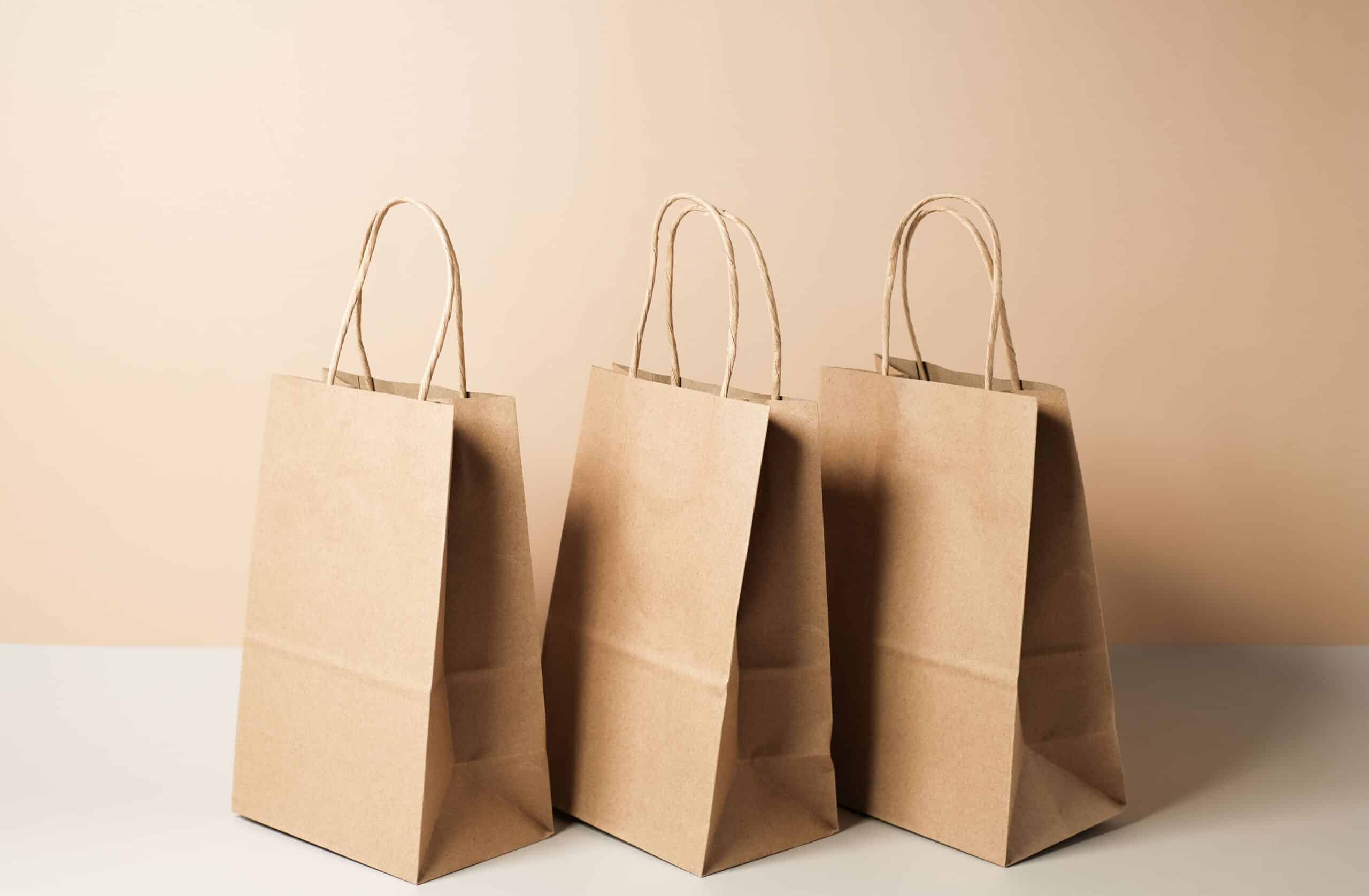
7+ Top paper bags manufacturers
Wonnda works with the best paper bags manufacturers. Here is a list of trusted suppliers from our network.
- Featured

Etiteks
4.8Private LabelContract ManufacturingTurkey-based manufacturer producing woven labels (brand labels, logo labels, size labels), printed care labels (wash instruction labels, composition labels), swing tags (hang tags, price tags, brand tags), available to brands sourcing paper bags.
- Country
- Turkey
- MOQ
- Project-dependent; high-volume capacity across all product lines
- Lead time
- Featured
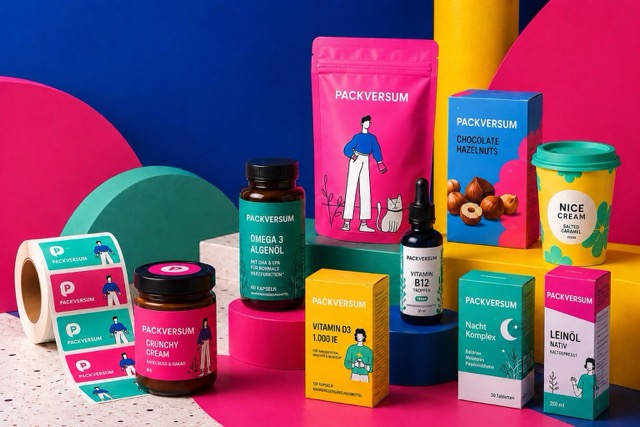 Packaging
Top German packaging supplier for primary packaging, secondary packagin, labels and flexible formats
- Country
- 88299 Leutkirch im Allgäu
- MOQ
- Starting at only 1 unit
- Lead time
- 5-15 days
 Private LabelContract Manufacturing
Türkiye-based manufacturer producing printed paper boxes, luxury rigid boxes, printed tissue papers, available to brands sourcing paper bags.
- Country
- Türkiye
- MOQ
- Lead time
 Private LabelContract Manufacturing
Germany-based manufacturer producing custom mailer boxes, corrugated shipping boxes, kraft two-piece gift boxes, available to brands sourcing paper bags.
- Country
- Germany
- MOQ
- Lead time
 Private LabelContract Manufacturing
Germany-based manufacturer producing guarana powder, acai powder, acerola powder, available to brands sourcing paper bags.
- Country
- Germany
- MOQ
- Lead time
 Private LabelContract Manufacturing
Germany-based manufacturer producing wet wipes, shampoos, liquid formulations, available to brands sourcing paper bags.
- Country
- Germany
- MOQ
- Lead time
 Private LabelContract Manufacturing
Spain-based manufacturer producing personalized water cartons (goddess of water), custom cookies and snacks packaging, paper cups for events, available to brands sourcing paper bags.
- Country
- Spain
- MOQ
- Lead time
Compare MOQs and lead times
Quick side-by-side of the shortlist. Missing values shown as a dash.
| Supplier | Location | Types | MOQ | Lead time |
|---|---|---|---|---|
| Etiteks | Turkey | PL · CM | Project-dependent; high-volume capacity across all product lines | |
| Packversum | 88299 Leutkirch im Allgäu | Packaging | Starting at only 1 unit | 5-15 days |
| PERA LABEL & PACKAGING | Türkiye | PL · CM | ||
| Packhelp | Germany | PL · CM | ||
| Amazonas Products | Germany | PL · CM | ||
| Unopack | Germany | PL · CM | ||
| The Brand Company, S.L. | Spain | PL · CM |
Buyer criteria
- Construction matched to load and use
Match the bag construction to its job: SOS flat-bottom for standing food bags, block-bottom for dry goods, reinforced carriers for heavy retail loads. Confirm the load rating, because a bag that cannot carry its intended contents fails at the bottom or handle, which is the most visible and damaging defect for a brand.
- Handle strength and attachment
For carrier bags, handle pull strength is the key performance metric. Confirm the handle type (twisted rope, flat paper, die-cut) and its tested attachment strength under the expected load. Ask for pull-test data, since a handle that tears off in use is the failure customers remember and blame on the brand.
- Food-contact and grease resistance
For food bags, confirm the paper and any coating meet food-contact regulations and provide the grease or moisture resistance the product needs. Request the food-contact declaration, because uncoated paper soaks through with oily food and a non-compliant coating is a regulatory and safety problem for edible contents.
- FSC and recycled content for claims
If you market the bag as sustainable, confirm FSC certification, recycled content, and whether it is recyclable or home-compostable, with documentation. Coatings and laminates can break recyclability, so verify the claim holds. Sustainability is central to paper bags, and an unsubstantiated claim is a reputational and compliance risk.
- Print quality and registration
Assess print resolution, color accuracy and registration on samples in your chosen process. Flexo, offset and digital differ in quality and economics by run size. Confirm the color count and coverage are within quote, since heavy ink coverage and tight registration on kraft can be inconsistent if the converter lacks the right press.
Red flags
- No handle pull-test data
A carrier-bag supplier that cannot provide handle pull-strength data is hiding the bag's most common failure point. Handles that tear under load destroy the customer experience and reflect on your brand. Insist on tested handle strength for the intended load before approving any carrier bag.
- Food bags without compliance declaration
Supplying food bags without a food-contact declaration and grease resistance suited to the product is a regulatory and safety failure. Uncoated paper that soaks through, or a non-compliant coating, is unacceptable for edible contents, so missing documentation here is disqualifying for any food use.
- Sustainability claims without proof
Recyclable, compostable or recycled-content claims with no FSC certificate or documentation, especially on coated or laminated bags, are greenwashing risks. Coatings often break recyclability, so a supplier asserting eco claims without evidence is exposing you to challenge from retail and regulators.
- Weak bottom or seam gluing
Visible glue gaps or a weak base indicate poor converting control, and the bottom is where a loaded bag fails first. Test filled samples to the intended load, because a bag that splits at the seam or base in use is the defect customers notice immediately.
Manufacturing process
- 01
Paper selection and slitting
Kraft or coated paper of the chosen weight is selected and slit to the required web width. Paper grade and grammage set the bag's strength and feel. Recycled or FSC-certified stock is specified here for sustainability claims, and barrier-coated paper is chosen for food and grease resistance.
- 02
Printing
The web is printed by flexographic, offset or digital print depending on run size and quality. Flexo suits long runs, digital suits short custom runs and variable designs. Color count and coverage drive cost, and print is applied before the bag is formed so registration with the finished bag shape is controlled.
- 03
Tube or body forming and gluing
The printed web is formed into a tube and side-glued, then the bottom is formed into the chosen construction (SOS flat-bottom, pinch, block-bottom). The construction defines the machine and the bag's standing and load behavior. Glue quality determines seam and bottom strength under load.
- 04
Bottom forming and reinforcement
The base is folded and glued, with a reinforcing patch added for heavier carrier bags. A strong, square bottom lets the bag stand and carry weight. Food bags may receive a grease-resistant base. This step largely determines the bag's load capacity and failure point.
- 05
Handle application
Handles are applied where required: twisted or flat paper rope handles glued or patched on for carriers, or die-cut handles for some styles. Handle attachment strength is critical for carrier bags, since the handle and its anchor are the most common failure point under load.
- 06
Finishing, inspection and packing
Bags are counted, inspected for print quality, glue integrity and handle strength, then bundled and packed flat for shipping. Load and handle pull testing verify the bag performs. Bags ship flat-packed for efficient transport and are formed or opened at point of use.
Understanding paper bags private-label manufacturing
Paper Bag Construction and Materials
Paper bags are converting products, made from rolls or sheets of kraft or coated paper. These are printed, glued, and then formed into bags on high-speed machines. The specific construction of the bag dictates both the machinery used and its ultimate application.
Available constructions include flat-bottom SOS, pinch-bottom, twisted or flat handle carrier, and block-bottom designs. Common paper materials include kraft (brown or bleached white) for general use, and coated or laminated papers for enhanced grease or moisture resistance, especially for food contact.
Applications and Customization
Retail carrier bags with twisted or flat paper handles are ideal for shops and boutiques. SOS flat-bottom bags are suitable for takeaway food and groceries. Block-bottom bags with valves are designed for coffee and dry goods, while small flat and satchel bags serve bakery and confectionery items.
Brand founders need to consider several factors during the sourcing process. These include paper grade and weight, bag construction, handle type, printing specifications, and any necessary food-contact or grease-resistant requirements. These decisions determine the appropriate converter and minimum order quantities.
MOQs, Lead Times, and Geographic Production
Production facilities for the European market are widely distributed across Germany, Poland, Italy, and Eastern Europe. Converters range from large industrial lines producing millions of stock bags to smaller custom printers handling shorter, branded runs with faster turnarounds.
Minimum Order Quantities (MOQs) vary significantly. Stock unprinted bags can be shipped in small quantities. Custom-printed flexo bags typically start from 5,000 to 10,000 units, with digital print runs offering lower MOQs due to the absence of printing plates.
Lead times generally range from 3 to 8 weeks. These can extend if a custom size requires machine setup or if a barrier coating is specified.
Cost Drivers and Sustainability Considerations
Key cost drivers include paper weight and grade, as heavier and coated papers are more expensive. Bag construction and handle type also influence cost; for instance, glued flat handles are more economical than twisted rope handles, which involve an additional manufacturing step.
Printing costs depend on the number of colors and coverage. Barrier coatings or windows also add to the overall expense. Plate and setup charges significantly impact smaller runs, leading to a sharp decrease in unit price as quantity increases.
Sustainability is a central concern in the paper bag category. Recycled content, FSC certification, and claims of recyclability or home-compostability are crucial selling points. These environmental claims must be substantiated with documentation, as buyers and regulators increasingly challenge unproven assertions. A nuanced aspect of the category involves the balance between barrier coatings for performance and maintaining recyclability, requiring careful selection of converters.
Frequently asked questions
Which paper bag construction do I need for my product?+
Do paper food bags need a special coating?+
What MOQ applies to custom-printed paper bags?+
How are paper bag handles attached and how strong are they?+
Can I make a recyclable or compostable claim on my paper bags?+
What lead time should I plan for branded paper bags?+
Explore adjacent product types
Get a vetted shortlist of paper bags suppliers in 48 hours.
Post a brief on Wonnda. Free, no commitment. We match you with vetted manufacturers that fit your MOQ, format and market.