
Best private label lash serum manufacturers
Wonnda connects brands with private label lash serum manufacturers. These products are typically applied as a thin liquid or gel along the lash line using a fine brush applicator. Brands often seek formulations with conditioning peptides, panthenol, biotin, and botanical actives to promote the appearance of longer, fuller lashes. Given the regulatory landscape, sourcing reliable manufacturers for private label lash serum requires careful consideration of active ingredients and supporting claims, as prostaglandin-analog ingredients have known restrictions. Ensuring eye-area safety testing and compliant claims is a key aspect of development in this category.
- Vetted suppliers
- 20,000+
- Brands & buyers
- 25,000+
- EU-made
- 80%
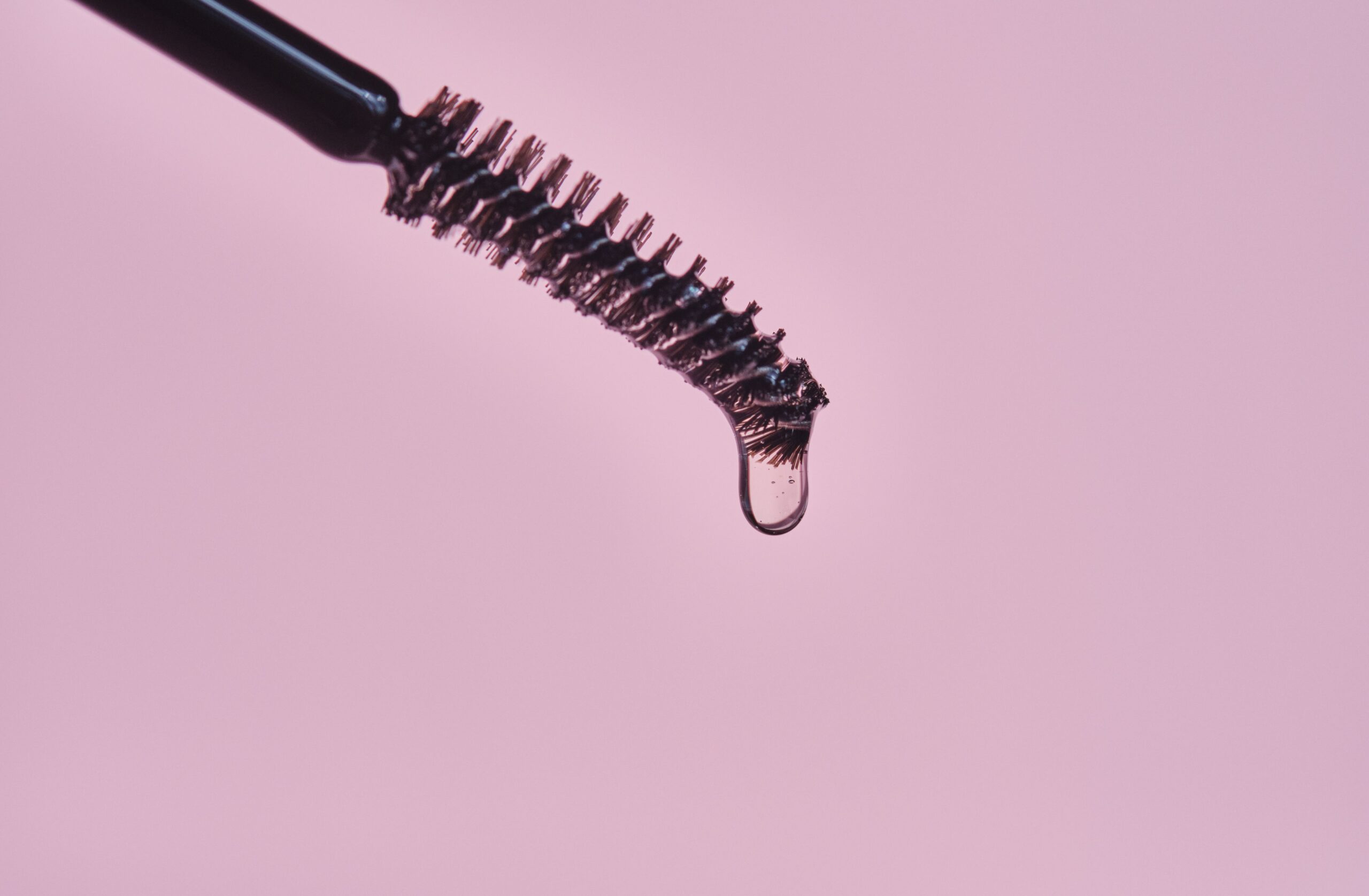
6+ Top private label lash serum manufacturers
Wonnda works with the best private label lash serum manufacturers. Here is a list of trusted suppliers from our network.
- Featured
Tsilkov
4.7Private LabelContract ManufacturingBulgaria-based manufacturer producing face sheet masks, tattoo aftercare creams, intimate skincare products, available to brands sourcing lash serum.
- Country
- Bulgaria
- MOQ
- Lead time
 Private LabelContract Manufacturing
Europe-based manufacturer producing deterpal lfm detergent, optichem f33/co powder, intense cel block indigo blocker, available to brands sourcing lash serum.
- Country
- -
- MOQ
- Lead time
 Private LabelContract Manufacturing
Europe-based manufacturer producing cosmetics creams, lotions, essential oils, available to brands sourcing lash serum.
- Country
- -
- MOQ
- Lead time
 Private LabelContract Manufacturing
Europe-based manufacturer producing lash lift curling lotions, lash lift fixing lotions, lash lift perming lotions, available to brands sourcing lash serum.
- Country
- -
- MOQ
- Lead time
 Private LabelContract Manufacturing
Germany-based manufacturer producing body wash, intensive moisturizing treatments, private label cosmetics, available to brands sourcing lash serum.
- Country
- Germany
- MOQ
- Lead time
 Private LabelContract Manufacturing
Europe-based manufacturer producing face makeup products, eye makeup products, lip products, available to brands sourcing lash serum.
- Country
- -
- MOQ
- Lead time
Compare MOQs and lead times
Quick side-by-side of the shortlist. Missing values shown as a dash.
| Supplier | Location | Types | MOQ | Lead time |
|---|---|---|---|---|
| Tsilkov | Bulgaria | PL · CM | ||
| 39Italia | - | PL · CM | ||
| Bo International | - | PL · CM | ||
| Lami Super Booster | - | PL · CM | ||
| Atinacosmetics GmbH | Germany | PL · CM | ||
| SBLC | - | PL · CM |
Buyer criteria
- Active substantiation
Confirm the peptide or conditioning active complex has evidence supporting the appearance and condition claims you intend to print, rather than a vague promise. Ask what supports each claim. A lash serum is bought on a results story, so an active system with no substantiation behind the claim is both a regulatory exposure and a product that will disappoint and generate returns.
- Compliant claim wording
Verify the manufacturer keeps claims within cosmetic bounds and does not reach for drug-like growth promises that require a different classification. Confirm how the claims are worded against the evidence. A growth claim a cosmetic cannot legally support is the central compliance risk here, and a manufacturer casual about claim wording is a serious liability.
- Eye-area safety testing
Because the serum is applied at the lash line, insist on the eye-area safety assessment and, ideally, ophthalmologist or sensitivity testing. Ask to see the testing behind any well-tolerated claim. Irritation potential matters far more here than for a face product, so a manufacturer who treats this like ordinary skincare safety is underestimating the risk.
- Restricted ingredient screening
Confirm the formula does not rely on restricted prostaglandin-analog actives that carry side effects and regulatory limits. Ask for the full active disclosure. The strongest historical lash results came from these restricted ingredients, so a serum promising dramatic growth cheaply may be hiding one, which is a safety and legal exposure you must screen out.
- Peptide stability and preservation
Peptides can degrade and an eye-area product must resist contamination, so verify peptide stability across shelf life and a gentle, challenge-tested preservative system. Ask for stability and preservative data. An eye serum that loses its actives or grows microbes is both ineffective and a real infection risk at the sensitive eye margin.
Red flags
- Drug-like growth claims on a cosmetic
If a manufacturer is willing to print true lash-growth claims on a product notified as a cosmetic, they are inviting a serious classification and legal problem. Growth claims edge toward drug status, so a casual attitude to claim wording is disqualifying in this category regardless of how attractive the results story sounds.
- Hidden restricted actives
If a serum promises dramatic growth at a low cost, it may rely on a restricted prostaglandin-analog ingredient with known side effects. A manufacturer who will not fully disclose the active system, or who is vague about how the results are achieved, is a safety and regulatory risk you cannot accept on an eye product.
- No eye-area safety testing
If the manufacturer cannot show eye-area safety and sensitivity testing, you cannot defend the product's tolerability at the lash line, where irritation risk is high. Missing this testing on an eye-margin product is a clear warning that the safety work behind the formula is inadequate.
- No peptide stability data
If there is no stability data confirming the peptide actives survive across shelf life, the serum may be inert by the time it reaches the customer. A manufacturer who assigns shelf life without active-stability backing on a peptide product is guessing, which on a results-driven serum means selling an ineffective product.
Manufacturing process
- 01
Active complex and claim design
The active system, usually peptides with conditioning actives like panthenol and biotin, is selected against the appearance and condition claim the brand can legally make. Restricted prostaglandin-analog actives are avoided in a cosmetic. The active and the claim are decided together, since the claim must match what the formula and evidence support.
- 02
Base formulation for the eye area
A thin, low-irritation water or gel base is built to carry the actives along the lash line, deliberately fragrance-free and gentle given the sensitive eye margin. The base is designed to spread cleanly from a fine applicator without running into the eye. Ingredient choices prioritize tolerability over sensory richness.
- 03
Compounding and active addition
The base is compounded and the peptide and conditioning actives are added under controlled conditions that protect their stability, since peptides can be sensitive to pH and temperature. Order and conditions are controlled so the actives remain intact. The blend is checked for clarity and active content against the specification.
- 04
Preservation and pH control
A gentle but effective preservative system suited to the eye area is built in and pH is set to a tolerable, active-stable range. Preservation is critical because an eye-area product carries real infection risk if contaminated. The preservative is challenge-tested and chosen for low irritation potential.
- 05
Safety and sensitivity testing
The serum undergoes the eye-area safety assessment, often including ophthalmologist or sensitivity testing, because the product is applied at the lash line. This testing supports both safety and the tolerability claims. Results feed the cosmetic safety report, which is more demanding here than for most cosmetics.
- 06
Quality control and stability
The batch is tested for active content, pH, clarity, microbiological limits, and preservative efficacy, with stability data confirming the actives hold across shelf life. Peptide stability is specifically verified. Per-batch results document that the serum meets its specification and supports its claims.
- 07
Filling, applicator, and lot coding
The serum is filled into small bottles fitted with the fine applicator brush, sealed, labelled with ingredients, usage and caution guidance, and lot code with expiry or period-after-opening, consistent with the CPNP notification. Claims are matched to the safety dossier. Traceability links finished units back to the active and base lots.
Understanding lash serum private-label manufacturing
Product Overview
Lash serum is a thin liquid or gel applied along the lash line with a fine applicator brush to condition lashes. Many products promote the appearance of longer, fuller lashes through conditioning peptides, panthenol, biotin, and botanical actives. The primary sourcing issue in this category is the active ingredients and the claims made.
Historically, the strongest lash-growth results came from prostaglandin-analog ingredients, which carry known side effects and regulatory restrictions. Today, credible private-label lash serums are typically built on peptides and conditioning actives with carefully worded claims to avoid drug-like growth promises. In the EU, it is classified as a cosmetic requiring CPNP notification and a robust safety assessment due to the sensitive eye area.
Formulation and Testing
Key sourcing decisions involve the active complex, claim wording, and the applicator. Peptide complexes and conditioning actives like panthenol and biotin support appearance and condition claims within cosmetic bounds. Products aiming for true growth claims risk drug classification and associated safety and legal exposure.
Since the serum is used on the eyelid margin, irritation potential and ophthalmologist or sensitivity testing are critical, often more so than for a face serum. Fragrance is typically avoided. The applicator, usually a fine angled or felt-tip brush, is integral to the product for precise application, which impacts both efficacy perception and safety.
Manufacturing and Logistics
Manufacturing is concentrated in EU cosmetic contract manufacturers in Germany, Italy, France, and the UK that specialize in eye-area products and safety testing. Korean manufacturers are also strong in this active-led category.
MOQs are moderate for a specialty serum. Expect 1,000 to 5,000 units per SKU for a custom formula, with peptide active costs influencing the minimum. Stock-base relabels may be available at lower MOQs. Lead times are 8 to 14 weeks for a first custom run, including CPNP work and the necessary eye-area safety and sensitivity testing.
Cost and Differentiation
Cost is primarily driven by the active complex, with branded peptide systems and specialty actives dominating formula costs. Other cost factors include the small but specialized applicator and primary packaging, safety and sensitivity testing, and filling. The small fill volume means actives and packaging costs outweigh the base.
Private-label lash-serum buyers include D2C beauty and lash-focused brands, lash and brow salon brands, and retailer eye-care ranges. These products often sell at a premium based on active ingredients and results. Differentiation relies on the active complex, the credibility of claims and testing, and the applicator.
Qualifying a manufacturer based on active substantiation, eye-area safety testing, and claim compliance is more important than unit price. This is because a lash serum that irritates the eye, uses restricted ingredients, or makes unsubstantiated growth claims is a safety and regulatory failure, not just a cosmetic shortfall.
Frequently asked questions
Can a private-label lash serum claim it grows lashes?+
Why is eye-area safety testing so important for lash serum?+
What actives go into a compliant lash serum?+
What MOQ and lead time apply to private-label lash serum?+
How do I know the serum will still work by the time it sells?+
Why does the applicator matter on a lash serum?+
Explore adjacent product types
Get a vetted shortlist of lash serum suppliers in 48 hours.
Post a brief on Wonnda. Free, no commitment. We match you with vetted manufacturers that fit your MOQ, format and market.