
Best private label immunity gummies manufacturers
Shortlist private label immunity gummies suppliers on Wonnda. Immunity gummies come in various flavor profiles, often incorporating ingredients like elderberry, zinc, and a range of vitamins. Key sourcing considerations include the precise formulation for active ingredient stability and taste masking, especially for potent extracts. Suppliers must also demonstrate an understanding of relevant regulatory guidelines for health claims associated with immune support products.
- Vetted suppliers
- 20,000+
- Brands & buyers
- 25,000+
- EU-made
- 80%
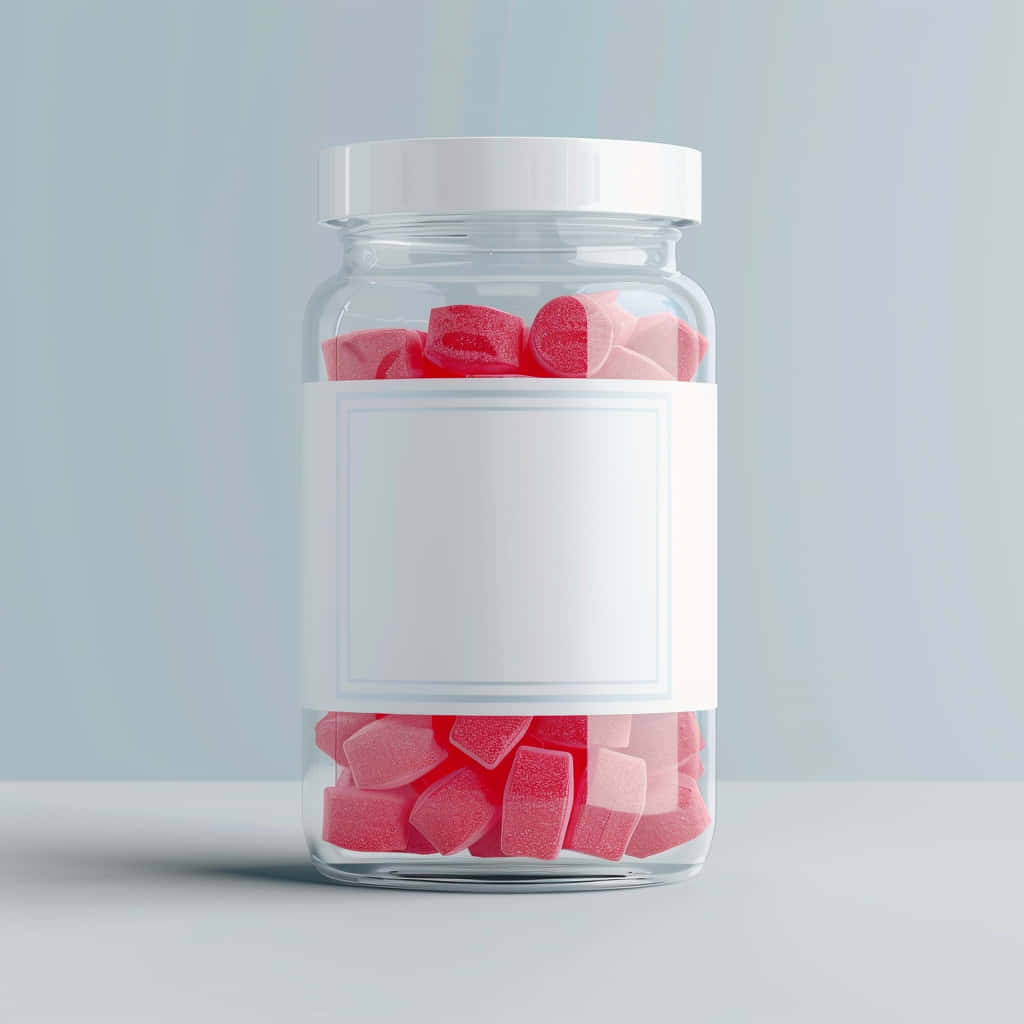
8+ Top private label immunity gummies manufacturers
Wonnda works with the best private label immunity gummies manufacturers. Here is a list of trusted suppliers from our network.
 Private LabelContract Manufacturing
Elevate Your Brand with Tailored Premium Product Solutions
- Country
- USA
- MOQ
- Lead time
 Private LabelContract Manufacturing
USA-based manufacturer producing capsules, tablets, powders, available to brands sourcing immunity gummies.
- Country
- USA
- MOQ
- Lead time
 Private LabelContract Manufacturing
The leading gummy private label manufacturer located in Germany
- Country
- -
- MOQ
- Lead time
 Private LabelContract Manufacturing
Leading Manufacturer of Plant-Based Dietary Supplements for Humans and Pets
- Country
- France
- MOQ
- Lead time
British VitaTech (BVT Labs Ltd.) specializes in private label and contract manufacturing of pouch-based products. Trusted by FMCG brands for certified, scalable production solutions.
- Country
- United Kingdom
- MOQ
- Lead time
 Private LabelContract Manufacturing
Organ-Based Private Label Supplements
- Country
- USA
- MOQ
- Lead time
 Private LabelContract Manufacturing
Expert Contract Manufacturing for Food and Feed Supplements
- Country
- Slovenia
- MOQ
- Lead time
 Private LabelContract Manufacturing
Mushroom Supplement Manufacturing for Private Label Brands
- Country
- -
- MOQ
- Lead time
Compare MOQs and lead times
Quick side-by-side of the shortlist. Missing values shown as a dash.
| Supplier | Location | Types | MOQ | Lead time |
|---|---|---|---|---|
| GP Labs | USA | PL · CM | ||
| Superior Supplement Manufacturing | USA | PL · CM | ||
| Amapharm GmbH | - | PL · CM | ||
| FLORALPINA SAS | France | PL · CM | ||
| British VitaTech (BVT Labs Ltd.) | United Kingdom | - | ||
| SMP Nutra | USA | PL · CM | ||
| Private Vitamin | Slovenia | PL · CM | ||
| Supplement Factory UK | - | PL · CM |
Buyer criteria
- Zinc masking and taste
Zinc is metallic and astringent, so confirm the manufacturer can mask it into a clean, pleasant gummy, which is harder than masking a sweet single vitamin. Taste production-representative samples and check for a metallic aftertaste. An immune gummy often aimed at families that tastes of zinc will not be taken daily, so zinc masking is a core qualification for this specific formula.
- Elderberry grade and color stability
Standardized elderberry extract gives consistent active content and color, while cheap juice concentrate varies and can fade. Confirm the elderberry grade and that its natural color holds through cooking and shelf life. Ask for the active specification. A faded or inconsistent elderberry gummy looks low quality and may under-deliver the botanical the immune story leans on.
- EU-permitted immune claims
Only certain immune claims are authorized in the EU, typically tied to nutrients like vitamin C, D, and zinc, so confirm your claims are defensible and that botanical claims for elderberry or echinacea are handled within the rules. A manufacturer experienced in immune gummies should align the formula and claims. Overreaching on immune messaging is a regulatory risk in a scrutinized seasonal category.
- Meaningful nutrient levels with overage
The immune nutrients must be present at meaningful, claim-supporting levels and survive to expiry, so confirm the doses are real and backed by an overage with stability data. Ask for the per-gummy amount of each nutrient. An immunity gummy that doses vitamin C or zinc too low to support its claims, or that fades below claim by expiry, undermines the defense promise.
- Family and children suitability
Immunity gummies often target families and children, so consider sugar content, age-appropriate nutrient levels, and safe packaging. Confirm whether the manufacturer offers a genuine children's version rather than a relabeled adult gummy. For children, sugar profile and dosing matter, so match the formula and packaging to the audience you are selling the immune story to.
Red flags
- Metallic zinc taste in samples
If production-representative samples taste metallic or astringent, the zinc masking has failed, and an immune gummy aimed at daily family use needs a clean taste. A persistent zinc note signals a manufacturer without the masking capability this formula demands, and it will suppress the repeat use that seasonal immune products rely on.
- Cheap elderberry or fading color
Elderberry supplied as low-grade juice concentrate rather than standardized extract gives inconsistent active content and a color that can fade during cooking or over shelf life. If the manufacturer cannot specify the elderberry grade or show color stability, the botanical the immune story leans on is unreliable and the gummy may look faded on shelf.
- Overreaching immune claims
Marketing that promises to boost immunity or prevent illness without aligning to EU-authorized claims invites enforcement, since immune claims are tightly governed. A manufacturer that does not flag claim compliance for the nutrients and botanicals is leaving a regulatory risk on you, which is a warning in a seasonal category that attracts scrutiny.
- Token nutrient doses
If vitamin C, D, or zinc are dosed too low to support the immune claims, or no overage protects them to expiry, the gummy underdelivers on the defense story it is sold on. A manufacturer that cannot show meaningful, claim-aligned doses backed by stability is shipping an immune gummy that is immune in name more than in nutrient content.
Manufacturing process
- 01
Immune ingredient and claim alignment
The hero ingredients, vitamin C, D, zinc, elderberry, echinacea, are selected and matched to the immune claims permitted in the EU, since only certain nutrient claims are authorized. The formula and the claim wording are aligned at the start, because a botanical-led claim for elderberry or echinacea must be handled within the rules rather than asserted freely.
- 02
Zinc form and masking strategy
A zinc form is chosen to balance bioavailability and taste, since zinc is metallic and astringent, and the masking strategy is designed around it. The flavor system is planned to cover the zinc note, which is harder than for a single sweet vitamin. This taste challenge is specific to immune gummies built around zinc.
- 03
Elderberry grade and overage design
Standardized elderberry extract is specified over cheap juice concentrate for consistent active content and color, and an overage is set for vitamin C and other nutrients that degrade in the matrix. The formula targets meaningful nutrient levels backed by stability data, so the immune claims hold at expiry rather than fading partway through shelf life.
- 04
Cooking and color management
The base, sweeteners, and water are cooked, then nutrients, elderberry, flavors, and acids are added at controlled temperature. Elderberry's natural color and the acidic vitamin C are managed so the gummy holds its expected appearance, since elderberry color can shift with pH and heat. Color stability is designed in, not assumed.
- 05
Depositing into molds
The slurry is deposited into molds by volume so each gummy carries the intended nutrient load. Deposit accuracy controls the dose of vitamin C, D, zinc, and elderberry per gummy. Mold cavity size matches the serving and payload, with the immune nutrient doses set to defensible, claim-aligned levels.
- 06
Curing and finishing
Gummies cure to final texture and moisture, then are demolded and finished with an anti-stick coating. Curing time depends on the base. The finish controls clumping. The cured color is checked against the target, since a faded or off-color immune gummy reads as low quality to parents and other buyers.
- 07
Quality control and packaging
QC tests the key immune nutrients against claim, microbiological limits, moisture, color, and texture, with heavy metals for the botanicals. Stability supports the shelf life and overage and the color hold. Gummies are packed in moisture-controlled bottles with desiccant. Lot codes trace finished units back to the production batch.
Understanding immunity gummies private-label manufacturing
Formulation Challenges
Immunity gummies deliver immune-support ingredients such as vitamin C, vitamin D, zinc, elderberry, and echinacea in a chewable, flavored gummy. For private label brands, the immunity gummy is a functional gummy with specific formulation challenges. The hero ingredients, particularly zinc and elderberry, carry strong tastes and stability quirks that the gummy must accommodate.
Key constraints include zinc taste, elderberry stability and color, and EFSA-permitted claims. Zinc has a metallic, astringent note that requires masking. Elderberry contributes flavor and a natural color that can shift during cooking and over shelf life. Vitamin C is acidic and abundant but degrades, so it needs an overage.
Regulatory and Claims
The recipe and the regulatory wording for immunity gummies have to be developed together. The immune claims are tightly governed in the EU. Only certain immune claims are authorized, typically tied to nutrients like vitamin C, D, and zinc contributing to normal immune function.
Botanical-led claims for elderberry or echinacea must be handled carefully. A good manufacturer aligns the formula with defendable claims. An immunity gummy that overreaches on claims fails the regulatory test.
Sourcing and Logistics
Sourcing for immunity gummies concentrates with gummy specialists running depositing and curing lines. Manufacturers are typically located in:
- Germany
- Spain
- Italy
- The Netherlands
- Poland
Minimum Order Quantities (MOQs) are typically 10,000 to 30,000 units or more. Lead times range from 8 to 14 weeks.
Cost Drivers and Quality Considerations
The primary cost drivers, in order, are:
- Actives, especially standardized elderberry extract
- The base and sweetener
- The flavor and natural-color system
- Depositing and packaging
Elderberry in particular can be a meaningful cost and a quality variable. Standardized extract differs greatly from cheap juice concentrate in active content and color stability. Qualifying a partner on zinc masking, elderberry grade and color stability, and EU claim compliance matters more than the per-gummy price.
Comparing formats first? See the full overview of private label gummy manufacturers for MOQ, gelling systems and EU requirements across every gummy format.
Frequently asked questions
Which ingredients actually support an immune claim in the EU?+
Why is zinc tricky to put in a gummy?+
What is the difference between standardized elderberry extract and juice concentrate?+
Can I make a children's immunity gummy?+
What MOQ and lead time should I expect for immunity gummies?+
How do I keep the immune nutrients on claim until expiry?+
Explore adjacent product types
Get a vetted shortlist of immunity gummies suppliers in 48 hours.
Post a brief on Wonnda. Free, no commitment. We match you with vetted manufacturers that fit your MOQ, format and market.