
Work With Leading Private Label Vitamin Gummies Manufacturers
Find vetted private label vitamin gummies manufacturers on Wonnda. Sourcing involves choosing between gelatin and pectin bases, each with distinct texture and ingredient compatibility. Key considerations include managing active ingredient stability through the manufacturing process, especially when heat-sensitive compounds are involved, and formulating for either sugar-inclusive or sugar-free options. The confectionery-style production dictates the types of inclusions and coatings possible, influencing both the final product's efficacy and shelf life.
- Vitamin gummies market — vitamin-gummy-specific scope, 12.4% CAGR to 2034
- 8.3 billion USD
- Gummy supplements market — broader gummy-supplement scope, 12.96% CAGR to 2032
- 10.45 billion USD
- Gummy vitamin market — 9.86% CAGR to about 15.06 billion USD by 2030
- 9.41 billion USD
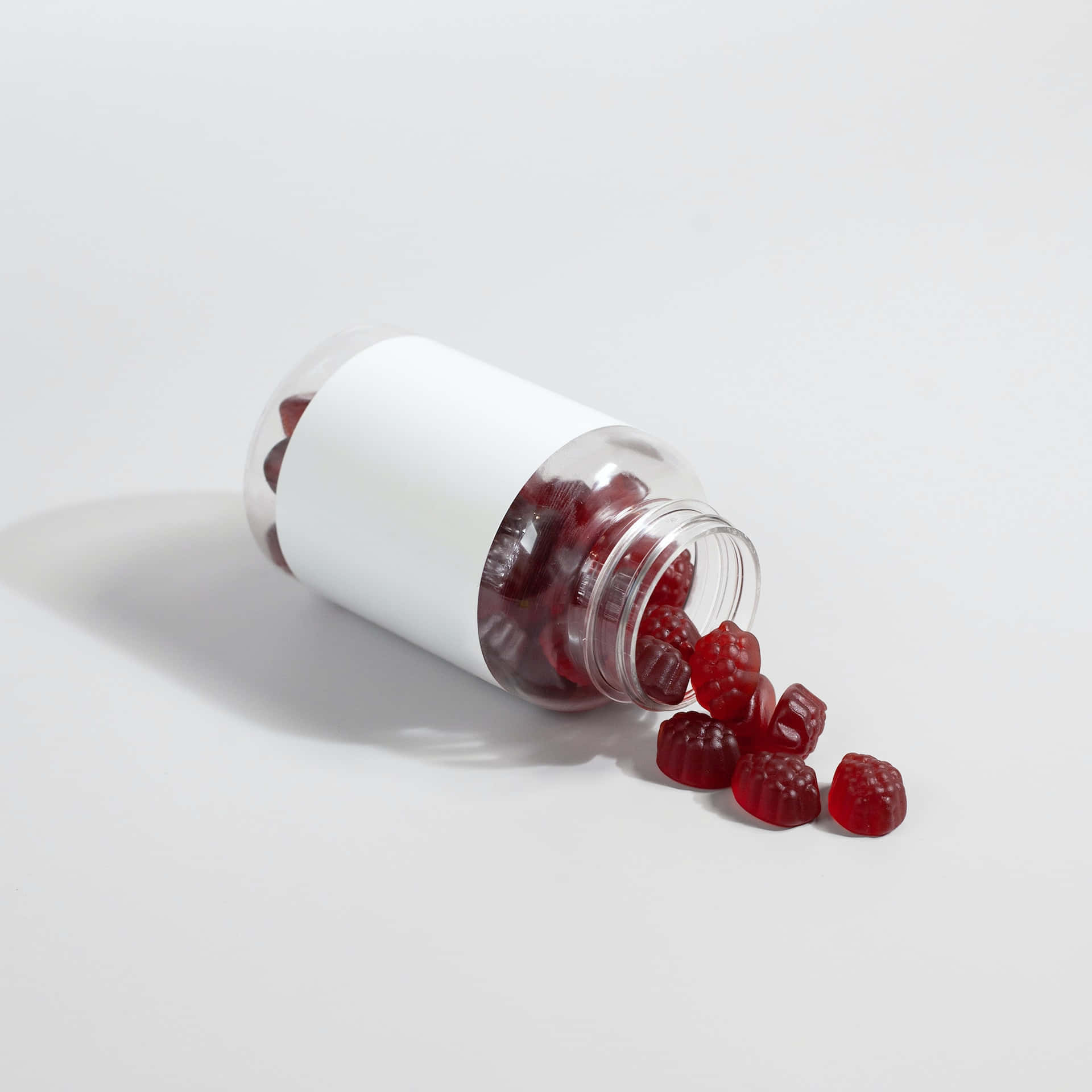
10+ Top private label vitamin gummies manufacturers
Wonnda works with the best private label vitamin gummies manufacturers. Here is a list of trusted suppliers from our network.
- Featured
Activ'Inside
4.7Private LabelContract ManufacturingRevolutionizing the Nutraceutical Industry
- Country
- France
- MOQ
- 1000 units
- Lead time
- 8 weeks
- Featured
 Private LabelContract Manufacturing
Leading US-based contract and private label supplement manufacturer specializing in full-service nutraceutical production
- Country
- USA
- MOQ
- Lead time
- Featured

ANilab
4.9Private LabelContract ManufacturingEuropean Private Label Manufacturer of Mushroom Coffee, Adaptogen Beverages & Natural Supplements
- Country
- Slovakia
- MOQ
- 500 units
- Lead time
- On request
- Featured
 Private LabelContract Manufacturing
Expert Contract Manufacturing for Food and Feed Supplements
- Country
- Slovenia
- MOQ
- Lead time
 Private LabelContract Manufacturing
The leading gummy private label manufacturer located in Germany
- Country
- -
- MOQ
- Lead time
 Private LabelContract Manufacturing
Your Partner in Private Label Confectionery
- Country
- Netherlands
- MOQ
- Lead time
British VitaTech (BVT Labs Ltd.) specializes in private label and contract manufacturing of pouch-based products. Trusted by FMCG brands for certified, scalable production solutions.
- Country
- United Kingdom
- MOQ
- Lead time
 Private LabelContract Manufacturing
Mushroom Supplement Manufacturing for Private Label Brands
- Country
- -
- MOQ
- Lead time
 Private LabelContract Manufacturing
Organ-Based Private Label Supplements
- Country
- USA
- MOQ
- Lead time
 Private LabelContract Manufacturing
Grass-Fed Beef Liver With Multivitamins
- Country
- USA
- MOQ
- Lead time
Compare MOQs and lead times
Quick side-by-side of the shortlist. Missing values shown as a dash.
| Supplier | Location | Types | MOQ | Lead time |
|---|---|---|---|---|
| Activ'Inside | France | PL · CM | 1000 units | 8 weeks |
| Superior Supplement Manufacturing | USA | PL · CM | ||
| ANilab | Slovakia | PL · CM | 500 units | On request |
| Private Vitamin | Slovenia | PL · CM | ||
| Amapharm GmbH | - | PL · CM | ||
| Smith & Sinclair B.V. | Netherlands | PL · CM | ||
| British VitaTech (BVT Labs Ltd.) | United Kingdom | - | ||
| Supplement Factory UK | - | PL · CM | ||
| SMP Nutra | USA | PL · CM | ||
| Makers Nutrition | USA | PL · CM |
Buyer criteria
- Gelling-system capability for your positioning
Confirm the manufacturer runs the exact gelling system you need at scale, since gelatin and pectin behave differently and pectin in particular is harder to make consistent. A gelatin-focused house quoting pectin may struggle with texture and set. If you need a vegan pectin gummy, verify genuine pectin capability with consistent results, not just a willingness to try, and request samples of the actual system and texture you intend to sell before committing.
- Overage strategy for heat-sensitive actives
Gummies are cooked, so heat-sensitive vitamins like C and some B vitamins degrade during production and over shelf life, and the manufacturer must build measured overages so the label dose holds to expiry. Ask what overage they apply per active and whether it is backed by stability data and verified by finished-product assay. A gummy formula built to exactly the label dose with no overage will test below claim, since cooking alone removes a portion of the sensitive actives.
- Texture consistency and drying control
Texture is central to a gummy's appeal and is hard to keep consistent, since curing and drying are sensitive to humidity and differ by gelling system. Confirm the manufacturer controls the drying environment and holds texture batch to batch, and test production-representative gummies for the right chew, not too sticky or too hard. Inconsistent or sticky gummies that clump in the bottle are a chronic complaint that a spec sheet will not reveal.
- Honest dosing within the format limits
Gummies cap how much active fits per piece by taste, size and matrix capacity, so verify the per-serving dose is meaningful and the serving size, often two gummies, is realistic rather than hiding a low dose. Ask for the actual dose per gummy and per serving. A gummy that under-delivers because the format limited it, or because the brand minimized cost, fails customers who expected a capsule-equivalent dose, so dosing honesty within the constraints matters.
- Sugar-free formulation and laxative-warning handling
If you go sugar-free, confirm the manufacturer formulates competently with sugar alcohols like maltitol or isomalt, which change texture and shelf life and can cause digestive effects, and that the label carries any required laxative-effect warning at high intake. Ask how they manage the texture trade-offs of sugar-free. A house that cannot run sugar-free well, or omits the warning, exposes you to a poor product and a compliance gap in a popular gummy segment.
- Stability data for the gummy format specifically
Request stability data for your actives in the gummy matrix, not borrowed from a capsule, since gummies are harder on actives because of cooking, moisture and the sugar or polyol base. The least stable active sets the real shelf life. A manufacturer that assigns shelf life without gummy-specific stability data is guessing, and the product may fall below claim before expiry, which in a heat-degraded format is a real and common risk.
- Allergen, vegan and clean-label control
Gummy positioning often hinges on vegan, gelatin-free, natural-color or allergen-friendly claims, so confirm the manufacturer can deliver and control them, including avoiding starch-mogul cross-contact if needed and using natural colors and flavors. Verify the gelling source and any allergen risks. A house locked into gelatin and artificial colors cannot serve a clean-label vegan gummy positioning, so confirm the specific clean-label capability matches your brand before formulating.
Red flags
- No overage on heat-sensitive vitamins
A gummy formula built to exactly the label dose with no overage for the actives that degrade during cooking and storage will test below claim, since the depositing process alone removes a portion of vitamin C and some B vitamins. If the manufacturer cannot explain its overage strategy per active and back it with stability data and finished-product assay, the gummies will under-deliver, which in a cooked format is not a risk but a near certainty for sensitive actives.
- Pectin gummy from a gelatin-only house
If a gelatin-focused manufacturer quotes a vegan pectin gummy without demonstrated pectin capability, expect texture and set problems, since pectin needs precise pH and calcium control and behaves differently from gelatin. A house trying pectin for the first time on your run will likely produce inconsistent, poorly setting gummies. Demand evidence of genuine pectin experience and consistent samples before trusting a vegan gummy claim to a gelatin specialist.
- Sticky or clumping gummies in samples
Gummies that arrive sticky, clump together or vary in texture signal poor drying and curing control, a chronic gummy problem worsened by the format's moisture sensitivity. A sticky gummy that fuses into a clump in the bottle is a visible defect that reaches the customer directly. If production-representative samples show stickiness or inconsistent texture, the manufacturer cannot hold the drying control the format demands, so reject the partner rather than the batch.
- Dose hidden behind an unrealistic serving
If a gummy delivers a meaningful dose only across an implausible serving, such as four or more gummies, while the marketing implies a complete dose, the format's limits are being papered over. Check the dose per gummy and the stated serving. A product engineered to look complete while minimizing active per piece, or one that simply cannot fit the dose, leaves customers under-supplemented in a format they assumed matched a capsule.
- Capsule stability data reused for a gummy
A manufacturer that supports a gummy's shelf life with stability data from a capsule or a different format is misrepresenting how the actives behave, since gummies degrade actives faster through cooking, moisture and the sugar or polyol matrix. The least stable active sets the real shelf life in the gummy specifically. Reused or borrowed stability data means the printed expiry is unproven, and the gummies may fall below claim well before the date.
- Sugar-free without laxative warning or texture control
A sugar-free gummy made with sugar alcohols that omits any required laxative-effect warning, or whose texture suffers because the house cannot run sugar-free well, signals both a compliance gap and weak formulation. Sugar alcohols change set and shelf life and cause digestive effects at high intake. A manufacturer that treats sugar-free as a simple sugar swap, without the warning and the texture work, will deliver a poor, potentially non-compliant product.
Manufacturing process
- 01
Gelling system and formula design
The brand fixes the gelling system, gelatin for classic chewy texture and lower cost or pectin for a vegan, plant-based product, and the sugar choice, sugared or sugar-free with sugar alcohols. These decisions determine texture, which manufacturers can run it, and the vegan and clean-label claims. The actives and target doses are designed within the format's limits, since gummies cannot carry every ingredient or dose a capsule can, so the formula is shaped by the format from the start.
- 02
Active selection and overage calculation
Actives are selected in forms that survive cooking and set against the format's dose ceiling, and overages are calculated for heat- and moisture-sensitive vitamins so the label dose holds to expiry. Vitamin C, some B vitamins and certain botanicals degrade during cooking, so the manufacturer adds measured excess. Incoming actives are identity- and potency-tested, with heavy-metal screening on botanicals, before they enter the syrup.
- 03
Syrup cooking and preparation
The base syrup is cooked from sugar and glucose syrup, or from sugar alcohols for sugar-free, with the gelling agent dissolved in. Gelatin is hydrated and added at controlled temperature, while pectin requires precise pH and calcium control to set, which is why pectin is harder to run consistently. The cooking temperature and time are controlled to develop the right texture without excessively degrading the heat-sensitive actives added next.
- 04
Active, flavor and color addition
Once the syrup is cooked and cooled to a safe addition temperature, the overaged actives, flavors, acids and colors are mixed in. Adding actives after the hottest stage limits degradation, and the flavor and acid system masks any off-notes from the actives and the gelling base. Color, natural or otherwise per positioning, is added here. The mix is kept homogeneous so every deposited gummy carries the same dose.
- 05
Depositing into molds
The hot active syrup is deposited into molds, traditionally impressions formed in trays of starch on a starch-mogul line, increasingly into silicone or steel molds on modern depositing equipment. Deposit weight controls the dose per gummy, so it is monitored continuously. The starch-mogul method shapes and begins drying the gummies, while modern molds offer cleaner shapes and easier allergen and vegan control without starch contact.
- 06
Curing and drying
Deposited gummies cure and dry over hours to days in controlled temperature and humidity, developing their final texture as moisture leaves the matrix. Drying is critical and format-specific: under-drying leaves sticky gummies that clump in the bottle, over-drying makes them hard. Pectin and sugar-free gummies behave differently from gelatin and need their own curing profiles, which is part of why gummy texture is hard to get consistent.
- 07
Demolding, oiling or sugaring, and QC
Cured gummies are demolded, then finished with a light oil and wax coating or a sugar or sour-sugar sanding to prevent sticking and add appearance. QC assays the key actives against label claim to confirm the overages delivered the dose, screens microbiology and heavy metals on botanicals, and checks texture, moisture and appearance. Per-batch certificates of analysis document the assayed actives, since overage success must be verified.
- 08
Packaging for moisture protection and labeling
Gummies are bottled, often with a desiccant, and induction-sealed, or pouched, with moisture control because gummies are hygroscopic and prone to clumping and active degradation if exposed. Labels declare the actives, doses, the gelling source, sugar or sugar-free status, allergens and any laxative-effect warning for high sugar alcohol. Lot codes and expiry trace finished gummies back to the syrup batch and active lots for traceability.
Understanding vitamin gummies private-label manufacturing
Gummy Manufacturing Process and Material Constraints
Vitamin gummies are chewable, candy-like supplements that deliver vitamins, minerals, or botanicals in a flavored gelatin or pectin matrix. The manufacturing process involves confectionery equipment, and active ingredients must withstand cooking heat. This format imposes limitations on achievable ingredients and dosages.
The first decision in gummy manufacturing is the gelling system: gelatin versus pectin. Gelatin is animal-derived, offers a classic chewy bite, and is generally more cost-effective. Pectin is plant-derived, suiting vegan and clean-label brands, but requires precise pH and calcium control and is harder to manufacture consistently. This choice directly impacts texture and product claims (e.g., vegan, halal, kosher).
The second decision involves sugar content. Traditional gummies utilize sugar and glucose syrup. Sugar-free versions employ sugar alcohols like maltitol or isomalt, which can alter texture and shelf life, and may lead to digestive issues at high intake.
Gummies are made by depositing hot liquid syrup into molds. Actives are added to this hot syrup, meaning heat-sensitive vitamins degrade during cooking and must be "overaged" - added in larger quantities to ensure the labeled dose survives. Vitamin C, some B vitamins, probiotics, and certain botanicals are particularly susceptible to heat and moisture. The achievable dose per gummy is limited by taste, size, and the carrying capacity of the matrix, often leading to two-gummy servings.
MOQs and Lead Times
- MOQs for custom gummies typically start around 10,000 to 30,000 units, or a minimum batch in the hundreds of kilograms.
- Lead times generally range from 10 to 16 weeks.
Where Gummies are Made and Market Overview
Gummy contract manufacturing for Europe is concentrated in dedicated depositing facilities across Germany, the Netherlands, Spain, Italy, Poland, and the UK. These are often confectionery-rooted houses that have expanded to include supplement capabilities, as gummy production is a specialist line distinct from capsule and powder manufacturing.
The global gummy supplements market was valued in a range around 10 to 25 billion USD in 2024. One estimate specific to vitamin-gummy was approximately 8.3 billion USD in 2024, projected to grow at about 12.4 percent CAGR to 2034 (InsightAce Analytic), making it one of the fastest-growing supplement formats.
Cost Drivers and Differentiation
Key cost drivers for gummies, in order, are:
- The gelling system and sugar choice (pectin and sugar-free options are more expensive to formulate and run).
- The actives and their overages (heat-sensitive vitamins require additional quantities to survive cooking).
- Depositing and changeover economics.
- Packaging.
Private label gummy buyers frequently include beauty and wellness D2C brands, kids and family ranges, mainstream and grocery private labels, and lifestyle wellness brands. These products are sold through webshops, Amazon, beauty retail, pharmacies, and grocery stores.
Differentiation in the gummy market focuses on several factors:
- Taste and texture.
- Clean-label and vegan positioning.
- Sugar-free options.
- Honest dosing despite the format's inherent limitations.
When selecting a manufacturing partner, it is crucial to qualify them on gummy-specific capabilities, their overage strategy for heat-sensitive actives, and texture consistency. This is often more important than the headline price, as a gummy that tastes poor, sticks together, or under-delivers its actives will quickly fail in a market where the format is purchased for pleasure.
Comparing formats first? See the full overview of private label gummy manufacturers for MOQ, gelling systems and EU requirements across every gummy format.
How private label works for vitamin gummies
Vitamin gummy private label is a confectionery manufacturing business applied to supplements. The brand selects the gelling system, the sugar choice, the actives and the format details, while the manufacturer cooks the syrup, adds overaged actives, deposits into molds, cures and dries, and finishes and packages the gummies. What makes gummies different from capsules or powders is that the format imposes hard constraints, on which actives survive cooking, on how much dose fits per piece, and on texture consistency, so the formula is shaped by the manufacturing reality rather than freely designed.
The briefing sequence is gelling system and sugar choice first, because they determine texture, manufacturability, cost and the vegan, religious and clean-label claims. The actives and doses are then designed within the format's ceiling, with overages built for the heat-sensitive ones. A brand that designs a full capsule-equivalent stack and then asks for it as a gummy will be told much of it cannot fit or cannot survive cooking, so the format constraints have to lead the formulation.
What separates premium from commodity vitamin gummies
Two gummy bottles can look similar and cost very different prices. The difference is in texture and taste, dosing honesty, and the overage and stability discipline that consumers cannot see. A commodity gummy uses cheap gelatin and artificial color, builds little or no overage so it under-delivers by expiry, stretches the serving to hide a low dose, and clumps because curing was rushed. A premium gummy gets texture and taste right, builds stability-backed overages so the dose holds, doses honestly within the format limits, and stays clean and separate through proper curing and packaging.
Overage discipline is the invisible integrity line in gummies. Because cooking degrades the sensitive actives and the matrix continues to degrade them over shelf life, a gummy without proper overage reliably tests below claim by expiry, a failure the customer never sees but a regulator or third-party test will. Brands that build verified overages and get texture right earn the repeat purchase the pleasant format invites, while commodity gummies that under-deliver or taste poor churn customers fast.
Sourcing geography for vitamin gummies
Gummy contract manufacturing concentrates in dedicated depositing facilities across Germany, the Netherlands, Spain, Italy, Poland and the UK, many of them confectionery-rooted houses that added supplement capability, since gummy production is a specialist line distinct from capsule and powder manufacturing. Spain and Germany have strong confectionery traditions that feed gummy capability. The actives come from the same global vitamin, mineral and botanical supply chain as other supplements, but the manufacturing capability is what narrows the partner field.
For EU brands, producing gummies within Europe simplifies claims compliance, contaminant documentation and lead times, and gives access to the confectionery-grade depositing and curing expertise the format needs. The geography decision is driven as much by which houses genuinely run pectin, sugar-free and clean-label gummies well as by cost, since these capabilities are not universal. A brand with a vegan, natural-color positioning has a narrower field of capable European partners than one making a conventional gelatin gummy.
Cost structure breakdown
The gummy cost stack is led by the gelling and sugar system and the actives with their overages. Pectin and sugar-free formulations cost more to formulate and run than gelatin and sugar, and heat-sensitive actives need extra material to survive cooking. After these come the depositing and changeover economics, custom molds, and moisture-protective packaging.
- Gelling and sugar system: pectin and sugar-free cost more than gelatin and sugar to formulate and manufacture.
- Actives and overages: heat-sensitive vitamins need overage, adding raw-material cost beyond the label dose.
- Depositing and molds: changeover, mold setup and custom shapes drive the high MOQs.
- Curing and drying: built-in time and controlled environment cost, inherent to the format.
- Packaging: moisture-barrier bottles or pouches with desiccants and induction seals, plus artwork minimums.
Sourcing discipline means budgeting for overages so the dose holds, choosing the gelling and sugar system with eyes open to its cost and manufacturability, and not letting a low headline price disguise a gummy that under-delivers its actives by expiry.
Compliance and certification landscape
Vitamin gummies sit under EU food-supplement regulation, with permitted ingredients, maximum levels and controlled claims, plus confectionery-specific considerations: sugar alcohol warnings for sugar-free products at high intake, color and additive rules, and allergen declarations. The label dose must hold to expiry to support claims, which ties overage and stability directly to compliance in this heat-degrading format. Manufacturers should hold GMP and food-safety certification covering gummy production specifically, not a generic supplement certificate.
For the gelling source, vegan, halal and kosher claims must be substantiated, and for botanicals, identity and heavy-metal testing apply. Sugar-free positioning brings the laxative-effect warning obligation. Natural-color and clean-label claims must match the actual formulation. A manufacturer experienced in your markets will flag claim and dosage limits, handle the sugar-alcohol and allergen labeling, and align overage and stability with the printed shelf life before they become a compliance or relabeling problem, which matters more in gummies because the format degrades sensitive actives faster than a capsule.
Format and positioning trends
Gummies are among the fastest-growing supplement formats, and the growth is broadening the range of actives brands attempt to deliver in the format. Beauty gummies built around biotin, collagen-adjacent actives and antioxidants ride the beauty-from-within trend, kids gummies are a large and growing sub-segment where the pleasant format genuinely helps compliance, and single-active gummies like vitamin D, vitamin C or melatonin-style sleep products sell on simplicity. The format's appeal to consumers who dislike pills keeps pulling new buyers into supplementation, which is the structural driver behind its double-digit growth.
The dominant positioning trends are vegan pectin, sugar-free and natural-color clean-label gummies, each of which raises the manufacturing bar and narrows the field of capable partners. Sugar reduction in particular is pushing brands toward sugar alcohols and the formulation and warning work they require, as consumers grow wary of taking sugar in a daily supplement. For a private label brand, these trends expand the opportunity but reinforce the format's hard truths: the gelling and sugar system must be chosen for both positioning and manufacturability, heat-sensitive actives need verified overages to survive cooking, and texture and taste have to be right because the format is bought for pleasure. A trend-led vegan, sugar-free, natural-color gummy is achievable, but only with a partner who can deliver all of it together with consistent texture and a dose that holds to expiry.
Industry insights
Frequently asked questions
Should my gummies use gelatin or pectin?+
Why do gummies need ingredient overages?+
How are gummies actually manufactured?+
What is the difference between sugar and sugar-free gummies?+
How much of a vitamin can actually fit in a gummy?+
What MOQ and lead time should I expect for custom vitamin gummies?+
Why do my gummies clump together in the bottle?+
Can I make a vegan, natural-color, clean-label gummy?+
Explore adjacent product types
Get a vetted shortlist of vitamin gummies suppliers in 48 hours.
Post a brief on Wonnda. Free, no commitment. We match you with vetted manufacturers that fit your MOQ, format and market.