
Best private label eye care gummies manufacturers
Wonnda is the best place to find private label eye care gummies manufacturers. These gummies often feature standardized lutein and zeaxanthin, critical for visual health, alongside ingredients like bilberry, vitamin A, zinc, and omegas. Manufacturers can offer various formats, including pectin or gelatin-based options, with choices for sugar-free formulations and specific depositing methods. Sourcing considerations include the stability of carotenoid matrices and ensuring suppliers can integrate proprietary, branded nutrient extracts effectively.
- Vetted suppliers
- 20,000+
- Brands & buyers
- 25,000+
- EU-made
- 80%
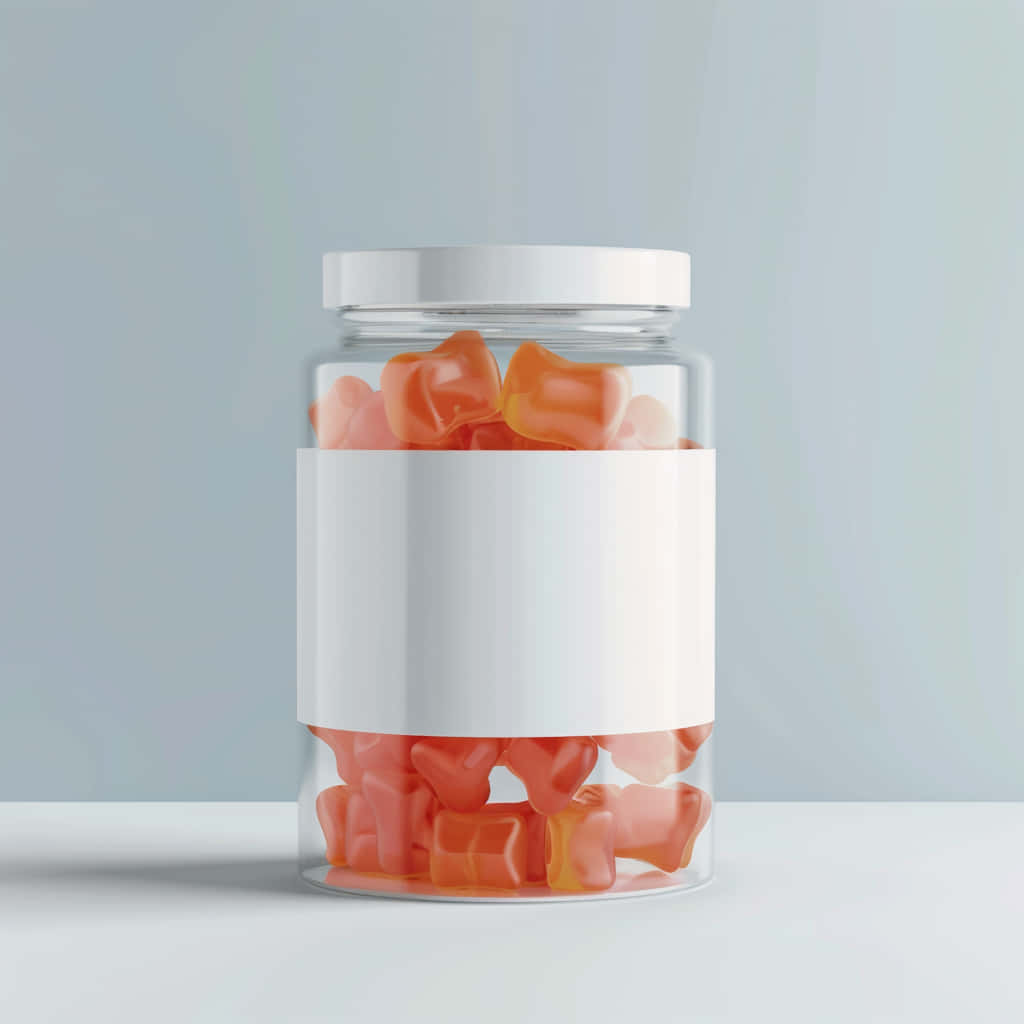
5+ Top private label eye care gummies manufacturers
Wonnda works with the best private label eye care gummies manufacturers. Here is a list of trusted suppliers from our network.
 Private LabelContract Manufacturing
USA-based manufacturer producing capsules, tablets, powders, available to brands sourcing eye care gummies.
- Country
- USA
- MOQ
- Lead time
 Private LabelContract Manufacturing
Europe-based manufacturer producing gummy bears, jelly beans, chews, available to brands sourcing eye care gummies.
- Country
- -
- MOQ
- Lead time
British VitaTech (BVT Labs Ltd.) specializes in private label and contract manufacturing of pouch-based products. Trusted by FMCG brands for certified, scalable production solutions.
- Country
- United Kingdom
- MOQ
- Lead time
 Private LabelContract Manufacturing
Organ-Based Private Label Supplements
- Country
- USA
- MOQ
- Lead time
 Private LabelContract Manufacturing
Expert Contract Manufacturing for Food and Feed Supplements
- Country
- Slovenia
- MOQ
- Lead time
Compare MOQs and lead times
Quick side-by-side of the shortlist. Missing values shown as a dash.
| Supplier | Location | Types | MOQ | Lead time |
|---|---|---|---|---|
| Superior Supplement Manufacturing | USA | PL · CM | ||
| Amapharm GmbH | - | PL · CM | ||
| British VitaTech (BVT Labs Ltd.) | United Kingdom | - | ||
| SMP Nutra | USA | PL · CM | ||
| Private Vitamin | Slovenia | PL · CM |
Buyer criteria
- Carotenoid dose and standardization
Verify the lutein and zeaxanthin are standardized extracts dosed at a meaningful, supported level and ratio, ideally a branded ingredient with clinical backing. Confirm the dose and standardization, because the carotenoids are the hero actives and an under-dosed or unstandardized carotenoid undermines both efficacy and the eye-health credibility the product depends on.
- Active stability in the gummy
Confirm the carotenoids remain stable to label dose through shelf life, since lutein and zeaxanthin are oxidation- and light-sensitive and can degrade in a gummy. Require stability data and an appropriate overage, because carotenoids that degrade leave a product that no longer delivers the eye-health actives it claims.
- Content uniformity
Verify each gummy delivers the labeled carotenoid dose consistently through deposit-weight control and content-uniformity testing. Ask for uniformity data, because uneven distribution of the active means some gummies under-deliver, which matters for both efficacy and claim accuracy in a dosed eye-health product.
- Gummy base for positioning
Choose the base (pectin for vegan, gelatin otherwise) and sugar system to match your positioning, and confirm the manufacturer runs it. Verify the base, because a vegan or sugar-reduced eye-health gummy requires the right base and sweetener system, and the choice affects both the health claims and which production setup is needed.
- Eye-health claim compliance
Confirm the eye-health claims are permitted, since such claims attach to specific nutrients (for example certain vitamin and zinc claims) rather than general eye-improvement promises. Verify the formula and labeling support the claims, because unsupported eye-health claims are an enforcement risk and the permitted ones depend on specific nutrients and doses.
Red flags
- Carotenoids fairy-dusted
Lutein and zeaxanthin included at token levels below clinically meaningful doses produce an eye-care gummy that does little, while still charging for the positioning. If the carotenoid dose falls short of supported levels, the hero actives are decorative, undermining both efficacy and the eye-health credibility customers pay for.
- No carotenoid stability data
Without stability data and an overage for the light- and oxidation-sensitive carotenoids, the actives likely degrade below the label dose before expiry. A manufacturer that cannot show carotenoid retention over shelf life is offering a product whose hero actives may not survive, which is a core quality failure.
- No light-protective packaging
Packaging that does not protect against light and oxygen accelerates carotenoid degradation, contradicting any stability claim. A supplier indifferent to protective packaging for these sensitive actives has not addressed how the product holds its potency in the customer's hands over its shelf life.
- Broad eye-improvement claims
Promises to improve eyesight or treat eye conditions exceed permitted supplement claims, which attach to specific nutrients and supportive roles. A manufacturer encouraging such claims ignores the compliance framework, exposing the brand to enforcement in a health area where claims are scrutinized.
Manufacturing process
- 01
Carotenoid active selection
The hero actives, lutein and zeaxanthin, are selected as standardized extracts, often a branded marigold-derived ingredient with clinical backing, at a meaningful dose and ratio. Supporting actives like bilberry, vitamin A and zinc are chosen. The carotenoid selection drives both cost and the credibility of the eye-health positioning.
- 02
Gummy base and sugar system design
The base is set: pectin for a vegan product or gelatin otherwise, with a sugar or sugar-reduced system to suit a health positioning. The base and sweetener affect texture and the health claims. The matrix is designed to carry the carotenoid actives, which are oil-soluble and coloured, stably.
- 03
Active integration and overage
The carotenoids and supporting actives are integrated into the matrix with an overage to account for degradation, since lutein and zeaxanthin are oxidation- and light-sensitive and lose potency over shelf life. The overage is calculated so the label dose is met to expiry, a key formulation step for these sensitive actives.
- 04
Cooking, depositing and forming
The gummy slurry is cooked at controlled temperature to protect heat-sensitive actives, then deposited into moulds (starch mogul or starchless) and set. Carotenoids contribute their own colour, so colour is managed for consistency. Deposited weight is controlled so each gummy carries the labeled active dose.
- 05
Content, uniformity and stability QC
Gummies are tested for carotenoid content against label, content uniformity, and stability, with particular attention to carotenoid retention over shelf life given their sensitivity. Microbiological safety is confirmed. Per-batch documentation supports the dose claim and the stability that the sensitive actives require.
- 06
Light-protective packaging and labeling
Gummies are packed in packaging that limits light and oxygen to protect the carotenoids, and labeled with the actives, doses, permitted eye-health claims and any warnings. Light-protective packaging matters for these sensitive actives, and lot codes provide traceability for the supplement.
Understanding eye care gummies private-label manufacturing
Eye-care gummies offer established eye-health nutrients like lutein and zeaxanthin (macular carotenoids), often supplemented with bilberry, vitamin A, zinc, and omega support. They are designed for consumers concerned about screen time and age-related eye strain.
Key Ingredients and Formulation
- Hero Ingredients: Lutein and zeaxanthin are the primary actives, typically sourced as branded, standardized extracts, most prominently from marigold. These ingredients significantly influence product cost and credibility.
- Gummy Base: Options include pectin for vegan products or gelatin otherwise. The sugar system can be sugar-reduced for health positioning.
- Supporting Stack: Additional ingredients often include bilberry, vitamin A, and zinc.
- Color: Carotenoids are naturally colored and light-sensitive, which impacts the final product's appearance.
Key variables in formulating these gummies include the carotenoid actives' dose and source (standardized, often clinically-backed, at a meaningful ratio and dose), the gummy base, the supporting stack, and the color.
Manufacturing Considerations
Production requires a gummy manufacturer experienced in stably carrying standardized actives within the gummy matrix, adhering to GMP and food-safety standards. Not all confectionery-style gummy lines are equipped to dose and protect sensitive nutraceutical actives.
Cost Drivers and Economics
The dominant cost driver is the lutein and zeaxanthin extract, which is a premium-priced raw material. Other cost factors include the gummy base and sugar system, flavor, color, and overages to ensure active survival through expiry. The product's economics depend on honest dosing of the hero ingredient rather than thinning it to meet a target cost.
MOQs and Lead Times
Minimum Order Quantities (MOQs) typically start in the low to mid-thousands of units. Lead times range from 8 to 14 weeks once formulation, stability work, flavor sign-off, and packaging are finalized. Stability testing, in particular, can extend the timeline for a new product.
Quality and Certifications
Decisive quality checks include the carotenoid dose and standardization, active stability within the gummy (carotenoids are oxidation- and light-sensitive), content uniformity across batches, and claim compliance. Eye-health claims are linked to specific nutrients, and under-dosed or unstable carotenoids fail their purpose. Since actives are invisible to the consumer, quality is guaranteed by the certificate of analysis and stability data for each batch.
Comparing formats first? See the full overview of private label gummy manufacturers for MOQ, gelling systems and EU requirements across every gummy format.
Frequently asked questions
Why are lutein and zeaxanthin the key ingredients in eye-care gummies?+
How do you keep lutein and zeaxanthin stable in a gummy?+
Can eye-care gummies claim to improve eyesight?+
Should my eye-care gummy be pectin or gelatin based, and sugar-free?+
What supporting ingredients go with lutein and zeaxanthin?+
What MOQ and lead time apply to eye-care gummies?+
Explore adjacent product types
Get a vetted shortlist of eye care gummies suppliers in 48 hours.
Post a brief on Wonnda. Free, no commitment. We match you with vetted manufacturers that fit your MOQ, format and market.