
Best private label functional gummies manufacturers
Find vetted private label functional gummies manufacturers on Wonnda. Sourcing functional gummies requires careful consideration of how active ingredients, such as adaptogens, botanicals, or vitamins, integrate into a confectionery matrix. Manufacturers must ensure actives survive hot cooking processes and maintain stability within a chewable format. Key sourcing variables include the base material, typically pectin or gelatin, and the methods used to achieve accurate active overage, while also addressing taste masking for potentially bitter ingredients. Product development often involves balancing ingredient compatibility with desired flavor profiles and stability requirements.
- Vetted suppliers
- 20,000+
- Brands & buyers
- 25,000+
- EU-made
- 80%
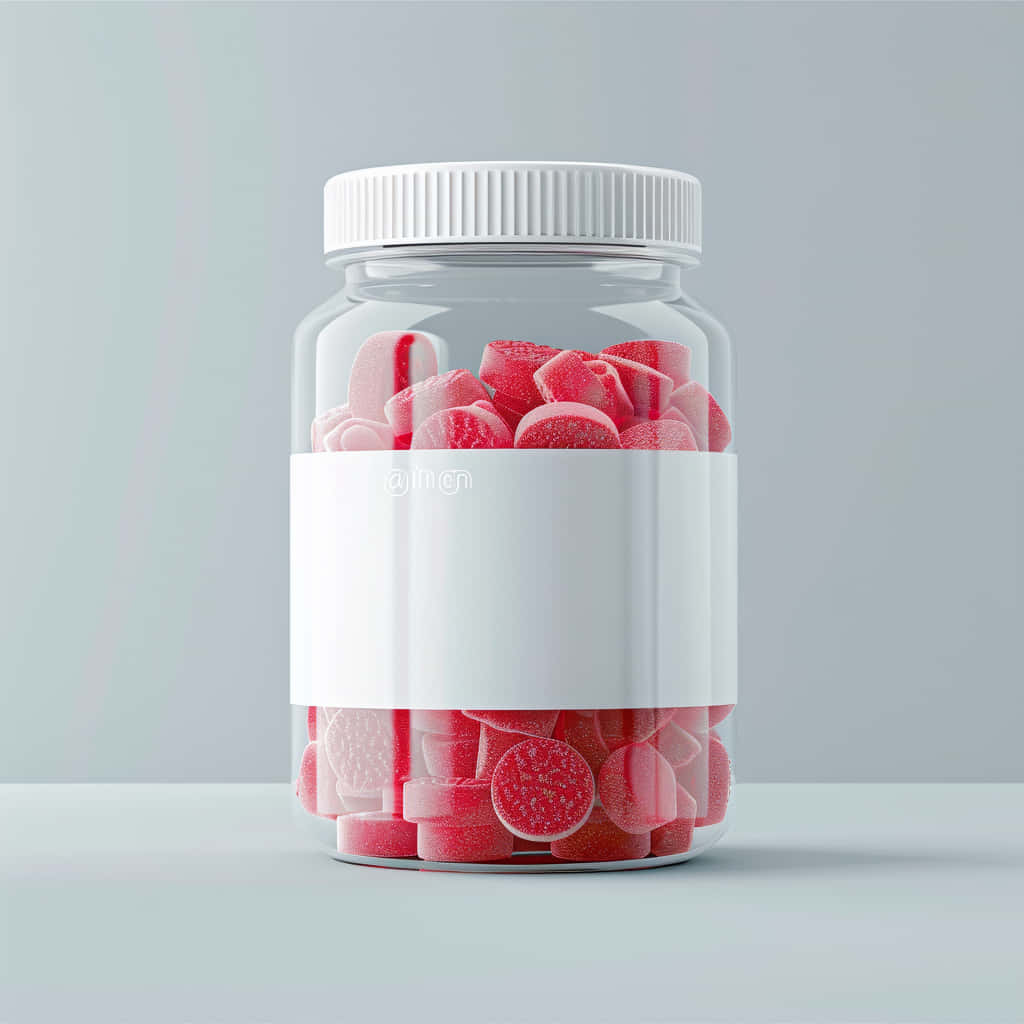
13+ Top private label functional gummies manufacturers
Wonnda works with the best private label functional gummies manufacturers. Here is a list of trusted suppliers from our network.
- Featured
Activ'Inside
4.7Private LabelContract ManufacturingRevolutionizing the Nutraceutical Industry
- Country
- France
- MOQ
- 1000 units
- Lead time
- 8 weeks
- FeaturedCOContract ManufacturingPrivate LabelWhite Label
Belgian private label manufacturer of functional shakes and nutraceuticals
- Country
- Belgium
- MOQ
- From 100 units for powders in jars or stand-up pouches; 1,000 units for gummies; 3,000 units for size 00 capsules.
- Lead time
- About 2 weeks

ANilab
4.9Private LabelContract ManufacturingSlovakia-based manufacturer producing mushroom coffee (lion’s mane, reishi, cordyceps), functional instant beverage blends, nespresso© compatible capsules for functional mushrooms and teas, available to brands sourcing functional gummies.
- Country
- Slovakia
- MOQ
- 500 units
- Lead time
- On request
 Private LabelContract Manufacturing
Europe-based manufacturer producing gummy bears, jelly beans, chews, available to brands sourcing functional gummies.
- Country
- -
- MOQ
- Lead time
 Private LabelContract Manufacturing
Netherlands-based manufacturer producing cbd gummies, cbd oils, cbd capsules, available to brands sourcing functional gummies.
- Country
- Netherlands
- MOQ
- Lead time
 Private LabelContract Manufacturing
USA-based manufacturer producing capsules, tablets, powders, available to brands sourcing functional gummies.
- Country
- USA
- MOQ
- Lead time
 Private LabelContract Manufacturing
USA-based manufacturer producing dietary supplements, pet supplements, pet grooming products, available to brands sourcing functional gummies.
- Country
- USA
- MOQ
- Lead time
 Private LabelContract Manufacturing
Slovenia-based manufacturer producing full-spectrum cbd oil, cbd extracts (bulk ingredients), cbd skincare topicals, available to brands sourcing functional gummies.
- Country
- Slovenia
- MOQ
- Lead time
 Private LabelContract Manufacturing
Netherlands-based manufacturer producing collagen-based dietary supplements, immunity booster formulations, amino acid formulations, available to brands sourcing functional gummies.
- Country
- Netherlands
- MOQ
- Lead time
 Private LabelContract Manufacturing
Mushroom Supplement Manufacturing for Private Label Brands
- Country
- -
- MOQ
- Lead time
 Private LabelContract Manufacturing
Your Partner in Private Label Confectionery
- Country
- Netherlands
- MOQ
- Lead time
 Private LabelContract Manufacturing
Organ-Based Private Label Supplements
- Country
- USA
- MOQ
- Lead time
British VitaTech (BVT Labs Ltd.) specializes in private label and contract manufacturing of pouch-based products. Trusted by FMCG brands for certified, scalable production solutions.
- Country
- United Kingdom
- MOQ
- Lead time
Compare MOQs and lead times
Quick side-by-side of the shortlist. Missing values shown as a dash.
| Supplier | Location | Types | MOQ | Lead time |
|---|---|---|---|---|
| Activ'Inside | France | PL · CM | 1000 units | 8 weeks |
| Cosmogroup | Belgium | CM · PL · White Label | From 100 units for powders in jars or stand-up pouches; 1,000 units for gummies; 3,000 units for size 00 capsules. | About 2 weeks |
| ANilab | Slovakia | PL · CM | 500 units | On request |
| Amapharm GmbH | - | PL · CM | ||
| CBD Oil Europe | Netherlands | PL · CM | ||
| Superior Supplement Manufacturing | USA | PL · CM | ||
| GP Labs | USA | PL · CM | ||
| Essentia Pura d.o.o. | Slovenia | PL · CM | ||
| Vitalforce Labs | Netherlands | PL · CM | ||
| Supplement Factory UK | - | PL · CM | ||
| Smith & Sinclair B.V. | Netherlands | PL · CM | ||
| SMP Nutra | USA | PL · CM | ||
| British VitaTech (BVT Labs Ltd.) | United Kingdom | - |
Buyer criteria
- Active stability and overage practice
Gummy cooking and the humid matrix degrade many actives, so confirm the manufacturer formulates with a calculated overage backed by stability data so the label claim holds at expiry. Ask how they prove the active is still on claim at end of shelf life. A house that does not manage overage will ship gummies that fail testing late in their life.
- Payload feasibility for your dose
A single gummy holds a limited active load, so verify your target dose is achievable in a realistic number of gummies per serving. Ask the manufacturer to confirm feasibility before formulation. If the dose needs four or five gummies, the product may not be viable as a gummy, and finding that out after tooling wastes time and money.
- Texture and depositing consistency
Gummy quality is judged on texture and on each piece carrying the same dose. Confirm the depositing line holds piece-weight tolerance and that the cured texture is consistent batch to batch. Taste and chew production-representative samples, since a soft, sticky, or grainy gummy reads as low quality regardless of the active inside.
- Sugar versus sugar-free capability
Decide whether your brand is sugar-based or sugar-free, and confirm the manufacturer runs your chosen system well. Sugar-free polyol gummies cost more, set differently, and can carry a digestive caveat at high intake. A house strong in sugar gummies may struggle with a clean sugar-free texture, so match capability to your brand story.
- Moisture control and packaging
Gummies are hygroscopic and clump or degrade in humidity, so confirm moisture-controlled packaging with desiccant and a finishing coat that resists sticking. Ask how the product holds up in distribution and warm climates. Poor moisture management turns a good gummy into a fused, tacky mass in the bottle before it reaches the consumer.
Red flags
- No overage or stability backing
If the manufacturer adds actives at exactly the label dose with no overage and no stability data, the gummies will likely fall below claim by expiry because cooking and the matrix degrade actives over time. A partner that treats a gummy like a capsule on dosing does not understand the format and will ship product that fails late-life testing.
- Overpromising on difficult actives
A manufacturer that agrees to load a heat-sensitive or high-dose active into a single gummy without flagging feasibility is either inexperienced or planning to underdeliver. If they do not push back on actives that do not transfer well into gummies, treat their feasibility judgment, and the rest of the quote, with suspicion.
- Inconsistent piece weight or texture
Samples that vary in size, weight, or chew reveal a depositing or curing process that is not in control, which means dose per gummy is also variable. If the manufacturer cannot show piece-weight tolerance and consistent texture across a batch, your dose claim is unreliable and the product will feel cheap to the consumer.
- No moisture or contaminant testing
Skipping moisture control invites clumping and microbial risk in a sugar-rich, humid product, and skipping heavy-metal testing on botanical gummies exposes you to contaminant failures. A house that does not test these is cutting corners that surface as spoiled product in the pack or a safety problem on a daily-use item.
Manufacturing process
- 01
Active feasibility and payload assessment
The manufacturer assesses whether each active survives gummy cooking and fits the limited per-piece payload. Heat-sensitive or high-dose ingredients are flagged early, and the serving is set at one, two, or three gummies. This feasibility step is specific to gummies, since many capsule-friendly actives do not transfer into a hot, sugar-rich matrix.
- 02
Base and sweetener selection
A pectin base, suited to vegan and plant-based positioning, or a gelatin base is chosen, along with a sugar or sugar-free polyol sweetener system. The base and sweetener drive texture, set behavior, and cost. Sugar-free systems using isomalt or maltitol behave differently in depositing and curing and are decided up front.
- 03
Formulation with overage
Actives are added at a level that includes an overage to compensate for loss during cooking and over shelf life, so the label claim holds at expiry. Flavors, colors, and acids are formulated in. The overage is calculated against stability data for each active, which is what keeps a heat-affected ingredient on claim at month twelve.
- 04
Cooking and slurry preparation
The base, sweeteners, and water are cooked to the target solids, then actives, flavors, colors, and acids are added at controlled temperature to limit active degradation. The slurry is held at depositing temperature and viscosity. Order and timing of addition protect heat-sensitive actives while keeping the mass pourable.
- 05
Depositing into molds
The hot slurry is deposited into starch or silicone molds in the gummy shape, dosed by volume so each piece carries the intended active load. Deposit accuracy controls dose per gummy and piece weight. Mold shape and cavity size are matched to the payload and the brand's format.
- 06
Curing and finishing
Gummies cure over hours to days to reach final texture and moisture, then are demolded and finished with an oil, sugar, or sour coating to prevent sticking and set the mouthfeel. Curing time depends on the base. Finishing also affects how the gummies behave in the pack and resist clumping in humidity.
- 07
Quality control and packaging
QC tests active content against claim, microbiological limits, moisture, and texture, with heavy metals where botanicals are used. Gummies are packed into moisture-controlled bottles or pouches with desiccant. Stability supports the shelf life and overage. Lot codes trace finished units back to the production batch.
Understanding functional gummies private-label manufacturing
Gummy Manufacturing Considerations
Functional gummies incorporate actives such as adaptogens, botanicals, fiber, or single nutrients into a chewable, flavored confection. These products are popular for their treat-like consumption experience. From a private label perspective, a gummy is primarily a confectionery manufacturing challenge with a supplement label. Key considerations include ensuring the active ingredient withstands hot cooking and setting processes, fitting a low payload per piece, maintaining good taste despite often-bitter ingredients, and remaining stable in a humid, sugar-rich matrix.
Many actives suitable for capsules do not transfer effectively to gummies, making feasibility assessment crucial before formulation. The primary constraints are payload and stability. A single gummy has a limited milligram capacity, so high-dose actives might require two or three gummies per serving, or may not be viable. Heat-sensitive ingredients can degrade during cooking. Additionally, the gummy base, typically pectin or gelatin, interacts with moisture and pH, impacting both texture and active retention. Therefore, functional gummies often contain modest doses and an overage to ensure label claim at the end of their shelf life. A knowledgeable manufacturer will disclose realistic active ingredient options upfront.
Sourcing and Production
Sourcing functional gummies often involves specialist manufacturers due to the need for dedicated depositing and curing lines. In Europe, these specialists are concentrated in Germany, Spain, Italy, the Netherlands, and increasingly Poland, countries with strong confectionery heritage.
MOQs and Lead Times
- Minimum Order Quantities (MOQs): Higher than for capsules, commonly 10,000 to 30,000 units or more. This is because depositing setup, mold changeover, and curing time favor longer production runs.
- Lead Times: Typically range from 8 to 14 weeks.
Cost drivers, in order of impact, are the active load, the base and sweetener system (sugar versus sugar-free), the flavor and color system, and finally, depositing and packaging. Sugar-free gummies, which use ingredients like isomalt or other polyols, are generally more expensive and behave differently during production.
Quality and Market Appeal
Buyers of private label functional gummies often include lifestyle and wellness direct-to-consumer (D2C) brands, brands targeting consumers who prefer not to take pills, and mainstream retail ranges where the gummy format drives impulse purchases and habit formation. The category relies on taste and experience as much as functionality, so differentiation is achieved through clean texture, accurate dosing, and a sugar profile that aligns with the brand story. When selecting a partner, evaluating their expertise in active stability and overage practices is more critical than the per-gummy price. A great-tasting gummy that fails to meet its label claim by month twelve can lead to product recalls and damage brand trust.
Comparing formats first? See the full overview of private label gummy manufacturers for MOQ, gelling systems and EU requirements across every gummy format.
What separates a functional gummy from a vitamin gummy
A vitamin gummy delivers established nutrients at doses that are well characterised and, in the EU, usually covered by an authorised claim. A functional gummy carries actives chosen for an effect: ashwagandha for stress, magnesium for sleep and muscle function, melatonin, mushroom extracts, collagen peptides, apple cider vinegar. That shift changes three things at once. The dose per piece needs to be high enough to be credible, the taste masking gets harder because most of these actives are bitter or earthy, and the claim you can legally print is narrower than the benefit your customer is buying.
The result is that functional gummies fail at the feasibility stage more often than any other gummy format. A 600 mg ashwagandha serving is achievable across two gummies. A 400 mg elemental magnesium serving is not, at any piece count a consumer will accept. Get the feasibility check done before you brief flavour, shape or artwork, because the answer often changes the product.
Dose, payload and serving size
Each gummy holds a limited milligram payload, in practice a few hundred milligrams of active before taste and texture degrade. Bulky or bitter actives eat that budget faster. Manufacturers solve this in three ways: increase the serving to two or three gummies, use a standardised extract at a lower milligram load rather than a crude powder, or move part of the blend out of the formula. All three are legitimate, and all three need to be decided with you rather than quietly applied.
Ask for the dose per gummy and per serving in writing, and ask what the manufacturer would remove if taste came out poor at the first trial. That question tells you whether they are formulating for the label or for the product.
Claims in the EU are the real constraint
Only authorised claims under Regulation 1924/2006 can appear on pack, and each authorised claim requires a qualifying dose of the specific nutrient in the product. Botanicals sit in a long-standing hold pattern with no approved claims, so ashwagandha, mushroom extracts and similar actives cannot carry the benefit language they are bought for. The workable route is to build the on-pack claim on a nutrient that carries an authorised claim, magnesium for normal muscle function or Vitamin B6 for normal psychological function for example, while the botanical remains part of the formula and the brand story. Some botanicals also raise Novel Food questions, which are worth clearing before the batch is made rather than after.
What to send a manufacturer
A functional gummy brief works best with the effect, the target actives with doses, the acceptable serving size, the gelling system, the sugar system and the destination markets. Send the same brief to three houses that run your gelling system, then compare on the feasibility answer rather than the price, since the honest answer is the one that saves the project. See the wider gummy manufacturer overview for MOQ, lead time and process detail that applies to every format.
Frequently asked questions
Why do functional gummies need an active overage?+
How many actives or how high a dose can a gummy carry?+
Should I choose a pectin or gelatin gummy base?+
What MOQ should I expect for private label gummies?+
Are sugar-free gummies harder to make?+
How do I keep gummies from clumping or going sticky in the bottle?+
Explore adjacent product types
Get a vetted shortlist of functional gummies suppliers in 48 hours.
Post a brief on Wonnda. Free, no commitment. We match you with vetted manufacturers that fit your MOQ, format and market.