
Best private label cream cheese manufacturers
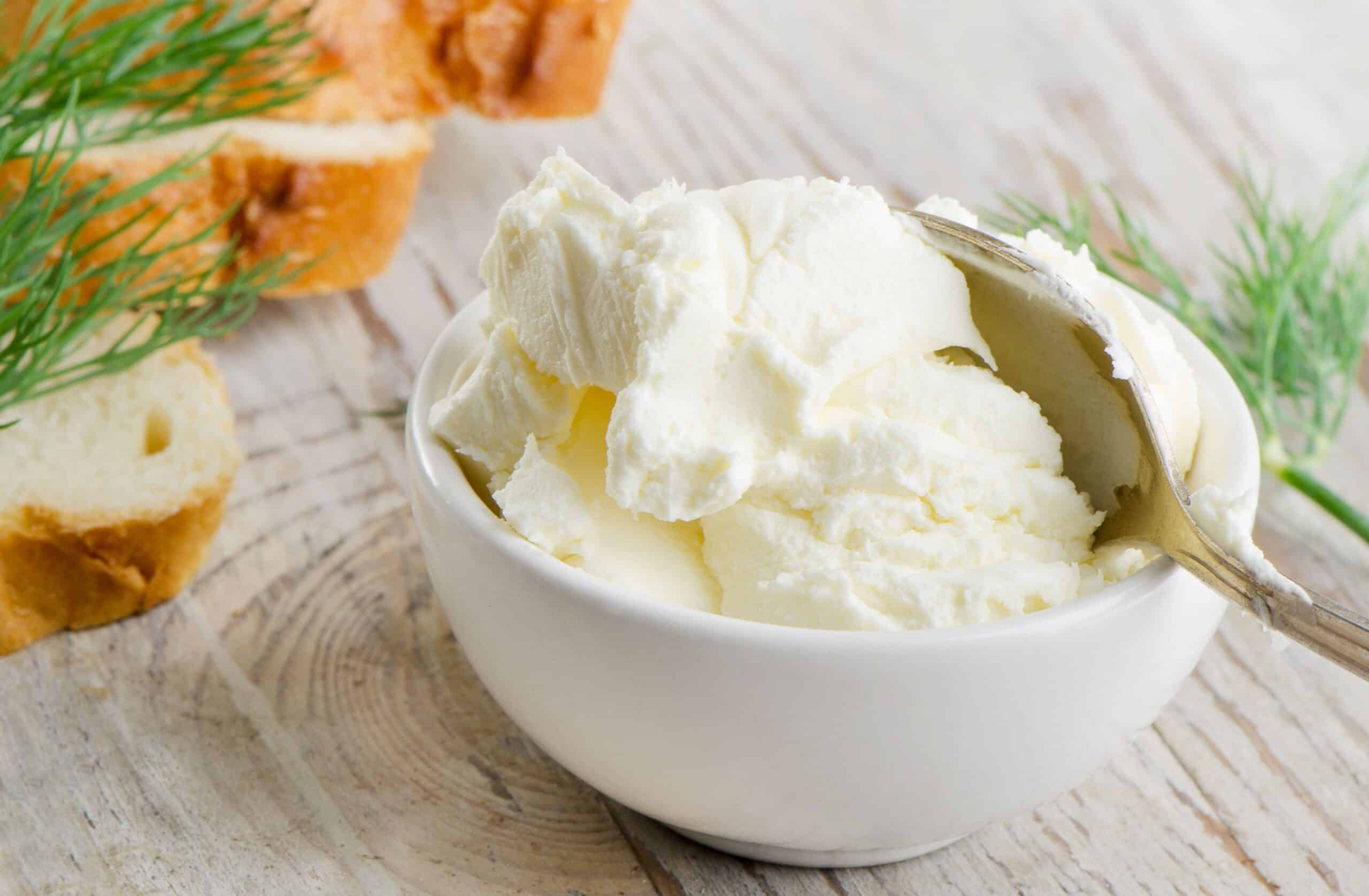
Wonnda is where brands find private label cream cheese manufacturers. This chilled dairy product requires careful consideration of cold chain logistics and shelf life constraints. Key sourcing variables for cream cheese include fat content, ranging typically between 20-35 percent, and the specific cream-and-milk blend used for acidification. Brands can source cream cheese in various formats, such as retail tubs or larger foodservice pails, with lead-time considerations significantly impacted by dairy supply and production schedules.
- Vetted suppliers
- 20,000+
- Brands & buyers
- 25,000+
- EU-made
- 80%
5+ Top private label cream cheese manufacturers
Wonnda works with the best private label cream cheese manufacturers. Here is a list of trusted suppliers from our network.

AMFIGAL SA
4.7Private LabelContract ManufacturingGreece-based manufacturer producing feta cheese, cream cheese, available to brands sourcing cream cheese.
- Country
- Greece
- MOQ
- Lead time
 Private LabelContract Manufacturing
Europe-based manufacturer producing canned vegetables, bottled vegetables, packaged vegetables, available to brands sourcing cream cheese.
- Country
- -
- MOQ
- Lead time
 Private LabelContract Manufacturing
Europe-based manufacturer producing cream cheese (from fresh milk), plant-based cream cheese, processed cheese, available to brands sourcing cream cheese.
- Country
- -
- MOQ
- Lead time
 Private LabelContract Manufacturing
Europe-based manufacturer producing color concentrates (liquid, paste, powder), confectionery release agents (confecto), specialty lecithins (liquid or powder), available to brands sourcing cream cheese.
- Country
- -
- MOQ
- Lead time
 Private LabelContract Manufacturing
Europe-based manufacturer producing processed cheese slices, processed cheese blocks, processed cheese spreads, available to brands sourcing cream cheese.
- Country
- -
- MOQ
- Lead time
Compare MOQs and lead times
Quick side-by-side of the shortlist. Missing values shown as a dash.
| Supplier | Location | Types | MOQ | Lead time |
|---|---|---|---|---|
| AMFIGAL SA | Greece | PL · CM | ||
| Greci | - | PL · CM | ||
| Lekkerkerker Food | - | PL · CM | ||
| IFC Food | - | PL · CM | ||
| Rupp Cheese | - | PL · CM |
Buyer criteria
- Verified cold chain capability
Cream cheese is perishable, so confirm the plant maintains an unbroken chilled chain from production through to your distribution point. Ask for temperature records on past shipments and whether they ship in their own refrigerated transport or hand off to a third party, since a single cold chain break shortens shelf life and risks spoilage.
- Fat and texture consistency across batches
Specify the exact fat percentage and required spreadability, then ask how the plant verifies these batch to batch. Cream cheese that varies in firmness or fat between lots undermines a retail brand and ruins bakery performance, so request the tolerance they hold and recent batch data before committing.
- Dairy sourcing and pricing transparency
Because cream and milk dominate the cost, ask where the dairy comes from and how price changes pass through to you. A plant tied to volatile spot dairy will quote differently from one with contracted supply. Understanding this protects your margin when the dairy market moves against you.
- Shelf life backed by stability data
Request the validated shelf life for your specific recipe and packaging, not a generic figure. Stabilizer-free clean-label versions usually carry shorter dates. Confirm the plant has microbiological and sensory data supporting the printed date so you do not face spoilage complaints or short-coding at retail.
- Format and filling flexibility
Confirm the plant can fill the formats you need, whether retail tubs, foil bricks, or large foodservice pails, on lines that hold your fill weight. A plant geared only for retail tubs will struggle with bakery pails. Match their filling capability to your channel before you finalize the SKU range.
- Food safety certification scope
Verify current IFS or BRCGS certification and that its scope covers chilled dairy production, not a neighboring category. For a perishable product with listeria risk, ask about their environmental monitoring program and how they manage post-pasteurization contamination, since paperwork alone does not prove the controls are running.
Red flags
- No cold chain documentation
If a plant cannot show temperature records for production, storage, and transport, you cannot trust the shelf life or safety of perishable cream cheese. A vague assurance that product stays cold is not enough. Missing cold chain data is disqualifying for any chilled dairy product regardless of unit price.
- Batch-to-batch fat variance
If samples vary noticeably in firmness or richness, the plant is not holding fat and solids tightly. For a bakery customer this means cheesecakes that crack or frostings that slump, and for retail it means inconsistent spread. Reject a partner that cannot demonstrate stable fat and texture control.
- Shelf life asserted without data
A printed date with no microbiological or sensory backing is guesswork on a perishable product. Spoilage or short-coding at retail will follow. A plant that assigns shelf life by assumption rather than validated stability testing is exposing your brand to returns and food safety risk.
- Opaque dairy cost pass-through
If the plant will not explain how cream and milk price swings flow into your cost, you cannot forecast margin in a commodity-linked category. A partner hiding the dairy cost mechanism is likely to surprise you with mid-contract increases, so treat the lack of transparency as a warning.
Manufacturing process
- 01
Milk and cream standardization
Incoming milk and cream are tested and standardized to the target fat level, since cream cheese fat content drives both texture and label declaration. The blend is adjusted to hit the recipe before any acidification begins, because fat ratio set here cannot be corrected later in the process.
- 02
Pasteurization and homogenization
The mix is pasteurized to ensure food safety and homogenized to break down fat globules for a smooth, stable body. Homogenization pressure influences final mouthfeel, so it is set per recipe. This step also fixes the microbiological baseline that protects the short chilled shelf life.
- 03
Culture inoculation and acidification
Lactic acid cultures are added and the mix is held at controlled temperature until acidity develops and the proteins coagulate. The culture choice and fermentation time shape the tangy flavor profile and curd structure. Acidification is monitored by pH rather than time alone to keep batches consistent.
- 04
Curd separation and concentration
The acidified mass is separated, traditionally by centrifuge or membrane, to remove whey and concentrate the curd to the target solids. This step controls the final firmness and yield. The whey by-product is drawn off and often sold or further processed rather than discarded.
- 05
Stabilizer and finishing blend
Salt, any stabilizers such as locust bean gum or carrageenan, and flavor inclusions for herb or sweet variants are blended into the warm curd. Clean-label recipes skip stabilizers and rely on solids and process control instead, which demands tighter handling to hold texture over the date.
- 06
Hot fill and chilling
The smooth cream cheese is hot filled into tubs, foil bricks, or foodservice pails, sealed for tamper evidence, then rapidly chilled to lock body and protect shelf life. Fill weight is checked continuously, and the product enters the cold chain immediately to hold quality from plant to shelf.
Understanding cream cheese private-label manufacturing
Cream Cheese Formulations
Cream cheese is a fresh, unripened soft cheese. It is made by acidifying a cream-and-milk blend, then separating and finishing the curd into a smooth, spreadable mass. Fat content typically ranges from 20 to 35 percent.
For private label brands, cream cheese is a chilled dairy product. This means sourcing decisions are shaped by cold chain requirements, short shelf life, and the dairy supply that feeds the plant. The manufacturer acts as both a producer and a logistics partner.
Specifications for cream cheese include format and fat level. Block cream cheese for retail tubs and foil bricks differs from whipped or spreadable styles. Bakery or foodservice cream cheese, used in cheesecake and frosting, is formulated for stability under heat and shear.
Stabilizers such as locust bean gum, guar, or carrageenan, along with the choice of culture, determine body, mouthfeel, and product stability. A clean-label brand seeking a stabilizer-free recipe will incur costs for shorter runs and tighter cold chain control.
Manufacturing and Logistics
Cream cheese production in Europe is concentrated in dairy regions with surplus cream. Germany, the Netherlands, Poland, France, and Denmark all host plants that produce for private label. MOQs are determined by tank and filling-line economics.
A single flavor and format typically starts around 3,000 to 8,000 kg per run. Plain unflavored versions are easier to produce than herb, garlic, or sweet variants, which require separate blending.
Lead times for a first run are 4 to 8 weeks, with shorter times for reorders. Lead times are sensitive to milk and cream pricing, which fluctuates with the dairy market and directly impacts cost.
Cost Factors and Buyers
Cost is primarily driven by cream and milk inputs, which dominate the recipe and move with commodity dairy prices. Other cost factors include the specified fat level, stabilizer and culture systems, and packaging (tubs, foil bricks, or foodservice pails). Cold chain logistics to the warehouse also contribute to the overall cost.
Flavored and clean-label versions add cost due to extra blending steps and shorter production runs. Filling and pasteurization represent a smaller share of the cost once production exceeds a few thousand kilograms.
Private label cream cheese buyers include:
- Retailer own-brand dairy ranges
- Foodservice and bakery suppliers requiring consistent performance for cheesecake and frosting
- D2C or specialty food brands building a premium or regional cheese narrative
Channel mix is important because a retail tub for chilled shelves and a 5 kg foodservice pail for bakeries are different SKUs, requiring different fill lines and having different shelf-life expectations. Qualifying a plant based on its cold chain, dairy sourcing, and ability to maintain consistent fat and texture across batches is more important than the headline price per kilogram.
Frequently asked questions
What fat content is standard for retail cream cheese?+
How does cold chain affect my sourcing choice?+
Can I get a stabilizer-free clean-label cream cheese?+
What MOQ should I expect for private label cream cheese?+
How long is the lead time for a first production run?+
Is cream cheese for bakery different from retail cream cheese?+
Explore adjacent product types
Get a vetted shortlist of cream cheese suppliers in 48 hours.
Post a brief on Wonnda. Free, no commitment. We match you with vetted manufacturers that fit your MOQ, format and market.