
Best private label coffee packaging manufacturers manufacturers
Wonnda is the best place to find private label coffee packaging manufacturers manufacturers. These specialized flexible packaging options are designed to protect roasted coffee from oxygen, light, and moisture. Key sourcing variables include material laminates, which often feature high-barrier properties, and the integration of degassing valves, crucial for freshly roasted beans. Packaging formats range widely, each selected based on specific product protection needs and brand presentation. Sourcing considerations should focus on suppliers experienced in these specialized barrier systems and valve technologies.
- Vetted suppliers
- 20,000+
- Brands & buyers
- 25,000+
- EU-made
- 80%
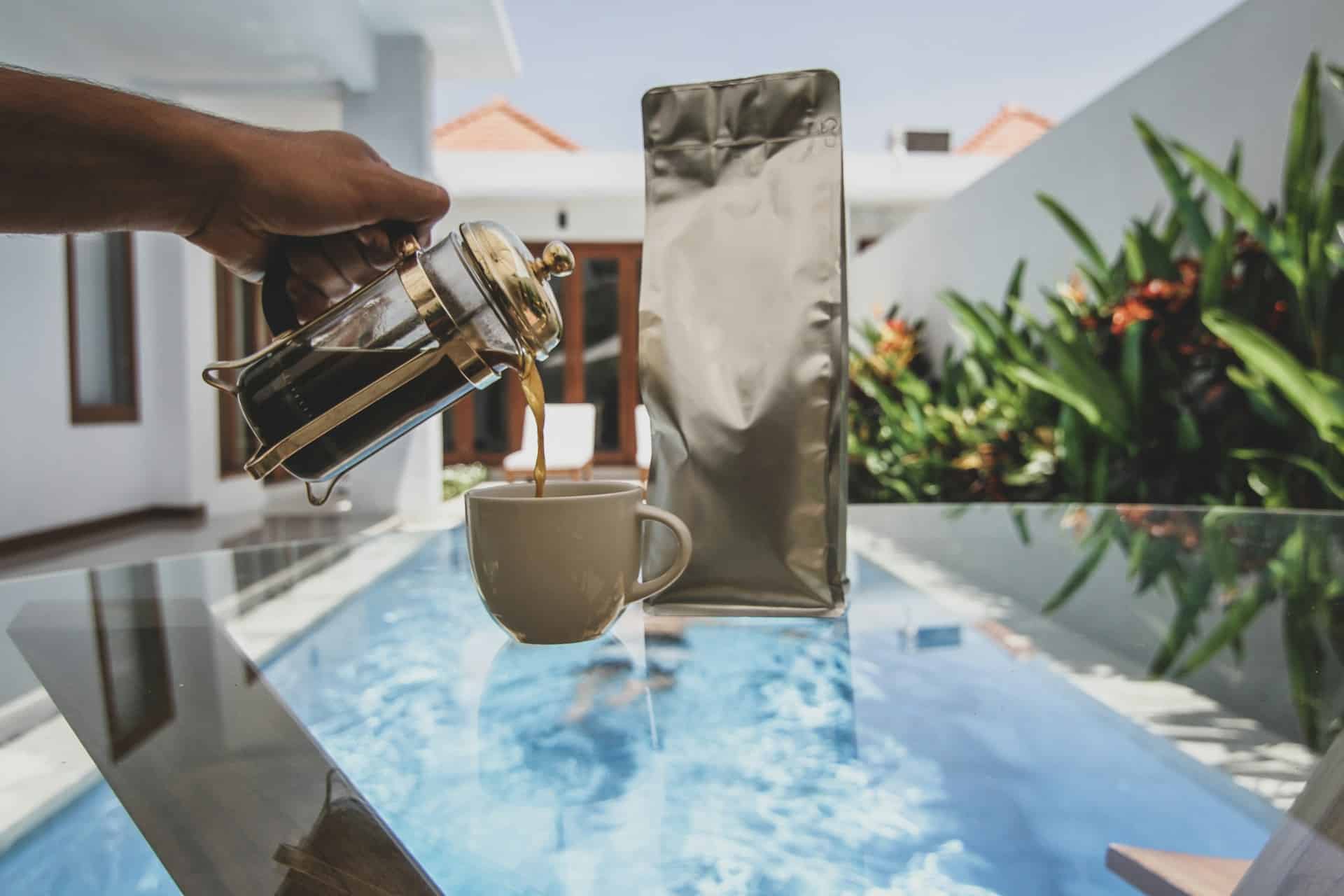
6+ Top private label coffee packaging manufacturers manufacturers
Wonnda works with the best private label coffee packaging manufacturers manufacturers. Here is a list of trusted suppliers from our network.
- Featured
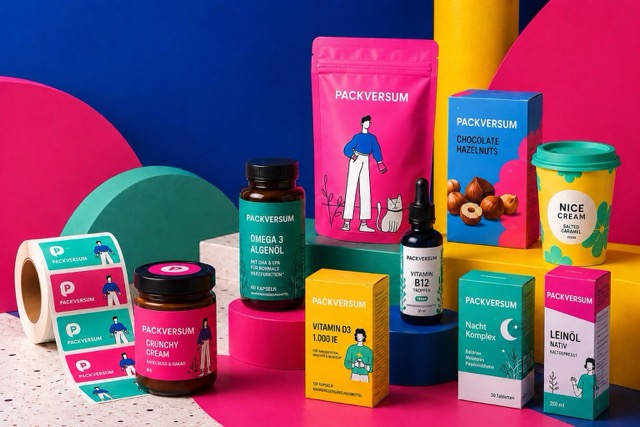 Packaging
Top German packaging supplier for primary packaging, secondary packagin, labels and flexible formats
- Country
- 88299 Leutkirch im Allgäu
- MOQ
- Starting at only 1 unit
- Lead time
- 5-15 days
 Private LabelContract Manufacturing
Türkiye-based manufacturer producing printed paper boxes, luxury rigid boxes, printed tissue papers, available to brands sourcing coffee packaging manufacturers.
- Country
- Türkiye
- MOQ
- Lead time
 Private LabelContract Manufacturing
Europe-based manufacturer producing whole bean coffee, ground coffee, instant coffee, available to brands sourcing coffee packaging manufacturers.
- Country
- -
- MOQ
- Lead time
 Private LabelContract Manufacturing
Italy-based manufacturer producing whole bean coffee, ground coffee, single-serve capsules, available to brands sourcing coffee packaging manufacturers.
- Country
- Italy
- MOQ
- Lead time
 Private LabelContract Manufacturing
Europe-based manufacturer producing roasted coffee, coffee beans, coffee capsules, available to brands sourcing coffee packaging manufacturers.
- Country
- -
- MOQ
- Lead time
 Private LabelContract Manufacturing
Belgium-based manufacturer producing cleanroom polyethylene bags, cleanroom polyethylene tubes, vacuum-packaged coffee pads, available to brands sourcing coffee packaging manufacturers.
- Country
- Belgium
- MOQ
- Lead time
Compare MOQs and lead times
Quick side-by-side of the shortlist. Missing values shown as a dash.
| Supplier | Location | Types | MOQ | Lead time |
|---|---|---|---|---|
| Packversum | 88299 Leutkirch im Allgäu | Packaging | Starting at only 1 unit | 5-15 days |
| PERA LABEL & PACKAGING | Türkiye | PL · CM | ||
| Coffee Private Label | - | PL · CM | ||
| Gruppo Gimoka | Italy | PL · CM | ||
| Pelican Rouge Coffee Roasters | - | PL · CM | ||
| Beyers | Belgium | PL · CM |
Buyer criteria
- Barrier performance and oxygen transmission
Coffee freshness depends on keeping oxygen and light out, so verify the laminate's barrier with oxygen and moisture transmission data rather than a generic high-barrier label. The structure, whether foil, metallized, or a transparent barrier film, determines shelf life. Ask the converter for the transmission rates of the exact structure quoted, since barrier performance is the core function of a coffee bag and varies widely between laminates.
- Degassing valve quality
The one-way valve lets roasted coffee vent carbon dioxide without admitting oxygen, so verify the valve is reliable and correctly sealed into the bag. A faulty valve either lets the bag swell and burst or leaks oxygen that stales the coffee. Ask about the valve type and how it is applied and tested, since the valve is the feature that makes a coffee bag a coffee bag rather than a generic pouch.
- Seal integrity and bag construction
Verify seal strength and integrity so the bag holds the coffee weight and stays sealed through filling, transport, and shelf life without leaking or bursting. Weak seals are a common failure that compromises both freshness and presentation. Ask for seal-strength data and check the construction suits your fill weight and format, since a bag that fails at the seam ruins the product regardless of how good the barrier is.
- Recyclability or compostability credentials
If you make a recyclable or compostable claim, verify it with the relevant certification and confirm the structure genuinely meets the scheme, since mono-material recyclable and certified compostable films are specific technical products, not marketing labels. Unsupported sustainability claims attract greenwashing scrutiny. Confirm the converter can supply the certification and that the barrier still protects the coffee, since some recyclable structures trade away barrier performance.
- Food-contact compliance and print quality
The bag contacts coffee, so require food-contact compliance and migration data for the materials and inks. Also verify print quality, color accuracy, and registration on samples, since the bag is the brand's main shelf presence. Confirm the converter holds the relevant food-safety and quality certification and can match your artwork colors consistently across runs, as print drift between orders undermines a coherent brand shelf presence.
Red flags
- No barrier or transmission data
If the converter cannot provide oxygen and moisture transmission data for the exact laminate, you cannot judge whether the bag will keep coffee fresh, which is its entire purpose. A vague high-barrier claim without numbers may hide a weak structure. Refuse to commit to a laminate whose barrier performance the converter cannot substantiate, since freshness protection is the core function you are buying.
- Unreliable or poorly fitted valve
A degassing valve that leaks oxygen or fails to vent carbon dioxide is a critical defect: the coffee stales or the bag swells and bursts. If sample bags show valve leaks, weak valve seals, or swelling, the valve quality or application is wrong. A converter casual about valve testing is risking the defining functional feature of the bag, so treat valve problems as disqualifying.
- Unsupported recyclable or compostable claims
A recyclable or compostable claim without certification and a structure that genuinely meets the scheme is greenwashing and a regulatory and reputational risk. Some converters label conventional laminates as eco-friendly without substantiation. Demand the relevant certification and proof the structure qualifies, since sustainability claims on packaging are increasingly scrutinized and an unsupported claim can damage a brand built on environmental positioning.
- Weak seals or delamination in samples
If sample bags show weak seals, leaking seams, or layers separating, the converting or lamination is defective and the bags will fail in filling or transit, leaking coffee and compromising the barrier. A bag that delaminates or bursts ruins both freshness and presentation. A converter that ships samples with seal or lamination defects does not control the process and should not be scaled into a production order.
Manufacturing process
- 01
Material structure and barrier design
The converter designs the laminate to meet the required barrier, combining film layers, an aluminium foil or metallized or transparent barrier layer, and a sealant layer. The structure is chosen for oxygen and light protection and, increasingly, recyclability. This is the foundational decision, since the laminate determines how well the bag protects coffee freshness over its shelf life.
- 02
Printing
The brand artwork is printed onto the film by rotogravure for long runs, flexography, or digital print for shorter runs and lower setup. Rotogravure gives the highest quality for large volumes but needs engraved cylinders, while digital avoids plate costs for short runs. Print is applied before lamination so it sits protected between film layers, keeping the design durable.
- 03
Lamination
The printed film and barrier and sealant layers are bonded together by adhesive or extrusion lamination into the final multilayer structure. Lamination quality controls delamination risk and the integrity of the barrier. The bond must be strong and free of defects, since a poorly laminated structure can delaminate or develop weak spots that compromise the barrier and the seal.
- 04
Valve and zipper application
A one-way degassing valve is fitted so roasted coffee can release carbon dioxide without letting oxygen in, and a resealable zipper is added where specified. Valve placement and seal are critical, since a faulty valve either lets the bag swell and burst or admits oxygen. The valve is the defining functional component of a coffee bag.
- 05
Bag forming and converting
The laminated film is formed and sealed into the finished bag format, stand-up pouch, side-gusset, flat-bottom, or box-bottom, by a converting line that folds, seals, and cuts the film. The format affects shelf presentation and fill behavior. Seal width and strength are set here to ensure the bag holds the coffee weight and stays sealed in transit.
- 06
Quality control and barrier testing
QC checks print registration and color, seal strength and integrity, valve function, and bag dimensions, and verifies barrier performance through oxygen and moisture transmission data on the structure. For food contact, migration compliance is confirmed. For recyclable or compostable bags, the structure is verified against the relevant certification scheme and claim.
- 07
Packing and delivery
Finished bags are counted, packed flat or as pre-formed pouches, boxed, and palletized for delivery to the roaster, who fills and seals them. Bags are protected from contamination and damage in transit. Lot and specification documentation accompanies the delivery so the roaster can verify the structure, barrier, and compliance of the bags received.
Understanding coffee packaging manufacturers private-label manufacturing
Functions and Features
Coffee packaging is a specialized flexible-packaging product engineered to protect roasted coffee from oxygen, light, and moisture. It also allows freshly roasted beans to vent carbon dioxide without bursting the bag.
The packaging acts as a barrier system that keeps coffee fresh. A key distinguishing feature is the degassing valve, which differentiates a true coffee bag from an ordinary food pouch. Proper sourcing focuses on selecting the correct barrier, valve, and format.
Format and Materials
The first decision in coffee packaging is the format and material structure. Stand-up pouches with zippers are common for retail. Side-gusset and box-bottom bags offer an artisanal look, while flat-bottom bags convey a premium presentation.
Material laminate determines the barrier performance. High-barrier structures incorporate aluminum foil or metallized/transparent barrier film layers to block oxygen and light. Sustainability trends are leading to recyclable mono-material structures and compostable films. These alternatives may offer different barrier performance and require different laminating lines.
Manufacturing and Logistics
Flexible coffee packaging is produced by converters in Germany, Italy, the Netherlands, Poland, and Turkey. These converters print, laminate, and convert film into finished bags equipped with valves and zippers.
MOQs for custom-printed coffee bags typically range from 5,000 to 25,000 units per design, influenced by print plate/cylinder setup and film run minimums. Digital printing offers lower minimums at a higher unit cost for shorter runs.
Lead times are 4 to 10 weeks, depending on the print method and whether new plates are required. Costs are primarily driven by the material structure (foil and high-barrier laminates are more expensive than basic films, and recyclable mono-materials carry a premium), then the print (number of colors and method), then the valve, zipper, and finishing, and finally the run length.
Quality and Certifications
Coffee packaging buyers include:
- Specialty and artisan roasters
- D2C coffee subscription brands
- Retailer private-label coffee ranges
- Coffee brands scaling from local to retail distribution
The market is divided between conventional high-barrier laminates and the growing recyclable and compostable segment, driven by sustainability commitments.
It is crucial to qualify converters based on their barrier performance, oxygen transmission data, valve quality, seal integrity, and food-contact compliance. Verifiable certification for genuine recyclable or compostable credentials is also critical. A bag with poor oxygen barrier, seal leaks, or unsubstantiated recyclability claims will stale coffee or expose brands to greenwashing scrutiny.
Frequently asked questions
Why do coffee bags need a one-way degassing valve?+
What barrier do I need to keep coffee fresh?+
Can coffee packaging be recyclable or compostable?+
Which coffee bag format should I choose?+
Do coffee bags differ for whole bean versus ground coffee?+
What MOQ and lead time should I expect for custom coffee bags?+
Explore adjacent product types
Get a vetted shortlist of coffee packaging manufacturers suppliers in 48 hours.
Post a brief on Wonnda. Free, no commitment. We match you with vetted manufacturers that fit your MOQ, format and market.