How to Start a Haircare Brand: Shampoo, Serums & More

Key Takeaways:
- Start with a clear niche and strong concept that solves a real haircare problem for a specific audience - clarity here will guide your brand’s entire direction.
- Product quality and branding go hand-in-hand: High-performing formulas, trustworthy ingredients, and beautiful design build customer trust and loyalty.
- Choosing the right manufacturing partner is key - platforms like Wonnda make it easier to connect with top private label manufacturers, request samples, and launch quickly.
The global haircare industry is booming, projected to reach over $100 billion in value by 2030. With consumers looking for more effective, personalized, and sustainable solutions, now is a great time to launch a haircare brand that stands out. Whether you’re dreaming of a nourishing shampoo line, a growth serum that delivers results, or a full range of clean and functional haircare products - the opportunity is real.
In this guide, we break down the step-by-step process to build your haircare brand, covering everything from product development to branding, manufacturing, and go-to-market strategy.
What is a Private Label Haircare Brand?
A private label haircare brand is a product line that is manufactured by a third-party supplier but sold under your own brand name. Instead of creating formulas from scratch, brands can choose from pre-developed (and often customizable) formulations for products like shampoos, conditioners, serums, and treatments. This approach allows entrepreneurs and companies to bring high-quality products to market faster and with lower upfront costs. Private label solutions are ideal for new brands looking to test the market or existing businesses that want to expand their offering without investing in their own production facilities.
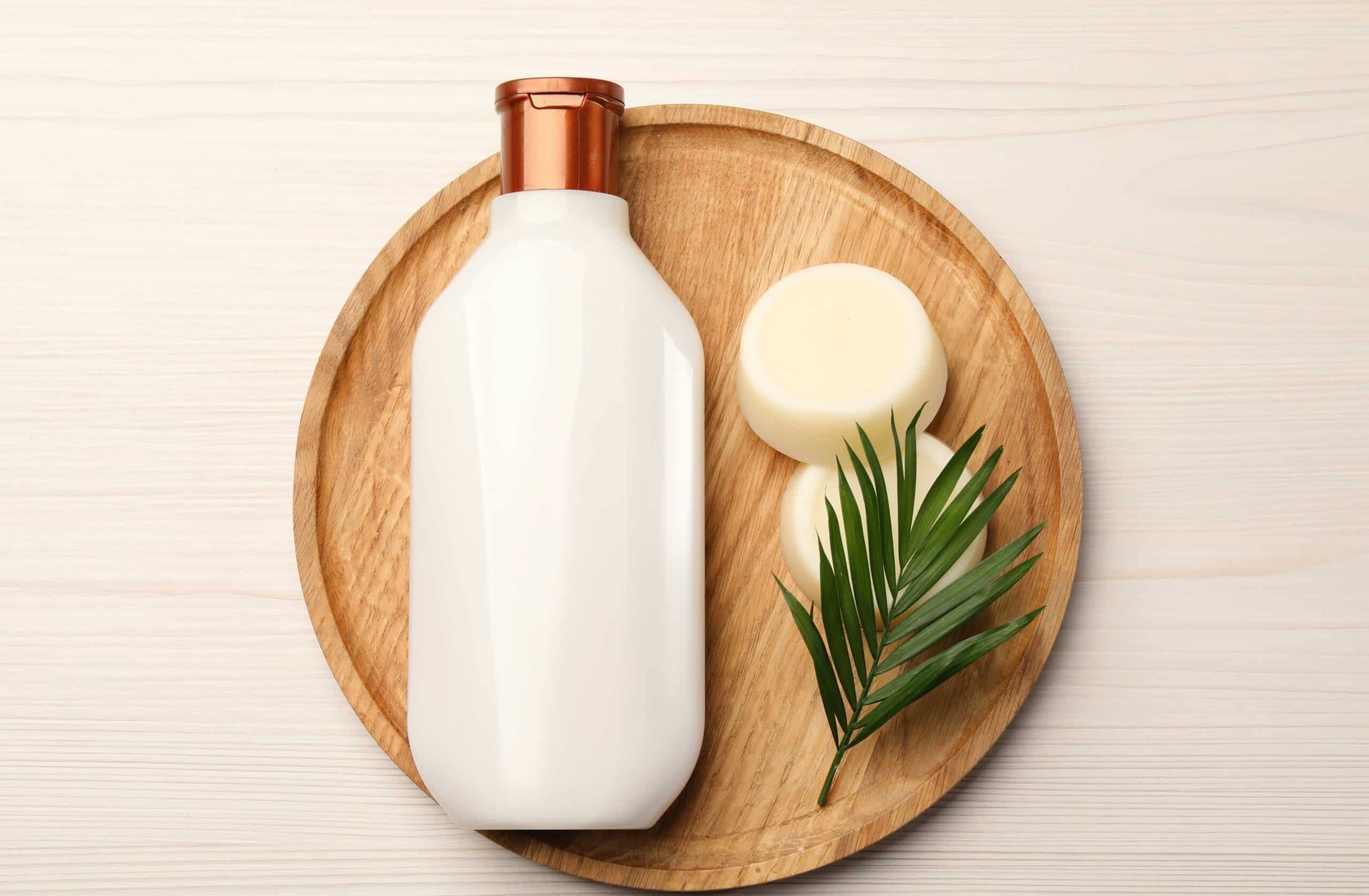
Private label shampoo.
What are Some of The Most Important Haircare Terms You Should Know as a Beginner?
1. Sulfates - These are cleansing agents commonly found in shampoos (e.g., sodium lauryl sulfate). They create foam but can strip the hair of natural oils. Many modern consumers look for “sulfate-free” options, especially those with curly, dry, or color-treated hair.
2. Parabens - A type of preservative used to extend shelf life. Some consumers avoid them due to potential health concerns, so many brands promote “paraben-free” formulations.
3. pH-balanced - Refers to a product's acidity level. Hair’s natural pH is slightly acidic (around 4.5–5.5). pH-balanced haircare helps maintain the hair’s cuticle health and scalp barrier.
4. Porosity - This describes how well hair absorbs and retains moisture. Low porosity hair resists moisture, while high porosity hair absorbs it quickly but loses it just as fast. Understanding porosity helps in developing effective products.
5. Co-wash (Conditioner Wash) - A cleansing method using conditioner instead of shampoo. Popular in curly hair routines, co-washes are gentler and help retain moisture.
6. Clarifying - Refers to shampoos designed to deep-clean and remove product buildup, hard water minerals, and excess oils. Often used once a week or before conditioning treatments.
7. Leave-in Conditioner - A lightweight conditioner left in the hair after washing to provide moisture, protection, and easier detangling - no rinsing required.
8. Heat Protectant - A product that protects hair from heat damage caused by styling tools like blow dryers, curling irons, and straighteners.
9. Humectants - Ingredients that attract moisture from the air into the hair (e.g., glycerin, panthenol). Often used in moisturizing products.
10. Silicones - Used to add shine and smoothness. Some are water-soluble, others aren’t, which can lead to buildup if not clarified regularly. Many consumers look for “silicone-free” products.
11. Protein Treatment - Products that strengthen hair by repairing damaged keratin structure. Ideal for brittle or chemically-treated hair, but can cause dryness if overused.
12. Scalp Health - A major trend in haircare, focusing on ingredients and products that nourish the scalp, balance oil production, and support hair growth.
Step-by-Step Guide to Starting a Haircare Brand
Step 1: Define Your Concept and Find Your Niche
Every successful haircare brand starts with a clear idea - a strong concept that solves a specific problem for a well-defined audience. The haircare market is crowded, which means having a generic product for "everyone" won’t cut through the noise. To stand out, your brand needs a niche: a focused segment of consumers with shared needs, desires, or challenges.
Start by identifying your ideal customer. Think beyond basic demographics like age and gender. Consider hair types (curly, straight, wavy, coily), hair concerns (thinning, breakage, dandruff, color-treated), and lifestyle or values (vegan, minimalist, budget-conscious, eco-friendly). Are you creating a luxury line for salon professionals? A no-fuss line for busy parents? A natural solution for postpartum hair loss?
Next, define the problem you’re solving. The best haircare brands are built around a mission helping customers feel more confident, solving daily frustrations, or making haircare more enjoyable. Whether it’s providing hydration for dry curls, soothing sensitive scalps, or delivering salon-quality results at home, your products should offer a meaningful solution.
Then, clarify your brand’s unique angle. What sets you apart from the countless other shampoos and serums on the market? Are you using clinically proven ingredients? Do you offer fragrance-free options? Are your formulas refillable, backed by trichologists, or inspired by traditional herbal remedies?
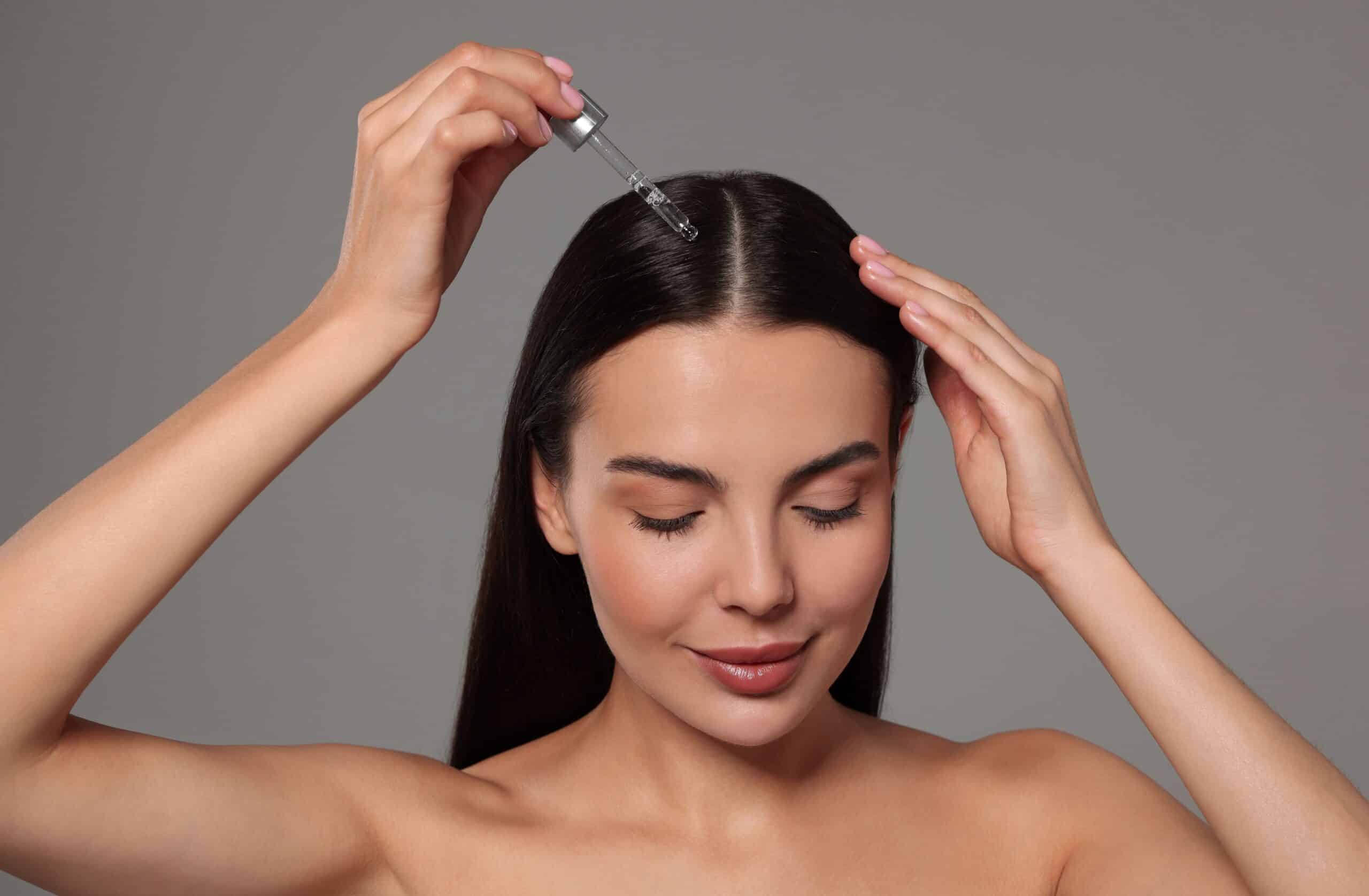
Scalp oil for sensitive skin.
This step is all about positioning - knowing who you’re speaking to, what they care about, and how your brand fits into their lifestyle. The clearer your concept, the easier it will be to design products they’ll love, write messaging that resonates, and build long-term brand loyalty.
Most importantly, choose a niche that aligns with your own passion, experience, and values. Building a brand takes time and energy, so you’ll want to create something that truly excites you and reflects your vision. When your brand has a clear purpose, it shows and customers will feel that authenticity.
Step 2: Conduct Market Research
Deep market research helps you validate your idea and learn from competitors.
- Analyze similar brands: What are they doing right? Where do they fall short?
- Explore current trends: Scalp care, microbiome-friendly formulas, and gender-neutral haircare are growing.
- Use keyword tools and social media: What are consumers searching for? What ingredients are trending on TikTok or Instagram?
- Survey potential customers: If possible, gather early feedback on your concept, ingredient preferences, or packaging ideas.
This research will help you refine your product ideas and identify key differentiators that set you apart.
Step 3: Build Your Product Line
Once your concept is clear, outline the product range you want to start with. Most brands begin with 1–3 hero products and expand as they grow. Consider:
- Shampoos: Volumizing, clarifying, moisturizing, color-safe
- Conditioners: Detangling, strengthening, deep repair
- Leave-in Treatments: Serums, oils, sprays, masks
- Styling Products: Mousses, gels, creams, heat protectants
- Scalp & Growth Solutions: Serums, exfoliants, oils
Decide whether you want to go with ready-made private label formulas or create custom products with your own ingredient list. Private label is faster and more affordable to start; custom formulation offers more control and uniqueness.
Step 4: Partner with the Right Manufacturer
Choosing the right manufacturing partner is one of the most important decisions you'll make when building your haircare brand. This partner is responsible not just for producing your products but for ensuring they meet the highest standards in quality, consistency, safety, and compliance. A reliable manufacturer can make your brand shine, while the wrong one can lead to delays, poor product performance, or even compliance issues.
Start by deciding between two common production models: private label and custom formulation.
- Private label means working with pre-developed formulations that you can rebrand and customize slightly (e.g., fragrance, packaging, or ingredients within limits). This is ideal for brands that want to launch quickly and test the market with proven products. It’s faster, often more affordable, and carries less risk.
- Custom formulation gives you the ability to create a product from scratch with your chosen ingredients, texture, scent, and performance characteristics. This option takes more time and budget but is perfect if you want to offer something truly unique and build a long-term brand with differentiated products.
Once you’ve chosen your approach, look for manufacturers with a proven track record in haircare. Not all cosmetic manufacturers specialize in shampoos, conditioners, or scalp treatments, so it's important to select a partner who understands the complexity of haircare formulas - from pH balance to ingredient compatibility.
Check for certifications such as ISO 22716 (Good Manufacturing Practices for cosmetics), GMP, or ECOCERT for natural/organic products. These certifications indicate the manufacturer follows strict standards in hygiene, safety, and quality control.
Also, make sure to confirm their flexibility with MOQs (minimum order quantities). Some factories may require high volumes that don’t suit a new brand's budget or sales forecast. On the other hand, manufacturers with low MOQs allow you to launch small and scale gradually as demand grows.
Platforms like Wonnda can simplify this process by connecting you directly with vetted manufacturers who specialize in haircare. You can browse suppliers, compare capabilities, request samples, communicate, and manage projects - all in one place.
Before committing, request product samples and documentation like MSDS (Material Safety Data Sheets), INCI lists (ingredient breakdowns), and certificates of analysis. This allows you to evaluate the quality and safety of the product and build confidence in the manufacturer.
Transparency, responsiveness, and good communication are also key signs of a strong partner. Ask questions. Request timelines. Clarify testing, compliance, and delivery terms upfront. A trustworthy manufacturer will be happy to walk you through their process and share the necessary documentation.
Step 5: Develop Your Branding and Packaging
Branding is more than a name and logo. It’s the identity, personality, and promise your business makes to the world. In the saturated haircare market, great branding is often what convinces a shopper to pick up your product for the first time. It's your chance to make a lasting impression, communicate your values, and build emotional connections with your target audience.
Brand Name
Your brand name should be short, memorable, and meaningful. It should evoke the feeling you want customers to associate with your product - whether that’s luxury, simplicity, nature, or results. Before falling in love with a name, check that it’s legally available: search trademark databases in your launch countries and secure a matching domain name and social media handles. This step ensures you’re building a brand with room to grow and scale.
Visual Identity
A strong visual identity creates consistency across all customer touchpoints - from your website and packaging to your Instagram feed and email newsletters. Choose a color palette, logo, typography, and photography style that reflect your brand’s personality and resonate with your audience. For example, muted tones and minimal design may suit a wellness-focused brand, while bold colors and playful fonts may work better for a Gen Z line.
Packaging Design
Haircare products are used in daily routines, so packaging needs to be both functional and visually appealing. Choose bottle types and dispensing systems (pumps, sprays, jars, tubes) based on product texture and user convenience. Consider materials - glass, PCR plastic, or refillable pouches - that reflect your sustainability goals and consumer expectations.
Your packaging should communicate essential details at a glance: product name, benefits, key ingredients, and usage instructions. But it should also reflect your brand’s personality and quality - think of it as your silent salesperson on the shelf.
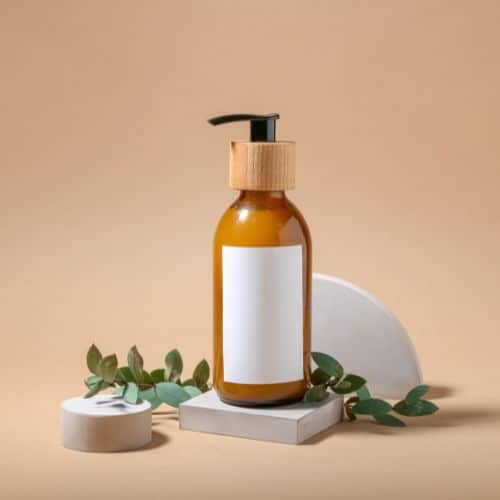
Work with designers who understand cosmetic and personal care labeling requirements, especially in regulated markets like the EU. You’ll need to include elements like INCI ingredient lists, product volume, manufacturing or expiration dates, and more.
Messaging & Brand Story
Great brands don’t just sell products - they tell stories. Who are you? Why did you create this line? What makes your products different or better? Are you a stylist who couldn’t find what your clients needed? A scientist focused on results-driven formulas? A mom frustrated with greenwashing?
Share your “why” in a way that speaks to your audience’s values and experiences. Build trust by showing the human side of your brand. Explain your mission, ingredient choices, and the benefits customers can expect. Your messaging should be clear, consistent, and authentic - on your packaging, website, social media, and everywhere else your brand shows up.
Back Up Your Claims
Lastly, be careful with product claims. If your shampoo promises “moisturizing,” “strengthening,” or “damage repair,” those benefits should be supported by the product’s formulation and (ideally) validated through testing. Misleading claims not only damage consumer trust but can also result in regulatory issues depending on your market.
Step 6: Handle Compliance and Testing
Haircare products are regulated differently depending on your region. Make sure your manufacturer complies with cosmetic regulations in the EU or your target market.
- Request ingredient safety data and allergen statements
- Ensure packaging includes all legally required information (INCI list, volume, batch number, etc.)
- Consider stability testing, challenge testing, and dermatological tests if making sensitive claims
Compliance is key for building trust and protecting your brand.
Step 7: Set Up Operations and Logistics
Decide how you’ll handle inventory, fulfillment, and sales:
- Inventory: Will you hold stock yourself or use a fulfillment center?
- Fulfillment: Choose between self-shipping, 3PL (third-party logistics), or drop shipping.
- Ecommerce: Set up a Shopify, WooCommerce, or other ecommerce store with clear navigation, product pages, and check-out flow.
- Retail/Salon Sales: If you're going B2B, prepare line sheets and pitch materials.
Plan for storage conditions (important for natural or preservative-free products) and logistics, especially if you're shipping internationally.
Step 8: Launch and Promote Your Brand
After months of planning, developing, and testing, it’s finally time to introduce your haircare brand to the world. A successful launch doesn’t require a massive budget - what matters more is a strategic, consistent, and authentic approach to promotion. The goal is to build awareness, generate interest, and start building a loyal customer base from day one.
Start with a Strong Pre-Launch Strategy
Before your official launch, generate buzz with a pre-launch campaign. Build an email waitlist, tease your product visuals on social media, and share behind-the-scenes content about your brand story, product development, or packaging journey. Give your audience a reason to get excited - limited-time offers, early access, or giveaways are great incentives to build momentum.
Social Media Marketing
Platforms like Instagram, TikTok, and Pinterest are essential for haircare brands, where visual content and personal transformations perform well. Focus on creating high-quality content that showcases:
- Haircare routines using your products
- Before-and-after results
- Ingredient spotlights
- Styling tips and tutorials
- Customer reviews and testimonials
- Behind-the-scenes of your startup journey
Use trending audio, hashtags, and short-form video formats to improve reach. Social media isn't just about promotion - it's about building a relatable, shareable brand presence.
Influencer and Creator Collaborations
Work with micro-influencers, beauty creators, or hairstylists who have trust with niche audiences. These partnerships can significantly expand your reach and help build credibility. Look for creators who align with your brand’s values and aesthetics, and offer product seeding, discount codes, affiliate programs, or paid collaborations based on your budget.
User-generated content (UGC) is especially powerful. Encourage your customers to post their own haircare results, routines, and unboxings. Reposting their content creates social proof and makes your brand feel more community-driven.
Content Marketing & Education
Build trust by becoming a resource for your audience. Start a blog or video series focused on haircare tips, ingredient education, and FAQs about your product line. Content marketing is not just good for SEO - it positions your brand as an expert and helps potential customers make informed decisions.
Use email marketing to stay connected with your subscribers. Share helpful content, exclusive offers, product updates, and personalized recommendations. A welcome email series can introduce new customers to your story, product benefits, and values.
Community Building and Customer Engagement
Turn early customers into loyal fans by building a community around your brand. Respond to DMs and comments, celebrate customer wins, and spotlight real users. Loyalty programs, referral rewards, and personalized thank-you notes can go a long way in making customers feel valued.
You can also create a private Facebook group, Discord community, or branded hashtag to bring your most engaged customers together. This sense of belonging often leads to higher retention, more word-of-mouth, and better feedback loops.
Track KPIs and Optimize
Monitor your key performance indicators (KPIs) to measure the effectiveness of your efforts. Track metrics like:
- Website traffic and conversion rates
- Social media engagement and follower growth
- Sales, repeat purchases, and average order value
- Email open and click-through rates
- Customer reviews and satisfaction
Use these insights to tweak your messaging, optimize campaigns, and double down on what’s working. Whether it’s a specific product, influencer partnership, or content format - let the data guide your next move.
Step 9: Learn, Iterate, and Scale
Launching your haircare brand is a major milestone, but it’s only the beginning. The real growth happens in the post-launch phase, where you gather insights, respond to real-world feedback, and fine-tune your brand to better meet customer needs. This stage is all about being agile, curious, and open to change.
Collect Customer Feedback Regularly
Your customers are your most valuable source of insight. Pay close attention to product reviews, comments on social media, customer service interactions, and email responses. Run periodic surveys to ask specific questions about product performance, scent preferences, packaging, or what they’d like to see next. Even seemingly small feedback like difficulty with a pump or unclear label instructions can help you make meaningful improvements.
You can also set up automated post-purchase review requests or incentivize feedback with discounts or loyalty points. These insights are not only useful for product development, but they also make customers feel heard and appreciated.
Analyze Your Data
Look at your sales trends, website analytics, return rates, and customer behavior patterns. Which product is selling best? Which one gets added to cart but not purchased? Are customers coming back for repeat orders, or is churn high?
Use this data to inform your decisions, whether that means updating your product line, tweaking your pricing, or reworking your product descriptions. Tools like Google Analytics, Shopify reports, Klaviyo, and customer support data can give you a detailed view of what’s working and what’s not.
Refine Your Product Line
Based on customer feedback and data, refine and optimize your product offering. This could mean improving the formula, switching packaging, adjusting scent profiles, or even retiring underperforming SKUs.
At the same time, look for opportunities to introduce new formats that offer convenience and variety. Popular additions include:
- Travel-sized products for sampling or on-the-go use
- Refill pouches to reduce waste and appeal to eco-conscious shoppers
- Bundles and kits to increase average order value and simplify routines
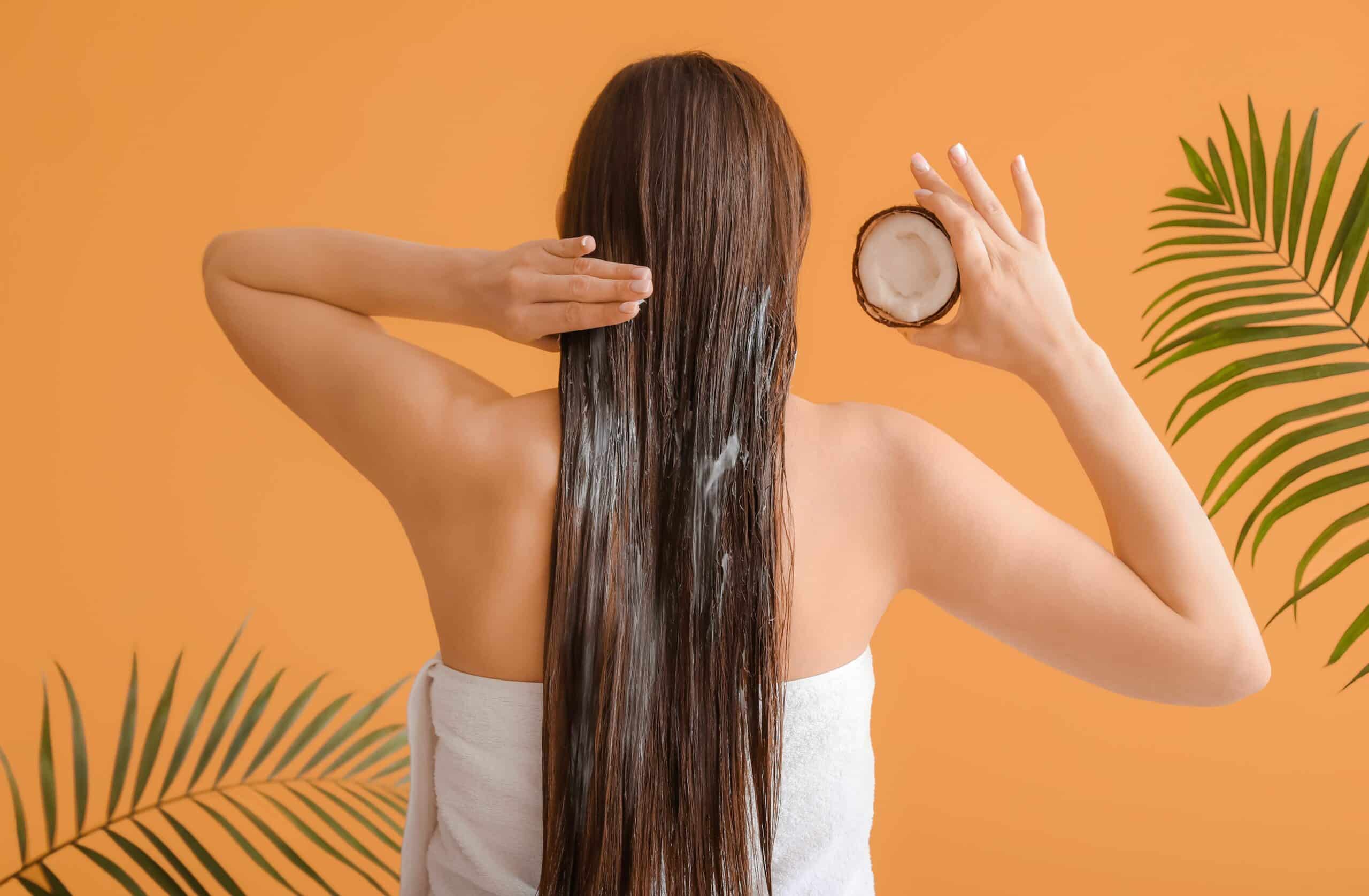
Leave in hair mask.
Expanding your product line thoughtfully can deepen customer loyalty and increase lifetime value.
Explore New Sales Channels
As your brand gains traction, consider expanding beyond direct-to-consumer (DTC) channels. Evaluate:
- Wholesale and retail partnerships with salons, boutiques, or beauty stores
- Online marketplaces like Amazon, Notino, or niche beauty platforms
- International markets with demand for high-quality, niche European haircare brands
Be sure to research compliance, labeling, and marketing regulations in each new region before scaling globally.
Optimize Operations as You Grow
Growth brings complexity. As demand increases, you may need to optimize your supply chain, inventory management, customer service, and fulfillment.
Partner with scalable manufacturers who can handle higher volumes, and explore using third-party logistics (3PL) providers for faster and more efficient order fulfillment. Automate processes where possible, but don’t lose the human touch - especially when it comes to customer engagement and brand storytelling.
Stay True to Your Brand Mission
As you iterate and scale, stay grounded in your original mission and values. Growth should enhance what your brand stands for, not dilute it. Whether your focus is clean ingredients, inclusive beauty, performance-first products, or sustainability - keep reinforcing your core message in everything you do.
Continue Innovating
The most successful brands are never static. Keep learning about your market, testing new ideas, and staying ahead of trends. Attend industry events, follow ingredient innovation, and collaborate with your customers to co-create your next big product.
Is It Still Profitable to Start a Haircare Brand in 2025?
Yes, starting a haircare brand in 2025 can still be highly profitable especially for founders who carve out a strong niche and offer real value. The global haircare market continues to grow, driven by rising consumer awareness around scalp health, ingredient transparency, and personalized routines.
Trends like clean beauty, gender-neutral products, and multicultural haircare create space for innovation and new brands to thrive. The barriers to entry are also lower than ever thanks to private label manufacturing, platforms like Wonnda, and digital-first distribution models. While competition is strong, consumers are always on the lookout for authentic, effective products, and many are willing to switch brands if they find one that better aligns with their needs or values.
Summary
Starting a haircare brand begins with identifying a clear niche and target audience, such as focusing on scalp health, curly hair care, or clean formulations. Success depends on developing high-quality products like shampoos, conditioners, and serums with safe, effective ingredients. Building a strong brand identity, from packaging to messaging, helps create emotional connections with consumers. Partnering with a reliable manufacturer is essential for consistent quality and scalability. A thoughtful go-to-market strategy, including social media, influencer outreach, and direct-to-consumer sales, drives awareness and growth. Continuous feedback and iteration keep the brand relevant and competitive.
Related articles

15+ Best Longevity Supplements - 2026 List
10+ Best Products to Sell from Home in 2026
Best Products to Sell on Instagram in 2026

10 Innovative Creator Economy Startups to Watch in 2026
How to Start a Skincare Line: 2026 Guide

The 10 Best Brain-Boosting Focus Supplements in 2026
Cannabis Benefits, Regulations, and CBD Ideas in 2026
The Top 5 Natural Ingredients for Your Supplement Brand in 2026