Amazon FBA: Best Private Label Products to Sell in 2026


Key takeaways:
- Private label products on Amazon are items produced by one company but sold under another company's brand. Individuals or small businesses typically create these products, identifying market opportunities, developing their brand, and outsourcing manufacturing to third-party producers.
- Selling private label products on Amazon offers increased profit margins, brand control, reduced competition, and enhanced marketing opportunities.
- To successfully sell private label products on Amazon, follow a structured approach: brainstorm product ideas, conduct market research, find reliable manufacturers (e.g., using Wonnda), create compelling branding, choose a fulfillment strategy, list the product, and continuously optimize the listing.
What are Amazon private label products?
Private label products on Amazon are items manufactured by one company and sold under another company's brand name. These products are created by private sellers, often individuals or small businesses, rather than Amazon itself. These sellers identify market opportunities, develop their own brand, and outsource the manufacturing of their products to third-party manufacturers. The products are then marketed and sold on Amazon under their own brand names.
Advantages of selling private label products on Amazon
Selling private label products on Amazon offers several advantages, making it an attractive option for entrepreneurs and businesses looking to expand their product offerings. Here are some key benefits:
- Increased Profit Margins: By selling private label products, you can eliminate intermediaries and reduce production costs, resulting in higher profit margins compared to reselling established brands.
- Brand Control: Private labeling allows you to create and build your own brand identity. This means you can control the quality, packaging, and marketing of your products, which can help establish customer loyalty and recognition.
- Market Demand Insight: Amazon provides extensive data and analytics tools, such as Amazon's Best Sellers Rank and customer reviews, which help identify trending products and market gaps. This data can guide your product development and inventory management, ensuring you meet consumer demand effectively.
- Reduced Competition: Private label products face less direct competition than generic products, as they are unique to your brand. This can lead to better visibility and higher sales on the Amazon platform.
- Enhanced Marketing Opportunities: Amazon offers various marketing tools and programs for private label sellers, such as Amazon Advertising, Sponsored Products, and Amazon Vine. These tools can help increase product visibility and drive sales.
- Customer Trust and Loyalty: As you build a reputation for quality and reliability, customers are more likely to return to your brand for repeat purchases. Positive reviews and high ratings can further enhance trust and loyalty.
- Scalability: With Amazon’s vast logistics network and fulfillment services (FBA), you can scale your business quickly without worrying about warehousing, shipping, and customer service. This allows you to focus on growing your product line and brand presence.
- Global Reach: Amazon’s global marketplace enables you to reach customers worldwide. Private label products can be sold across multiple Amazon marketplaces, expanding your customer base and increasing sales potential.
These advantages make selling private label products on Amazon a strategic move for those looking to build a successful e-commerce business. By leveraging Amazon’s platform, sellers can achieve significant growth and brand recognition in a competitive market.
How to find and sell private label products on Amazon?
1. Brainstorm product ideas
Finding the right product to sell is the foundation of a successful private label business on Amazon. To start brainstorming product ideas, look for inspiration from multiple sources. Firstly, pay attention to trends in physical retail stores. When visiting local stores, observe the new and trendy items that might not yet be available on larger platforms like Amazon. For instance, a unique kitchen gadget or a novel beauty product can be a great idea.
Secondly, explore Amazon itself. Use Amazon’s best sellers section and browse through various categories and subcategories to identify products that are gaining popularity. Checking what other sellers are offering in their storefronts can also provide valuable insights.
Additionally, leveraging social media platforms like Instagram, TikTok, and Pinterest can be incredibly useful. On these platforms you can find viral trends and innovative products. Keep an eye on what influencers and trendsetters are talking about.
When brainstorming, consider products that are lightweight, easy to ship, and not overly complex. Avoid seasonal items and regulated goods that might require additional compliance and certifications. The goal is to find products that are easy to manufacture, have steady demand, and minimal competition.
2. Conduct market research
Once you have brainstormed a few potential product ideas, the next crucial step is to conduct thorough market research. This step helps validate your product choices and ensures there is sufficient demand while minimizing competition. Start by performing a comprehensive search on Amazon using your product idea keywords. For instance, if you are considering selling energy drinks, search for that term on Amazon to see what comes up.
Use tools like Jungle Scout's Chrome Extension to analyze the search results. This tool provides valuable data such as average monthly sales, average reviews per product, and the price range. Look for products that sell between 250 to 400 units per month. This sales volume indicates healthy demand without being overly saturated. Additionally, aim for products with fewer than 100 reviews on average to avoid intense competition.
Evaluate the top listings for your product idea. Pay attention to their titles, descriptions, images, and customer reviews. This will help you understand what customers are looking for and identify any gaps or opportunities to differentiate your product. Look for common complaints or suggestions in the reviews; these insights can guide improvements for your product.
Beside Amazon, explore other online marketplaces like eBay, Etsy, and Alibaba to check interest and demand for similar products. Investigate social media platforms and forums where your target customers are. This can provide qualitative data about what people like or dislike about existing products. Lastly, keep an eye on broader market trends. Use Google Trends to see the popularity of your product idea over time. If the interest is growing, it might be a good sign to continue.
3. Find manufacturers for your product
Once you have a solid product idea and have conducted thorough market research, the next critical step is to find a reliable manufacturer. This step is essential as it affects your product’s quality, cost, and availability. Using Wonnda is an excellent way to connect with reputable manufacturers. Wonnda specializes in private label products, offering a curated selection of manufacturers who have been vetted for quality and compliance. Start by signing up on the Wonnda platform and browsing through the extensive list of manufacturers. You can search for your specific product type and explore various manufacturers' offerings.
On Wonnda, you can view detailed profiles of each manufacturer, including their product range, certifications, and production capabilities. This transparency helps you make informed decisions about potential partners. When you find manufacturers that match your criteria, reach out to them directly through the platform. Communicate your requirements, including product specifications, customization options, pricing, and minimum order quantities (MOQs).
Wonnda also facilitates sample requests, allowing you to evaluate the product quality before committing to a large order. This step is crucial to ensure that the manufacturer can meet your standards and expectations. Additionally, the platform provides tools for secure communication and transaction management, ensuring a smooth and reliable process from inquiry to order fulfillment.
4. Work on the logo, design and packaging
Creating a compelling brand identity is crucial for the success of your private label product on Amazon. This involves developing an eye-catching logo, appealing product design, and functional yet attractive packaging. Each of these elements plays a significant role in how customers perceive your product and brand.
Start with your logo. Your logo is the face of your brand and should be memorable and representative of your brand’s values. If you don’t have graphic design skills, consider hiring a professional designer. Platforms like Fiverr, Upwork, or 99designs offer access to talented designers who can create a high-quality logo tailored to your specifications.
Next, focus on the product design. The design should be unique and visually appealing to stand out in a crowded marketplace. Look at the top-selling products in your category on Amazon and identify what makes their design successful. Aim to create a design that not only looks good but also enhances the user experience. Consider elements like color schemes, shapes, and usability features that can make your product more attractive to potential buyers.
Packaging is equally important as it serves both protective and promotional purposes. Your packaging should keep the product safe during shipping and handling while also being visually appealing. Good packaging can enhance the customer’s unboxing experience, which can lead to positive reviews and repeat purchases. Include your logo on the packaging, and ensure that it’s durable and eco-friendly if possible, as consumers increasingly value sustainability.
For assistance with design and packaging, Wonnda can be a valuable resource. The platform connects you with manufacturers who often provide comprehensive services, including product design and packaging solutions. By collaborating with these manufacturers, you can ensure that your product not only meets quality standards but also looks professional and appealing.
5. Decide on the fulfillment strategy
Selecting the right fulfillment strategy is a critical step in ensuring your private label product's success on Amazon. Your fulfillment strategy affects everything from inventory management and shipping times to customer satisfaction and overall operational costs. There are several options to consider, each with its advantages and challenges.
Fulfillment by Amazon (FBA): One of the most popular options is Fulfillment by Amazon (FBA). With FBA, you send your products to Amazon’s fulfillment centers, and they handle storage, packaging, shipping, and customer service. FBA products are eligible for Amazon Prime, which can significantly boost your sales. However, FBA fees can add up, so it's essential to consider these costs in your pricing strategy.
Self-Fulfillment (FBM): Another option is Fulfillment by Merchant (FBM), where you handle storage, packaging, and shipping yourself or through a third-party logistics provider. This approach gives you more control over your inventory and can be more cost-effective, especially for larger or slower-moving items.
Third-Party Logistics (3PL): Using a third-party logistics provider can offer a balance between the convenience of FBA and the control of FBM. 3PL companies handle warehousing, order fulfillment, and shipping on your behalf. This option can be tailored to your specific needs, allowing you to scale operations without investing in your infrastructure.
Hybrid Approach: Many sellers choose a hybrid approach, combining FBA and FBM/3PL strategies. For example, you might use FBA for fast-moving items that benefit from Prime eligibility and handle slower-moving or oversized products through FBM or a 3PL provider.
6. List your products on Amazon
Listing your private label product on Amazon is a crucial step that requires careful attention to detail. A well-optimized product listing can significantly impact your product’s visibility, conversion rate, and overall sales. Here’s how to create a compelling and effective product listing on Amazon.
Create a Seller Account: If you haven’t already, start by creating a professional seller account on Amazon. This account type provides you with access to various tools and resources needed for listing and managing your products.
Product Title: The product title is one of the most important elements of your listing. It should be clear, concise, and include relevant keywords that customers might use to search for your product.
Product Images: High-quality images are essential for attracting customers. Amazon allows up to nine images per listing, including a main image and additional photos showing the product from various angles, in use, and highlighting key features.
Bullet Points: Use the bullet points section to highlight the main features and benefits of your product. Keep them concise and easy to read. Focus on what makes your product unique and why customers should choose it over competitors.
Product Description: The product description provides more detailed information about your product. This section should be engaging and informative, giving potential buyers a comprehensive understanding of the product's features, benefits, and usage.
Keywords: Keywords play a vital role in your product’s searchability. Use Amazon’s search terms field to include relevant keywords that didn’t fit naturally into your title or bullet points.
Pricing: Set a competitive price for your product. Consider your production costs, Amazon fees, and competitor pricing. Offering discounts or promotions can also attract initial buyers and boost your product’s ranking.
Product Category: Ensure that your product is listed in the correct category and subcategory. This makes it easier for customers to find your product and ensures it appears in relevant searches.
7. Optimize your Amazon listing
Optimizing your Amazon listing is crucial for maximizing visibility, increasing conversions, and boosting sales. Here’s how to ensure your product stands out in a crowded marketplace:
Refine Keywords: Keywords are vital for search visibility. Conduct thorough keyword research using tools like Jungle Scout, Helium 10, or Amazon’s own keyword planner. Identify high-ranking, relevant keywords and incorporate them naturally into your title, bullet points, product description, and backend search terms.
Optimize Bullet Points: The bullet points should highlight the key features and benefits of your product and be consistently optimized. Focus on what sets your product apart and why customers should choose it. Use clear, concise language and include keywords naturally.
Revise Product Description: Your product description should provide detailed information about the product, its features, and benefits. Use this section to tell your brand story and connect with potential buyers.
Leverage A+ Content: If you’re enrolled in Amazon’s Brand Registry, take advantage of A+ Content (formerly Enhanced Brand Content). This allows you to add more detailed product descriptions, high-quality images, comparison charts, and a brand story, enhancing the overall customer experience and boosting conversion rates.
Monitor and Respond to Reviews: Customer reviews and ratings significantly influence buying decisions. Encourage satisfied customers to leave positive reviews and promptly address any negative feedback. Positive reviews can be highlighted in your product description or bullet points.
A/B Testing: Continuously test different elements of your listing, such as images, titles, and bullet points, to determine what works best. Tools like Splitly can help run A/B tests and provide insights on which variations drive higher conversions.
How to Price Private Label Products on Amazon?
Private label products on Amazon should not be priced significantly lower than competitors. Instead, these products should stand out through great design, packaging, and compelling marketing language. Providing great customer service after the sale also makes these products more appealing and memorable.
As a general guideline, prices should remain within 20% of competitors’ average sales prices. For instance, if water bottles on average cost around 25€, pricing should ideally be between 20€ and 30€.
Additionally, it is advisable to launch private label products priced between 20€ and 50€. Pricing below $20 can cause no profitability after accounting for costs and advertising, while pricing above 50€ may result in slower conversion rates and potential negative reviews due to higher consumer expectations.
How profitable is Amazon private label?
Selling private label products on Amazon can be highly profitable, largely due to higher profit margins, brand control, and scalability. Creating your own brand allows for better control over product quality and customer experience, which can lead to increased customer loyalty and repeat purchases. While initial investment and costs are necessary, careful planning and strategic execution can lead to significant profits. Many private label sellers report substantial earnings, with some achieving six-figure revenues annually, highlighting the potential for high profitability on Amazon.
Identifying the Best Private Label Products to Sell on Amazon
When selecting private label products to sell on Amazon, it's essential to consider factors such as demand, competition, and profitability. Some of the most popular private label product categories include:
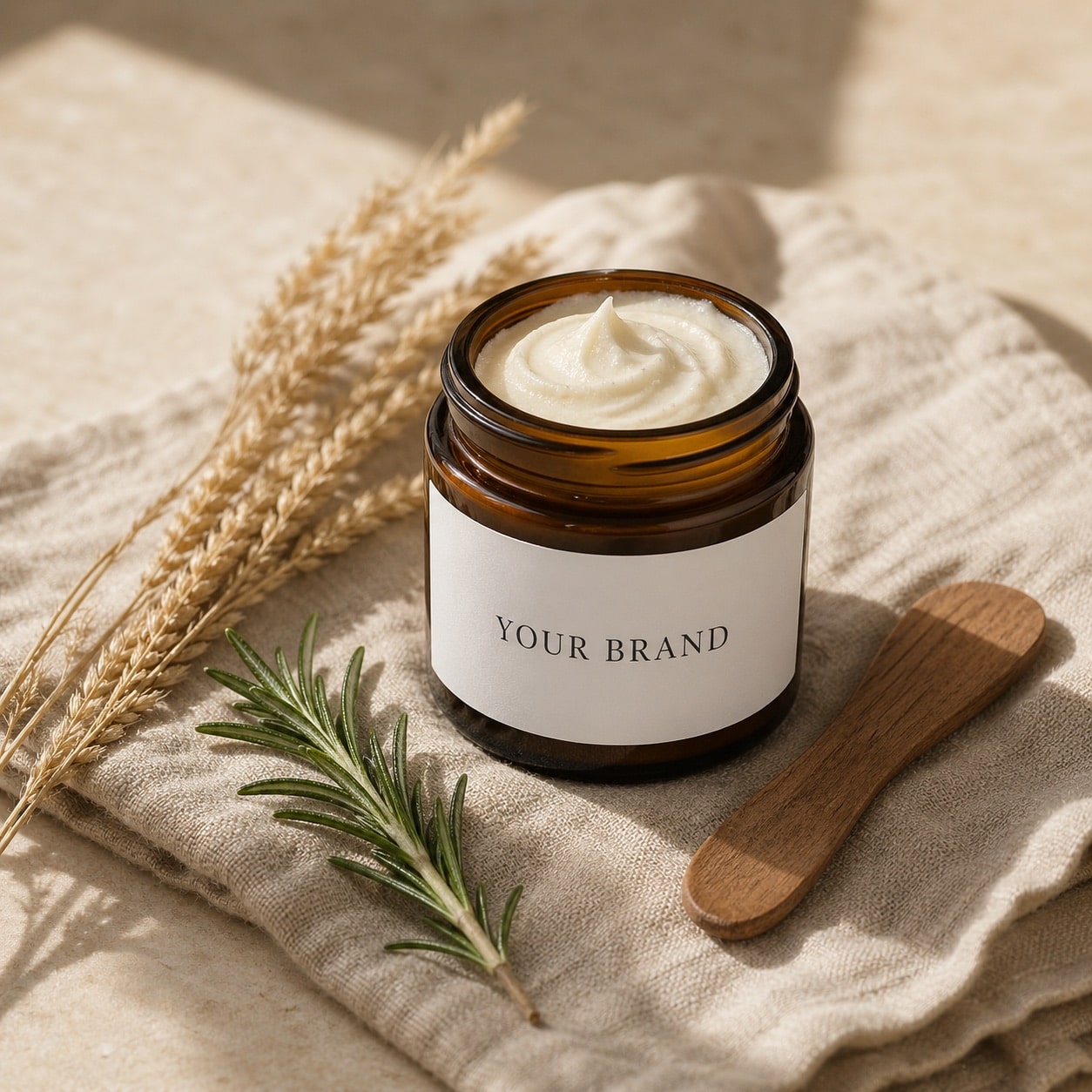
1. Organic Skincare Products
High-quality, natural skincare products such as face serums, creams, and cleansers appeal to consumers looking for eco-friendly and chemical-free options.
2. Eco-friendly Kitchen Gadgets
Reusable silicone food storage bags, beeswax wraps, and stainless steel straws cater to environmentally conscious consumers looking to reduce plastic waste in their homes.
3. Fitness Accessories
Resistance bands, foam rollers, and yoga mats are popular among fitness enthusiasts who want to maintain a healthy lifestyle and exercise at home.

4. Smart Home Devices
Wi-Fi smart plugs, smart light bulbs, and smart thermostats cater to the growing market of consumers interested in home automation and energy efficiency.
5. Sustainable Fashion Items
Organic cotton clothing, bamboo socks, and eco-friendly shoes appeal to consumers who value ethical and environmentally friendly fashion.
6. Travel Accessories
Packing cubes, travel pillows, and portable chargers are in demand among travelers who seek convenience and organization while on the go.
7. Pet Care Products
Natural pet treats, eco-friendly pet toys, and orthopedic pet beds cater to pet owners who prioritize their pets' health and well-being.
8. Phone and Tablet Accessories
Phone cases, screen protectors, and portable chargers are popular items among tech-savvy consumers who want to protect and enhance their devices' functionality.
9. Baby and Child Care Products
Organic baby clothing, silicone bibs, and non-toxic toys appeal to parents who prioritize their children's health and safety.
10. Home Office Essentials
Ergonomic desk chairs, laptop stands, and noise-canceling headphones cater to the growing market of remote workers and professionals looking to improve their home office setup.
Sourcing Strategies for Private Label Products
Once you have identified the right product category, the next step is sourcing the products from reliable manufacturers or suppliers. Here are some strategies for successful private label product sourcing:
- Research and Analysis: Conduct thorough market research and analyze competitor offerings to identify gaps and opportunities for your private label products.
- Establish Clear Specifications: Develop detailed product specifications, including design, materials, and quality requirements, to ensure your products meet customer expectations.
- Find Trusted and Verified Suppliers: Partner with reliable suppliers who have a proven track record of producing high-quality products and meeting deadlines.
- Negotiate Favorable Terms: Negotiate with suppliers to secure the best possible pricing, lead times, and payment terms.
- Order Samples: Test product quality, packaging, and shipping by ordering samples before committing to a large order.
How Wonnda Can Help You Succeed with Private Label Products on Amazon
Wonnda is a leading B2B platform for private label sourcing in Europe, offering numerous benefits for Amazon sellers seeking to source high-quality products. By choosing Wonnda, you can:
- Access Trusted and Verified Suppliers: Wonnda connects you with reliable European manufacturers that specialize in producing consumer goods across various categories.
- Achieve High Match Rates: With an 80% match rate between buyers and suppliers, Wonnda increases the likelihood of finding the perfect partner for your private label business.
- Order Samples Easily: Streamline the sample ordering process by requesting samples directly within the Wonnda platform.
- Utilize a Comprehensive Software Suite: Take advantage of Wonnda's software suite that simplifies collaboration, eliminates errors, and accelerates product launches.
- Save Time and Money: Wonnda's efficient platform allows you to launch products faster and at a lower cost, increasing your profitability on Amazon.
Source with Wonnda for Amazon Private Label Success
In conclusion, selecting the right private label products to sell on Amazon is crucial for your success. By utilizing effective sourcing strategies and partnering with a platform like Wonnda, you can maximize your chances of finding and launching profitable products. Here's how Wonnda can contribute to your Amazon private label success:


Access a Network of Reliable European Suppliers
Wonnda connects you with a wide range of trusted and verified suppliers across Europe, specializing in various consumer product categories. By sourcing from these suppliers, you can ensure your products are high-quality and adhere to "Made in Europe" standards, which can be a significant selling point for your brand.
Benefit from High Match Rates
With an impressive 80% match rate between buyers and suppliers, Wonnda increases the likelihood of finding the perfect partner for your private label business. This high match rate means you can save time and resources in your search for the right supplier.
Streamline the Sample Ordering Process
To ensure product quality and customer satisfaction, it's essential to order samples before committing to a large order. Wonnda simplifies this process by allowing you to request samples directly within the platform, making it easier for you to evaluate potential suppliers and products.
Leverage a Comprehensive Software Suite
Wonnda offers a complete software suite that simplifies collaboration, eliminates errors, and accelerates product launches. By using these tools, you can streamline the entire sourcing process, from initial communication to final product delivery.
Save Time and Money on Product Launches
By partnering with Wonnda, you can enjoy a more efficient and cost-effective product sourcing experience. The platform's user-friendly interface and comprehensive features allow you to launch products faster and at a lower cost, ultimately increasing your profitability on Amazon.
In summary, sourcing the right private label products on Wonnda can significantly enhance your chances of success on Amazon. With its extensive network of European suppliers, high match rates, and comprehensive tools, Wonnda is the ideal partner for your Amazon private label journey.
Related articles

Best Clothing Manufacturers in Europe - 2026 Guide by Wonnda
10+ Best Beauty Manufacturers in the US (2026 List)

How to Find a Manufacturer for Your Product (2026 Guide)

European Suppliers: How to find the best EU suppliers in 2026

10 Best European Sourcing Agencies To Find Suppliers & Launch Your Product
How to Start a Premium Private Label Cookware Brand: The Complete Guide
5+ Best Private Label Nonstick Cookware Manufacturers
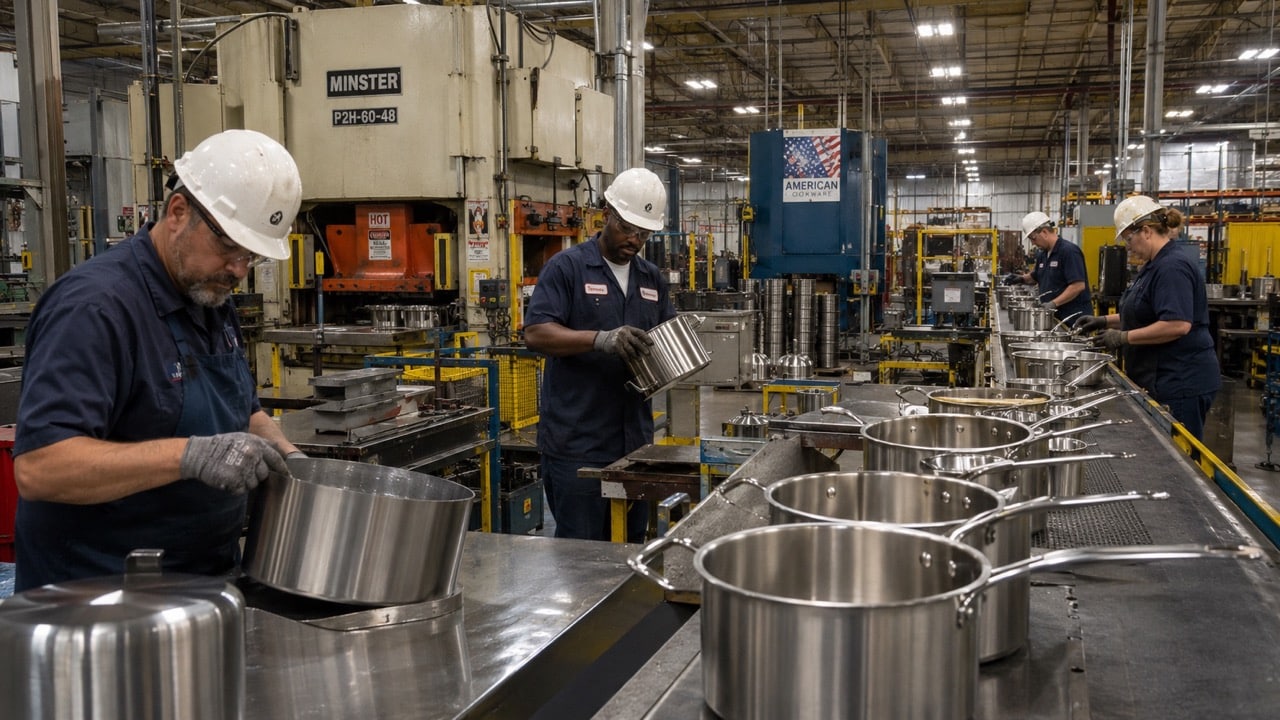
5+ Best Private Label Cookware Manufacturers in the USA (2026)