Matcha Trend 2026 - Why matcha is so popular

Key Takeaways
Matcha is no longer just a café fad, it’s a global B2B opportunity. From functional beverages to beauty products and supplements, the matcha trend is reshaping the food and wellness industries.
As demand grows, sourcing authentic, traceable, and certified matcha has become a priority for brands. This comprehensive guide explains why matcha is so popular, where to find the best matcha suppliers, and how Wonnda, the leading sourcing platform, connects brands with verified Matcha producers.
The Global Matcha Trend
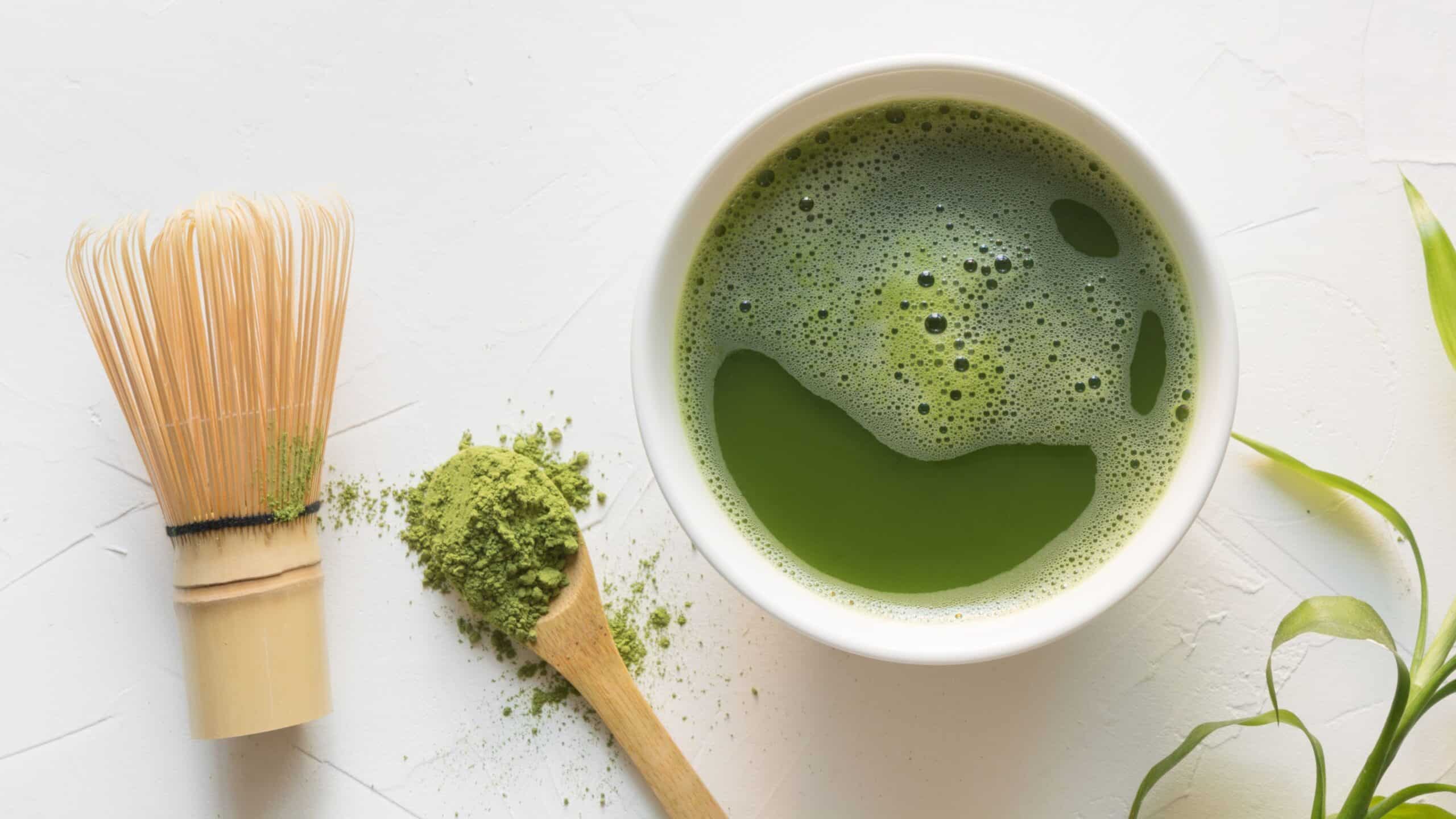
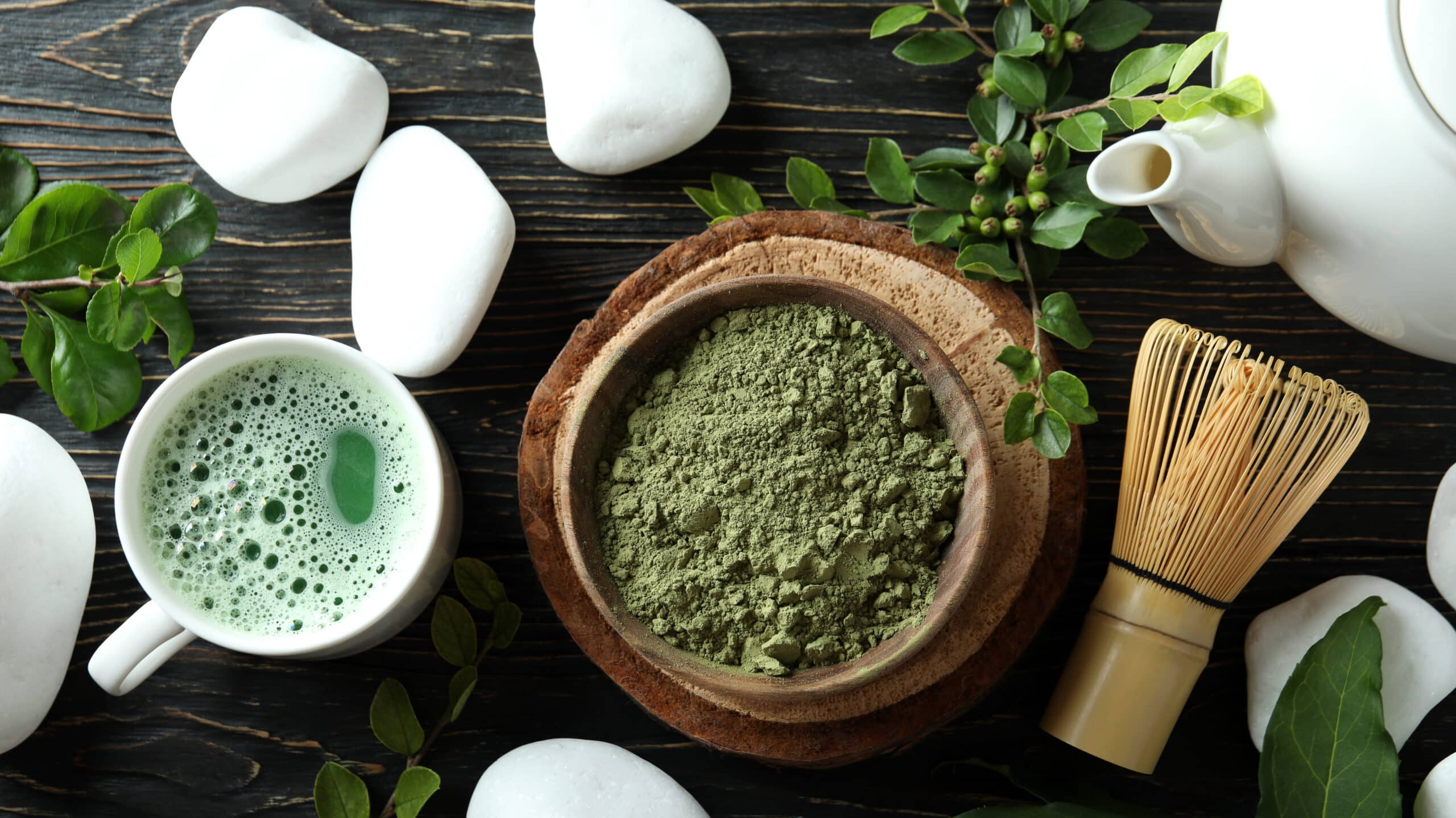
This year, matcha sits at the intersection of health, sustainability, and lifestyle aesthetics. Consumers are demanding functional, natural ingredients that provide tangible wellness benefits. Matcha—pulverized green tea leaves rich in antioxidants and L-theanine—fits perfectly into this narrative.
Market Growth
The global matcha market was valued at around USD 4.5 billion in 2024 and is expected to surpass USD 5.7 billion by 2027, growing at a CAGR of over 8%. Europe is one of the fastest-growing regions, particularly in Germany, France, and the Nordics, where demand for clean-label, organic products is accelerating.
Cross-Industry Adoption
Once limited to traditional tea ceremonies, matcha now powers:
- Beverages: Ready-to-drink lattes, smoothies, energy shots.
- Food & Snacks: Matcha cookies, protein bars, and chocolates.
- Supplements: Matcha capsules, gummies, and nutraceuticals.
- Cosmetics: Matcha-infused creams, masks, and cleansers.
The matcha trend now merges lifestyle, nutrition, and beauty—creating opportunities for both startups and established FMCG brands.
Why Is Matcha So Popular and What's Behind The Matcha Trend?
1. Functional Health Benefits
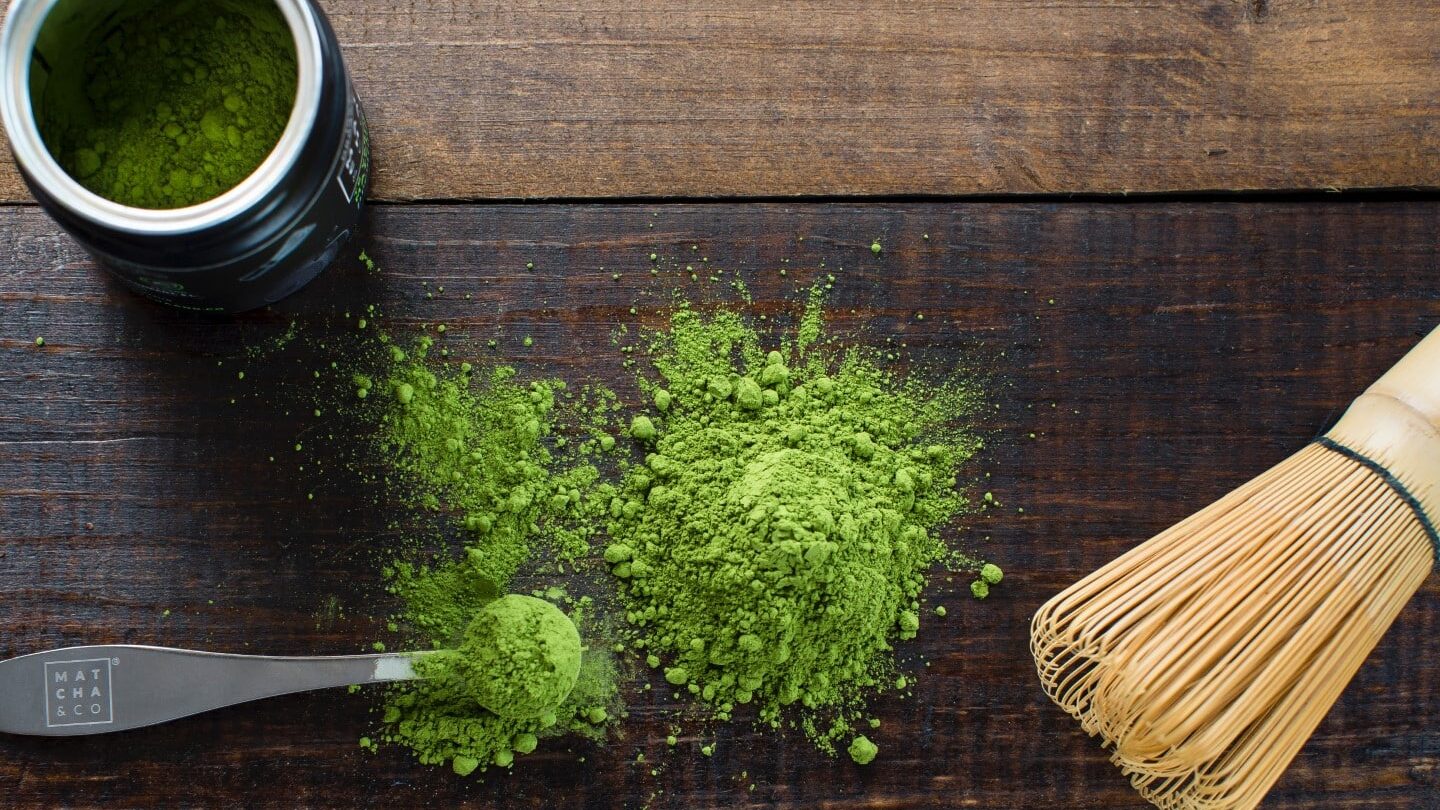
Matcha offers a powerful combination of catechins, chlorophyll, and L-theanine—supporting focus, energy, and detoxification. Consumers see it as a natural nootropic, ideal for “calm energy.”
2. Clean-Label Appeal
As a single-ingredient, plant-based product, matcha aligns perfectly with clean-eating and sustainable sourcing values. Organic and fair-trade certifications enhance brand trust.
3. Visual and Aesthetic Value
Its vibrant green hue dominates Instagram and TikTok, where the #matchalatte trend garners millions of views monthly. This visual identity fuels product virality.
4. Ritual and Mindfulness
The ritual of preparing matcha—whisking, pouring, sipping—embodies mindfulness, appealing to a generation prioritizing slow living and wellness routines.
5. Cross-Category Versatility
From beverages to skincare, matcha’s versatility allows brands to diversify product lines under a unified wellness theme.
Best Countries for Matcha Sourcing - Monetize On The Matcha Trend
Global sourcing for matcha has become increasingly sophisticated, with brands balancing quality, scalability, and sustainability. Here’s where to source depending on your goals:
Japan – The Gold Standard
- Regions: Uji (Kyoto), Nishio (Aichi), and Shizuoka.
- Quality: Ceremonial and premium culinary grades.
- Certifications: JAS Organic, ISO 22000, GMP.
- Ideal for: Premium brands and functional beauty products.
- Challenges: High cost (up to €80/kg) and limited supply.
Japanese matcha remains unmatched in flavor, aroma, and color intensity. Brands targeting luxury, wellness, or beauty segments often rely exclusively on Japanese suppliers.
China – The Scalable Powerhouse
- Regions: Zhejiang, Sichuan, and Jiangxi.
- Quality: Culinary and food-grade matcha.
- Certifications: HACCP, ISO 9001, Organic EU.
- Ideal for: Large-scale beverage and snack manufacturers.
- Advantages: Competitive pricing and bulk availability.
Chinese producers have significantly improved processing standards, making them viable for both B2B bulk supply and private label products.
Kenya – The Sustainable Challenger
- Regions: Central and Rift Valley.
- Quality: Emerging high-grade matcha with distinct earthy notes.
- Certifications: Rainforest Alliance, Organic EU.
- Ideal for: Brands emphasizing sustainability and African sourcing.
Kenya is rapidly becoming a major matcha exporter to Europe, offering both affordability and strong ESG credentials.
Europe – The New Frontier
- Countries: France, Spain, and Portugal (experimental indoor farms).
- Quality: Early-stage, small-batch matcha production.
- Ideal for: European origin storytelling and low-carbon sourcing.
European matcha farming remains niche but appeals to eco-conscious consumers seeking local provenance.
Top Matcha Suppliers & Manufacturers (Verified on Wonnda)
Below are verified B2B matcha suppliers from the Wonnda network, all compliant with high quality standards and ready to collaborate with brands on private label and bulk sourcing.
1. Nippon Tea Co. (Japan)
- Focus: Ceremonial-grade and organic matcha.
- Strengths: JAS-certified, small-batch stone milling, and direct export partnerships.
- Ideal for: Premium beverage and cosmetic formulations.
2. Green Earth Matcha (China)
- Focus: Culinary-grade matcha for food and drink.
- Strengths: ISO and HACCP-certified production, large-scale capacity.
- Ideal for: Mass-market products and RTD beverages.
3. Kenya Matcha Estate Ltd. (Kenya)
- Focus: Sustainable, traceable African-grown matcha.
- Strengths: Solar drying, carbon-neutral operations.
- Ideal for: European brands highlighting ethical sourcing.
4. Matcha Europe BV (Netherlands)
- Focus: Import, blending, and packaging of Japanese and Chinese matcha.
- Strengths: EU warehousing, flavor customization, private label packaging.
- Ideal for: Retailers and FMCG brands expanding into superfoods.
5. BioZen Foods GmbH (Germany)
- Focus: Private label matcha beverages and supplements.
- Strengths: Certified vegan and organic, co-packing solutions, low MOQs.
- Ideal for: Startups and functional food brands.
6. Herbania Natural (Spain)
- Focus: Mediterranean superfoods and matcha snacks.
- Strengths: R&D support, custom blends (matcha + adaptogens).
- Ideal for: Lifestyle and wellness brands.
Where to Find Matcha Suppliers
1. Wonnda – The Centralized Sourcing Platform
Wonnda connects brands with over 20,000 verified European and international suppliers, including dozens specializing in matcha products, superfoods, and functional beverages.
Advantages of sourcing matcha via Wonnda:
- Direct contact with verified producers.
- Pre-vetted certifications (Organic, GMP, HACCP).
- Instant sample requests and RFQs.
- Transparent MOQ and pricing structures.
- Streamlined compliance and labeling.
Insight: Over 80% of buyers on Wonnda find a suitable matcha supplier within two weeks.
2. Trade Fairs (Offline Option)
While online sourcing dominates, some brands still meet suppliers at:
- Biofach (Germany) – Organic and natural food fair.
- SIAL (France) – Global food innovation event.
- PLMA (Amsterdam) – Private Label Sourcing.
3. Regional Importers & Co-Packers
Wonnda also lists European importers and co-packers who handle logistics, blending, and packaging of imported matcha into final retail products—ideal for turnkey solutions.
Matcha Product Development Trends This Year
1. Functional Blends
Brands are merging matcha with collagen, adaptogens, and mushroom extracts to create high-value, multifunctional products.
2. Beauty Crossovers
The rise of “inside-out beauty” drives matcha’s use in skincare (masks, serums) and supplements (nutricosmetics).
3. Instant & Soluble Formats
Innovation in micro-grinding and spray-drying technologies enables instant matcha powders for capsules, sachets, and RTD beverages.
4. Sustainability & Transparency
Consumers expect full traceability—QR-coded sourcing data and verified organic certification.
5. “New Matcha” Alternatives
Emerging color variants like blue matcha (butterfly pea flower) and white matcha (shade-grown green tea) are trending as premium innovations.
Wonnda Insight: Search queries for “matcha” on Wonnda increased +65% year-over-year, reflecting the ingredient’s expansion into food, drink, and wellness categories.
How to Build a Private Label Matcha Brand
- Define Your Category – Beverage, supplement, snack, or cosmetic.
- Select Origin & Grade – Japanese ceremonial for luxury; Chinese or Kenyan for mass market.
- Partner with Verified Suppliers – Use Wonnda filters for certifications, MOQs, and packaging options.
- Develop Unique Formulas – Add adaptogens, collagen, or probiotics.
- Design Packaging – Eco pouches, aluminum tins, or glass jars.
- Ensure Compliance – EU labeling, organic certification, and import requirements.
- Scale via Wonnda’s Network – Manage R&D, sampling, and production all in one platform.
Wonnda simplifies every step — from discovery to sampling, production, and logistics.
Future Outlook: The Next Phase of the Matcha Trend
By 2026, matcha is expected to evolve into a core ingredient in functional nutrition and wellness cosmetics. Trends shaping its future include:
- Regenerative tea farming in Japan and Kenya.
- AI-driven formulation tools optimizing flavor and nutrient retention.
- Hybrid blends combining matcha with caffeine alternatives or adaptogens.
- Expansion of European indoor matcha cultivation to reduce carbon footprint.
For manufacturers and brands, the matcha trend represents more than consumer hype—it’s a stable, high-growth sourcing opportunity.
Why Source Matcha via Wonnda
- 20,000+ verified suppliers across food, cosmetics, and wellness sectors.
- Access to certified matcha manufacturers and co-packers.
- Low MOQs for startups and full-service options for enterprise buyers.
- Integrated compliance, logistics, and supplier communication.
- Proven results: 80% of buyers find a qualified supplier within two weeks.
Wonnda is the all-in-one sourcing platform for private label and contract manufacturing. Discover trusted matcha suppliers, request samples, and bring your next functional product to market faster.
Conclusion
The matcha trend is more than a passing craze—it’s a convergence of health, design, and sustainability shaping the global FMCG landscape. For brands, sourcing authentic and compliant matcha is key to staying ahead.
Whether you’re launching a wellness drink, supplement, or skincare line, Wonnda connects you with verified matcha producers across Japan, China, Kenya, and Europe. From discovery to production, every step is streamlined.
Find your next matcha supplier on Wonnda today and join the global matcha revolution.
FAQs
What is driving the matcha trend this year?
Health, aesthetics, and sustainability. Consumers want functional, natural, and visually appealing ingredients.
Which countries produce the best matcha?
Japan for quality, China for scalability, and Kenya for sustainability.
Can I source matcha suppliers in Europe?
Yes. Wonnda lists verified European importers, blenders, and co-manufacturers specializing in matcha products.
What certifications should I look for?
Organic (JAS, EU, USDA), HACCP, GMP, and ISO 22000 are essential for B2B matcha sourcing.
What is the difference between ceremonial and culinary matcha?
Ceremonial matcha uses the youngest leaves, ideal for beverages. Culinary-grade is suited for cooking and blending.
What are the current B2B matcha trends?
Functional blends, clean-label products, and sustainable sourcing dominate this year.
Why source via Wonnda?
Wonnda provides verified, transparent access to matcha producers, ensuring compliance and efficient sourcing.
Related articles
GLP-1 Companion: What It Is, Examples and Why It Matters for Brands
10+ Top Supplement Trends in 2026 (Exclusive Wonnda Data)

PPWR Regulation: What EU Brands Must Do by 2030
White Label Mushroom Coffee: The 2026 Sourcing Guide for Brands
Made in USA Cookware: Why More Brands Are Reshoring Production

10+ Best European Supplement Brands in 2026

10+ Best German Supplement Brands in 2026

Top 5 D2C Trends to Watch for in 2026