
AI in procurement. How does it work? [Complete guide]

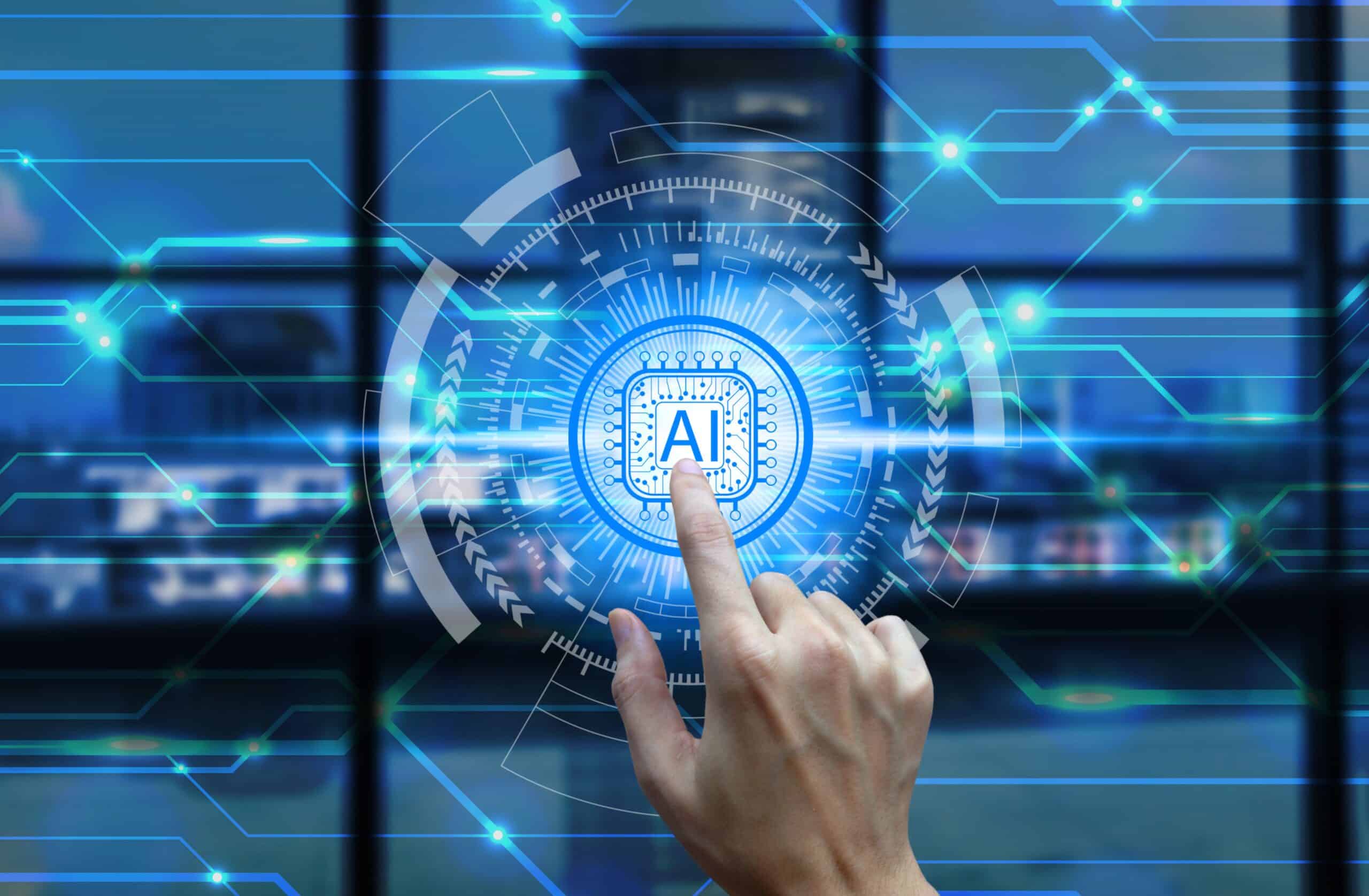
Key Takeaways:
- AI enhances efficiency – AI automates procurement tasks, reducing manual effort and speeding up processes.
- Improved decision-making – AI-driven analytics help businesses make data-informed procurement decisions.
- Cost and risk reduction – AI identifies cost-saving opportunities and predicts supply chain risks.
Companies leveraging AI in procurement can reduce costs by up to 30% and shorten sourcing cycles by 25-50%. With AI, procurement teams can streamline operations, improve supplier relationships, and drive cost efficiencies.
In this guide, we explore how AI works in procurement, its key benefits, and how companies can leverage it to gain a competitive edge.
What is AI in procurement?
Procurement refers to the process of sourcing and purchasing goods or services needed for business operations. It includes activities like supplier selection, contract negotiation, and supply chain management.
The synergy between procurement and AI goes beyond cost savings; it also fosters innovation. By automating repetitive tasks, procurement professionals can focus on strategic initiatives, such as developing long-term supplier partnerships and exploring new market opportunities. This shift toward strategic thinking can lead to enhanced competitive advantage and market positioning.
Artificial intelligence (AI), on the other hand, involves the use of machines and algorithms to mimic human intelligence. In procurement, AI can analyze vast data sets, identify patterns, and make data-driven decisions faster and more accurately than humans.
By combining procurement’s strategic processes with AI’s analytical power, businesses can achieve unparalleled efficiency, cost savings, and innovation in their sourcing and supply chain operations.
Types of AI in procurement
Different types of AI technologies are utilized in procurement:
- Machine Learning (ML) – Improves decision-making by analyzing historical data.
- Natural Language Processing (NLP) – Enhances communication by interpreting and processing textual data.
- Robotic Process Automation (RPA) – Automates repetitive procurement tasks like invoice processing.
- Predictive Analytics – Forecasts demand and supply trends to optimize procurement strategies.
Which industries and businesses can benefit most from AI in procurement?
AI in procurement is proving to be a game-changer across industries, delivering tailored solutions for businesses ranging from niche SMEs to global corporations. Small to medium-sized enterprises (SMEs) have also benefited from incorporating AI into their procurement strategy.
For example, an SME specializing in electronics improved its order fulfillment rates by 50% through the implementation of AI algorithms that optimized supplier selection and order tracking. This demonstrates that regardless of company size, AI has the potential to revolutionize procurement processes.

Small-sized enterprise workers doing manual work

Employee using AI for analyzing the data
For instance, a leading multinational corporation in consumer goods adopted AI-driven procurement solutions, which resulted in a substantial 30% decrease in overall procurement costs. By utilizing predictive analytics, the company could forecast demand accurately, significantly reducing excess inventory and associated holding costs. Furthermore, they reported a 40% increase in supplier performance due to continuous monitoring and evaluation facilitated by AI tools.
Key applications of AI in procurement
Automated supplier selection
AI analyzes historical data and supplier performance metrics to recommend the best suppliers based on cost, quality, and reliability. This reduces manual effort and ensures optimal vendor selection.
Predictive analytics for demand forecasting
AI-powered analytics predict future demand by analyzing historical purchase patterns, market trends, and external factors like economic conditions. This helps businesses optimize inventory and prevent stock shortages or over-purchasing.
Contract management and compliance
AI-driven contract analysis tools scan agreements to identify risks, discrepancies, and compliance issues. This minimizes legal exposure and ensures adherence to procurement policies.
Intelligent spend analysis
AI categorizes and analyzes spending patterns, identifying cost-saving opportunities and detecting anomalies or fraudulent transactions in real time.
Procurement chatbots & virtual assistants
AI-powered chatbots assist procurement teams by answering queries, processing purchase requests, and automating approval workflows, reducing administrative workload.
Supply chain risk management
AI monitors global supply chain disruptions, geopolitical risks, and supplier stability to provide real-time insights, enabling proactive risk mitigation.
Benefits of integrating AI into procurement
Time savings
AI reduces time spent on routine tasks by up to 70% like data entry, invoice matching, and order tracking which consume valuable time and resources.
Error reduction
Automated systems minimize human errors, ensuring accurate data processing.
Improved workflow
Streamlined processes lead to faster approvals and order placements.
Predictive analytics
Anticipates delays or disruptions and suggests alternatives
Better negotiations
Provides data-driven insights for fair pricing and contract terms. AI monitors market fluctuations to negotiate better deals and identify cost-saving opportunities.
Inventory optimization
AI predicts future needs with precision, helping businesses avoid stockouts, optimize inventory levels, and make data-driven decisions based on market trends.

Employee working on the inventory optimization with AI

AI using a predictive analysis
Fraud detection
Identifies suspicious transactions with AI to prevent financial losses.
Can procurement be replaced by AI?
While AI can automate many procurement tasks, it cannot replace the human element entirely. Procurement involves complex negotiations, relationship-building, and strategic decision-making aspects where human intuition and expertise are invaluable. AI acts as a powerful enabler, providing data-driven insights and automation to augment human capabilities rather than replace them. The future of procurement lies in combining human expertise with AI to achieve optimal results
How to implement AI in procurement in 5 steps?
1. Assess procurement needs
Identify pain points in your procurement process and determine how AI can address them.
2. Choose the right AI solution
Select an AI-powered procurement platform that aligns with your business goals and integrates with existing systems.
3. Ensure data quality
AI thrives on data, so maintaining clean, structured, and accurate procurement data is essential.
4. Train procurement teams
Provide training to ensure smooth adoption and maximize AI’s potential within procurement teams.
5. Monitor and optimize
Regularly track AI performance, analyze results, and make necessary adjustments to improve efficiency.
Conclusion
Integrating AI into your procurement process is no longer optional – it’s a necessity for businesses aiming to stay competitive in today’s dynamic market. By automating repetitive tasks, enhancing supplier relationships, and driving cost efficiencies, AI delivers measurable benefits that transform procurement into a strategic function.
Take the first step toward smarter procurement by leveraging Wonnda’s AI-powered sourcing solutions. Sign up today to streamline your procurement processes and unlock new growth opportunities.
Related articles
15 Best AI Visibility Tools in 2026 - Full Comparison

Best Platforms to Find Cosmetic Packaging Suppliers (2026)

18+ Best 3PL Companies in the US: Complete Guide 2026

15+ Best 3PLs in Europe: Complete Guide for 2026
The 9 Best Freight Invoice Auditing Platforms for E-Commerce in Europe (2026)
Wonnda Extends Platform Network with 100+ New Private Label Manufacturers in January 2026 Alone

Product Lifecycle Management (PLM) Guide 2026

10+ Trending Influencer Brands of 2026