
Best private label whey protein powder manufacturers
Find vetted private label whey protein powder manufacturers on Wonnda. Sourcing options include Whey Protein Concentrate (WPC), Whey Protein Isolate (WPI), and Hydrolysed Whey Protein. Manufacturers can develop custom flavor profiles, and certifications such as Informed Sport or organic are often available. Lead times can vary depending on the complexity of the formulation and current raw material availability.
- Global whey protein market — low-single-digit CAGR; a dairy-commodity-linked category
- 6.6 billion USD
- Protein powder market — the broader category whey feeds, growing about 6.8% CAGR to 2034
- 24.6 billion USD
- Sports protein share of powder market — sports nutrition is the dominant end-use for protein powders
- 59.7%
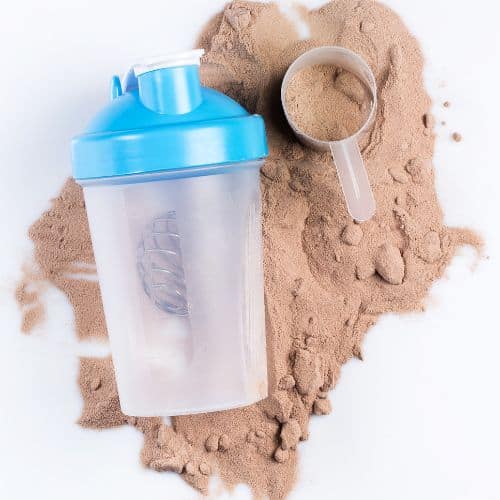
9+ Top private label whey protein powder manufacturers
Wonnda works with the best private label whey protein powder manufacturers. Here is a list of trusted suppliers from our network.
- Featured
 Private LabelContract Manufacturing
Germany-based manufacturer producing denture cleansing tablets, dietary supplement capsules, dietary supplement tablets, available to brands sourcing whey protein powder.
- Country
- Germany
- MOQ
- Lead time
- Featured
 Private LabelContract Manufacturing
Latvia-based manufacturer producing b-complex vitamin blends, mineral and vitamin blends, magnesium formulations, available to brands sourcing whey protein powder.
- Country
- Latvia
- MOQ
- Lead time
- Featured
 Private LabelWhite LabelContract Manufacturing
Europe-based manufacturer producing precision-machined pins and receptacles, spring-loaded contacts and connectors, ic sockets, available to brands sourcing whey protein powder.
- Country
- Latvia
- MOQ
- Lead time
- Featured
 Private LabelContract ManufacturingWholesale
Slovenia-based manufacturer with private label capability. European CDMO for food supplements, cosmetics, and pet food with patented BMT® microencapsulation technology and 30+ years of formulation ex
- Country
- Slovenia
- MOQ
- Contact for MOQs (project-dependent)
- Lead time
- 12 weeks
- Featured
 Private LabelContract Manufacturing
USA-based manufacturer producing capsules, tablets, powders, available to brands sourcing whey protein powder.
- Country
- USA
- MOQ
- Lead time
 Private LabelContract Manufacturing
Europe-based manufacturer producing protein bars, energy bars, nutrition bars, available to brands sourcing whey protein powder.
- Country
- -
- MOQ
- Lead time
 Private LabelContract Manufacturing
Europe-based manufacturer producing powders, tablets, hard capsules, available to brands sourcing whey protein powder.
- Country
- -
- MOQ
- Lead time
 Private LabelContract Manufacturing
Europe-based manufacturer producing tablets, capsules, powders, available to brands sourcing whey protein powder.
- Country
- -
- MOQ
- Lead time
 Private LabelContract Manufacturing
Europe-based manufacturer producing biotin, coenzyme q10, probiotics, available to brands sourcing whey protein powder.
- Country
- -
- MOQ
- Lead time
Compare MOQs and lead times
Quick side-by-side of the shortlist. Missing values shown as a dash.
| Supplier | Location | Types | MOQ | Lead time |
|---|---|---|---|---|
| BMP Production | Germany | PL · CM | ||
| ERA Scientifico | Latvia | PL · CM | ||
| MillMax | Latvia | PL · White Label · CM | ||
| Biostile Global | Slovenia | PL · CM · WS | Contact for MOQs (project-dependent) | 12 weeks |
| Superior Supplement Manufacturing | USA | PL · CM | ||
| YouBar | - | PL · CM | ||
| Biohealth International | - | PL · CM | ||
| Pharma Manufacture | - | PL · CM | ||
| Supplement Manufacturing Partner | - | PL · CM |
Buyer criteria
- True protein verification, not just nitrogen
Amino spiking, adding free amino acids or nitrogen-rich compounds to inflate apparent protein, is the defining fraud risk in whey. Insist the manufacturer measures true protein content and can show an amino-acid profile, not only a nitrogen number. A blender that tests only total nitrogen cannot prove your tub delivers the protein the label claims.
- Flavor and mixability capability
Reorder in protein powder is driven by taste and how cleanly the powder disperses. Evaluate the blender on its flavor library, its ability to mask the dairy base note, and whether it instantizes. Always taste and shaker-test production-representative samples in water and milk, because a great spec sheet with a chalky, clumping powder will still generate refunds.
- Whey fraction transparency and traceability
Confirm exactly which fractions and inclusion rates make up your blend, and the origin of the whey. Concentrate quietly substituted for isolate cuts your protein-per-serving and your claim. Ask for the protein percentage of each fraction and lot-level traceability back to the dairy processor, since whey grades vary in protein, lactose and fat.
- Lactose and allergen handling
If you position on low-lactose or sensitive stomachs, verify the isolate inclusion and any lactase addition deliver it. Confirm allergen controls for the milk base and for soy if soy lecithin is used. Cross-contact management on shared lines matters for brands making allergen claims, so ask how the line is cleaned and validated between products.
- Dairy commodity pricing and supply terms
Whey is commodity-linked, so understand how the blender prices and whether they pass through dairy market swings. Ask about price validity windows, how raw whey shortages affect lead time, and whether they can secure isolate when supply tightens. A partner with weak whey supply relationships will leave you short during dairy market squeezes.
- Filling format and net-weight control
Decide tub versus pouch and verify fill-weight accuracy after settling. Protein powder compacts in transit, so net weight at the shelf must still meet the label. Confirm the line checks fill weight continuously and that scoop sizing matches the stated serving, since a mismatched scoop undermines every nutritional on the panel.
- GMP and sports-nutrition compliance
Require GMP and food-safety certification, and for brands targeting tested athletes, ask about banned-substance testing programs such as Informed Sport. Confirm the certification scope covers protein powders specifically. For clean-label positioning, verify sweetener and additive choices against your target-market regulations before locking the formula.
Red flags
- Protein claimed by nitrogen only
If the blender verifies protein solely through total nitrogen, your tub is vulnerable to amino spiking, the practice of padding nitrogen with cheap free amino acids. This is the most damaging fraud in the category and the easiest for a third-party lab to expose. Refuse any partner that cannot or will not measure true protein and share an amino profile.
- Concentrate substituted for isolate
A blend quietly shifted toward cheaper concentrate lowers protein-per-serving and raises lactose while the label still claims isolate-level performance. Demand the exact fraction breakdown and lot traceability, and assay finished product against the claim. Silent fraction substitution is a margin grab that surfaces as customer complaints about taste, lactose discomfort and lower results.
- No production-representative taste samples
Flavor decides reorder, so a blender that will not provide samples made on the actual production process and equipment is hiding mixability or taste problems. Lab-bench samples often mix and taste better than the scaled product. Insist on shaker-testing the real thing in water and milk before you commit to a flavor and a run.
- Opaque whey origin
If the manufacturer will not say where the whey comes from or which processor supplies it, you cannot assess quality, manage supply risk, or defend provenance claims. Whey grades and dairy practices vary widely by region. Opacity on origin usually means the blender buys spot-market lots of variable quality and cannot guarantee consistency batch to batch.
- No allergen or shared-line controls
Whey is a milk allergen, and soy lecithin adds another. A blender without documented allergen segregation and validated line cleaning exposes you to cross-contact and mislabeling liability. For any allergen-sensitive claim this is disqualifying. Ask specifically how lines are cleaned and verified between an allergen-containing and an allergen-free product.
- Fixed price ignoring dairy markets
A quote that ignores how dairy commodity swings will affect reorders can signal a blender absorbing risk they cannot sustain, leading to mid-contract price shocks or quality cuts. Understand the price validity window and whether raw whey shortages will stretch lead times, so a dairy market squeeze does not catch your inventory planning by surprise.
Manufacturing process
- 01
Whey fraction sourcing and verification
The blender procures WPC, WPI or WPH from dairy processors against a specification for protein percentage, lactose, fat and amino profile. Incoming protein is tested, because nitrogen content alone can be gamed by free amino acids. A credible house verifies true protein, not just total nitrogen, on receipt of every lot.
- 02
Formulation and blend ratio
Concentrate and isolate are ratioed to hit the target protein-per-serving and price. Functional and label considerations are set here: added digestive enzymes, instantized lecithin for mixability, creatine or carbohydrate for mass-gainer variants. The blend ratio fixes both cost and the protein claim that must survive finished-product testing.
- 03
Flavor and sweetener system development
Flavors, sweeteners (sucralose, stevia, or sugar), salt, and cocoa or fruit powders are developed to mask the inherent dairy note and deliver a clean aftertaste. This is the hardest part of whey development and where brands win or lose, since mixability and taste drive reorder more than protein content does.
- 04
Dry blending
Protein, flavors and functional ingredients are blended in ribbon or paddle blenders to a validated uniformity so every scoop matches the label. Fine flavor powders and dense protein must be combined without segregating. Blend uniformity is sampled before filling to confirm the active and flavor distribute evenly.
- 05
Instantizing (where specified)
Lecithin is applied to agglomerate the powder so it disperses in liquid without clumping. Instantizing is what separates a powder that mixes in a shaker from one that leaves lumps on the surface. Brands positioning on convenience specify this step explicitly and verify the dispersion behavior on samples.
- 06
Filling and scoop insertion
Blend is filled into tubs or pouches by weight, a scoop is inserted, and the container is sealed and induction-sealed for tamper evidence. Fill weight is checked continuously, since protein powder settles and net-weight compliance must hold from line to shelf after consolidation.
- 07
Quality control and protein verification
QC tests protein content against label claim, microbiological limits, moisture and, for clean-label brands, an amino-acid profile to rule out spiking. Heavy metals and allergen controls apply given the dairy and shared-line context. Per-batch certificates of analysis document protein content and safety.
- 08
Labeling, lot coding and palletizing
Tubs are labeled with nutritionals, allergen declarations, lot code and expiry, then case-packed and palletized. Allergen labeling (milk, and soy if lecithin is soy-derived) is mandatory. Lot traceability links finished tubs back to the specific whey lots used, which matters for any quality investigation.
Understanding whey protein powder private-label manufacturing
Whey Protein Types and Blending
Whey protein powder is a dairy co-product used in sports nutrition. It is produced from the liquid whey remaining after cheesemaking through filtering, concentrating, drying, and blending.
There are three main types of whey protein: concentrate (WPC), isolate (WPI), and hydrolysate (WPH). WPC contains roughly 70-80% protein with some lactose and fat, offering good value. WPI is filtered to over 90% protein with minimal lactose and fat, appealing to brands focused on lean positioning or for lactose-sensitive consumers. WPH is enzymatically pre-digested for faster absorption and commands a higher price, suitable for performance and clinical applications.
Most brands blend WPC and WPI to achieve a specific protein content per serving and price point. The blend ratio is the most significant factor influencing both cost and label claims.
Manufacturing, MOQs, and Lead Times
Whey manufacturing and blending for the European market are concentrated in dairy-rich regions such as Ireland, the Netherlands, Germany, France, and Belgium. Contract blenders and fillers are often located in these countries, as well as in Poland and the UK.
Minimum Order Quantities (MOQs) are determined by blending and filling processes. They typically start at 500 to 1,500 kg of blended product for custom flavors, which translates to a few thousand tubs depending on their size. It is possible to have lower MOQs for relabeled stock flavors.
Lead times generally range from 6 to 12 weeks. However, these can be extended if there are issues with raw whey availability or price fluctuations in the dairy markets.
Cost Drivers and Market Overview
The primary cost drivers for whey protein production, in order of impact, are the specific whey fraction and its inclusion rate (isolate is significantly more expensive than concentrate), the flavor system and sweetener used, the packaging (tub or pouch), and the filling process. Flavoring is a critical aspect, as effectively masking the inherent dairy taste and ensuring good mixability are key differentiators among contract blenders.
The global whey protein market was valued between 6 and 7 billion USD in the mid-2020s, with low single-digit volume growth. The broader protein supplements market, which this segment feeds, is much larger and growing faster. The protein powder segment alone was valued near 24.6 billion USD in 2024 and is experiencing approximately 6.8% CAGR. The sports-nutrition segment accounts for the majority of protein powder volume.
Quality and Differentiation
Private label whey buyers are predominantly sports-nutrition and fitness brands that sell through direct-to-consumer (D2C) webshops, Amazon, and gym channels. Retailer sports ranges and mainstream grocery channels represent a growing market as protein gains wider acceptance.
Since the protein commodity is widely available, brands differentiate themselves through flavor quality, mixability, accurate protein-per-serving claims, and clean labels, avoiding practices like amino spiking and ensuring transparent sweetener choices. It is more important to qualify a blender based on their flavor capabilities and their methods for verifying true protein content than to seek the lowest blend price. Products with poor flavor or that have been nitrogen-spiked can lead to refunds and reduced repeat purchases in a category that relies heavily on subscriptions and reorders.
How private label works for whey protein
Whey private label centers on blending rather than synthesis. A contract blender buys whey fractions from dairy processors, then combines them with flavors, sweeteners and functional ingredients to a brand's specification. The brand's decisions are the fraction mix of concentrate, isolate or hydrolysate, the protein-per-serving target, the flavor and sweetener system, and the packaging. Because the protein is a traded commodity, the value a blender adds is in flavor development, mixability, consistent true-protein content, and reliable supply, not in the raw material itself.
That shapes how brands brief. The fraction mix is locked first because it sets both cost and the headline protein claim. Flavor development follows and is where most of the iteration happens, since masking the dairy base note and achieving clean shaker mixing decide whether customers reorder. A brand that treats whey as a commodity buy and skimps on flavor and mixability testing will compete only on price in a category where subscription and repeat purchase drive the economics.
Instantization is a quieter but decisive lever. Treating the powder with lecithin so it disperses rather than clumps is what turns a technically correct protein into one a customer enjoys using twice a day. A blender that handles instantization well delivers a powder that wets and mixes in a shaker without a blender ball, and that single sensory detail is felt on every serving, which is precisely when the subscription renewal decision is being made.
What separates premium from commodity whey
Premium whey is defined by three things consumers cannot see on the shelf: honest protein content, isolate-forward formulation, and clean flavoring. A commodity tub leans on cheap concentrate, maximizes nitrogen-based protein claims, and uses heavy artificial flavoring to cover a low-grade base. A premium tub specifies a higher isolate ratio, verifies true protein with an amino profile, and invests in a flavor system that tastes clean without a chemical aftertaste.
Amino spiking is the dividing line of integrity in this category. Brands that verify true protein and publish third-party results occupy the premium and trust tier, while those that claim protein by nitrogen alone sit in the commodity and risk tier. Mixability is the other visible-on-use marker: instantized powder that disperses cleanly in a shaker reads as premium every single time a customer uses it, which is exactly when reorder decisions are made.
Flavor is where a premium brief earns its money. Cocoa, real fruit powders, balanced sweetener systems and the avoidance of a gritty mouthfeel separate a powder people look forward to from one they tolerate. A premium house iterates flavor against the specific protein base, since the dairy note differs between concentrate-heavy and isolate-heavy blends, while a commodity approach drops a generic flavor onto whatever base is cheapest and masks the result with sweetener.
Sourcing geography for whey
Whey production follows dairy. Ireland, the Netherlands, Germany, France and Belgium are the European heartland for whey fractions, supported by large cooperative dairy processors, with contract blending and filling concentrated in the same countries plus Poland and the UK. The United States is a major whey producer and the single largest protein-powder market. New Zealand is significant globally on the back of its dairy export industry.
For EU brands, sourcing whey and blending within Europe simplifies dairy provenance claims, shortens lead times, and keeps supply relationships close during dairy market swings. The geography choice also affects supply security: a blender with strong relationships to European dairy processors can secure isolate when filtering capacity tightens, while a spot-market buyer may be left short. Provenance is increasingly a selling point, with grass-fed and single-origin whey claims commanding a premium that depends on traceable sourcing.
Cost structure breakdown
The whey cost stack is dominated by the protein fraction and its inclusion rate. Isolate costs substantially more than concentrate, so the fraction mix is the primary cost lever. After protein come the flavor and sweetener system, the tub or pouch and scoop, filling, and quality control including protein verification.
- Whey fraction and inclusion rate: the dominant, commodity-linked cost; isolate-heavy blends cost far more than concentrate-heavy ones.
- Flavor and sweetener system: cocoa, fruit powders, sweeteners and instantizing lecithin, the area where premium brands invest.
- Packaging: tubs cost more than pouches and ship bulkier; scoop and seal add small per-unit cost.
- Filling and labeling: fill-weight control and allergen-compliant labeling.
- Quality control and verification: true-protein assay, microbiology, allergen and optional banned-substance testing.
Because protein is the dominant and most volatile cost, sourcing discipline means managing the fraction mix and supply terms, and never letting silent concentrate substitution erode the protein claim to protect margin.
Compliance and certification landscape
Whey protein is regulated as a food, with mandatory allergen labeling for milk and for soy where soy lecithin is used. Manufacturers should hold good-manufacturing-practice and food-safety certification such as ISO 22000, IFS or BRCGS for retail-grade production. Nutritional and protein claims must be accurate and survive finished-product testing, which is precisely why true-protein verification is both a quality and a compliance issue.
For brands targeting competitive athletes, banned-substance testing programs such as Informed Sport batch-test finished product against substances prohibited in sport. This is facility and product specific rather than a blanket certification, so confirm enrollment covers your exact product and batches. Clean-label and natural-sweetener positioning must be checked against target-market additive rules, since permitted sweeteners and claims differ across regions. A blender experienced in your markets will flag these constraints before they force a relabel.
How dairy markets move whey pricing
Whey is a by-product of cheese and dairy processing, so its price is tied to dairy economics that sit entirely outside a brand's control. Milk supply cycles, cheese demand and the global appetite for protein isolate all push whey prices up and down, and isolate in particular tightens when membrane-filtration capacity is constrained. A brand pricing a tub for a year-long subscription is exposed to that volatility whether it acknowledges it or not.
Managing this is part of sourcing competence rather than a finance afterthought. Some brands lock pricing or volume with a blender over a defined period, some hold a contractual mechanism for how raw-material swings are passed through, and some build a margin buffer into the retail price. The danger is setting an aggressive subscription price against today's spot cost and then absorbing a squeeze when isolate climbs. A blender with deep dairy relationships and transparent pricing terms is worth more in this category than a marginally cheaper spot quote, because continuity of supply and predictable cost protect the repeat revenue the business runs on.
The fraction mix interacts with this exposure directly. An isolate-heavy blend not only costs more at the outset but is more sensitive to filtration-capacity squeezes, so a premium product carries more raw-material risk than a concentrate-led value tub. A brand should size its margin buffer to the blend it has actually chosen, and revisit both the blend and the price when dairy markets move sharply, rather than assuming a single retail figure will hold across an entire dairy cycle.
Industry insights
Frequently asked questions
What is the difference between whey concentrate, isolate, and hydrolysate for my product?+
How do I make sure my whey is not amino spiked?+
Why does whey pricing change between quotes?+
What MOQ and batch size should I expect for a custom whey flavor?+
How do I get my protein powder to mix without clumping?+
Can I add creatine, enzymes, or carbohydrates to my whey blend?+
Should I package whey in a tub or a pouch?+
Do I need Informed Sport or banned-substance testing?+
Explore adjacent product types
Get a vetted shortlist of whey protein powder suppliers in 48 hours.
Post a brief on Wonnda. Free, no commitment. We match you with vetted manufacturers that fit your MOQ, format and market.