
Best private label skin supplements manufacturers
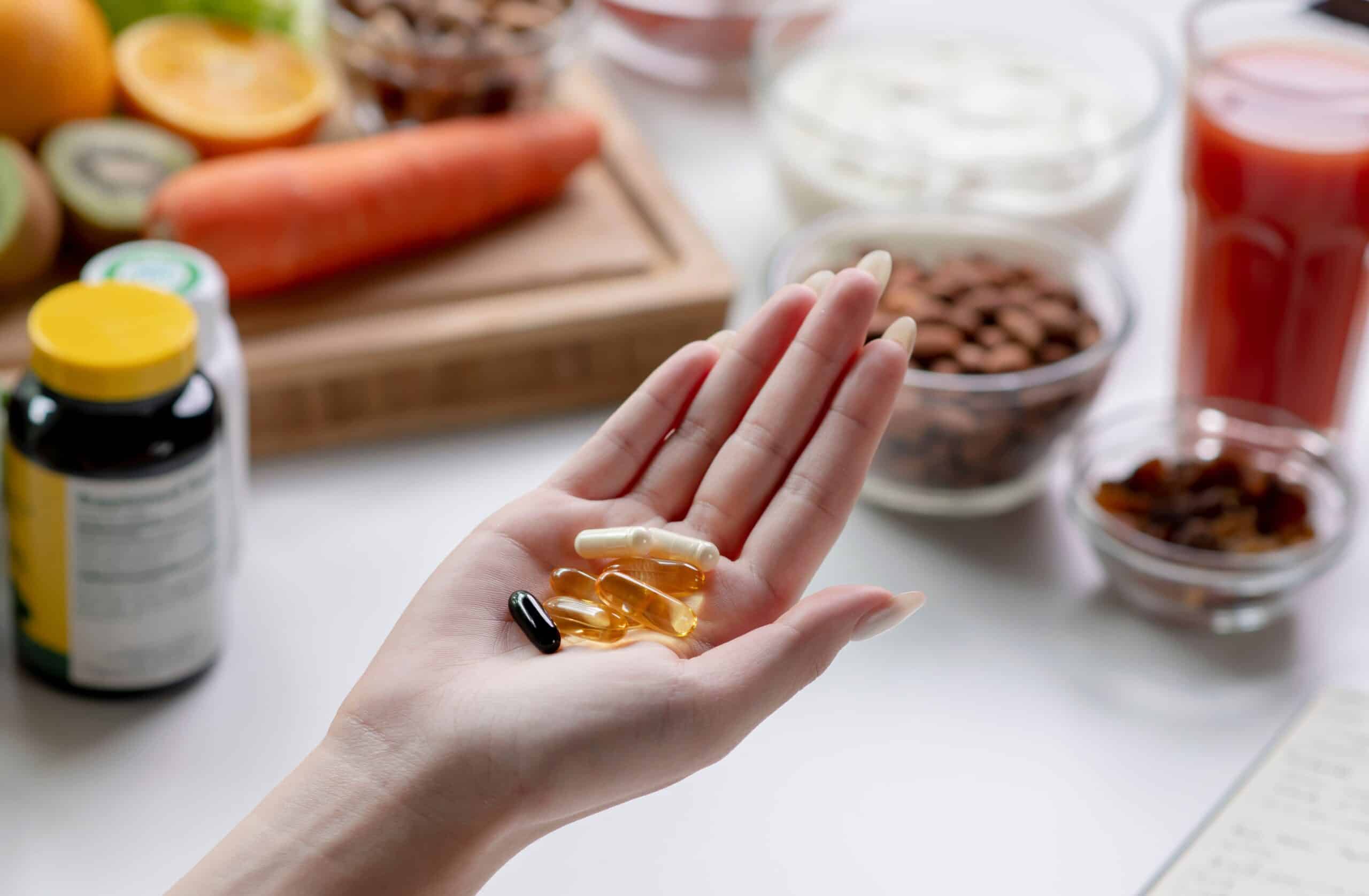
Shortlist private label skin supplements suppliers on Wonnda. This category bridges ingestible supplements and cosmetics, formulating for appearance benefits with active ingredients like collagen peptides, hyaluronic acid, biotin, and antioxidants. Key formats include capsules, powders, or single-serve drinks, with ingredient selection and dosage dictating the format. Products can be sourced with specific certifications or claims, and lead times typically account for ingredient procurement and custom formulation.
- Vetted suppliers
- 20,000+
- Brands & buyers
- 25,000+
- EU-made
- 80%
10+ Top private label skin supplements manufacturers
Wonnda works with the best private label skin supplements manufacturers. Here is a list of trusted suppliers from our network.
- Featured
 Private LabelContract Manufacturing
Latvia-based manufacturer producing b-complex vitamin blends, mineral and vitamin blends, magnesium formulations, available to brands sourcing skin supplements.
- Country
- Latvia
- MOQ
- Lead time
- Featured
 Private LabelContract Manufacturing
Germany-based manufacturer producing denture cleansing tablets, dietary supplement capsules, dietary supplement tablets, available to brands sourcing skin supplements.
- Country
- Germany
- MOQ
- Lead time
- Featured
 Private LabelWhite LabelContract Manufacturing
Hungary-based manufacturer producing powder supplements, animal supplements, vitamin supplements, available to brands sourcing skin supplements.
- Country
- Hungary
- MOQ
- From 500 units for selected ready capsule formulas; 1,000 units for capsules, softgels and collagen products
- Lead time
- Featured
Activ'Inside
4.7Private LabelContract ManufacturingFrance-based manufacturer producing powder supplements, tablets, gummies, available to brands sourcing skin supplements.
- Country
- France
- MOQ
- 1000 units
- Lead time
- 8 weeks
- Featured
 Private LabelContract ManufacturingWholesale
Slovenia-based manufacturer with private label capability. European CDMO for food supplements, cosmetics, and pet food with patented BMT® microencapsulation technology and 30+ years of formulation ex
- Country
- Slovenia
- MOQ
- Contact for MOQs (project-dependent)
- Lead time
- 12 weeks
- Featured
Suplement.io
4.7Private LabelContract ManufacturingPoland-based manufacturer producing plant-based dietary supplements, herbal extract supplements, fruit juice-based supplements, available to brands sourcing skin supplements.
- Country
- Poland
- MOQ
- Lead time
 Private LabelContract Manufacturing
Europe-based manufacturer producing gummy bears, jelly beans, chews, available to brands sourcing skin supplements.
- Country
- -
- MOQ
- Lead time
 Private LabelContract Manufacturing
Poland-based manufacturer producing classic energy drinks, bcaa beverages, fruit juices, available to brands sourcing skin supplements.
- Country
- Poland
- MOQ
- Lead time
 Private LabelContract Manufacturing
France-based manufacturer producing sleep gummies, urisanol flash capsules, elixir du suédois herb kit, available to brands sourcing skin supplements.
- Country
- France
- MOQ
- Lead time
 Private LabelContract Manufacturing
Europe-based manufacturer producing biotin, coenzyme q10, probiotics, available to brands sourcing skin supplements.
- Country
- -
- MOQ
- Lead time
Compare MOQs and lead times
Quick side-by-side of the shortlist. Missing values shown as a dash.
| Supplier | Location | Types | MOQ | Lead time |
|---|---|---|---|---|
| ERA Scientifico | Latvia | PL · CM | ||
| BMP Production | Germany | PL · CM | ||
| AYS Ltd. (All Your Solution) | Hungary | PL · White Label · CM · Packaging | From 500 units for selected ready capsule formulas; 1,000 units for capsules, softgels and collagen products | |
| Activ'Inside | France | PL · CM | 1000 units | 8 weeks |
| Biostile Global | Slovenia | PL · CM · WS | Contact for MOQs (project-dependent) | 12 weeks |
| Suplement.io | Poland | PL · CM | ||
| Amapharm GmbH | - | PL · CM | ||
| Brandsparkle | Poland | PL · CM | ||
| FLORALPINA SAS | France | PL · CM | ||
| Supplement Manufacturing Partner | - | PL · CM |
Buyer criteria
- Honest dosing of hero actives
Skin supplements live on results, so confirm the headline actives are dosed at levels that support the benefit rather than fairy-dusted for the panel. Ask for the inclusion level of collagen, hyaluronic acid, or each antioxidant. An under-dosed stack produces no visible result, and beauty-from-within depends on customers seeing a change and reordering, so dose credibility is decisive.
- Claim-supportable formulation
Beauty claims are tightly restricted, so confirm the manufacturer shapes the formula so your intended messages are legally supportable, for example by including a nutrient with an authorised skin claim at its qualifying dose. A partner who lets you imply benefits without a compliant basis exposes you to enforcement and an expensive relabel.
- Active grade and traceability
Skin actives vary in quality and, for branded ingredients, in clinical backing, so verify the grade and source of each active. Ask for the specification and Certificate of Analysis of the actual grade used, since a generic antioxidant and a clinically studied branded version can sit behind the same ingredient name and command very different prices and credibility.
- Format matched to the dose
Confirm the format suits the actives: a multi-gram collagen dose cannot fit a few capsules, so a credible collagen-led product is a powder or drink. Check that the manufacturer runs the format your stack requires. A blender pushing a low-dose capsule for an active that needs grams per serving is engineering the product around its line, not your efficacy.
- Heavy-metal control on beauty actives
Collagen and marine-derived actives carry genuine heavy-metal risk, so confirm per-batch heavy-metal screening alongside microbiology. Ask how the actives are tested on receipt and finished product. In a daily-use beauty supplement, contaminant testing protects both safety and the premium positioning, and a price that skips it is a hidden liability.
Red flags
- Fairy-dusted hero actives
Collagen, hyaluronic acid, or a trendy antioxidant listed at token levels too low to matter inflates the panel without delivering a benefit. Ask for the actual inclusion level of every marquee active. A stack that looks impressive but doses below any meaningful threshold produces no visible result and misleads customers in a results-driven category.
- Unsupportable beauty claims
If the manufacturer waves through strong appearance claims with no authorised basis, the product can be pulled by regulators. Skin and beauty messages are tightly restricted in the EU. A partner indifferent to whether your claims are legally supportable is exposing you to enforcement and a forced relabel that wastes printed packaging and stock.
- Capsule format for a macro-dose active
Pushing a few capsules for an active like collagen that needs grams per serving means the product cannot deliver an effective dose. This is the line being prioritised over your efficacy. A credible collagen or high-dose product is a powder or drink, so a low-dose capsule for a macro-dose active is a sign to question the formulation.
- No heavy-metal testing on collagen or marine actives
Collagen and marine-derived beauty actives carry real heavy-metal risk, so a house that does not screen each batch exposes your brand to contaminant failures in a daily product. Missing heavy-metal data on these actives is disqualifying regardless of how attractive the ingredient price looks.
Manufacturing process
- 01
Active stack and dose design
The skin actives are selected, collagen peptides, hyaluronic acid, biotin, zinc, vitamins C and E, antioxidants, and each is dosed to a level that supports the intended benefit rather than a token amount. The dose decides the format, since macro-dose actives like collagen force a powder while micro-dose vitamins fit a capsule. Incoming actives are tested for identity and potency.
- 02
Claim and compliance review
Intended beauty claims are checked against authorised health claims for the target markets, because skin and appearance messages are tightly restricted. The formula is shaped so each claim is supportable, often by including a nutrient with an authorised skin claim at its qualifying dose. This review precedes locking the formula so the marketing and the label stay legal.
- 03
Format and excipient formulation
The format is set by the dose: capsule for low-dose stacks, powder or single-serve drink for collagen-led formulas. Excipients, carriers, or a flavour and solubility system are designed for the format. For powders and drinks, taste masking and cold-water solubility are developed, since beauty consumers judge a daily product on how it tastes and dissolves.
- 04
Blending
Actives, excipients, and any flavours are blended to a validated uniformity so each serving delivers the full stack. Low-inclusion actives such as biotin or astaxanthin are pre-blended so they distribute evenly rather than concentrating in part of the batch. Blend uniformity is sampled before the next step to confirm even distribution of the smallest-inclusion ingredient.
- 05
Encapsulation or filling
Capsule formulas are encapsulated with in-process fill-weight checks, while powders are filled into tubs or sticks and drinks are compounded and filled. Fill weight or volume is checked continuously so each unit carries the labelled dose of every active, which is the basis of the appearance claim the product is sold on.
- 06
Quality control testing
Finished product is assayed for key actives against label claim, with microbiological limits and heavy-metal screening, the latter important for collagen and marine-derived actives. Per-batch certificates of analysis document the dose of headline actives and product safety, which support both the efficacy claim and traceability.
- 07
Packaging, labelling and lot coding
Product is packed into capsules' bottles, powder tubs or sticks, or drink containers, labelled with compliant claims, the active doses, allergen declarations, lot code, and expiry, then case-packed. Labelling must match both the formula and the authorised claims, since the beauty benefit is the most scrutinised part of the panel, with lot codes for traceability.
Understanding skin supplements private-label manufacturing
Formulation and Actives
Skin supplements are ingestible beauty products that support skin from the inside. They are formulated with actives such as collagen peptides, hyaluronic acid, biotin, zinc, vitamins C and E, and antioxidants like astaxanthin.
For a private label brand, this "beauty-from-within" category bridges supplements and cosmetics, focusing on appearance benefits rather than general health. This focus shapes ingredient choices and regulatory requirements.
The typical format is a capsule, powder, or single-serve drink, determined by the dose. For instance, a few hundred milligrams of biotin fit into a capsule, while a multi-gram collagen dose requires a powder or shot.
Actives fall into two cost categories. Micro-dose actives like biotin, zinc, and vitamins are inexpensive and easily fit into capsules, making capsule-based skin formulas an affordable entry point. Macro-dose actives like collagen peptides require grams per serving, thus moving into powders or drinks and increasing both cost and complexity.
Many skin supplements use a small set of synergistic actives. A credible product doses each active at an effective level, avoiding the "fairy-dusting" of trendy ingredients for label appeal.
Regulatory and Claims
Claims are a critical regulatory aspect. While beauty benefits are appealing to advertise, they are tightly controlled. Only authorized health claims can appear on a supplement label in the EU, and many skin and appearance messages are restricted to specific nutrients at specific doses.
An experienced manufacturer in beauty supplements will guide the formula to ensure desired claims are supportable. This might involve including a nutrient with an authorized skin-related claim at the qualifying dose, rather than relying on implied benefits that cannot be legally stated.
Manufacturing and Logistics
Contract manufacturing for skin supplements is typically handled by capsule and powder facilities. These are concentrated in Germany, the Netherlands, Italy, Poland, and the UK for EU-compliant beauty supplements.
Minimum Order Quantities (MOQs) are approximately 1,000 to 5,000 units for capsules, and 2,000 to 5,000 for powders or drinks. Lead times range from 6 to 12 weeks.
Cost is primarily driven by the actives and their dosage – collagen and branded antioxidants are dominant factors. Format and packaging, followed by flavour and excipient work, also contribute to the cost. Premium positioning often utilizes branded, trademarked actives and clinically studied doses, which increases cost but supports claims and pricing.
Target Market and Differentiation
Private label skin supplement buyers include:
- Beauty and wellness D2C brands
- Aesthetics clinics and practitioner ranges
- Retailer beauty-supplement lines
- Cosmetics brands extending into ingestibles
This category is results-driven and aesthetic-led. Differentiation is achieved through the active stack, dose credibility, format experience, and brand design. It is crucial to qualify a partner based on dose honesty, claim awareness, and active-grade transparency before focusing on headline price. A skin supplement with under-dosed hero actives or overstated benefits will likely lose the repeat purchases essential for beauty-from-within products.
Frequently asked questions
What actives actually work in a skin supplement?+
Should my skin supplement be a capsule or a powder?+
What beauty claims can I legally make on a skin supplement?+
How do I know if the actives are dosed effectively?+
Why does heavy-metal testing matter for skin supplements?+
What MOQ should I expect for a private label skin supplement?+
Explore adjacent product types
Get a vetted shortlist of skin supplements suppliers in 48 hours.
Post a brief on Wonnda. Free, no commitment. We match you with vetted manufacturers that fit your MOQ, format and market.