
Best private label immunity supplements manufacturers
Source private label immunity supplements suppliers through Wonnda. These products often combine ingredients like vitamin C, D, zinc, and botanicals such as elderberry or echinacea. Key sourcing variables involve selecting the active ingredients, determining their forms and dosages, and ensuring stability within the chosen format. Common formats include capsules, tablets, gummies, effervescents, and powders, each requiring specific manufacturing considerations and potentially different lead times for specialized components.
- Immune health supplements market — global value of immune-support supplements across formats
- 35.35 billion USD
- Immune health supplements CAGR — structurally elevated demand since the pandemic
- 9.06%
- Immune health supplements alternate sizing — narrower market scope; 7.36% CAGR projected to 2034
- 21.54 billion USD
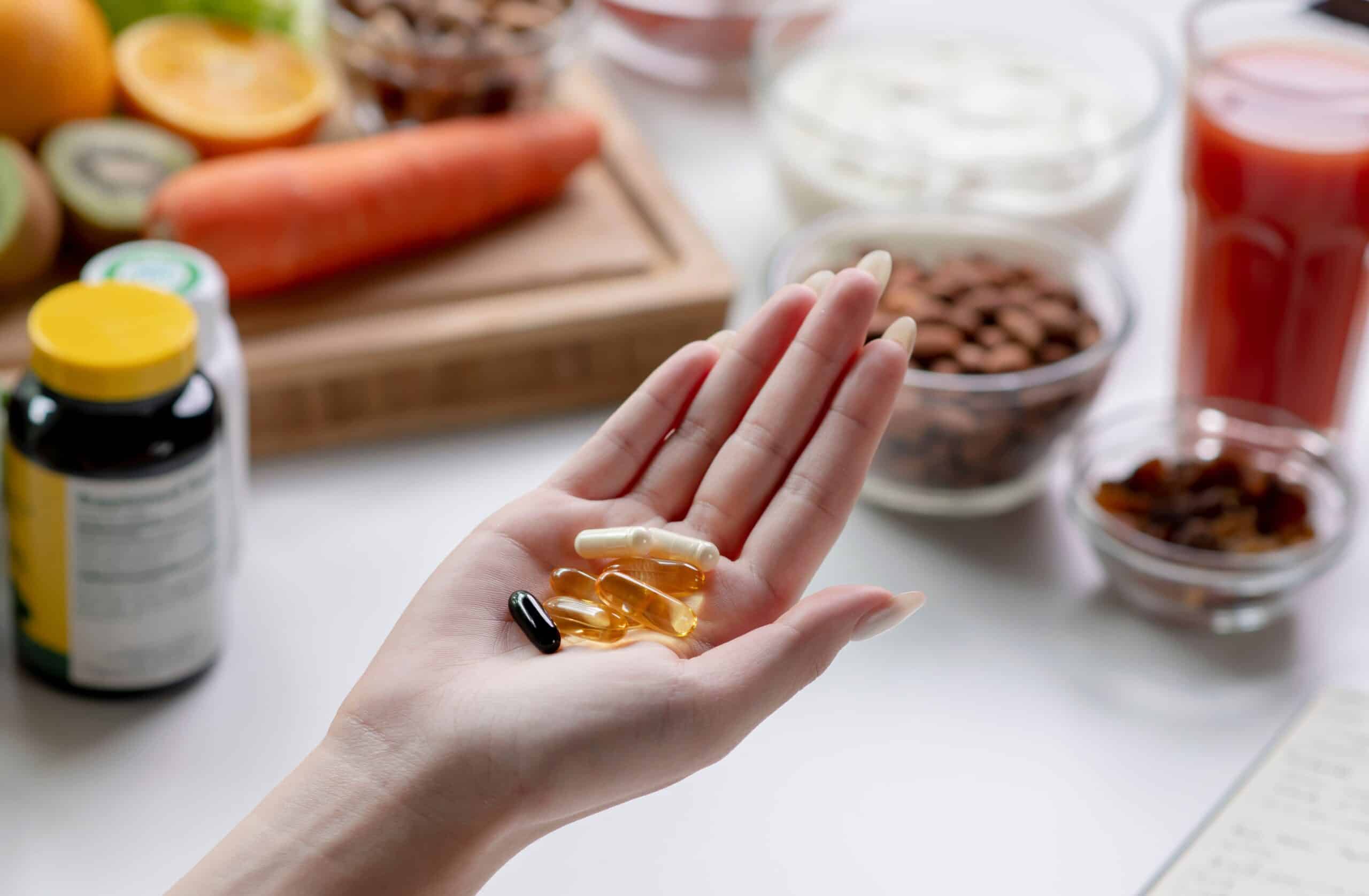
10+ Top private label immunity supplements manufacturers
Wonnda works with the best private label immunity supplements manufacturers. Here is a list of trusted suppliers from our network.
- Featured
NorVita
4.7Private LabelContract ManufacturingEstonia-based manufacturer producing vitamin d3 spray, vitamin d3 baby spray, beauty collagen gel, available to brands sourcing immunity supplements.
- Country
- Estonia
- MOQ
- Lead time
- Featured
 Private LabelWhite LabelContract Manufacturing
Hungary-based manufacturer producing powder supplements, animal supplements, vitamin supplements, available to brands sourcing immunity supplements.
- Country
- Hungary
- MOQ
- From 500 units for selected ready capsule formulas; 1,000 units for capsules, softgels and collagen products
- Lead time
- Featured
 Private LabelWhite LabelContract Manufacturing
Contract manufacturer of food supplements, sports nutrition and cosmetics in Latvia
- Country
- Latvia
- MOQ
- From 750 units
- Lead time
- 5-9 weeks
- Featured
 Contract ManufacturingPrivate LabelWhite Label
Lithuanian private label manufacturer of supplement tablets, capsules and liposomals
- Country
- Lithuania
- MOQ
- From 1,000 bottles; 9,000 units in blisters; 300,000 units for bulk tablets and capsules.
- Lead time
- 6-8 weeks custom; 3-4 weeks repeat
- Featured
 Private LabelContract ManufacturingWholesale
Slovenia-based manufacturer with private label capability. European CDMO for food supplements, cosmetics, and pet food with patented BMT® microencapsulation technology and 30+ years of formulation ex
- Country
- Slovenia
- MOQ
- Contact for MOQs (project-dependent)
- Lead time
- 12 weeks
- Featured
 Private LabelContract Manufacturing
Belgium-based manufacturer producing dormi sana capsules, ax1 forte powder, beauty booster skin anti-aging capsules, available to brands sourcing immunity supplements.
- Country
- Belgium
- MOQ
- Lead time
- Featured
Pure Flavour
4.7Private LabelContract ManufacturingGermany-based manufacturer producing flavourings, extracts, liquid vitamins, available to brands sourcing immunity supplements.
- Country
- Germany
- MOQ
- Lead time
- Featured
 Private LabelContract Manufacturing
Netherlands-based manufacturer producing collagen-based dietary supplements, immunity booster formulations, amino acid formulations, available to brands sourcing immunity supplements.
- Country
- Netherlands
- MOQ
- Lead time
 Private LabelContract Manufacturing
Poland-based manufacturer producing classic energy drinks, bcaa beverages, fruit juices, available to brands sourcing immunity supplements.
- Country
- Poland
- MOQ
- Lead time
 Private LabelContract Manufacturing
France-based manufacturer producing sleep gummies, urisanol flash capsules, elixir du suédois herb kit, available to brands sourcing immunity supplements.
- Country
- France
- MOQ
- Lead time
Compare MOQs and lead times
Quick side-by-side of the shortlist. Missing values shown as a dash.
| Supplier | Location | Types | MOQ | Lead time |
|---|---|---|---|---|
| NorVita | Estonia | PL · CM | ||
| AYS Ltd. (All Your Solution) | Hungary | PL · White Label · CM · Packaging | From 500 units for selected ready capsule formulas; 1,000 units for capsules, softgels and collagen products | |
| MillMax | Latvia | PL · White Label · CM | From 750 units | 5-9 weeks |
| Futures Nutrition | Lithuania | CM · PL · White Label | From 1,000 bottles; 9,000 units in blisters; 300,000 units for bulk tablets and capsules. | 6-8 weeks custom; 3-4 weeks repeat |
| Biostile Global | Slovenia | PL · CM · WS | Contact for MOQs (project-dependent) | 12 weeks |
| Lombardia Vita | Belgium | PL · CM | ||
| Pure Flavour | Germany | PL · CM | ||
| Vitalforce Labs | Netherlands | PL · CM | ||
| Brandsparkle | Poland | PL · CM | ||
| FLORALPINA SAS | France | PL · CM |
Buyer criteria
- Claims compliance on the active stack
Immune claims in the EU may only rest on micronutrients with authorized claims, not on elderberry or echinacea. Verify the manufacturer doses vitamin C, D, zinc or selenium at the level the authorized claim requires and frames the botanical actives without making unauthorized immune statements. A house that lets you print an elderberry immune claim is exposing you to enforcement, so claims literacy is a core qualification, not a label afterthought.
- Multi-active formulation and uniformity experience
An immune blend combines high-inclusion vitamin C with micro-dose vitamin D and selenium, which is harder to blend uniformly than a single active. Confirm the manufacturer pre-triturates micro-dose actives and validates blend uniformity, and ask how they prove every unit delivers all the regulated actives. A house without genuine multi-active experience will produce units that vary in the very ingredients that carry your claim.
- Overage strategy for sensitive actives
Vitamin C, vitamin D and several botanicals degrade during processing and over shelf life, so the manufacturer must build measured overages so the label dose holds at expiry. Ask what overage they apply per active and whether it is backed by stability data. A formula built to exactly the label dose with no overage will under-deliver by end of shelf life, failing both a third-party test and the claim it supports.
- Format capability matched to your product
Effervescent tablets, gummies, capsules and tablets are different production processes on different equipment. Confirm the manufacturer genuinely runs your chosen format in-house, especially effervescent (humidity-controlled) and gummy (depositing) lines, rather than subcontracting. A capsule house quoting effervescent may run poor trial lots. Match the partner to the format first, because the format constrains which actives and doses are even achievable.
- Botanical identity and contaminant testing
Elderberry, echinacea and other botanicals carry adulteration and heavy-metal risk, so require identity testing to confirm the species and standardized-compound level, plus heavy-metal and microbiological screening per batch. Elderberry in particular is commonly adulterated or under-standardized. Ask for the specification and CoA of the actual extract grade, since two elderberry extracts can differ widely in anthocyanin content and authenticity.
- Stability data across the full stack
Request stability data supporting the printed shelf life for the whole blend, not just one active, since a multi-active immune formula is only as stable as its weakest ingredient. Vitamin C in an effervescent or a gummy behaves very differently from vitamin C in a capsule. A manufacturer that assigns shelf life without stability data on your specific format and stack is guessing, and the product may fall below claim before expiry.
- Seasonal capacity and lead-time reliability
Immunity demand peaks ahead of autumn and winter, so confirm the manufacturer can meet your reorder timing when the whole category is competing for capacity. Ask about lead times in peak season and whether they reserve slots. A partner that cannot deliver before the cold-season window leaves you with stock arriving after demand has passed, which is a structural risk specific to this seasonal category.
Red flags
- Immune claims pinned to elderberry or echinacea
If the manufacturer lets you base an immune claim on elderberry, echinacea or another botanical without an authorized EU health claim, they do not understand the regulation or do not care. The immune claim must rest on the regulated micronutrients dosed appropriately. A house that drafts non-compliant labels is a liability, since the resulting product invites enforcement and forced relabeling that falls on your brand.
- No overage on vitamin C or D
A multi-active immune formula built to exactly the label dose with no overage for degradation will fall below claim before the expiry date. Vitamin C and vitamin D lose potency during processing and storage. If the manufacturer cannot explain its overage strategy per active and back it with stability data, the product will fail a third-party assay late in shelf life and undermine every claim on the label.
- Single assay standing in for a multi-active blend
If QC tests only one active and assumes the rest meet claim, the manufacturer cannot prove a multi-active immune product delivers its full stack. With a dozen ingredients at different inclusion levels and stabilities, several must be assayed. A house that tests vitamin C alone and waves through zinc, vitamin D and the botanicals is gambling that the blend is uniform and stable, which is exactly what should be verified.
- Effervescent or gummy run on the wrong line
An effervescent immune tablet made outside a humidity-controlled environment, or a gummy made on an improvised line, will fail. Effervescent systems react with ambient moisture and gummies need proper depositing and drying. If a capsule-focused house quotes these formats without a dedicated line, expect tablets that fizz prematurely or gummies that stick and lose dose. Confirm the actual line before committing to either format.
- Botanical with no identity or standardization data
An elderberry or echinacea ingredient sold without identity testing and a standardized-compound specification may be adulterated, under-strength or the wrong species. These botanicals are common adulteration targets. A manufacturer that cannot show the species confirmation, the standardization level and a heavy-metal screen for the actual extract is selling an unverified marketing ingredient, which weakens both the product and the story you are paying a premium to tell.
- Shelf life claimed without full-stack stability
A printed expiry on a multi-active immune product must rest on stability data for the whole blend in its actual format, not a single ingredient or a blanket assumption. The least stable active sets the real shelf life. A manufacturer that assigns 24 or 36 months without format-specific, full-stack stability data is exposing you to potency complaints and failed tests once the product sits in distribution through a season.
Manufacturing process
- 01
Stack design and claims mapping
The brand and manufacturer agree the active stack, separating the regulated micronutrients that carry authorized EU immune claims (vitamin C, D, zinc, selenium, B6, folate, copper) from the botanicals and extras that carry the marketing story (elderberry, echinacea, beta-glucans, quercetin). Each active is mapped to a dose and a permitted claim. This step fixes the legal and marketing skeleton of the product before any raw material is bought.
- 02
Form selection and ingredient form choice
The format (capsule, tablet, effervescent, gummy, sachet) is chosen, which constrains the stack, and the specific form of each active is selected: zinc bisglycinate versus oxide, vitamin D3 on a carrier, buffered or coated vitamin C. Forms are chosen for bioavailability, stability and compatibility, since some actives interact. The format dictates the entire downstream process, so it is locked here with the stack.
- 03
Active sourcing and overage calculation
Standardized botanicals and branded ingredients are procured to specification, and overages are calculated for heat- and moisture-sensitive actives so the label dose still holds at end of shelf life. Vitamin C, vitamin D and some botanicals degrade over time and during processing, so a manufacturer builds in measured overage. Incoming actives are identity- and potency-tested, with heavy-metal screening on botanicals.
- 04
Weighing and pre-blending
Each active is weighed against the master batch record under GMP, and potent micro-dose ingredients such as vitamin D3, selenium and folate are pre-blended into a trituration so they distribute evenly across the batch rather than concentrating. With a dozen actives at very different inclusion levels, this even distribution is the core challenge of a multi-active immune blend and is verified before the main blend.
- 05
Blending
All actives and excipients are blended to a validated uniformity in a ribbon or bin blender. A multi-active immune formula mixes high-inclusion vitamin C with micro-dose vitamin D and selenium, so blend time and order of addition are qualified to avoid segregation. Uniformity is sampled top, middle and bottom, because an uneven blend means some units over- or under-deliver the regulated actives that carry the claim.
- 06
Forming the dose: encapsulation, compression, effervescent or gummy
The blend is encapsulated, compressed into tablets, granulated and tableted into effervescents under low humidity, or cooked and deposited as gummies. Effervescent production runs in humidity-controlled rooms because the citric acid and bicarbonate react with any moisture. Gummy production cooks a gelatin or pectin base and deposits it, which limits heat-sensitive actives. In-process checks verify weight and dose at this stage.
- 07
Quality control and multi-active assay
QC assays the key actives against label claim, which for a multi-active blend means testing several ingredients, plus microbiology, heavy metals on botanicals, disintegration and, for effervescents, dissolution. The challenge is confirming that a dozen actives all meet claim simultaneously after processing and overage. Per-batch certificates of analysis document the assayed actives and safety results for traceability.
- 08
Packaging for moisture protection and labeling
Capsules and tablets are bottled with desiccant and induction-sealed, effervescents are tubed with a desiccant cap to keep moisture out, and gummies are bottled or pouched. Moisture control is critical across immune formats because vitamin C and effervescent systems are hygroscopic. Labels declare the actives, doses, authorized claims and allergens, with lot codes and expiry. Packaging choice protects the overaged actives across the stated shelf life.
Understanding immunity supplements private-label manufacturing
Formulation Design and Active Stacks
Immunity supplements typically blend immune-supporting active ingredients, such as vitamin C, vitamin D, zinc, and botanicals like elderberry or echinacea. For private label brands, immunity supplements are unique because they are multi-active blend products rather than single-ingredient products. The primary sourcing work involves formulation design: selecting actives, forms, and doses, and ensuring a stable, palatable format.
A credible immunity formula usually relies on ingredients with authorized immune claims in the EU, including vitamin C, vitamin D, zinc, selenium, copper, folate, and vitamin B6. Botanicals and other actives like elderberry (Sambucus), echinacea, beta-glucans, quercetin, vitamin A, or probiotics are layered in for positioning. While regulated micronutrients carry the legal claim, botanicals carry the marketing story. It is important to note that elderberry and echinacea do not have authorized health claims in the EU and cannot be the basis of an immune statement.
Formats and Their Constraints
The choice of format constrains the blend of active ingredients. Capsules and tablets accommodate a broad range of active ingredients with precise dosing and offer the longest shelf life. Gummies limit the actives and doses that can be included and complicate the inclusion of vitamin D and zinc, but they are popular with consumers who prefer not to take pills.
Effervescent tablets and powder sachets allow for a high vitamin C dose and offer a pleasant drink format with daily ritual appeal. However, they introduce a moisture-sensitive manufacturing process. The format decision interacts directly with the active stack, as a 1,000 mg vitamin C effervescent is a different product from a 12-active immune capsule.
Manufacturing Locations and Market Information
Immunity contract manufacturing for Europe is concentrated in Germany, the Netherlands, Italy, Poland, and the UK for capsules and tablets. Effervescent specialists are found in a smaller number of facilities, and gummy lines are in dedicated facilities.
The global immune health supplements market was valued at approximately 35.35 billion USD in 2024 and is projected to grow at about 9.06 percent CAGR through 2033 (Grand View Research). Demand has been structurally higher since the pandemic increased baseline interest in immune support.
MOQs, Lead Times, and Cost Drivers
Minimum Order Quantities (MOQs) for a custom capsule or tablet immunity blend typically start around 3,000 to 10,000 units per SKU. Effervescent and gummy formats often have higher MOQs due to their tooling and process minimums. Lead times generally range from 8 to 14 weeks, with potential extensions ahead of autumn due to seasonal demand.
The primary cost drivers, in order, are:
- The active stack (e.g., a branded beta-glucan or a standardized elderberry extract can exceed the cost of base vitamins and minerals).
- The chosen format (effervescent and gummy typically cost more to produce than a simple capsule).
- The number of active ingredients and overages required for stability.
- Packaging.
Differentiation in the market comes from the credibility and dosing of the active stack, the format experience, clean-label positioning, and a recognizable botanical hook. Prioritizing a partner with formulation experience in multi-active immune blends and a strong record of claims compliance is more important than headline price, as an under-dosed or non-compliant immune product can fail both customers and regulators.
How private label works for immunity supplements
Immunity private label is a formulation business rather than a single-ingredient one. The brand and manufacturer design a multi-active stack, decide the format, and reconcile dosing, stability and claims into one product. The brand's decisions are the active stack, the format, the dose levels and the positioning, while the manufacturer sources the actives, builds overages, blends to uniformity, forms the dose and tests the result. Because the product is a blend, the work is in getting many ingredients to coexist stably and to all meet claim at once, which is harder than it looks for a category that consumers treat as simple.
The briefing sequence is stack and claims first, because the regulated micronutrients carry the legal immune claim and the botanicals carry the story, and confusing the two creates a non-compliant label. Format follows, since it constrains which actives and doses are achievable. Only then do overage, packaging and shelf life get finalized. A brand that picks a gummy format and then tries to load a full capsule stack into it will have to unwind the decision, because the format limits the formula.
What separates premium from commodity immunity products
Two immune products can list similar ingredients and cost very different prices. The difference is in dosing credibility, ingredient forms, and stability discipline. A commodity product uses cheap mineral forms such as zinc oxide, doses actives below the level the claim requires, fairy-dusts a token elderberry for the label, and builds no overage. A premium product uses bioavailable forms such as zinc bisglycinate and vitamin D3, doses the regulated actives to claim level, sources a standardized authentic botanical, and builds stability-backed overages so the blend holds to expiry.
Dosing and claims integrity is the dividing line in immunity. Because the category is claims-sensitive and consumers cannot see whether an active is dosed to a meaningful level, under-dosing and non-compliant claims are the easy corners to cut. Brands that dose the regulated actives properly, structure claims correctly, and verify the full stack occupy the trusted tier, while commodity products that lean on botanical marketing over compliant dosing invite both customer disappointment and enforcement.
Sourcing geography for immunity supplements
Immunity contract manufacturing follows the broader supplement supply base, with capsules and tablets made across Germany, the Netherlands, Italy, Poland and the UK. Effervescent production is concentrated in a smaller set of specialist houses with humidity-controlled facilities, and gummy production runs in dedicated depositing lines. The actives themselves come from a global ingredient supply chain: vitamins and minerals from large producers in Europe and Asia, and standardized botanicals such as elderberry and echinacea from extract specialists.
For EU brands, blending and forming within Europe simplifies claims compliance, contaminant documentation and lead times, and keeps the seasonal supply chain close, which matters when the whole category competes for autumn capacity. The format drives the geography as much as cost does, since the right effervescent or gummy partner may be in a different country from a capsule house, and a multi-format immune range can require more than one production partner.
Cost structure breakdown
The immunity cost stack is led by the active ingredients and the format. A branded beta-glucan or a standardized elderberry extract can cost more than all the base vitamins and minerals combined, and effervescent and gummy formats cost more to produce than a simple capsule. After actives and format come the number of ingredients and their overages, packaging with moisture protection, and multi-active QC.
- Active stack: branded and standardized actives dominate; base vitamins and minerals are comparatively cheap.
- Format: effervescent and gummy production cost more than capsules and tablets.
- Number of actives and overages: more ingredients and more overage for sensitive actives raise raw-material and testing cost.
- Packaging: desiccants, moisture-barrier tubes for effervescents, and bottles, with artwork minimums on small runs.
- QC: multi-active assay, botanical identity and heavy metals, disintegration or dissolution, and full-stack stability.
Sourcing discipline means dosing the regulated actives to claim level rather than under-dosing to save cost, building stability-backed overages, and choosing the format with eyes open to its production premium.
Compliance and certification landscape
Immunity supplements sit under EU food-supplement regulation, which governs permitted ingredients, maximum levels, and crucially the health claims that may be made. Only authorized claims from the EU Register may appear, which for immune function means specific micronutrients at defined intakes, while botanicals like elderberry and echinacea have no authorized immune claim and cannot anchor an immune statement. Notification requirements vary by member state. Manufacturers should hold GMP and food-safety certification covering the relevant format.
For the botanical components, heavy-metal limits, contaminant screening and identity testing apply, and adulteration risk on ingredients like elderberry makes incoming testing important. Stability and overage tie directly to compliance, since the label dose must hold to expiry to support the claim. A manufacturer experienced in your target markets will flag claim and dosage limits, structure the label correctly, and align overage and stability with the printed shelf life before they become an enforcement or relabeling problem.
Seasonality and format trends
Immunity is the most seasonal supplement category, with demand rising sharply ahead of autumn and winter and falling in spring, which shapes both production planning and product design. Brands that order late find lead times stretched as the whole category competes for capacity, so buffer stock and reserved production slots matter more here than in steady-demand categories. The seasonal pattern also favors recognizable, fast-acting formats: effervescents and high-dose vitamin C drinks sell as an in-the-moment response to feeling run down, while capsule and gummy ranges support the year-round preventative buyer.
Within the category, several positioning trends are widening the format and stack choices. Kids immune ranges, usually as gummies or liquids with a focused, age-appropriate stack, are a growing sub-segment. Combination immune-and-energy or immune-and-sleep products extend the stack toward broader wellness. Probiotic and gut-immune formulas tie immune support to the microbiome story. For a private label brand, these trends expand the addressable buyer but reinforce the same fundamentals: every variant still rests on the regulated micronutrients dosing the immune claim, on overages that survive to expiry, and on a stack verified across its full set of actives, so the seasonal and trend-led product decisions should sit on top of that compliant, well-dosed core rather than around it.
Industry insights
Frequently asked questions
Which ingredients can legally carry an immune claim in the EU?+
Can I put my whole immune stack into a gummy?+
Why is vitamin C overage necessary in immune products?+
What is the difference between an effervescent and a capsule immune product?+
Is elderberry worth including in an immune supplement?+
What MOQ should I expect for a custom immunity blend?+
How do I make sure every active in my immune blend meets its label claim?+
Does immunity demand really change with the seasons for production planning?+
Explore adjacent product types
Get a vetted shortlist of immunity supplements suppliers in 48 hours.
Post a brief on Wonnda. Free, no commitment. We match you with vetted manufacturers that fit your MOQ, format and market.