
Best private label powder supplements manufacturers
Shortlist private label powder supplements suppliers on Wonnda. This product category encompasses a wide array of formulations, including greens, functional blends, vitamin, mineral, mushroom, adaptogen, electrolyte, and hydration powders. Sourcing considerations include the specific active ingredients, desired solubility, flavor profiles, and whether the product is intended for daily use or targeted benefits. Certifications like organic, vegan, or allergen-free are often crucial, and lead times can vary depending on ingredient availability and blending complexity.
- Powder dietary supplements market — global value, projected to reach about 51.7 billion USD by 2030
- 27.93 billion USD
- Powder dietary supplements CAGR — faster than the overall supplement market, driven by mixable-format demand
- 10.9%
- North America regional market — regional value, growing at about 9.8% CAGR through 2030
- 10.20 billion USD
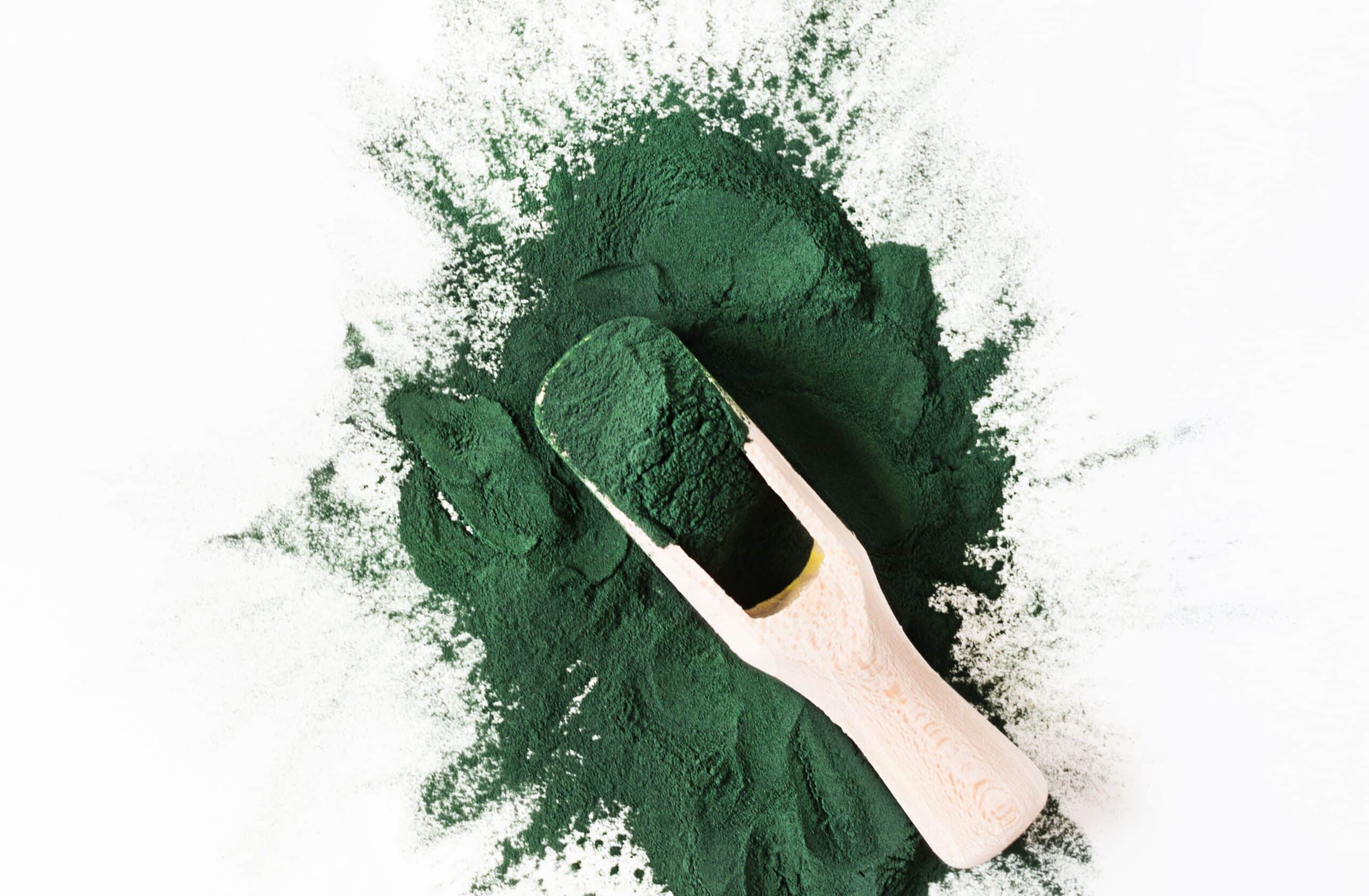
15+ Top private label powder supplements manufacturers
Wonnda works with the best private label powder supplements manufacturers. Here is a list of trusted suppliers from our network.
- Featured
 Private LabelWhite LabelContract Manufacturing
Hungary-based manufacturer producing powder supplements, animal supplements, vitamin supplements, available to brands sourcing powder supplements.
- Country
- Hungary
- MOQ
- From 500 units for selected ready capsule formulas; 1,000 units for capsules, softgels and collagen products
- Lead time
- Featured
 Private LabelContract Manufacturing
Germany-based manufacturer producing denture cleansing tablets, dietary supplement capsules, dietary supplement tablets, available to brands sourcing powder supplements.
- Country
- Germany
- MOQ
- Lead time
- Featured
Activ'Inside
4.7Private LabelContract ManufacturingFrance-based manufacturer producing powder supplements, tablets, gummies, available to brands sourcing powder supplements.
- Country
- France
- MOQ
- 1000 units
- Lead time
- 8 weeks
- Featured
 Private LabelContract Manufacturing
Latvia-based manufacturer producing b-complex vitamin blends, mineral and vitamin blends, magnesium formulations, available to brands sourcing powder supplements.
- Country
- Latvia
- MOQ
- Lead time
- Featured
 Contract ManufacturingWhite LabelPrivate Label
German contract manufacturer for supplements and functional food. Low MOQs, perfect for startups and brands.
- Country
- Germany
- MOQ
- Capsules from 500 units, or 300 units across multiple products; powders and food from 300 units, with 150 units per flavour; protein from 300 kg.
- Lead time
- Featured
 Private LabelWhite LabelContract Manufacturing
Contract manufacturer of food supplements, sports nutrition and cosmetics in Latvia
- Country
- Latvia
- MOQ
- From 750 units
- Lead time
- 5-9 weeks
- FeaturedCOContract ManufacturingPrivate LabelWhite Label
Belgian private label manufacturer of functional shakes and nutraceuticals
- Country
- Belgium
- MOQ
- From 100 units for powders in jars or stand-up pouches; 1,000 units for gummies; 3,000 units for size 00 capsules.
- Lead time
- About 2 weeks
- Featured
 Contract ManufacturingPrivate LabelWhite Label
Lithuanian private label manufacturer of supplement tablets, capsules and liposomals
- Country
- Lithuania
- MOQ
- From 1,000 bottles; 9,000 units in blisters; 300,000 units for bulk tablets and capsules.
- Lead time
- 6-8 weeks custom; 3-4 weeks repeat
- Featured
 Private LabelContract Manufacturing
Slovenian private label manufacturer filling supplement powders into single-serve stick packs, sachets and pouches. Custom formulation, ingredient sourcing and packaging in-house. FSSC 22000, ISO 22000, GMP, EU Organic.
- Country
- Slovenia
- MOQ
- From 2,000 units for capsules and powders, 2,500 units for hair care capsules.
- Lead time
 Private LabelContract ManufacturingWholesale
Slovenia-based manufacturer with private label capability. European CDMO for food supplements, cosmetics, and pet food with patented BMT® microencapsulation technology and 30+ years of formulation ex
- Country
- Slovenia
- MOQ
- Contact for MOQs (project-dependent)
- Lead time
- 12 weeks
 Private LabelContract Manufacturing
USA-based manufacturer producing capsules, tablets, powders, available to brands sourcing powder supplements.
- Country
- USA
- MOQ
- Lead time

ANilab
4.9Private LabelContract ManufacturingSlovakia-based manufacturer producing mushroom coffee (lion’s mane, reishi, cordyceps), functional instant beverage blends, nespresso© compatible capsules for functional mushrooms and teas, available to brands sourcing powder supplements.
- Country
- Slovakia
- MOQ
- 500 units
- Lead time
- On request
BF-ESSE LTD.
4.7Private LabelContract ManufacturingLatvia-based manufacturer producing capsules, tablets, sachets and powder fills, available to brands sourcing powder supplements.
- Country
- Latvia
- MOQ
- Lead time
 Private LabelContract Manufacturing
Slovenia-based manufacturer producing vitamin c capsules, vitamin d3 capsules, multivitamin tablets, available to brands sourcing powder supplements.
- Country
- Slovenia
- MOQ
- Lead time
 Private LabelContract Manufacturing
Slovakia-based manufacturer producing mushroom-based focus supplements, mushroom blends for nootropics, private label focus supplements, available to brands sourcing powder supplements.
- Country
- Slovakia
- MOQ
- Lead time
Compare MOQs and lead times
Quick side-by-side of the shortlist. Missing values shown as a dash.
| Supplier | Location | Types | MOQ | Lead time |
|---|---|---|---|---|
| AYS Ltd. (All Your Solution) | Hungary | PL · White Label · CM · Packaging | From 500 units for selected ready capsule formulas; 1,000 units for capsules, softgels and collagen products | |
| BMP Production | Germany | PL · CM | ||
| Activ'Inside | France | PL · CM | 1000 units | 8 weeks |
| ERA Scientifico | Latvia | PL · CM | ||
| Arboretum Nutra | Germany | CM · White Label · PL | Capsules from 500 units, or 300 units across multiple products; powders and food from 300 units, with 150 units per flavour; protein from 300 kg. | |
| MillMax | Latvia | PL · White Label · CM | From 750 units | 5-9 weeks |
| Cosmogroup | Belgium | CM · PL · White Label | From 100 units for powders in jars or stand-up pouches; 1,000 units for gummies; 3,000 units for size 00 capsules. | About 2 weeks |
| Futures Nutrition | Lithuania | CM · PL · White Label | From 1,000 bottles; 9,000 units in blisters; 300,000 units for bulk tablets and capsules. | 6-8 weeks custom; 3-4 weeks repeat |
| BIOPAK | Slovenia | PL · CM | From 2,000 units for capsules and powders, 2,500 units for hair care capsules. | |
| Biostile Global | Slovenia | PL · CM · WS | Contact for MOQs (project-dependent) | 12 weeks |
| Superior Supplement Manufacturing | USA | PL · CM | ||
| ANilab | Slovakia | PL · CM | 500 units | On request |
| BF-ESSE LTD. | Latvia | PL · CM | ||
| Private Vitamin | Slovenia | PL · CM | ||
| Royal Factory s.r.o | Slovakia | PL · CM |
Buyer criteria
- Multi-ingredient formulation capability
Powder supplements often combine many actives, so confirm the blender can architect a complex deck that balances efficacy, taste, solubility, cost and stability, not just dry-blend a simple powder. Ask about their experience with greens, functional or adaptogen blends specifically. A house that mainly fills single-active or protein powders may struggle with the uniformity, masking and solubility challenges of a long ingredient deck, which is exactly where functional powders succeed or fail.
- Masking for difficult functional ingredients
Greens, mushroom, adaptogen and botanical ingredients carry strong vegetal, bitter and earthy notes far harder to mask than a basic powder, and palatability drives reorder. Evaluate the blender on its masking capability and always taste production-representative samples in water and in a smoothie. A spec sheet cannot reveal whether a greens blend is drinkable. A blender experienced with functional ingredients will have proven masking systems that a generic powder filler lacks.
- Solubility, dispersion and mouthfeel
Because powders are judged in the glass, confirm the blend disperses or dissolves cleanly without clumping, floating, grit or separation, and test the actual mouthfeel yourself in the intended liquid. Some functional ingredients are inherently insoluble, so the blender must balance dissolution with acceptable suspension. A functional powder with good actives and taste can still fail on a gritty or separating texture, so treat solubility and mouthfeel as tested requirements.
- Dose transparency over proprietary blends
Informed buyers increasingly distrust proprietary blends that hide per-ingredient doses behind a single total, since they conceal under-dosing. Favor a blender that supports transparent per-ingredient labeling and can deliver meaningful, defensible doses of the key actives. Ask for the actual inclusion levels across the deck. A powder that lists impressive ingredients but hides their amounts often fairy-dusts the expensive ones, and dose transparency is a growing differentiator in functional powders.
- Uniformity across a complex deck
When a blend spans bulk fruit powders and microgram-scale vitamins, uniformity is demanding, so confirm the blender pre-blends or triturates low-inclusion actives and validates uniformity across the batch. Ask how dose accuracy is ensured for both the largest and smallest ingredients. A blend that is not uniform delivers inconsistent doses scoop to scoop, which on a multi-active functional product undermines every claim on the panel, not just one.
- Contaminant and identity testing across inputs
A long ingredient deck multiplies contaminant and adulteration risk, especially with botanicals, greens and imported extracts that can carry heavy metals or adulterants. Require identity testing and heavy-metal and microbiological screening across the inputs and finished product. Ask which actives are tested and to what limits. A blender that tests only a few ingredients on a complex botanical-heavy blend leaves real safety and authenticity gaps on a product consumed daily.
- Format capability and GMP certification
Confirm the blender runs your intended format, tub, stick pack or sachet, in-house, since single-serve filling differs from tub filling, and require GMP and food-safety certification with a scope covering powder supplements. Ask for representative dose-assay and uniformity data rather than generic assurances. A blender that only fills tubs cannot deliver the single-serve sticks that suit hydration and functional daily products without adding a second partner.
Red flags
- Proprietary blend hiding per-ingredient doses
A label that lists many ingredients under a single proprietary-blend total, without per-ingredient amounts, usually conceals under-dosing of the expensive actives while leaning on cheap fillers. Informed buyers increasingly reject this. If a blender pushes a proprietary blend rather than transparent dosing, ask for the actual inclusion levels, and treat reluctance as a sign the impressive ingredient list is not backed by meaningful doses, which is the classic functional-powder deception.
- No production-representative taste and solubility samples
Because masking difficult functional ingredients and achieving clean solubility are so hard, a blender that will not provide samples made on the actual production process is hiding taste, grit or dispersion problems. Bench samples often perform better than scaled product. Insist on tasting and mixing the real thing in water and a smoothie before committing, since a greens or functional powder that is bitter, gritty or clumping at scale fails on the first serving.
- Limited testing on a complex botanical deck
A blend heavy in botanicals, greens and imported extracts carries real heavy-metal and adulteration risk, so a blender that tests only a few ingredients or skips identity screening leaves safety and authenticity gaps. Ask which inputs are tested and to what limits. On a product consumed daily with a long, complex deck, inadequate contaminant and identity testing is disqualifying regardless of how attractive the formula or price appears.
- Poor uniformity across mixed-scale ingredients
When a blend combines bulk powders and microgram-scale vitamins or potent extracts, a blender without a deliberate pre-blend or trituration strategy will produce hot spots, so doses vary scoop to scoop. If the blender cannot describe how it ensures uniformity for both the largest and smallest ingredients, the dose accuracy across the deck is unreliable, which undermines every claim on a multi-active functional powder, not just one ingredient.
- Insoluble blend that separates or grits in the glass
A powder that clumps, floats, sinks as grit or separates in liquid fails the daily-use experience that drives reorder, and some functional ingredients are inherently hard to disperse. If the blender cannot demonstrate clean dispersion on production-representative material, or dismisses solubility concerns, the product will disappoint in the glass where the customer judges it. Refusal to show real dispersion behavior usually means the blend performs poorly when actually mixed.
- Masking that fails on difficult actives
Greens, mushroom and adaptogen powders that still taste strongly vegetal, bitter or medicinal signal weak masking capability. If samples taste off in the intended use, the problem reaches every customer on every serving. A blender that cannot deliver an acceptable taste on a difficult functional deck will leave you with a product that may be efficacious but is unpalatable, and a daily-ritual powder that nobody enjoys drinking will not be reordered.
Manufacturing process
- 01
Formula architecture and ingredient deck design
The brand and blender design the ingredient deck, deciding which actives, extracts, vitamins, minerals, probiotics, enzymes and fruit or vegetable powders make up the blend and at what doses. For multi-ingredient functional powders this architecture is complex, balancing efficacy, taste, cost and stability across many inputs. Doses are set to meaningful, defensible levels, and the decision between transparent per-ingredient labeling and a proprietary blend is made here, since it shapes buyer trust.
- 02
Ingredient procurement and verification
Each ingredient is procured to a specification for identity, potency, particle size and contaminant limits, and incoming materials are tested. A powder blend may contain dozens of inputs of varying grades and origins, so verification protects both the dose and the safety of the finished product. Premium and branded functional ingredients are sourced to their specifications, and probiotics or sensitive actives are handled under the conditions they require before blending.
- 03
Flavor, sweetener and masking development
Flavors, sweeteners, acids, salt and specific masking agents are developed to cover the strong vegetal, bitter, earthy and sometimes medicinal notes of greens, mushroom, adaptogen and botanical ingredients, which are far harder to mask than a simple powder. This is the decisive step for palatability, since a functional powder lives or dies on whether the daily serving tastes acceptable in water or a smoothie. Sweetener choice is matched to clean-label positioning.
- 04
Particle size and solubility engineering
Ingredients of very different particle sizes and densities are managed, and the blend is engineered for solubility or clean dispersion so it does not clump, float, sink as grit or separate in the glass. Some ingredients are inherently insoluble, so the blend balances genuine dissolution with acceptable suspension. Instantizing or specific processing may be used. Mouthfeel and dispersion are tested in the intended use, since they drive the daily experience as much as taste.
- 05
Multi-ingredient blending to uniformity
The full deck is blended in stages to a validated uniformity so every scoop or stick delivers the labeled dose of each active, which is challenging when ingredients range from bulk fruit powders to microgram-scale vitamins. Low-inclusion actives are pre-blended or triturated to avoid hot spots, and blend uniformity is sampled across the batch. The more ingredients in the deck, the more demanding this uniformity work becomes, and it underpins every dose claim.
- 06
Filling into tubs, sticks or sachets
The blend is filled into tubs with a scoop, into single-serve stick packs, or into sachets, by weight, then sealed for freshness and tamper evidence. Single-serve formats suit hydration and functional daily products and carry convenience premiums, while tubs suit multi-serving daily rituals. Fill weight is checked continuously so each serving delivers the labeled doses, and moisture-sensitive blends are packed to control humidity and protect hygroscopic ingredients.
- 07
Quality control and dose verification
QC verifies the content of key actives against label claim, blend uniformity, microbiological limits, moisture, heavy metals and, for botanicals, identity and adulterant screening. With a long ingredient deck, the testing program targets the actives that carry the main claims and the highest risk. Per-batch certificates of analysis document the critical actives and safety results, supporting the dose transparency that distinguishes a serious functional powder.
- 08
Labeling, lot coding and packing
Tubs, sticks or sachets are labeled with the full ingredient deck and doses, any allergen and source declarations, lot code and expiry, then case-packed and palletized. Dose-transparent labeling, listing per-ingredient amounts rather than hiding them in a proprietary blend, is increasingly expected by informed buyers. Lot codes trace finished product back to the specific ingredient lots, supporting any dose, identity or contaminant investigation across a complex formula.
Understanding powder supplements private-label manufacturing
Powder Supplements Overview
Powder supplements cover a wide range of products including greens blends, functional mixes, vitamin and mineral powders, mushroom and adaptogen blends, and electrolyte and hydration powders. These are designed to be mixed into liquid rather than swallowed as a pill. This format allows for large doses and multi-ingredient functional blends, and supports flavored daily-ritual products. However, it also exposes formulation flaws related to taste, texture, solubility, and color. This discussion focuses on powder supplements as a format, distinct from protein powders.
Formulation and Manufacturing Challenges
The primary challenge in formulating multi-ingredient powders is balancing efficacy, taste, and solubility across numerous ingredients. A greens or functional blend may contain vegetable and fruit powders, botanical extracts, vitamins, minerals, probiotics, digestive enzymes, and adaptogens. Each ingredient has unique taste, color, particle size, density, and stability characteristics. Achieving uniformity, palatability, solubility, and shelf-stability is more complex than formulating a single-active capsule.
Greens powders, in particular, often have strong vegetal and bitter notes requiring significant masking. The more ingredients in a blend, the more difficult it becomes to ensure uniformity and accurate dosing. The expertise of the contract blender in formulation is crucial for success.
Powder supplement blending for the European market is concentrated in Germany, the Netherlands, Belgium, Poland, and the UK, with ingredients sourced globally.
Market Trends and Sourcing Realities
The global powder dietary supplements market was valued at approximately 27.93 billion USD in 2024 and is projected to reach about 51.7 billion USD by 2030, with a CAGR of about 10.9 percent. This growth rate is faster than the overall supplement market, driven by consumer preference for mixable formats and daily-ritual products. While proteins and amino acids remain the largest segment within powders, functional, greens, hydration, and mushroom blends are experiencing rapid growth as the format expands beyond sports nutrition.
Minimum Order Quantities (MOQs) for custom-flavored blends typically start at around 500 to 1,500 kg of finished product. This translates to several thousand tubs, depending on size. Stick-pack and sachet formats are common for single-serve hydration and functional products, and lower MOQs are possible for stock-blend relabels. Lead times generally range from 6 to 12 weeks, extending for complex multi-ingredient formulas or specialty ingredients.
The main cost drivers, in order, are the ingredient deck (premium extracts, branded functional ingredients, probiotics, and freeze-dried fruits), the number and grade of active ingredients, the flavor, sweetener, and masking system, and the packaging and filling format. Formulas with a long list of premium ingredients will incur higher costs.
Brand Differentiation and Blender Qualification
Private label powder buyers include wellness and functional-nutrition D2C brands focusing on greens, hydration, and daily-ritual products, longevity and biohacking brands utilizing adaptogen and mushroom blends, beauty-from-within brands with collagen-adjacent powders, and sports and active-lifestyle ranges beyond protein, as well as retailer health lines.
Differentiation for these brands is achieved through the ingredient deck and its dose transparency, taste and solubility quality, clean-label and functional positioning, and format convenience such as single-serve sticks. When selecting a blender, it is more important to qualify them on their multi-ingredient formulation capabilities, masking and solubility expertise, and commitment to dose-transparent labeling rather than proprietary-blend obscurity. A poorly masked, gritty, or under-dosed powder will negatively impact the consumer experience and reduce reorder rates, which are essential for daily-ritual products.
How private label works for powder supplements
Powder supplement private label is a blending business defined by the format rather than a single active, spanning greens, functional, adaptogen, mushroom, vitamin-mineral and hydration powders. The brand designs the ingredient deck and doses, the flavor and format, and the positioning, while the blender procures and verifies many inputs, develops the masking and solubility system, blends a complex deck to uniformity, and fills tubs, sticks or sachets. Unlike a single-active capsule, the value here is in orchestrating many ingredients with competing taste, solubility, density and stability behaviors into one drinkable, uniform, shelf-stable product.
The briefing sequence starts with the ingredient deck and dose architecture, because it sets efficacy, taste, solubility, cost and stability at once, followed by the masking and solubility work that absorbs most of the iteration. Format and packaging follow. A brand that fixes a flavor or a price point before reconciling a long premium ingredient deck with palatability and solubility often has to cut actives or accept a product that fails in the glass, since a complex functional powder cannot be both cheaply formulated and genuinely drinkable and effective.
What separates premium from commodity powder supplements
On the shelf two functional powders can list impressive ingredient decks and cost very differently, and the difference is in choices the consumer cannot see until they drink it: whether the actives are meaningfully dosed or fairy-dusted behind a proprietary blend, whether the blend is uniform across mixed-scale ingredients, whether it is tested for contaminants across a botanical-heavy deck, and whether the masking and solubility make it palatable. A commodity product lists many ingredients, hides their doses, tests minimally, and tolerates a bitter, gritty result. A premium product doses transparently, validates uniformity, screens contaminants, and invests in masking and mouthfeel.
Dose transparency is the integrity line in powder supplements. Because a long ingredient list looks impressive regardless of the amounts, the proprietary blend is the classic tool for hiding under-dosed hero ingredients behind cheap fillers, and the customer cannot tell from the label. Brands that label per-ingredient doses and back them with meaningful amounts earn trust, while those that hide behind proprietary blends compete on the appearance of a formula rather than its substance.
Sourcing geography for powder supplements
Powder supplement blending for the European market concentrates in Germany, the Netherlands, Belgium, Poland and the UK, with Germany and the Netherlands strong on high-certification and clean-label work and Poland competitive on volume with EU compliance. The ingredient inputs, vegetable and fruit powders, botanical extracts, vitamins, minerals, probiotics, enzymes and functional ingredients, are sourced globally, so the provenance and quality of each input matters independently of where the blend is mixed and filled.
For EU brands, blending within Europe simplifies regulatory documentation, shortens lead times, supports clean-label and provenance positioning, and allows audits, while the global ingredient supply chain should still be scrutinized for identity, contaminant control and traceability, especially on a botanical-heavy deck. The complexity of a multi-ingredient powder makes a blender's ingredient relationships and testing discipline a central sourcing consideration, since the finished product is only as safe and effective as its most poorly controlled input.
Cost structure breakdown
The powder supplement cost stack is led by the ingredient deck, which varies enormously with the formula. A premium functional blend with branded ingredients, standardized extracts, probiotics and freeze-dried fruits costs far more per kilogram than a basic vitamin powder, so the number and grade of actives dominate, followed by the flavor and masking system, packaging and filling, and QC.
- Ingredient deck: the dominant and most variable cost; premium extracts, branded functional ingredients, probiotics and freeze-dried fruits dwarf basic fillers.
- Number and grade of actives: a long, high-grade deck multiplies cost; dose transparency reveals where the money actually goes.
- Flavor and masking system: the heavy investment area for difficult greens, mushroom and adaptogen ingredients.
- Packaging: tubs versus single-serve sticks and sachets, with single-serve costing more per serving.
- QC and testing: uniformity validation, dose assay, and contaminant and identity screening across a complex deck.
Sourcing discipline means scrutinizing the ingredient deck and its real doses, where efficacy and most of the cost live, rather than being impressed by a long list, and treating masking, solubility and contaminant testing as core costs rather than optional extras.
Compliance and certification landscape
Powder supplements sit under food-supplement regulation in the EU, which governs permitted ingredients, maximum levels and label claims, with notification requirements that vary by member state and additional rules such as Novel Food status for newer functional ingredients. The breadth of a functional powder's deck raises the compliance burden, since each ingredient must be permitted, dosed within limits, and claimed only as authorized. Manufacturers should hold GMP and food-safety certification such as ISO 22000, IFS or BRCGS with a scope covering powder supplements.
For botanical-heavy and greens blends, heavy-metal limits, contaminant screening, identity testing and Novel Food considerations all apply, and a credible blender tests inputs and finished product rather than trusting supplier paperwork. Health claims are tightly controlled, so only authorized claims may appear and proprietary functional positioning must be worded carefully. A blender experienced in your target markets will flag permitted ingredients, maximum levels, Novel Food status, claim limits and the testing needed across a complex deck before they become a relabeling or enforcement problem.
Trends shaping the powder supplement category
The powder format is one of the fastest-growing parts of the supplement market because it fits how modern consumers want to take supplements: mixed into a daily drink, smoothie or water bottle as a ritual rather than swallowed as a pill. Greens powders have led this expansion, evolving from simple vegetable blends into comprehensive daily-foundation products that combine greens, vitamins, minerals, probiotics, enzymes and adaptogens, and they have set a high bar for transparency and taste that pulls the whole category upward. Hydration and electrolyte powders, functional mushroom blends, and adaptogen and longevity formulas are all growing quickly as the format spreads well beyond sports nutrition.
Two trends dominate the sourcing implications. First, dose transparency has become a genuine competitive differentiator, with leading functional powders listing every ingredient's amount and consumers actively rejecting proprietary blends, which rewards blenders that support honest per-ingredient labeling and meaningful doses. Second, the appetite for novel functional ingredients, specific mushroom species, branded adaptogens, postbiotics, nootropics and trademarked extracts, keeps rising, which raises both the formulation complexity and the importance of identity and contaminant testing across a long deck. Clean-label, natural-sweetener and sustainability positioning add further pressure on the ingredient and flavor system. For a private label brand, the opportunity lies in a focused, transparently dosed functional powder that actually tastes good and mixes cleanly, delivered by a blender with the multi-ingredient formulation depth, masking skill and testing discipline that the format genuinely demands.
Industry insights
Frequently asked questions
How is a powder supplement different from a protein powder?+
Why are greens and functional powders so hard to make taste good?+
Should I use a proprietary blend or transparent per-ingredient dosing?+
What MOQ and batch size should I expect for a custom powder supplement?+
How do I make sure a multi-ingredient powder is dosed accurately in every scoop?+
Are heavy metals a concern in greens and functional powders?+
Should I package my powder in a tub or single-serve sticks?+
Can a blender combine probiotics, enzymes, and botanicals in one powder?+
Explore adjacent product types
Get a vetted shortlist of powder supplements suppliers in 48 hours.
Post a brief on Wonnda. Free, no commitment. We match you with vetted manufacturers that fit your MOQ, format and market.