
Find the Best Private Label Mushroom Supplement Manufacturers with Wonnda
Wonnda connects brands with private label mushroom supplements manufacturers. Brands can source various formats, including capsules, powders, and extracts, focusing on popular functional fungi like lion's mane, reishi, and cordyceps. A critical sourcing decision involves selecting between fruiting body extracts, known for their high active content and beta-glucan standardization, and mycelium grown on grain, which often contains high starch and lower active compounds. The processing method significantly impacts the final product's efficacy and cost, with credible products typically derived from fruiting-body extracts. Lead times can vary depending on the chosen mushroom species, extraction method, and required certifications.
- Vetted suppliers
- 20,000+
- Brands & buyers
- 25,000+
- EU-made
- 80%
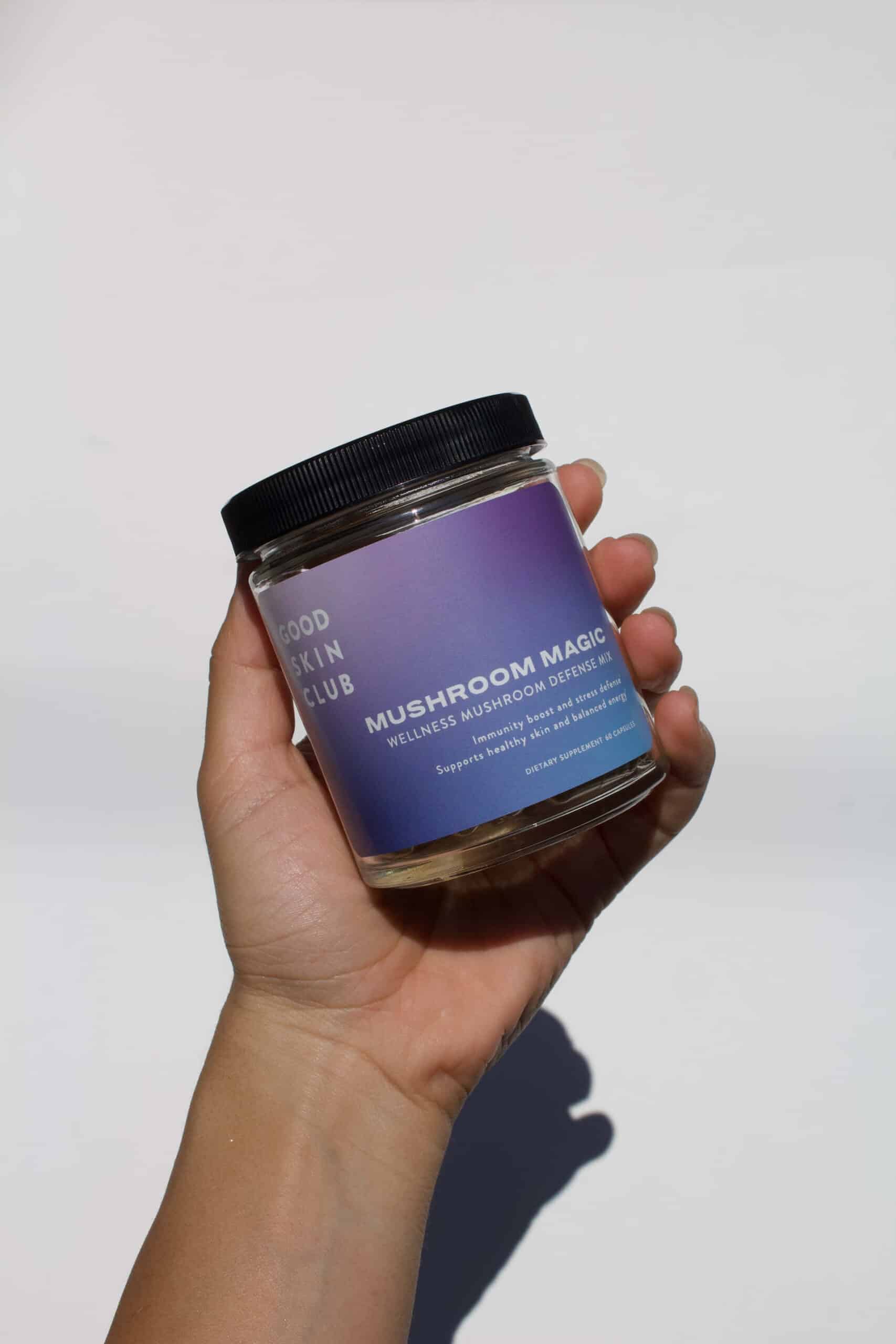
7+ Top private label mushroom supplements manufacturers
Wonnda works with the best private label mushroom supplements manufacturers. Here is a list of trusted suppliers from our network.
- Featured
 Private LabelWhite LabelContract Manufacturing
Private label supplement manufacturer in Hungary with in-house packaging
- Country
- Hungary
- MOQ
- From 500 units for selected ready capsule formulas; 1,000 units for capsules, softgels and collagen products
- Lead time

ANilab
4.9Private LabelContract ManufacturingEuropean Private Label Manufacturer of Mushroom Coffee, Adaptogen Beverages & Natural Supplements
- Country
- Slovakia
- MOQ
- 500 units
- Lead time
- On request
Mighty Fungi
4.7Private LabelContract ManufacturingLeading Manufacturer of High-Quality Mushroom Products
- Country
- Estonia
- MOQ
- Lead time
 Private LabelContract Manufacturing
Mushroom Extracts and Powders for Supplements and Food Products
- Country
- -
- MOQ
- Lead time
 Private LabelContract Manufacturing
Premium CBD and functional supplements for your brand - white label, private label and custom development.
- Country
- Netherlands
- MOQ
- Lead time
 Private LabelContract Manufacturing
Embrace Wellness with Organic Mushroom Extracts from the Heart of Estonia
- Country
- Estonia
- MOQ
- Lead time
 Private LabelContract Manufacturing
Unlock the Power of Mushrooms with Premium Products
- Country
- Slovakia
- MOQ
- Lead time
Compare MOQs and lead times
Quick side-by-side of the shortlist. Missing values shown as a dash.
| Supplier | Location | Types | MOQ | Lead time |
|---|---|---|---|---|
| AYS Ltd. (All Your Solution) | Hungary | PL · White Label · CM · Packaging | From 500 units for selected ready capsule formulas; 1,000 units for capsules, softgels and collagen products | |
| ANilab | Slovakia | PL · CM | 500 units | On request |
| Mighty Fungi | Estonia | PL · CM | ||
| BioFungi Supplements | - | PL · CM | ||
| CBD Oil Europe | Netherlands | PL · CM | ||
| Natural Chaga OÜ | Estonia | PL · CM | ||
| Royal Factory s.r.o | Slovakia | PL · CM |
Buyer criteria
- Fruiting body versus mycelium disclosure
The single most important spec. Confirm the product uses fruiting-body extract, not grain-grown mycelium, and that the label is honest about which. Ask for the beta-glucan percentage and the starch level, since high starch reveals grain carryover. A supplier that cannot or will not disclose this is selling a low-active product behind a premium-sounding species name.
- Beta-glucan standardization
Mushroom potency is measured by beta-glucan content, not crude polysaccharide, which can be inflated by starch. Require an extract standardized to a stated beta-glucan percentage and verified by a method that separates beta-glucan from alpha-glucan starch. Without this, you cannot prove your product delivers the active the category is built on.
- Extraction method matched to claim
If you claim both beta-glucans and triterpenes, the material needs dual extraction, hot water plus alcohol. Confirm the extraction method matches your label. A water-only extract cannot deliver triterpenes, so a dual claim on a single-method extract is unsupported and exposes you on a knowledgeable audience.
- Heavy-metal and contaminant testing
Mushrooms absorb heavy metals and other contaminants from their growing substrate, so per-batch testing is essential. Require heavy-metal and microbiological results on every lot, and ask about the substrate and origin. Skipping this in a daily-dose product taken by health-focused consumers is a safety and brand risk you cannot accept.
- Species identity verification
Confirm the supplier verifies the species identity of incoming material, since substitution and mislabeling occur in the botanical supply chain. Ask which method confirms identity and whether it travels on the certificate of analysis. A species claim you cannot substantiate undermines the entire trust story this category sells on.
Red flags
- Mycelium sold as mushroom
A label that says lion's mane without disclosing it is grain-grown mycelium, with no beta-glucan figure and a high starch reading, is the defining problem in this category. The product looks premium and delivers little active. Reject any supplier that hides the part used or cannot provide a beta-glucan-to-starch breakdown.
- Crude polysaccharide passed off as beta-glucan
A potency claim stated as polysaccharide percentage rather than beta-glucan is often inflated by starch, which is also a polysaccharide. If the supplier quotes polysaccharide content instead of standardized beta-glucan measured by a starch-excluding method, treat the potency claim as unproven and ask for the real number.
- No heavy-metal data
Mushrooms bioaccumulate contaminants, so a supplier that does not test each batch for heavy metals is exposing your brand to a genuine safety failure. Missing contaminant testing on a product consumed daily is disqualifying regardless of how attractive the extract price looks or how reputable the species sounds.
- Dual-extract claim on a single extraction
If the label promises triterpenes and beta-glucans but the material was only water-extracted, the triterpene claim is empty. A supplier that markets a dual-extract benefit without running both extractions is misrepresenting the product to an audience that often knows the difference and will call it out.
Manufacturing process
- 01
Species and extract grade selection
The brand fixes the species (lion's mane, reishi, cordyceps, chaga, turkey tail) and the critical spec: fruiting-body extract standardized to a beta-glucan percentage, not grain-grown mycelium. The supplier procures extract against this specification, with incoming testing for beta-glucan content and starch as a purity check, since starch indicates grain carryover.
- 02
Extraction method verification
For dual-extract products, the material undergoes both hot-water extraction for beta-glucans and alcohol extraction for triterpenes, then the two are recombined. The brand confirms the extraction ratio and whether the claimed actives survive. A single-method extract cannot deliver both fractions, so the method must match the label claim.
- 03
Dose and blend formulation
The daily extract dose per species is set against the price target, and multi-mushroom stacks are ratioed for the intended benefit. Low-inclusion additions such as black pepper extract or vitamin C are weighed in. The formula is written to a defensible serving so the beta-glucan claim survives finished-product testing.
- 04
Blending and uniformity check
Extract powders, fillers, and any co-actives are blended to a validated uniformity so each capsule or scoop matches the label. Fine extract and bulking agents must combine without segregating. Blend uniformity is sampled across the batch before encapsulation or filling to confirm even distribution of the standardized extract.
- 05
Encapsulation or powder filling
For capsules, the blend is encapsulated in HPMC shells suited to the vegan-leaning mushroom audience, with fill weight checked continuously. For powders, the blend is filled into tubs or sachets by weight. Format choice drives the equipment and the masking needs, since powders expose the earthy, bitter taste capsules hide.
- 06
Quality control and testing
QC tests beta-glucan content against claim, starch level, microbiological limits, and heavy metals, which matter because mushrooms bioaccumulate contaminants from substrate. For botanicals an identity check confirms the species. Per-batch certificates of analysis document beta-glucan percentage and contaminant results for traceability.
- 07
Packaging and lot coding
Capsules are bottled and induction-sealed, powders are sealed in tubs or stick packs, then labeled with species, extract spec, dose, lot code, and expiry. Stability for the format is confirmed before assigning shelf life. Lot codes trace finished units back to the extract lot for any quality investigation.
Understanding mushroom supplements private-label manufacturing
Product Formats and Processing
Mushroom supplements utilize functional fungi such as lion's mane, reishi, cordyceps, chaga, and turkey tail in capsules, powders, or extracts. The key sourcing question for a private label brand is the mushroom part used and its processing method. Credible products use fruiting-body extract standardized to beta-glucans, while cheaper alternatives may use milled mycelium grown on grain, which has a high starch load and low active content.
Different formats suit various product positionings. Capsules are appropriate for single-species or daily-dose products and can mask the bitter taste of reishi and chaga. Powders are suitable for coffee, cacao, and smoothie blends, but require masking or flavor systems due to taste exposure. Liquid dual-extract tinctures appeal to consumers seeking both water-soluble beta-glucans and alcohol-soluble triterpenes.
Sourcing and Manufacturing in Europe
European sourcing for mushroom supplements typically involves a few extract suppliers, many of whom source raw materials from Asia. Contract encapsulators and blenders in Germany, the Netherlands, Poland, and the UK handle the finishing processes.
MOQs for custom capsule or powder blends generally range from 1,000 to 5,000 units. Relabeling a stock extract may have lower MOQs. Lead times are usually 6 to 12 weeks, primarily influenced by extract procurement.
Cost Drivers and Quality Considerations
The primary cost drivers for mushroom supplements, in order, are the extract grade and beta-glucan standardization, the species mix, the format and packaging, and the encapsulation or blending. The extract significantly outweighs other costs. Therefore, focusing on the extract grade is more impactful than negotiating only the capsule fee.
Buyers of private label mushroom supplements often include wellness and nootropic D2C brands, coffee and adaptogen ritual brands, and mainstream health ranges. Differentiation relies on substantiated specifications like beta-glucan content, fruiting body over mycelium, and third-party testing, rather than just packaging. Qualifying a partner based on their testing and disclosure of beta-glucan percentage and starch level is crucial, as an under-spec product will undergo scrutiny from informed consumers.
Frequently asked questions
What is the difference between fruiting body and mycelium in mushroom supplements?+
Why is beta-glucan content the key spec for mushroom supplements?+
Should I make my mushroom supplement as capsules, powder, or a tincture?+
Do mushroom supplements need heavy-metal testing?+
What MOQ and lead time should I expect for private label mushroom supplements?+
Can I combine several mushroom species in one product?+
Explore adjacent product types
Get a vetted shortlist of mushroom supplements suppliers in 48 hours.
Post a brief on Wonnda. Free, no commitment. We match you with vetted manufacturers that fit your MOQ, format and market.